The Impact of VR on Game Streaming and Content Creation
3 March 2026
Virtual Reality (VR) isn’t just the next big thing—it’s already here, and man, it’s shaking up the gaming world in ways we never imagined. Remember when game streaming was simply about sharing your screen and talking over it? Well, VR has kicked that door wide open, and suddenly, content creation isn't just about playing games—it's about living them.
Let’s dive into how VR is flipping the script on game streaming and content creation. Whether you're a streamer, a gamer, or just curious about where this tech is headed, you're in for a wild ride.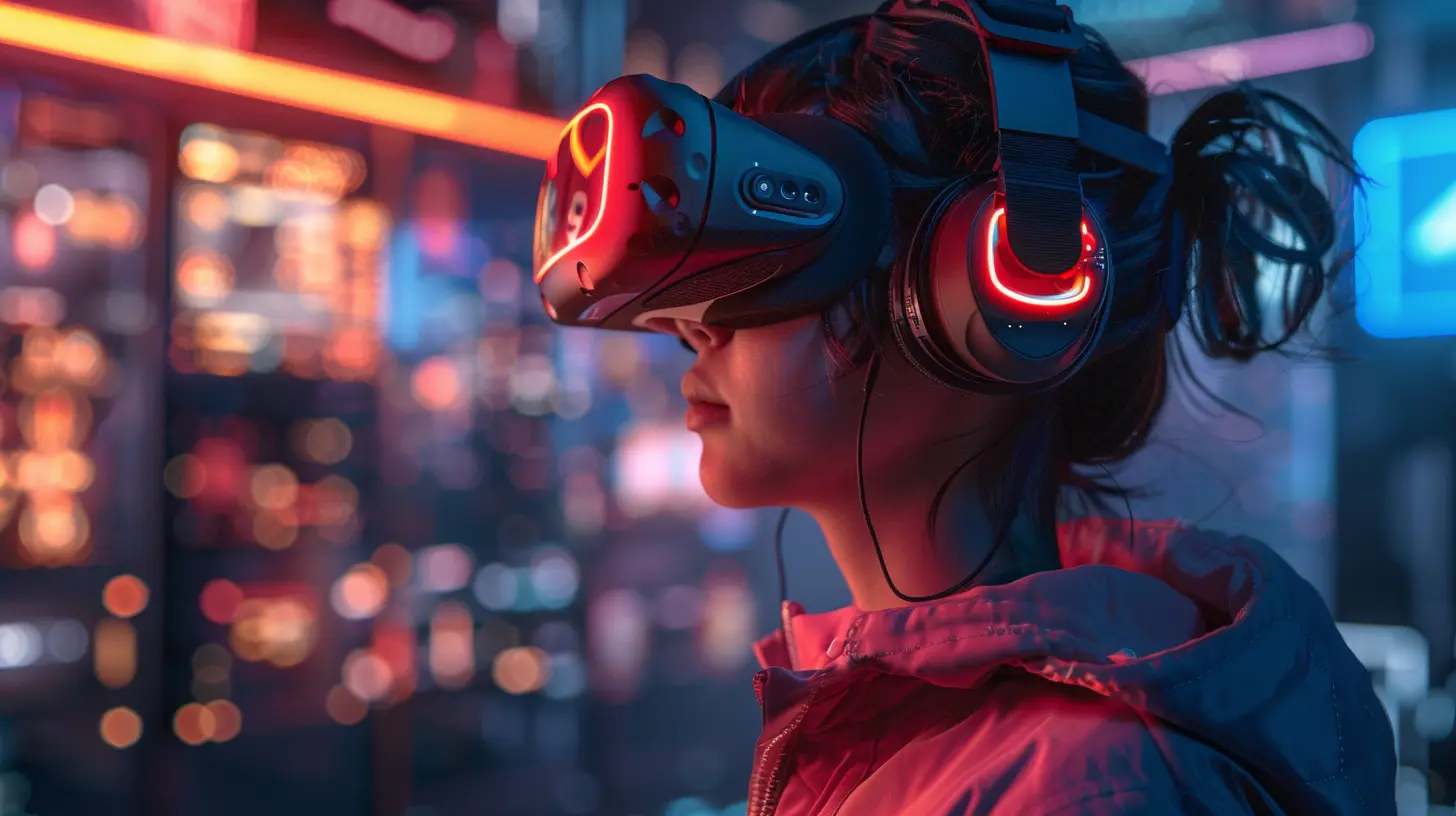
What’s the Big Deal with VR Anyway?
So, first off—what exactly is VR? It's more than just strapping a headset on. VR immerses you into a 3D, interactive world. You’re not watching the game anymore; you're inside it. Every movement, every turn of your head, every flick of your wrist—it all matters.This immersive factor is what makes VR so revolutionary for content creation. When viewers watch someone stream VR content, it’s like stepping into a new dimension. They’re not looking over someone’s shoulder anymore—they feel like they’re right there with them.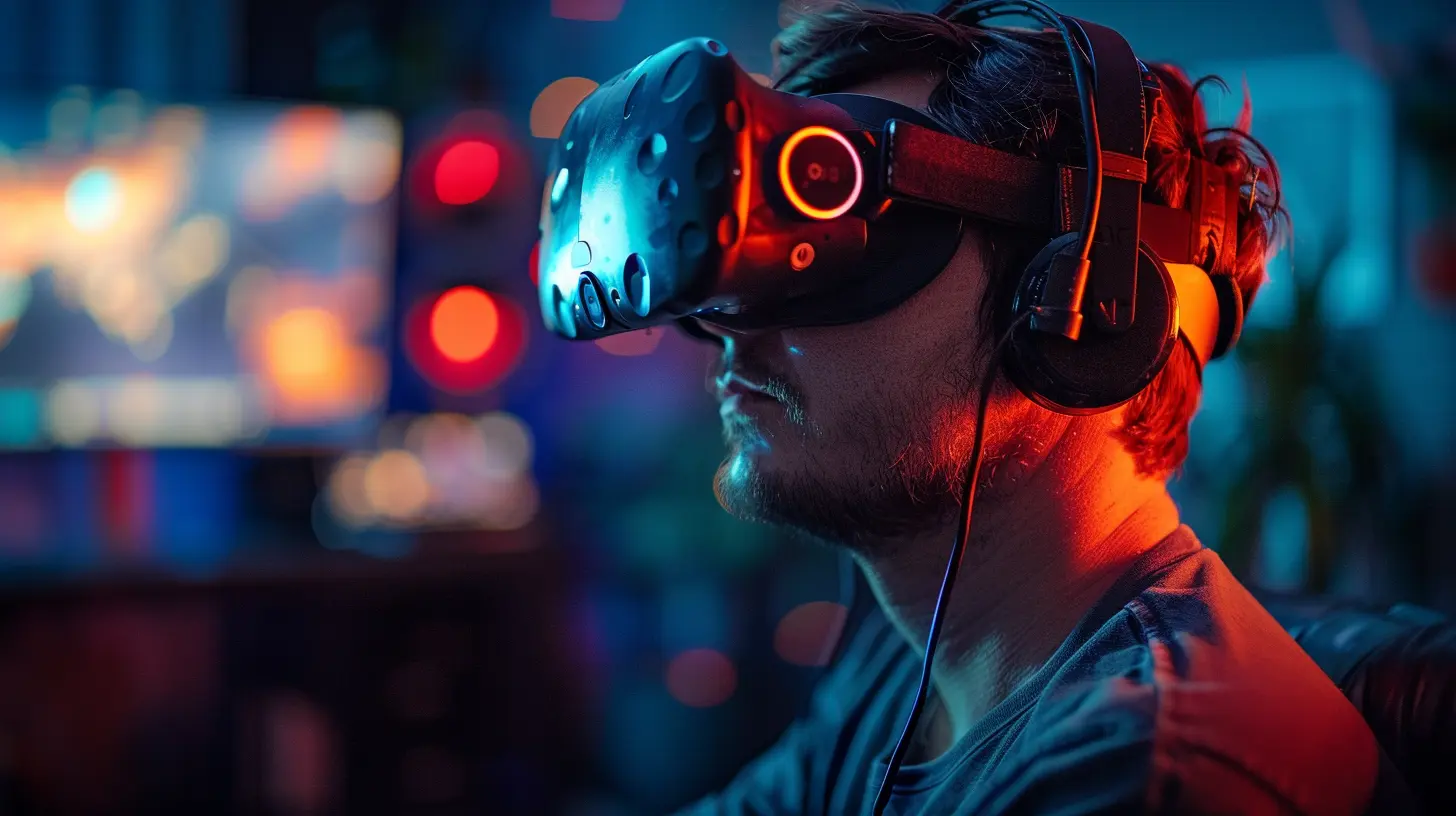
VR Game Streaming: A Whole New Experience
1. Visual Engagement Like Never Before
Let’s face it—traditional streams can get a bit stale. We’ve all seen countless FPS or RPG playthroughs, but VR brings something different to the table. Imagine watching a horror game in VR. The streamer screams, ducks, turns around frantically, and you’re sitting at the edge of your seat. It's raw, unscripted, and thrilling to watch.VR streaming delivers a level of authenticity that traditional setups can’t replicate. Reactions feel more real, and the unpredictability keeps viewers hooked.
2. Interactive Viewing
VR opens the door for interactive streaming experiences. Platforms like Twitch and YouTube are evolving to allow viewers to influence the in-game events. Think live voting to decide a streamer’s next move in real-time. The line between the streamer and the audience? Blurred.With tools like VRChat, audiences can even jump into the stream—not just type in chat, but actually join the world. Tried talking to a virtual version of your favorite streamer? Now you can.
3. Enhanced Immersion for Viewers
Here’s where it gets really fun. With 360-degree cameras and VR-capable devices, viewers can watch streams in VR too. Instead of passively watching, they can look around the game world themselves. It's like being in a movie where you control the camera—talk about next-level immersion!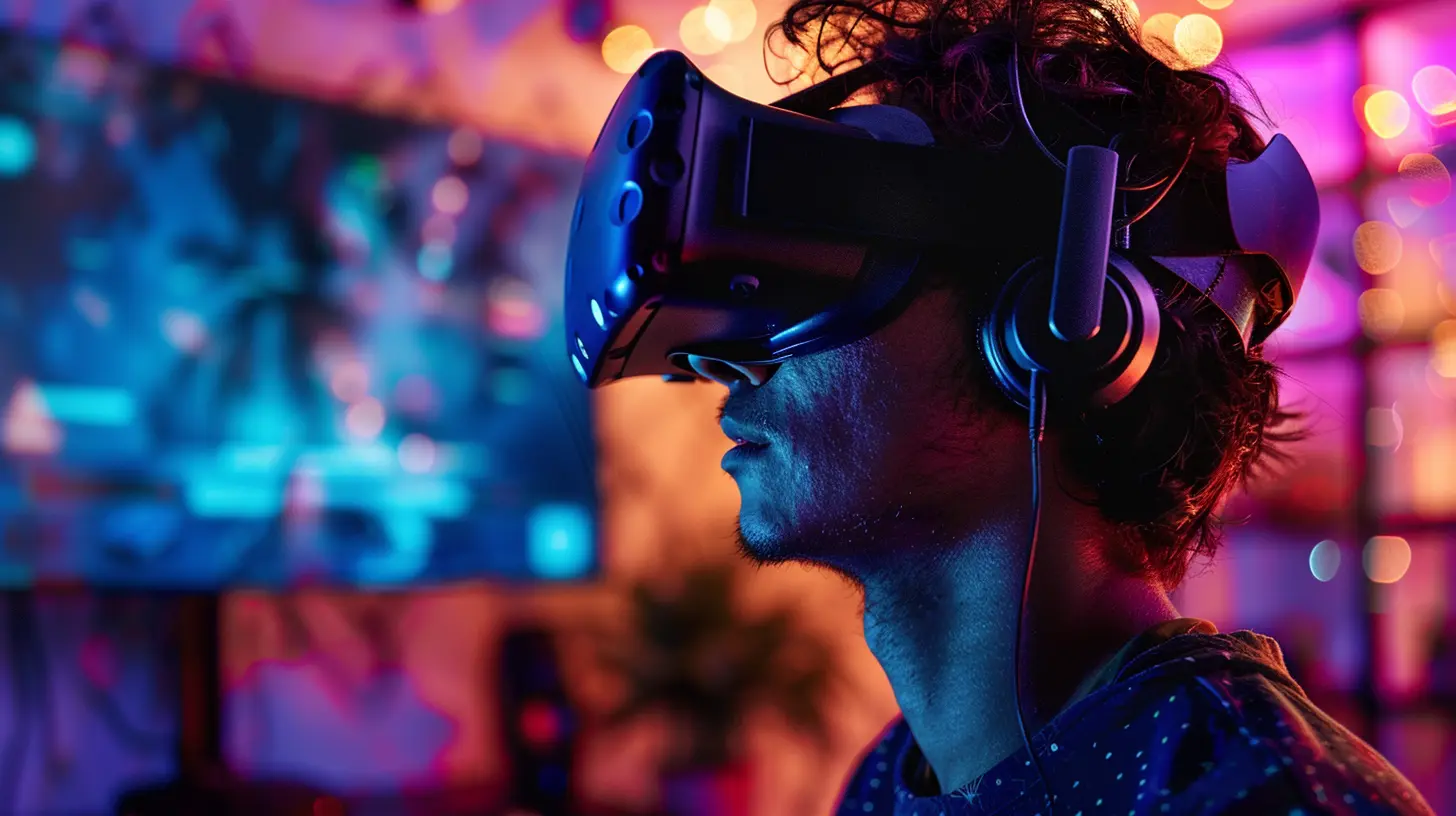
Content Creation in VR: Changing the Game
1. Creating Worlds, Not Just Videos
Traditional content creation? Film, edit, upload. But VR changes the rules. Content creators are no longer just players or editors—they’re world-builders. They can design their own VR spaces, customize experiences, and build interactive content like never before.Imagine filming a VR skit where the audience can walk around the set or interact with characters. That’s not the future—it’s happening now.
2. New Genres Are Emerging
Thanks to VR, entirely new content genres are popping up. We're talking about VR travel vlogs, virtual concerts, VR fitness sessions, and yes—full-blown VR talk shows. Creators are leveraging tools like Unreal Engine or Unity to design these experiences, then streaming or recording content that feels straight out of sci-fi.The line between real and virtual is blurring fast, and content creators are the architects of this new reality.
3. Stronger Community Building
One of the biggest benefits? Community. VR allows creators to connect with fans in ways that feel genuinely personal. Hosting a meet-and-greet inside a virtual lounge, or playing mini-games with fans inside a private VR room—these aren’t gimmicks anymore. They're real strategies for engagement.Brands and influencers have started building entire worlds tailored to their audience. Not just a Discord server—a fully interactive VR hub. And yes, it’s as wild as it sounds.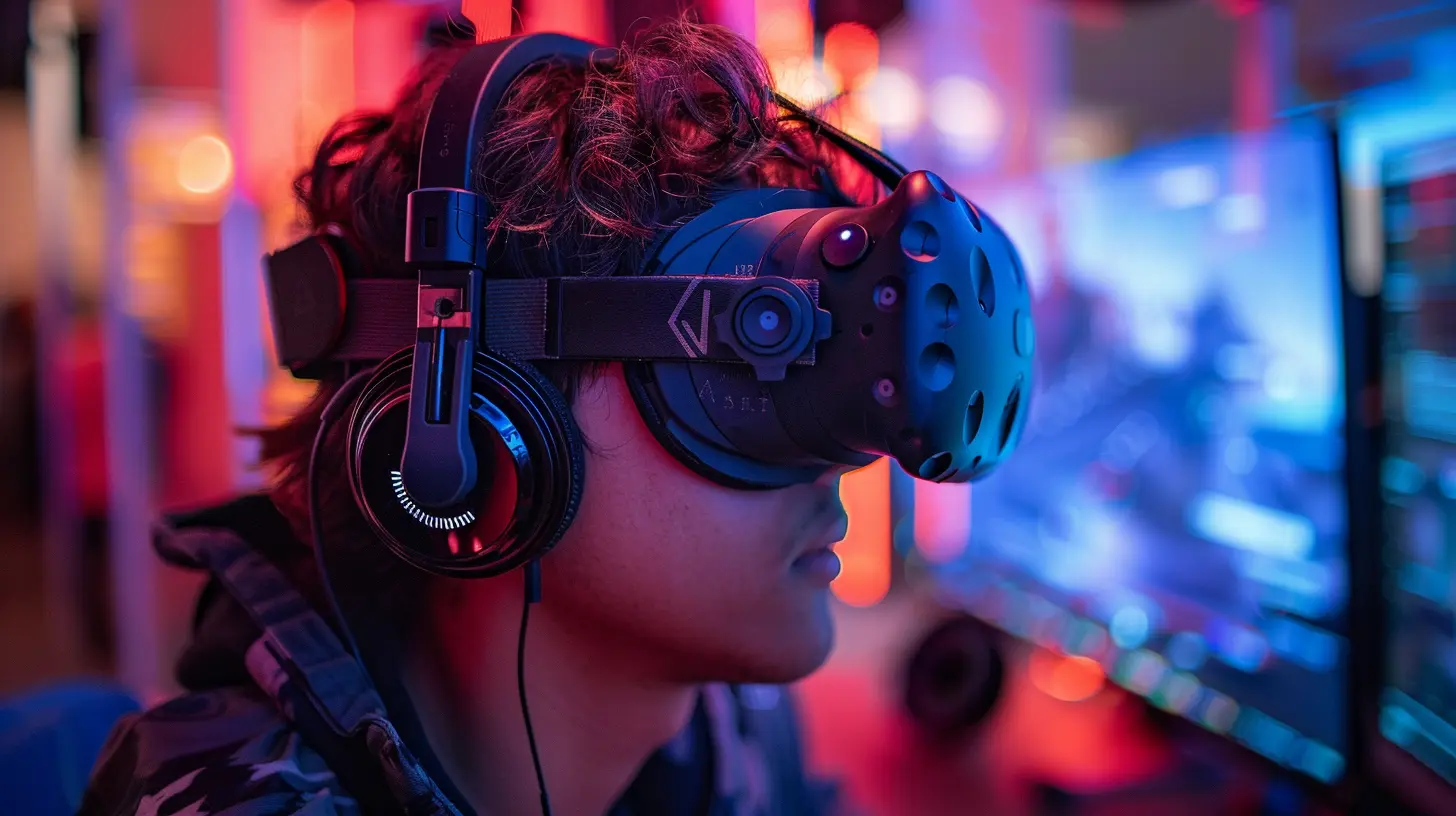
The Tech Behind the Magic
1. Hardware Is Catching Up
From the early days of clunky headsets and tangled wires, VR tech has come a long way. Today, standalone devices like the Meta Quest 3 or HTC Vive XR Elite offer smooth, wireless experiences. Better visuals, faster performance, lower latency—all of which are essential for streaming.More powerful hardware means better experiences for both creators and viewers. No one wants to watch a laggy VR stream. With the right setup, you can achieve buttery-smooth performance that keeps people watching.
2. Software Tools Make It Easier
Streaming VR content used to be a nightmare. Setting up OBS with VR capture, dealing with motion sickness, camera angles—it was a hassle. Now? Tools like LIV, VRCLens, and VMC allow creators to capture mixed reality experiences, track full-body avatars, and switch camera views effortlessly.Creators can now control how their audience sees the world. Want a third-person angle? A cinematic camera? A live avatar overlay? It’s all possible.
Challenges of VR in Streaming
1. Motion Sickness and Accessibility
Let’s be real—VR isn’t all sunshine and rainbows. Motion sickness is still a thing. For both creators and viewers, prolonged VR exposure can be uncomfortable. Some games are more nausea-inducing than others, and not everyone has the stomach for them.Also, not everyone owns a VR headset. That’s a huge barrier for content creators who want to target a mass audience. Until VR becomes more accessible and affordable, it's still a niche—though a rapidly growing one.
2. Higher Production Costs
Creating high-quality VR content ain’t cheap. From the hardware (headsets, sensors, cameras) to powerful PCs, the cost can be steep. Add in the need for space, lighting, and software, and you’re looking at a bigger investment than traditional game streaming.But here's the flip side—because fewer people are doing it, there’s less competition. The creators who dive in early can carve out unique niches for themselves.
3. Constant Learning Curve
VR tech evolves fast. Like, blink-and-you-miss-it fast. This means content creators need to constantly upgrade their gear, learn new software, and adapt their techniques. The learning curve is steep, no doubt about it. But for those willing to climb, the rewards are massive.The Future: Where VR Streaming Is Headed
So what’s next? Will VR take over the content creation world entirely?Not exactly. Traditional content isn’t going away anytime soon, but VR will become a major pillar of it. As headsets become more affordable and mainstream, more creators will jump onboard. We’re talking VR-first games, social platforms like Horizon Worlds, and a boom in immersive storytelling.
AI and VR are also teaming up to make content creation even easier. Imagine AI-driven virtual assistants that help you stream, edit, or even host your VR events. Yeah, we’re definitely heading into sci-fi territory.
Final Thoughts
VR is doing more than just enhancing content—it’s redefining it. For game streamers and content creators, this is more than just a gimmick; it’s a whole new canvas to paint on. It brings viewers closer, makes experiences more intense, and gives creators endless tools to innovate.Yes, there are challenges. But like any game worth playing, the payoff is worth the grind.
If you’re a creator looking to stand out, or a viewer craving something new—VR is where the magic's happening. So strap in, put on that headset, and get ready to create the future of gaming entertainment.
all images in this post were generated using AI tools
Category:
Vr TechnologyAuthor:

Tina Fisher
Discussion
rate this article
2 comments
Romina McManus
This article insightfully explores how VR technology is transforming game streaming and content creation. The immersive experience it offers not only enhances viewer engagement but also provides creators with innovative ways to connect with their audience. Exciting times ahead!
March 6, 2026 at 5:32 PM
Tina Fisher
Thank you for your thoughtful feedback! I'm glad you found the exploration of VR's transformative effects on game streaming and content creation insightful. Exciting times indeed!
Liam Gonzalez
Virtual reality transforms not just gameplay but the entire content creation landscape. As immersive experiences redefine storytelling, creators must adapt their narratives and techniques. This shift challenges our understanding of presence and interaction, pushing the boundaries of how audiences connect with virtual worlds.
March 6, 2026 at 5:22 AM
Tina Fisher
Absolutely! VR is revolutionizing content creation by enhancing storytelling and interactivity, compelling creators to innovate and engage audiences in unprecedented ways.