What Makes a Great VR Game Truly Immersive
14 May 2026
Virtual reality used to be a sci-fi dream. Now, it’s planted firmly in our everyday gaming experience — and when done right, it feels like stepping through a portal into another world. But let’s be real: not every VR game nails it. Some feel clunky, shallow, or worse, induce motion sickness that ruins the fun.
So what exactly makes a VR game truly immersive? What separates a quick tech demo from a jaw-dropping, lose-track-of-time experience?
Grab your favorite VR headset and settle in, because we’re diving deep into the building blocks of immersion in virtual reality games — and what truly elevates a title from good to unforgettable.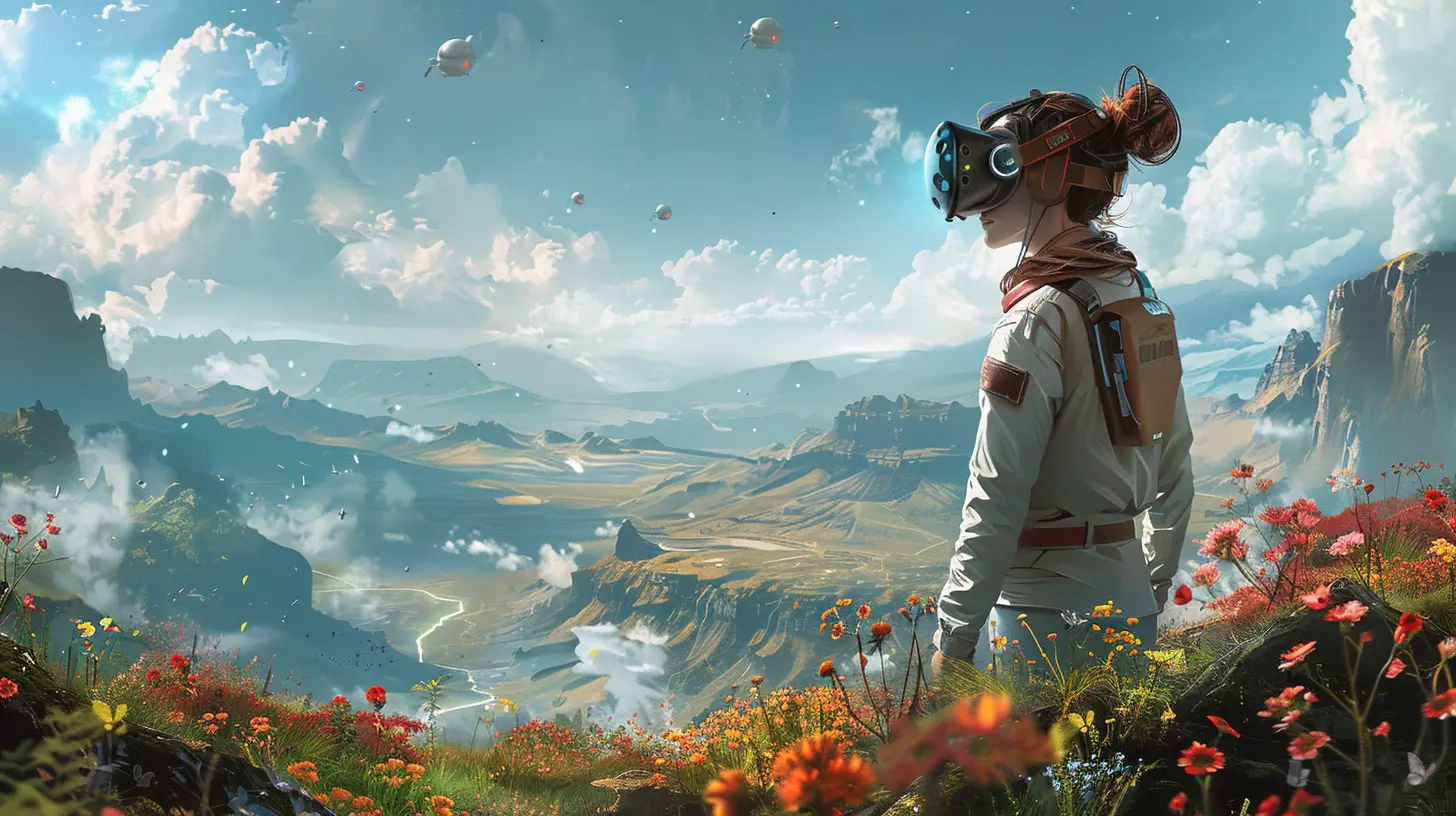
The Feeling of Presence: The Heartbeat of Immersion
Let’s start with the big one — presence. It’s that indescribable moment when your brain starts accepting that the virtual world around you is real enough. You reach out to touch something that isn’t there, flinch from an incoming projectile, or gingerly walk across a swaying plank.Presence is the magic glue that sticks you into the world. Without it, everything falls flat. Great VR games understand this and focus heavily on designing experiences that reinforce presence through realistic interactions, believable worlds, and intuitive controls.
So how do developers achieve this? Let's break it down.
1. Natural and Intuitive Controls
You know what kills immersion faster than anything? Clunky, awkward controls. If you have to stop and think about which button to press, you’re yanked out of the moment.The best VR games make interactions feel like second nature. Want to grab a weapon? Reach for it. Need to climb a ladder? Use your arms. Cast a spell? Trace the symbol with your finger.
This level of control isn’t just cool — it’s crucial. Think about Half-Life: Alyx, Boneworks, or The Walking Dead: Saints & Sinners. These games don’t hold your hand. Instead, they encourage you to interact with the world like you would in real life. That’s not just immersive — it’s empowering.
And when the tracking is smooth and responsive? Oh, it’s like butter.
2. A Believable and Reactive World
Ever tried to lean on a virtual table and realized your hand clips through it? Instant immersion breaker.A great VR world respects your sense of space. Objects have a sense of weight. Doors creak when pushed. The environment gives feedback based on your actions. It’s the small details that build a more convincing illusion.
Games like The Room VR or Red Matter excel at this. You’re not just moving through a pretty environment — you’re solving puzzles, handling objects, and uncovering stories in a world that feels real.
It's a bit like being in a dream that makes perfect sense — until it doesn’t. Great VR games never let you reach that point.
3. Audio That Pulls You In
If presence is the heartbeat, then immersive audio is the soul. Audio design in VR isn’t just about cool sound effects — it’s about shaping the environment around you.Think spatial audio — hearing footsteps behind you, or voices echoing from a different room. You turn your head to locate the sound, just like in real life. This level of audio awareness amps up the tension, the atmosphere, and your connection to the game.
Take Resident Evil 4 VR, for example. That creepy wind in your ears, the groans of distant enemies, the sudden slam of a door — it’s all engineered to get under your skin (in the best way).
And let’s not forget adaptive music. When a soundtrack shifts based on your actions or emotions? That’s storytelling on a whole other level.
4. Freedom of Movement (With Comfort Considered)
Let’s talk VR locomotion. How you get around the virtual world is a huge factor in immersion. But it’s also a minefield — move too fast or too unnaturally, and boom: motion sickness.Great VR games offer movement systems tailored to the experience. Some give you full freedom to walk in any direction using your joysticks or even your room-scale setup. Others stick to teleportation for comfort.
What matters is choice and consistency. Players should be able to move how they want, without feeling like they’re on a roller coaster from hell.
Also, let’s be real — nobody wants to sprint in place in their living room all day. Smart design balances immersion with comfort. Whether it’s smooth locomotion, climbing mechanics, or in-place gestures, the best games adapt to the player’s preferences.
5. Storytelling That Doesn’t Break the Fourth Wall
Even in VR, storytelling matters. But here’s the twist: in VR, you’re not watching the story — you’re in it. Traditional cutscenes can feel jarring. You don’t want to sit and watch dialogue when you’d rather move around, explore, or interact.That’s why environmental storytelling shines in virtual reality. Instead of telling you what’s happening, a great VR game shows you — through visuals, sound cues, hidden messages, or environmental changes.
Look at Lone Echo or Vader Immortal. These games make you feel like a character in the narrative. You’re not just pushing forward a story — you’re living it.
Narrative integration needs to feel seamless. When done well, you forget you’re playing a game. You feel like you’re part of something bigger.
6. Engaging Gameplay That Embraces VR’s Strengths
Let’s be honest — not every genre works in VR. Some simply don't translate well because the gameplay doesn't lend itself to the physicality of the medium.The best VR games lean into what VR does best: interactivity, scale, and immersion. They use verticality, realistic physics, and personal space to create moments you could never experience with a mouse and keyboard.
Think about Beat Saber. It’s not just about slashing blocks — it's about rhythm, motion, and flow. Or Superhot VR, where time only moves when you move — brilliant.
A truly immersive VR title doesn’t just plop an existing game into VR. It’s built from the ground-up to take advantage of your hands, your body, your eyes. It grabs your attention and keeps it, not through bells and whistles, but through design that feels right.
7. Visuals That Work With — Not Against — the Hardware
Visual fidelity is tricky in VR. You want eye-popping graphics that draw you in, but the headset’s resolution and processing power put limits on what’s possible.So how do top-tier VR games wow us?
They focus on style over realism. Clean visuals, thoughtful lighting, and clever art direction make all the difference. Games like Moss and The Climb don't need ultra-realistic textures. They create beauty through smart design and aesthetic consistency.
Plus, performance is king in VR. A game that runs smoothly (with high frame rates and minimal lag) is always more immersive than a stuttering masterpiece.
When the visuals and performance align, your brain stops questioning reality — and just rolls with it.
8. Emotional Engagement: Making You Feel Something
Immersion isn't just about what you see or do — it's about what you feel. Emotionally engaging VR games stay with you long after you take the headset off.Whether it’s curiosity, fear, excitement, or awe, a strong emotional hook makes the experience richer.
Take the quiet, poignant moments in games like Journey of the Gods or Ghost Giant. They sneak up on you. Suddenly, you’re not just playing — you’re connecting.
True immersion happens when your emotions and actions align. It’s the difference between waving a sword and fighting for your life.
9. Multiplayer That Feels Personal
VR multiplayer is a whole different beast. Talking to someone in VR — seeing their gestures, hearing their voice spatially, watching them wave or even dance — it’s like hanging out in real life, just in a digital space.Social VR experiences like VRChat or Rec Room tap into this sense of presence in a big way. But even competitive titles like Pavlov VR or Population: One make you feel like you’re in the same room with your teammates.
When designed well, multiplayer VR isn’t just gaming — it’s socializing. It’s powerful, and it massively boosts immersion.
10. Customization and Player Agency
You want to feel like you in a VR world, right? Customization — whether it’s avatar creation, weapon mods, or gameplay tweaks — helps anchor your identity in the game.It’s not just about picking cool outfits. It’s about player agency — the freedom to play your way. Do you sneak or go in guns blazing? Use magic or brute force? Stick to the story or wander off the beaten path?
Games that give you the reigns make you feel more invested. And when you care? You immerse deeper.
Final Thoughts: Immersion is a Symphony
So, what really makes a great VR game truly immersive?It’s not just one thing. It’s a symphony of perfectly tuned components — responsive controls, believable worlds, smart audio, engaging gameplay, seamless storytelling, and emotional connection.
It’s the kind of experience that makes you forget your living room exists. When the real world fades away and the virtual world becomes your new reality — that’s when a game earns the title of “great.”
And the best part? VR is just getting started. The future of immersive gaming is brighter (and more mind-blowingly real) than ever.
Strap in. The adventure’s only beginning.
all images in this post were generated using AI tools
Category:
Vr TechnologyAuthor:

Tina Fisher
Discussion
rate this article
2 comments
Everett Rosales
Great VR games transport you, making every moment unforgettable.
June 25, 2026 at 4:57 AM
Tina Fisher
Absolutely, the best VR games create a deep connection with players, making each experience feel real and memorable.
Renee Clarke
A great VR game achieves immersion through a blend of compelling narratives, intuitive controls, and realistic interactions. Meaningful player choices enhance engagement, while environmental detail pulls players into the experience, making every moment feel authentic and alive.
June 15, 2026 at 4:42 PM
Tina Fisher
You've captured the essence perfectly. Immersion hinges on strong narratives and natural interactions, making every choice impactful. Great insights!