How Storytelling in Games Is Reaching New Heights
13 May 2026
Let’s be real for a second—video games used to be all about who had the highest score or who could beat the final boss the fastest. Story? What story? You jumped over pits, shot aliens in the face, and that was pretty much it. But oh, how the times have changed.
Today, storytelling in games has become a full-blown cinematic experience. It's emotional. It's immersive. Sometimes, it hits harder than a Netflix drama. So, what’s driving this storytelling evolution in gaming, and how has it managed to get so dang good? Grab your controller (okay, not literally) and let's dive into the world of narrative-driven games.
The Rise of Narrative-Focused Gameplay
Remember the days when Mario was just saving a princess without much backstory? Now, fast forward to games like The Last of Us, Red Dead Redemption 2, or God of War—these aren't just games; they're emotional rollercoasters disguised as entertainment.Developers have shifted gears from creating just game mechanics to building entire universes. And players? We’re here for it. We crave that impactful story arc, that character development, that bittersweet ending that leaves us staring at the screen in awe (or maybe bawling).
Why Are Stories So Important in Games Now?
Because we want more than just action. We want meaning. We want to feel something.Games aren’t just pastimes anymore. They’re experiences. Telling a compelling story turns a 10-hour session into something you carry with you long after the credits roll.
Players are no longer just players; they’re participants in a living, breathing world.
Tech Advancements Are Fueling Narrative Growth
It’s not just writers getting better—it’s also the tech.Graphics and Animation
Let’s face it, emotional scenes don’t hit as hard when characters look like blocky Lego people. But now? We’ve got realistic facial expressions, motion capture performances from professional actors, even detailed eye movements. A single tear running down a cheek can say more than a thousand words—and modern games are nailing this.Voice Acting That Deserves an Oscar
Voice actors are now treated like royalty (and rightfully so). Performances from folks like Troy Baker and Ashley Johnson have elevated storytelling in games to a whole new level. Their delivery brings life and emotional depth that makes stories resonate on a very human level.AI and Procedural Storytelling
Here’s where it gets wild—AI is starting to help shape narratives dynamically. Think about games like Middle-earth: Shadow of Mordor, where the Nemesis System creates unique rivalries and storylines specifically tailored to your in-game actions. It’s like the game is writing itself around your decisions.
The Shift Toward Player-Driven Stories
Storytelling in games isn’t just about watching events unfold anymore. It’s about shaping them.Branching Narratives and Player Choice
Games like Detroit: Become Human and Mass Effect have shown how your choices matter. Not pretend matter—actual, game-altering matter. Decide whether a character lives or dies? That decision can ripple across the whole story, changing everything.These branching paths give players control. And that power? It’s intoxicating.
Open-World Storytelling
Linear storytelling still has a place, but many modern games are embracing open-world designs. That means less “go here, do this” and more “you decide what happens next.”In games like The Witcher 3, even side quests feel meaningful. Some of them deliver richer stories than entire movies. It’s not just a sandbox; it’s a novel you co-author.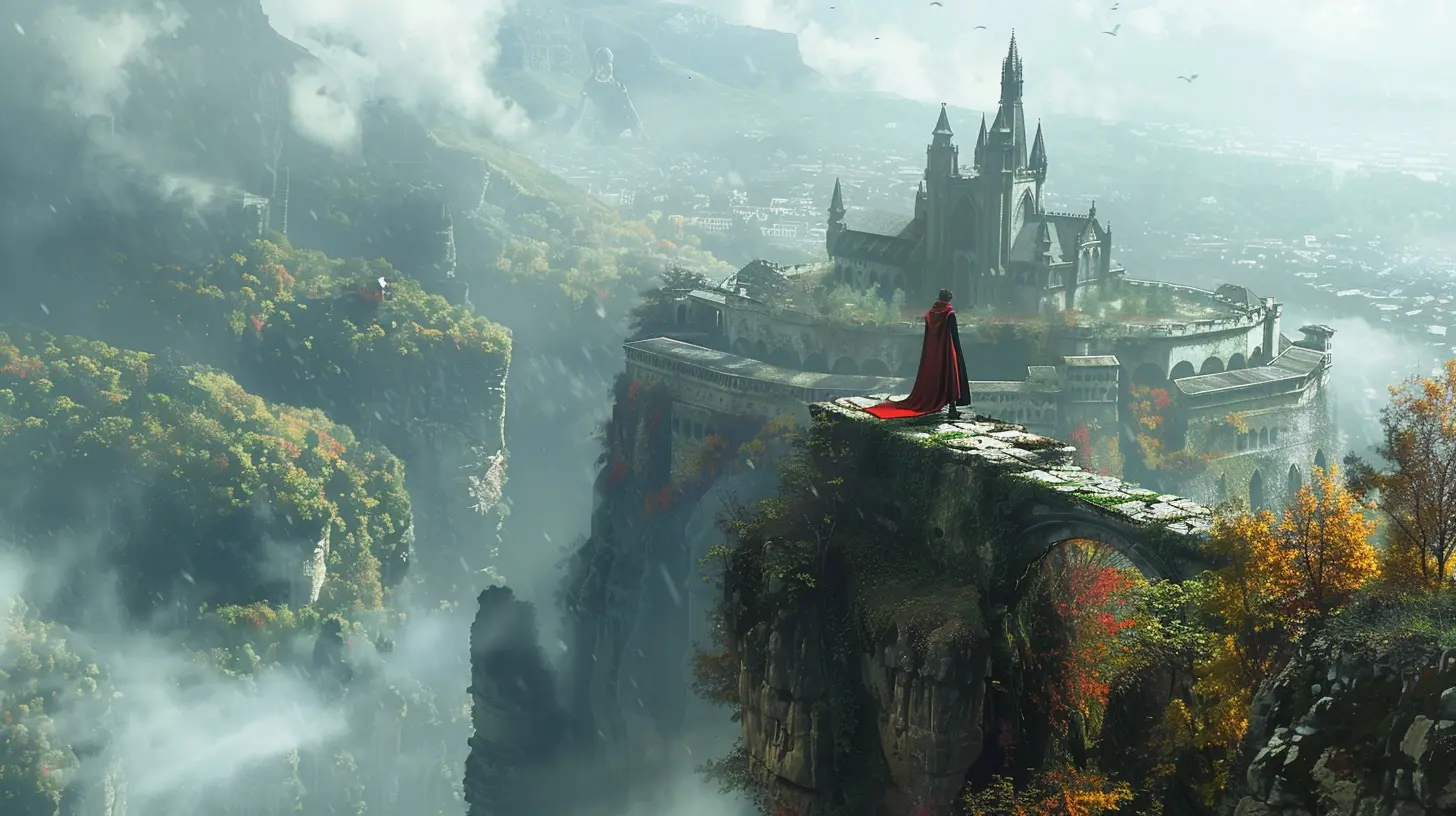
Genre-Blending Storytelling: Where Gameplay Meets Plot
Not too long ago, people assumed that deep storytelling was only for RPGs. But now? Storytelling is sneaking into every genre like a ninja in the night.Horror Games That Go Beyond Jump Scares
Take Until Dawn or Resident Evil Village. These aren’t just about terror—they’re layered with narrative twists and characters you actually care about. That emotional investment makes the fear hit ten times harder.Action Games With Heart
Even shooters are upping their story game. Titanfall 2 has a surprisingly emotional bond between a soldier and his robot companion. And don’t get me started on Call of Duty: Modern Warfare—it hits with both adrenaline and emotion.Indie Games Are Crushing It
You don't need a billion-dollar budget to tell a heart-wrenching story. Games like Celeste, Hades, or Undertale prove that storytelling greatness can come from the smallest studios. These indie sweethearts often take storytelling risks that big studios wouldn’t dare.Emotional Storytelling That Goes Beyond Entertainment
Great stories make us feel. And games are nailing emotional storytelling on a whole new level.Themes That Resonate Deeply
Grief, love, identity, sacrifice—games are exploring all the big ones.Life is Strange takes you on a journey through time and emotion. Hellblade: Senua’s Sacrifice puts you inside the mind of someone dealing with psychosis. These games aren’t just telling stories — they’re making statements.
Breaking Stereotypes and Building Empathy
Story-driven games are also letting players walk in shoes they might never wear in real life. You get to experience life from different cultures, backgrounds, and perspectives. That’s powerful stuff.Games like Tell Me Why, featuring a transgender main character, or Never Alone, rooted in Iñupiat culture, allow for authentic representation that broadens players' worldviews.
Storytelling Through World Design
Not every bit of story has to be delivered through cutscenes or dialogue.Environmental Storytelling
Ever walked into a wrecked room in Bioshock or The Last of Us and knew what happened there without a single word being uttered? That’s environmental storytelling.It’s the breadcrumbs of the world. A torn photo. A blood-stained diary. A flickering light that hints at what came before. It’s subtle, but it’s powerful.
Lore-Heavy Universes
Then there’s the lore — the juicy world-building stuff. Games like Elden Ring and Dark Souls don’t feed you the story; you have to dig for it. And for many players, that’s half the fun.These "show, don't tell" narratives make you an investigator as much as a player.
The Future of Game Storytelling Looks Insane
We’re not even at the storytelling ceiling yet—far from it. The future? It’s looking ridiculously promising.VR and Immersive Storytelling
Virtual Reality is slowly but surely becoming a key player. Being “inside” the story changes everything. Games like Half-Life: Alyx show us what’s possible when immersion is pushed to the max.AI Writers and Dynamic Dialogue
Emerging AI tools might soon help generate responsive dialogue trees that feel genuinely natural. Imagine an in-game character that remembers every little choice you’ve made across dozens of hours and speaks to you like a real person? Not far off.Cross-Media Storytelling
More and more games are blending with other media. We’ve got Netflix series based on games, and games evolving from books and films. This cross-pollination means storytelling will only get richer.Final Thoughts: Games Are the New Canvas for Storytelling
Here’s the truth—games have become a serious storytelling medium. They’re not just “games” anymore. They’re personal, interactive journeys that challenge your emotions, your decisions, and even your beliefs.As technology keeps evolving and developers continue pushing creative boundaries, one thing's clear: storytelling in games isn’t just reaching new heights—it’s rewriting the rulebook.
So next time someone says games are just kid stuff? Hand them a copy of The Last of Us and tell them to prepare for feels they didn’t see coming.
all images in this post were generated using AI tools
Category:
Game TrendsAuthor:

Tina Fisher
Discussion
rate this article
2 comments
Reece McElveen
The evolution of storytelling in games is impressive. Developers are pushing boundaries with rich narratives and complex characters, creating experiences that engage players on deeper emotional levels. This trend is exciting for the industry.
June 26, 2026 at 5:04 AM
Tina Fisher
I completely agree. It's inspiring to see how developers are crafting narratives that resonate with players, making games a powerful medium for storytelling. The potential for emotional connections is limitless.
Serenity Franco
This article brilliantly captures how innovative storytelling techniques in games create immersive experiences, deepening emotional connections and pushing narrative boundaries. Great read!
May 17, 2026 at 2:46 AM
Tina Fisher
Thanks for your kind words! I'm glad you enjoyed the exploration of storytelling in games.