How Crafting Supports Player Autonomy
5 June 2026
Let’s be honest—there’s something deeply satisfying about scavenging bits of wood, metal, and mysterious glowing runes, then smushing them together to make a sword that shoots fireballs. Or a potion that makes you invisibly awesome. Crafting in video games isn’t just a fun distraction. Nope, it’s way more powerful than that. It actually gives players something magical: autonomy.
You might be wondering, “Wait, how does crafting equal autonomy?" Buckle in, because we're diving into the pixelated world of crafting systems and how they put the power squarely into the player's hands.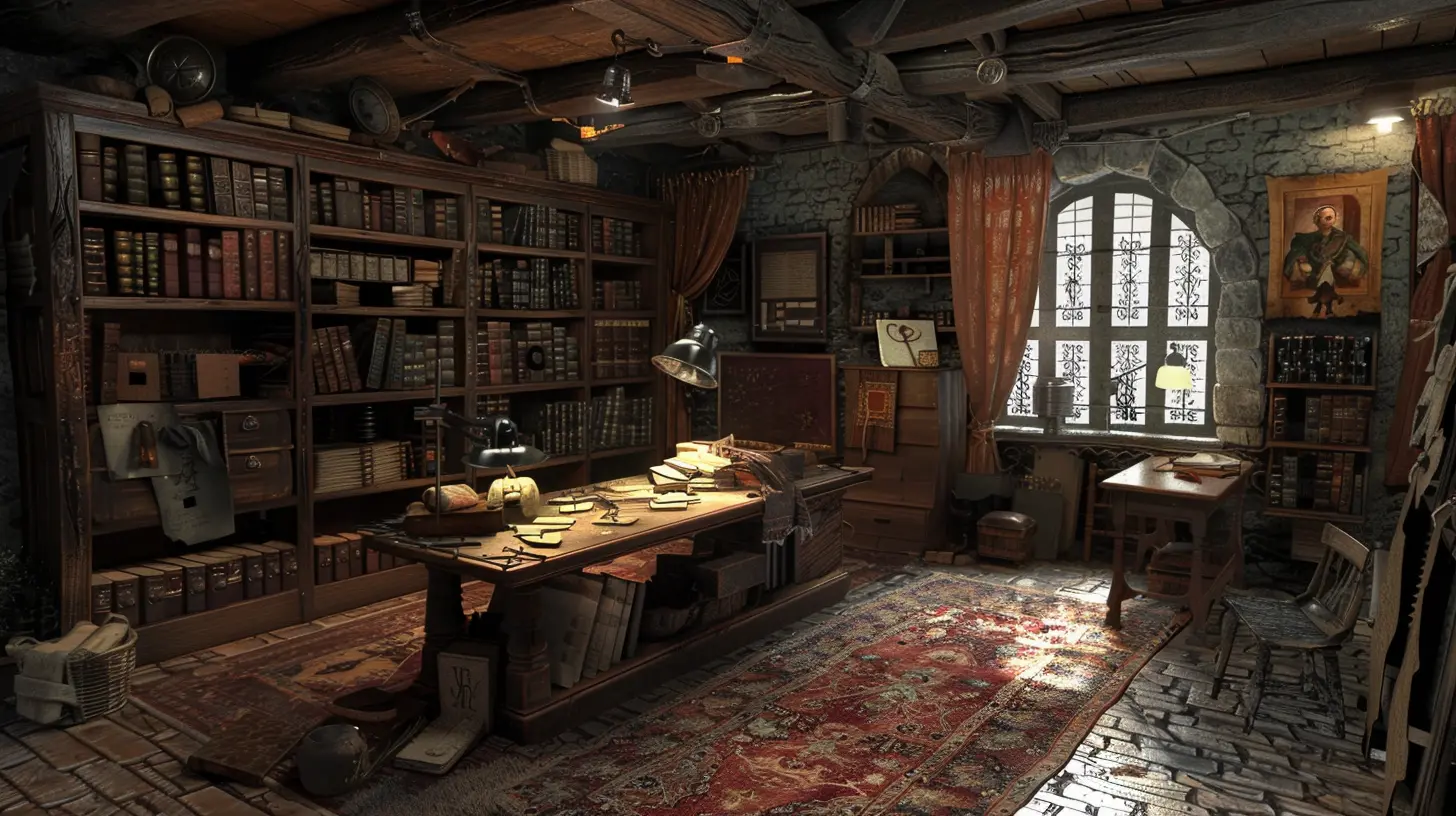
What Is Player Autonomy, Anyway?
Before we dive into cauldrons and enchanted blacksmithing, let’s chew on the idea of player autonomy.In simple terms, player autonomy is all about freedom. It’s giving the player meaningful choices. The freedom to play their way, tinker how they like, and, most importantly, make decisions that actually matter. Autonomy is what turns games from linear theme-park rides into open-ended sandbox dreams.
Crafting is one of the ultimate ways game developers hand over the keys to the kingdom.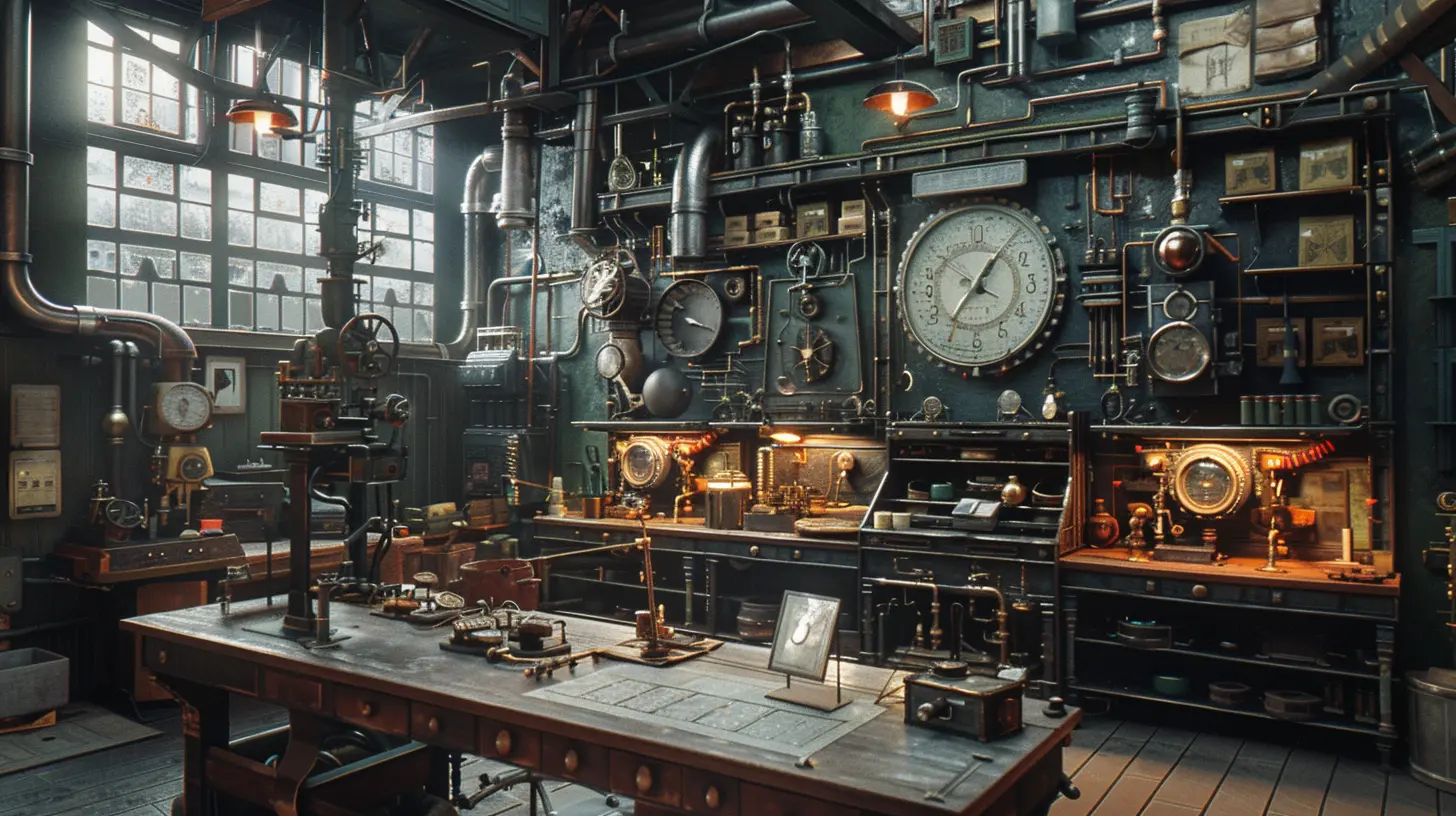
Crafting: More Than Just Mixing Stuff
Crafting isn't just a glorified recipe book. It’s often the beating heart of a game’s progression, customization, and strategy.Imagine you're playing a survival game. You’re cold. Starving. Zombies are making rude noises outside your makeshift hut. Suddenly, you realize you’ve stockpiled enough duct tape, nails, and planks to build a crossbow. Boom. You craft it. You feel proud. That wasn’t just a move the game told you to make—you made a choice, built something from scratch, and shifted your fate. That right there? Big ol’ autonomy.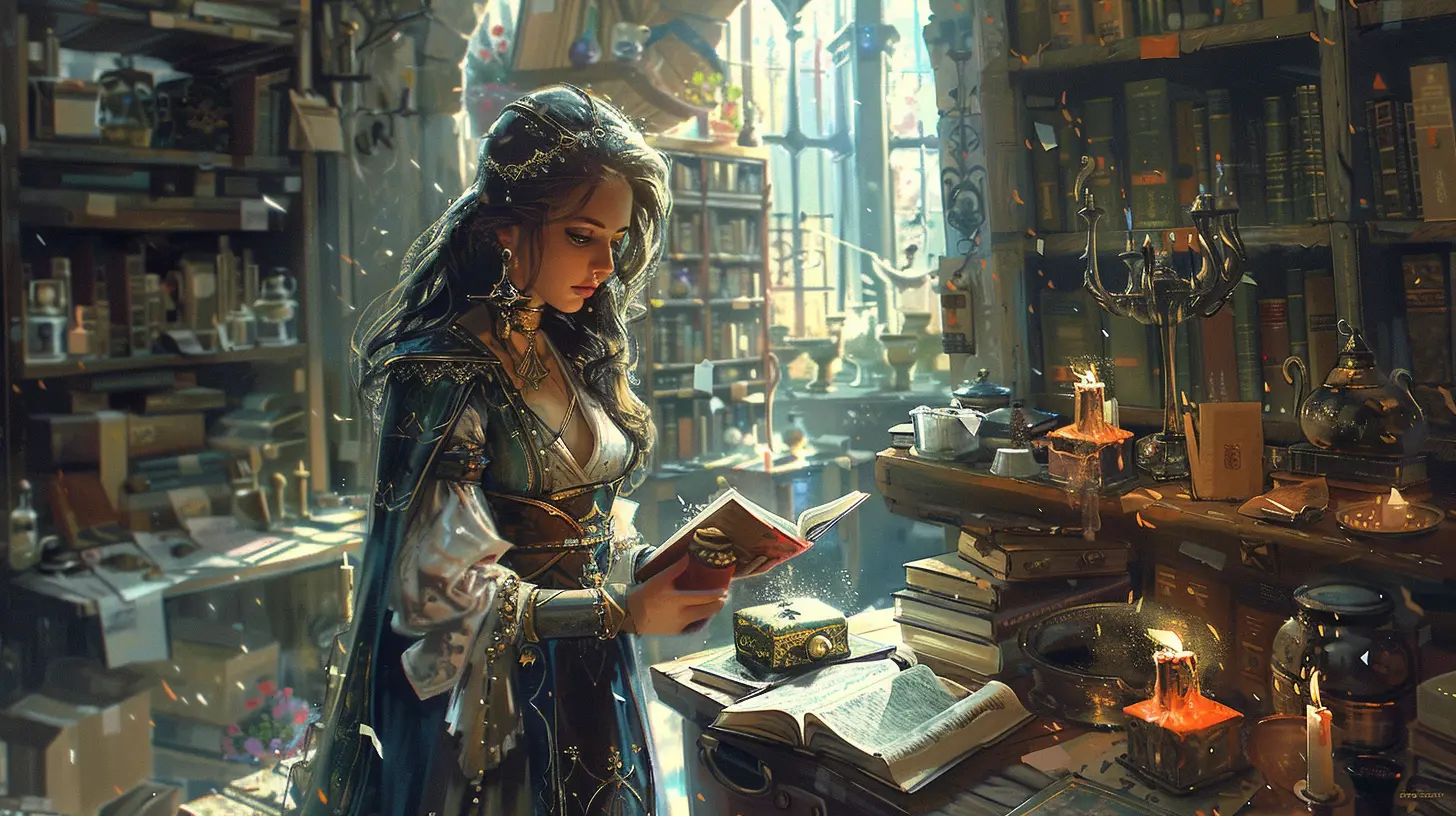
1. Agency Over the Arsenal
Let’s talk weapons for a second.In many games, your loadout is your lifestyle. Whether you’re a sword-swinging warrior or a stealthy sniper, crafting lets players create gear that suits their unique playstyle.
Instead of relying on random loot drops or boring shop menus, crafting systems allow players to tailor weapons and armor that sync with their preferred battle tactics.
Feeling sneaky? Craft a lightweight dagger dipped in poison. Fancy yourself a tank? Forge reinforced armor with extra thorns (because who doesn’t want to hurt things while getting hit?).
This kind of player-driven decision-making isn’t just cool—it’s empowering.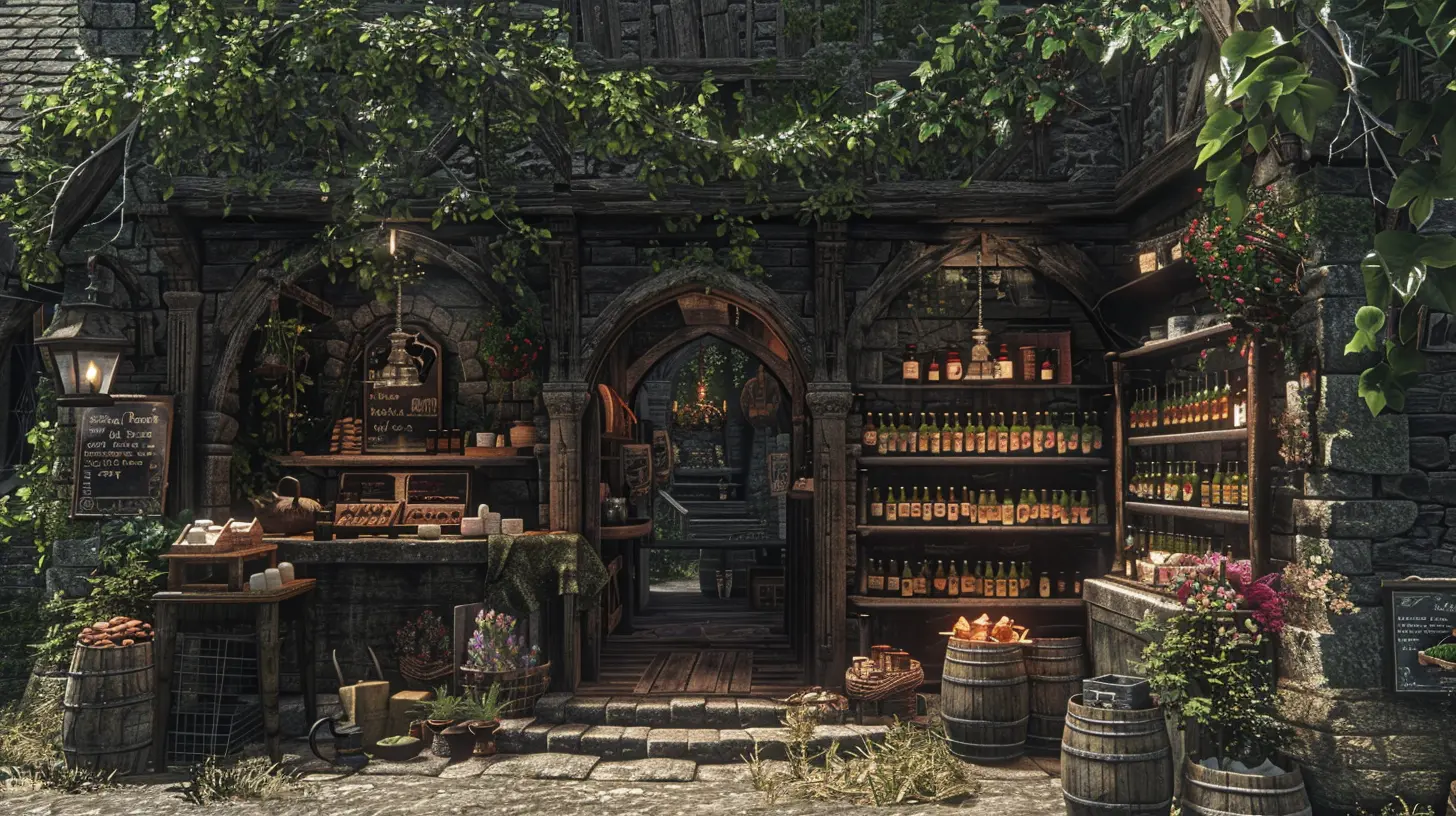
2. Personalized Progression Paths
Crafting quietly rewrites the rules of leveling up.Let’s say you’re playing an RPG with multiple skill trees. There’s magic, melee, archery, potion-brewing, and who-knows-what. Crafting lets you invest in your preferred talents, even outside of combat.
For example:
- Want to specialize in alchemy instead of swordplay? Brew your way to greatness.
- Into enchanting rather than brute strength? Craft magical items that boost your stats.
You're not just passively accepting whatever the game throws at you. You're building your identity. You decide the tools, the trades, and the traditions that define your journey. And that’s autonomy in a bottle—literally if you're mixing potions.
3. Freedom to Experiment and Fail (Safely!)
Games like Minecraft, Valheim, and No Man’s Sky encourage players to mess around with crafting for the pure joy of it. Sometimes you build a majestic castle. Sometimes you accidentally set it on fire. (Oops.)But here’s the kicker: failure in crafting is rarely punishing. Instead, it encourages you to try again, with different materials or blueprints.
It’s like being a mad scientist in a digital lab. You’re rewarded for thinking outside the box, experimenting with combinations, and discovering new things. You're not being spoon-fed a "correct" way to win—you’re writing your own recipe book.
4. Open-Ended Creativity
You know those players who don’t actually finish the main questline because they’re too busy building medieval villages or space stations? Yeah, you probably are one. (No shame. That’s art.)Crafting supports sandbox creativity where the possibilities are endless. Games like Terraria, Starbound, and even Rust give players the tools and say, “Go wild.” Some build skyscrapers. Others knit elaborate trap systems. Some even recreate the Millennium Falcon out of scrap parts.
This level of open creativity fuels autonomy because it removes rigid goals. You become the designer, engineer, and artist—all rolled into one caffeine-fueled player.
5. Ownership and Emotional Investment
Here’s something a lot of people don’t think about: the things you craft? They mean more to you.Why? Because you made them.
That +10 flaming sword you forged after hours of gathering rare dragon scales? Yeah, you’re not dropping that for some random loot drop. No way. That weapon has a story. YOUR story.
Crafted gear feels more personal. Players develop emotional attachments to self-made items because they represent effort, choice, and time invested. And when you care about your choices, you’re more deeply connected to the game.
6. Economy and Trade Systems (Run by You!)
In multiplayer games, crafting often becomes the backbone of player-driven economies.Let’s say you specialize in leatherworking while your buddy’s a master blacksmith. Suddenly, there’s a reason to interact, trade, and maybe even build a little business empire.
Crafting creates interdependencies between players. You’re not just grinding for XP—you’re playing a role in a living, breathing world. It adds structure, purpose, and value to your in-game existence.
Pretty soon, you go from "some guy with extra pelts" to "the server’s most sought-after armor merchant." That kind of impact? Chef’s kiss for player autonomy.
7. Adaptability in a Changing World
In games with dynamic worlds—think survival mechanics, weather changes, or emergent threats—crafting lets players adapt on the fly.Oh, winter’s coming and your food is freezing? Time to craft a frost-resistant jacket.
Getting chased by mutant wasps? Time for a makeshift flamethrower (yes, this is real in some games, and yes, it’s amazing).
When players can respond to challenges by creating tools, shelters, or traps, they feel more immersed and competent. The game’s no longer handing you answers—you’re solving problems your way.
8. Resource Management Adds Meaning to Exploration
Without crafting, picking up flowers or rocks in an open world feels useless. But when every pinecone could be part of a future explosive bear trap (don’t ask), suddenly foraging becomes meaningful.Crafting makes exploration matter.
You’re not just sightseeing—you’re hunting for rare ingredients, scavenging for junk with value, and mapping out locations for future resource hauls. It transforms “go from point A to B” into “gather, plan, and prepare along the way.”
9. Side Quests That Actually Matter
Crafting also turns mundane side quests into purposeful goals.Need a rare herb for a poison-resistant tonic? Boom—a reason to explore that creepy forest.
Looking for a special gem to create your epic armor? You’ll gladly dive into that abandoned mine.
Suddenly, the world isn’t just full of filler content. It’s full of crafting opportunities waiting to be unlocked. It gives the player a reason to engage more deeply with the world, rather than just blaze through it.
10. It Supports All Kinds of Playstyles
Not everyone wants to be a sword-slinging protagonist. Some players love being the “support character”—the one who makes the potions, fixes the armor, or creates the weapons that fuel the hero.Crafting allows those players to shine.
In team-based games especially, crafting enables players to contribute in meaningful non-combat roles. And they don’t just support the team—they often become the glue that holds everything together.
You like playing the hero? Great! But someone’s gotta craft those healing bombs while you're off being reckless.
When Crafting Fails: A Word of Warning
Now, crafting isn’t always sunshine and enchanted pickaxes. There are times when it can feel grindy, confusing, or downright pointless.Poorly designed crafting systems can hurt autonomy by:
- Making recipes too hard to find.
- Locking progress behind ridiculous grind-walls.
- Offering gear that’s inferior to quest rewards.
- Being so complex that only spreadsheets can save you.
But when done right? Crafting flies. It’s a beautiful mix of freedom, creativity, and meaningful decision-making.
The Future of Crafting Is Bright (and Slightly Weird)
As games evolve, crafting is leveling up too.We’re seeing more AI-driven systems where crafting recipes are procedurally generated. Some games are even letting players craft not just items, but entire quests or storylines. Whoa.
The future holds even more potential for player-driven worlds that bend and shift based on what players create. If autonomy is the goal, crafting is the rocket ship getting us there.
Wrapping It All Up
Crafting might look like a bunch of menus and ingredients, but it’s actually a window into something so much bigger: player freedom. It hands over control, enables creativity, and makes every journey feel personal.So the next time you’re smashing herbs together or wiring circuits from old robot parts, remember—you’re not just making a potion or a device. You’re carving your own path, your own story, in this wild world of gaming.
And that? That’s pure player power.
all images in this post were generated using AI tools
Category:
Item CraftingAuthor:

Tina Fisher
Discussion
rate this article
1 comments
Kylie Gates
Crafting empowers creativity and player freedom!
June 13, 2026 at 3:07 PM
Tina Fisher
Absolutely! Crafting really does allow players to express themselves and shape their own experiences.