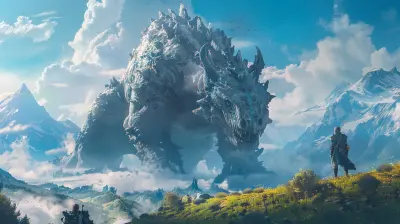
Why More Developers Are Embracing Open Worlds
20 January 2026
The gaming industry is constantly evolving. Graphics are sharper, stories are deeper, and gameplay is more immersive than ever before. But if there’s one trend that’s taken the industry by storm in recent years, it’s the rise of open-world games. From sprawling fantasy landscapes to post-apocalyptic wastelands, developers everywhere are leaning heavily into the open-world formula—and players are eating it up. But why, exactly, is this shift happening?
Let’s dive into why more game developers are embracing open worlds and why this design philosophy isn’t just a trend—it’s the future.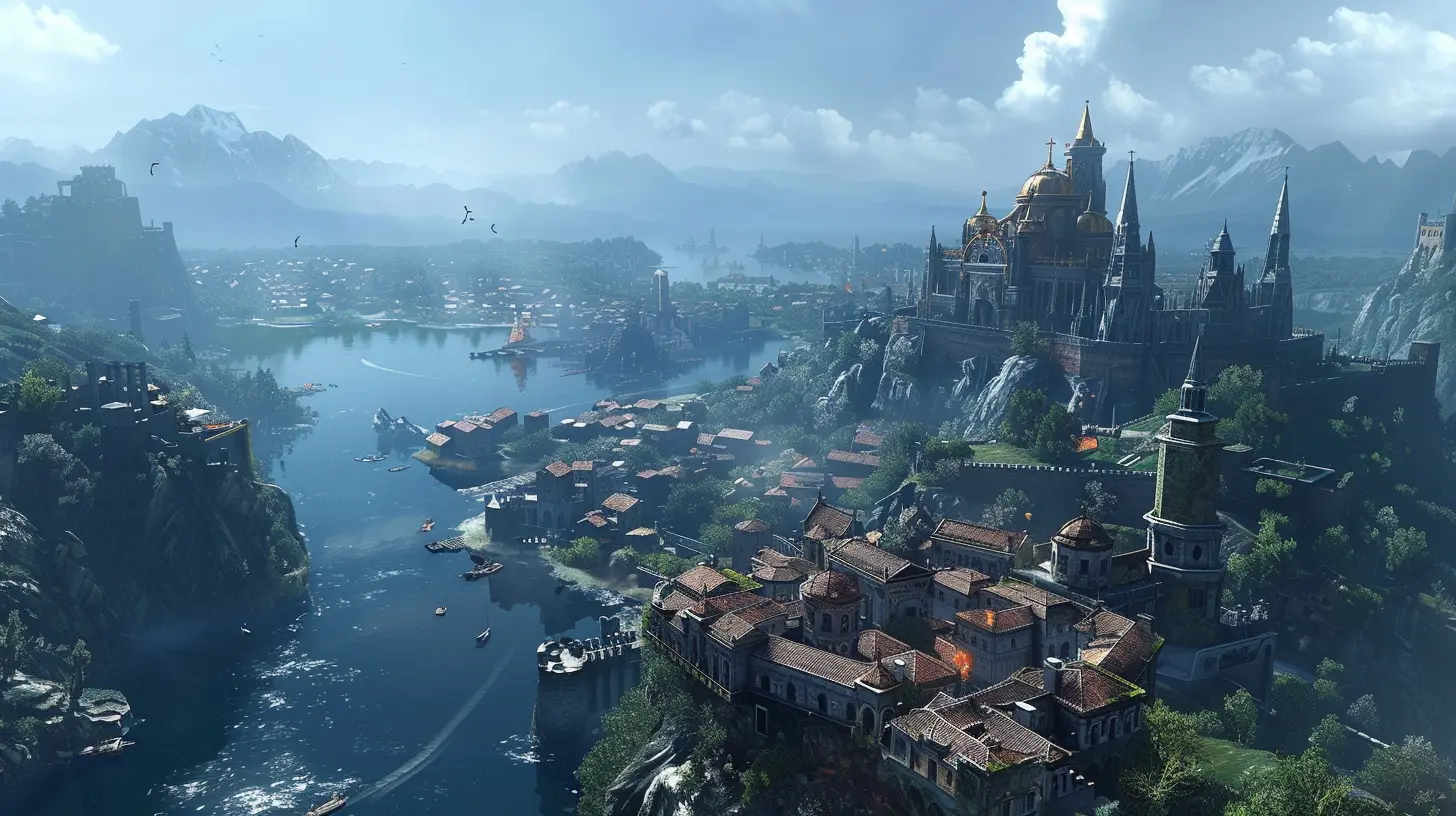
The Thrill of Freedom: Giving Players Control
Let’s be honest—gamers love freedom. There's something incredibly satisfying about being able to go wherever you want, whenever you want—without a blinking arrow telling you what to do next. Open worlds hand over the steering wheel to players. You're not just following a story, you're living in it.Remember those old-school linear levels where you moved from point A to B with no deviation? They had their charm, sure. But open worlds feel like stepping into a theme park with no map—exploration becomes part of the game. And developers know this.
They’re building experiences where curiosity is rewarded. A hidden cave? Might hold treasure. An abandoned cabin? Could be hiding lore that redefines the main plot. This sense of discovery keeps players hooked, often logging in for “just one more quest” that turns into a four-hour session.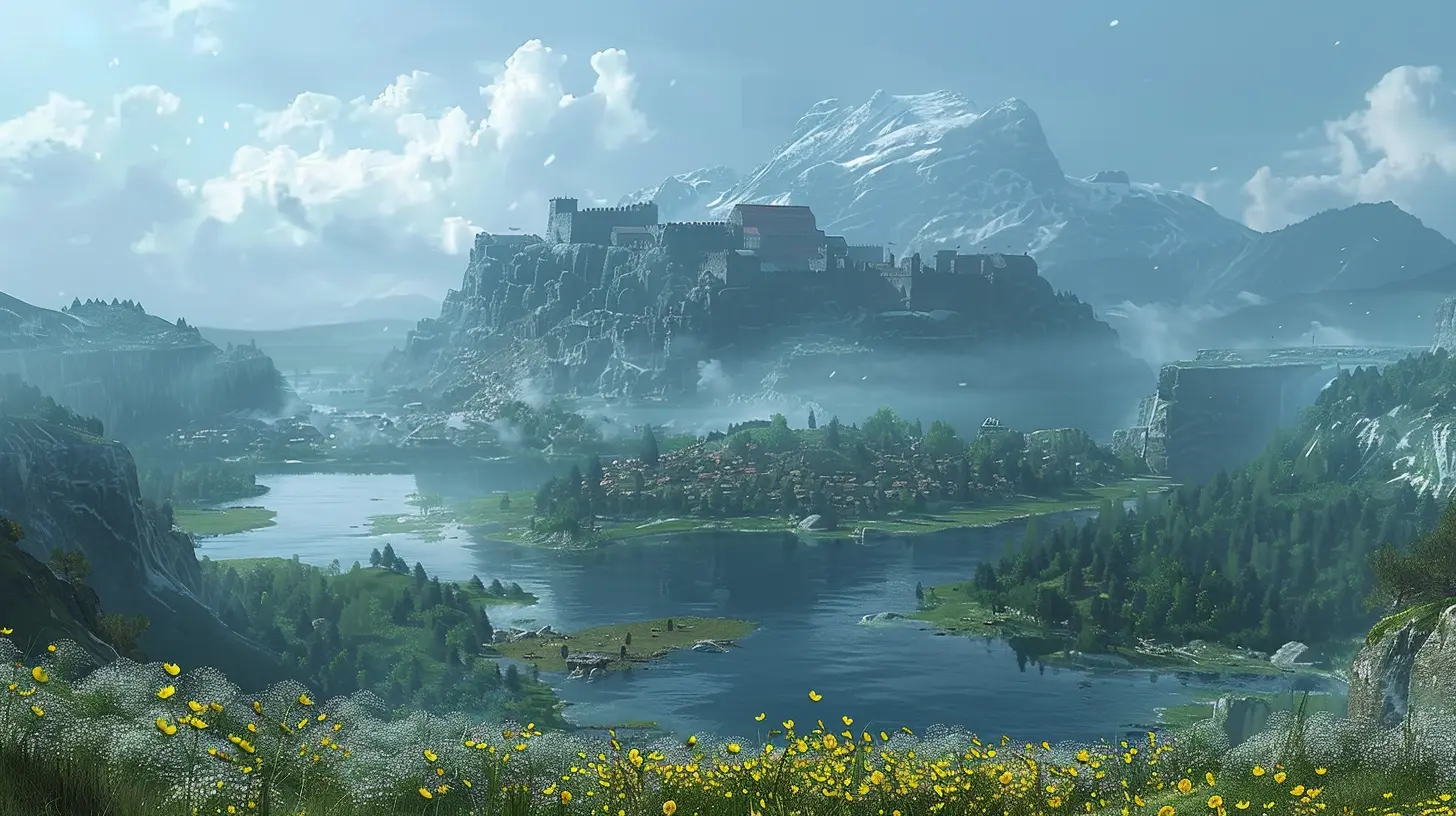
More Than Just A Trend: The Evolution of Gaming Tech
So why now? Why are open worlds exploding in popularity over the last decade? Two words: technology evolved.Today's hardware and game engines are on another level compared to what we had even ten years ago. Whether it’s Unreal Engine or Unity, developers now have the tools to create massive, living, breathing worlds that don’t eat up your load screen every five minutes.
Games like Elden Ring, Horizon Zero Dawn, and The Legend of Zelda: Breath of the Wild show what’s possible when you combine creative vision with cutting-edge tools. And let's not forget about AI—non-player characters (NPCs) are getting smarter, environments more reactive, and weather systems more dynamic.
The bottom line? Open-world development has scaled up thanks to tech that’s finally ready to support it without breaking your console—or your patience.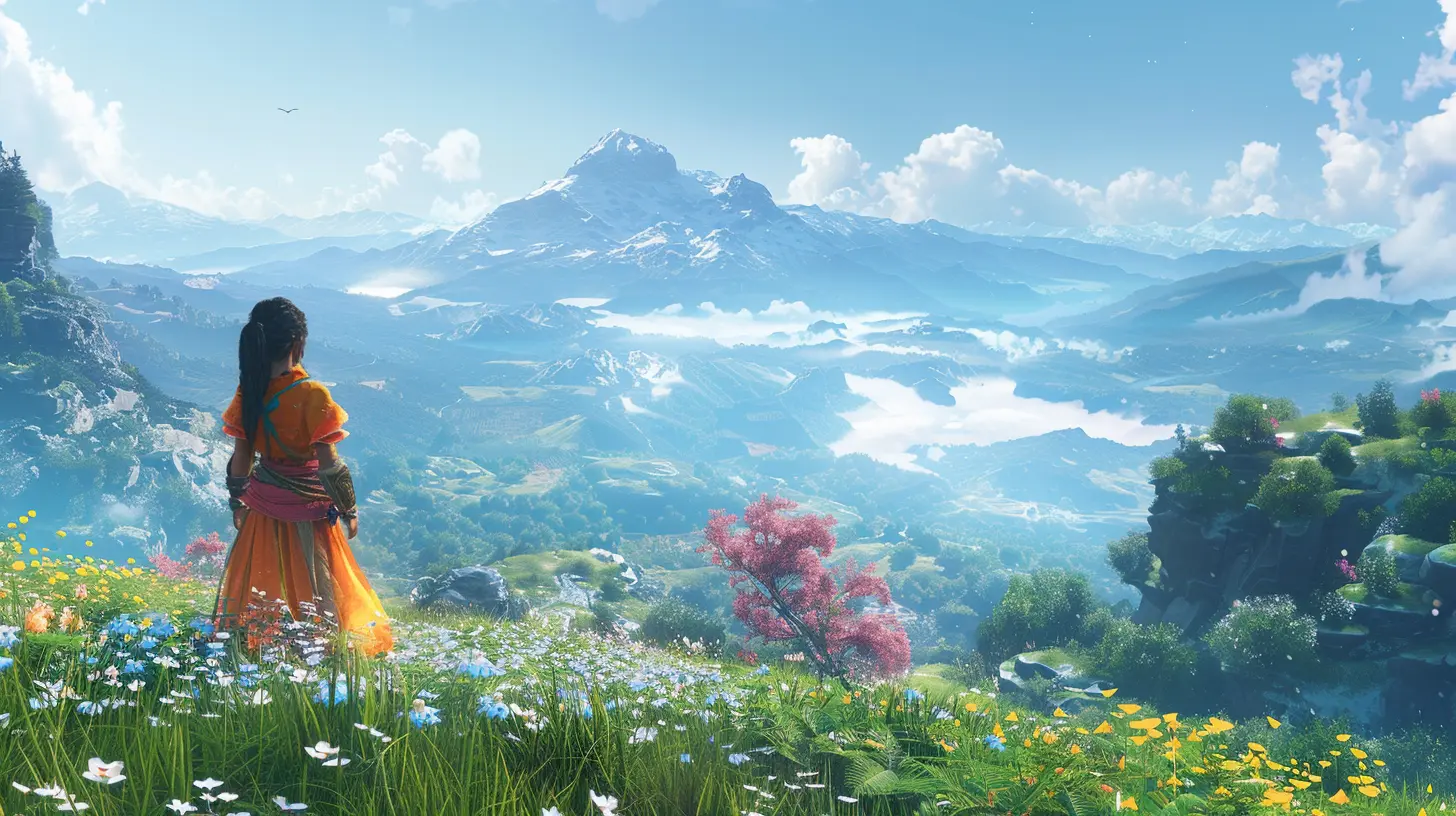
Player Expectations Keep Climbing
Gamers today expect more, and honestly, they should. With so many top-tier titles setting a new bar, it’s natural for players to crave deeper immersion.Open worlds offer an experience that feels personalized. No two players progress the same way, and that unpredictability becomes part of the fun. It’s not just about completing missions; it’s about how you choose to do it. Are you the stealthy sniper type, or do you prefer charging in guns blazing?
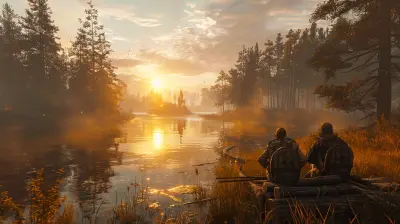
This flexibility means developers can cater to different playstyles in one giant sandbox. You want to fish in a lake while the main story waits? Go for it. Want to ignore the main quest entirely and just explore? You’re free to do that too.
Developers are paying attention to how players engage, and open-world designs allow them to meet and exceed those expectations.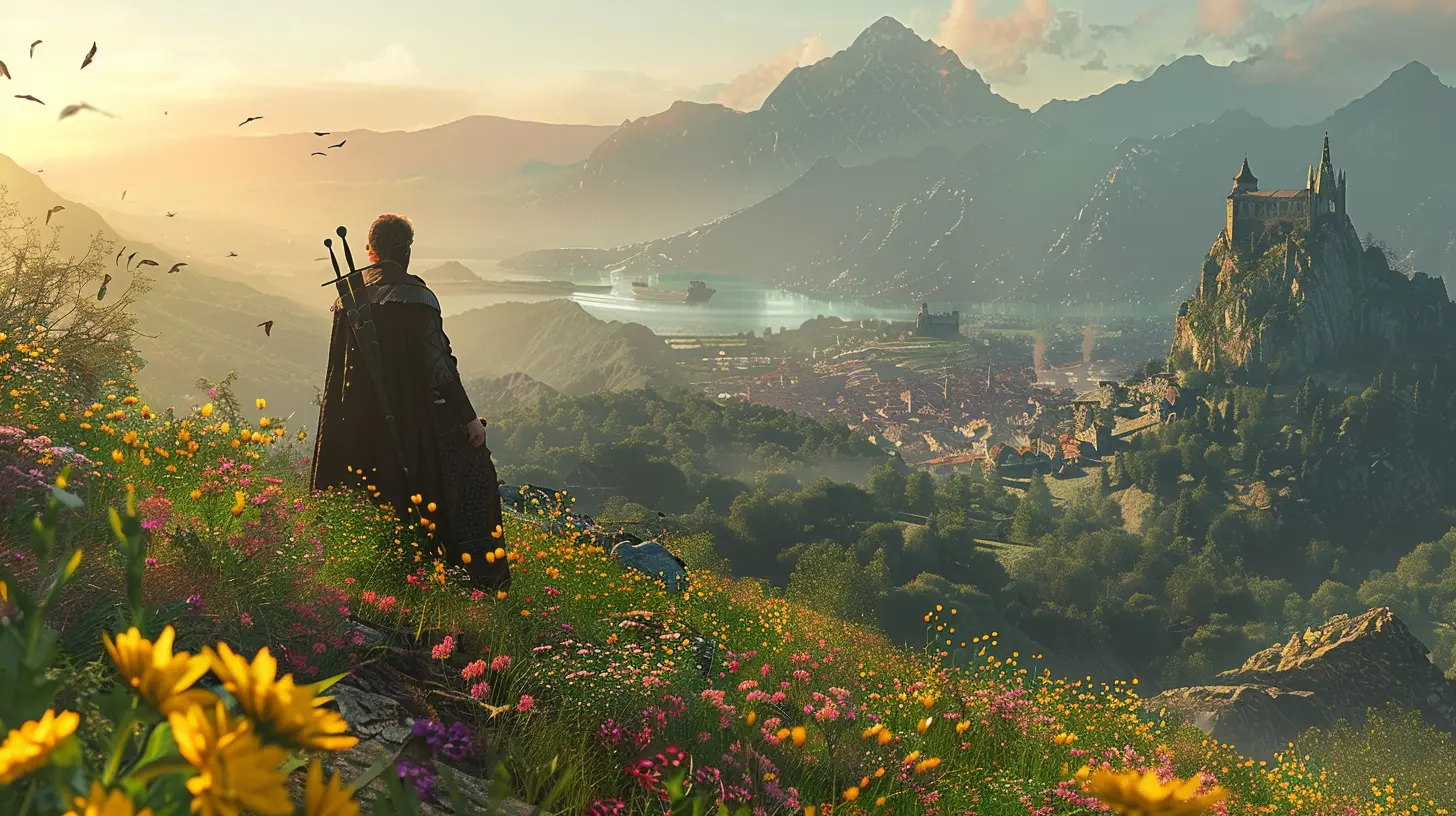
Storytelling With Depth and Dimension
Let’s talk story. In linear games, the narrative is often a straight shoot—point A to point B, maybe branching paths here and there. But in open-world games? Storytelling becomes a web. It’s not just about what happens; it’s about where, when, and even why it happens in a particular place.Side quests flesh out worlds in a way that’s hard to match with linear storytelling. They add flavor, backstory, and context. They’re not just random filler—they're windows into the world’s soul.
Take a game like Red Dead Redemption 2. Yes, there’s a main storyline. But the people you meet, the strangers you help, the events you stumble upon—those tell a story too. They make the world feel alive, interconnected, and real.
Developers know that stories resonate more when players are part of them, not just spectators. Open-worlds allow for that participatory storytelling.
Longevity and Replayability: Bigger Worlds, Bigger Value
From a business standpoint, open worlds just make sense. Why? Because they keep players engaged for longer.When players have an open world to explore, they're less likely to finish the game in one weekend and move on to the next. They’ll come back to finish side quests, explore hidden areas, or experience different outcomes based on the choices they make.
And let's not forget downloadable content (DLC). Open-world games are perfect for expansions. Developers can add new areas, new quests, even new characters without needing to rewrite the whole game. It’s like adding new rides to a theme park—the foundation is already there.
Long engagement means more value for players and more opportunities for developers to release updates, patches, and expansions that keep interest high.
Communities Thrive in Open Worlds
Gaming today isn’t just about playing—it’s about sharing. From Twitch streams to YouTube walkthroughs and Reddit theories, community-driven content is a massive part of the experience.Open-world games provide fertile ground for community interaction. Players love sharing their experiences—discovering secrets, showing off rare gear, or showcasing insane stunts. The more unpredictable the world, the more there is to talk about.
Developers benefit too. Communities often become unofficial QA testers, pointing out bugs, balance issues, and sometimes even suggesting features developers hadn’t considered.
A thriving community around an open-world game can extend its life by years. Just look at Minecraft, Skyrim, or Grand Theft Auto V. These games are old by industry standards but still going strong, thanks largely to their communities.
Opportunities for Procedural Generation and Emergent Gameplay
One cool thing developers are playing with? Procedural generation. Basically, it’s a way to create content on the fly using algorithms. Sounds nerdy, right? But it’s a game-changer.Games like No Man’s Sky and Minecraft use procedural generation to build vast, unique worlds where no two players have the same experience. And developers are getting better at blending AI with handcrafted content to make open worlds that feel both unique and intentional.
Then there’s emergent gameplay. These are those “holy crap, did that just happen?” moments caused by the game systems interacting in unexpected ways.
Like when a wild animal interferes with a firefight, or a chain reaction of events leads to something totally unpredictable. Open worlds allow these organic moments to shine—and players love them because they feel personal and unrepeatable.
Indie Developers Are Getting In On The Action, Too!
Here’s the kicker—it’s not just AAA studios crafting these massive worlds anymore. Thanks to accessible engines, tutorials, and digital distribution platforms, even indie developers can now build impressive open-world games.Titles like Valheim, Terraria, and The Forest prove that you don’t need a multi-million-dollar budget to craft a captivating sandbox. These games might not be photorealistic, but they have heart, creativity, and gameplay that hooks you from the start.
This democratization of game development means we’re seeing more variety in open-world games—more risks taken, more experimental mechanics, and more diverse stories told from different cultural and personal perspectives.
Faster Internet & The Rise of Live Services
Let’s not forget how online infrastructure plays a role here. Faster internet speeds and better servers allow developers to create persistent open worlds that evolve over time.Games like Destiny 2, Fortnite, and Genshin Impact combine open-world exploration with live services, releasing regular updates, features, and events that enhance the core experience.
Open worlds are no longer static—they’re living entities that grow, shift, and react to player input. This sense of being part of something bigger keeps players invested for the long haul.
The Bottom Line: Open Worlds Offer Limitless Potential
In the end, open-world games aren’t just popular because they’re big. They’re popular because they offer something deeply personal—a chance to write your own story in a digital playground where virtually anything can happen.As tools continue to improve and creative boundaries get pushed, we’re going to see even more ambitious open-world games from studios of all sizes. Whether you're a veteran gamer or new to the scene, there's never been a better time to step into a world that’s yours to shape, explore, and conquer.
So next time you boot up a game and find yourself staring out over a massive, untamed landscape—take a moment to appreciate the craft behind it. Open worlds aren’t just a feature anymore. They’re the canvas for the future of gaming.
all images in this post were generated using AI tools
Category:
Game TrendsAuthor:

Tina Fisher
Discussion
rate this article
2 comments
Courtney Nguyen
Open worlds: where lost socks and side quests roam free! Developers are tossing aside linear paths like yesterday's pizza, inviting us to explore realms of chaos, creativity, and the occasional wandering llama. Let the adventures begin!
January 31, 2026 at 4:48 PM
Tina Fisher
Absolutely! Open worlds unleash creativity and exploration, allowing players to enjoy unique adventures and unexpected encounters. Here’s to more wandering llamas!
Malia Castillo
Great insights! Open worlds really do enhance player engagement and creativity. It's exciting to see developers embracing this trend—can’t wait to explore even more expansive game worlds!
January 22, 2026 at 4:20 AM
Tina Fisher
Thank you! I'm glad you enjoyed the article. Open world design truly offers players a unique way to engage and unleash their creativity. Exciting times ahead!