Why Competitive Shooters Continue to Dominate the Charts
22 June 2026
When it comes to video games that top the charts year after year, there's one genre that refuses to be knocked off its throne—competitive shooters. Whether it’s the high-octane chaos of Call of Duty, the strategic brilliance of Valorant, the team synergy in Overwatch, or the constantly evolving playground of Fortnite, competitive shooters are always locked and loaded at the top.
But have you ever stopped to wonder why these games keep pulling in massive audiences, selling millions of copies, and racking up billions in microtransactions? Why do we keep going back to the same core mechanics of aiming, shooting, and winning round after round?
Let’s dive into what makes competitive shooters so magnetic, why they dominate the charts with no signs of slowing down, and how they’ve carved out a legacy that’s almost impossible to replicate.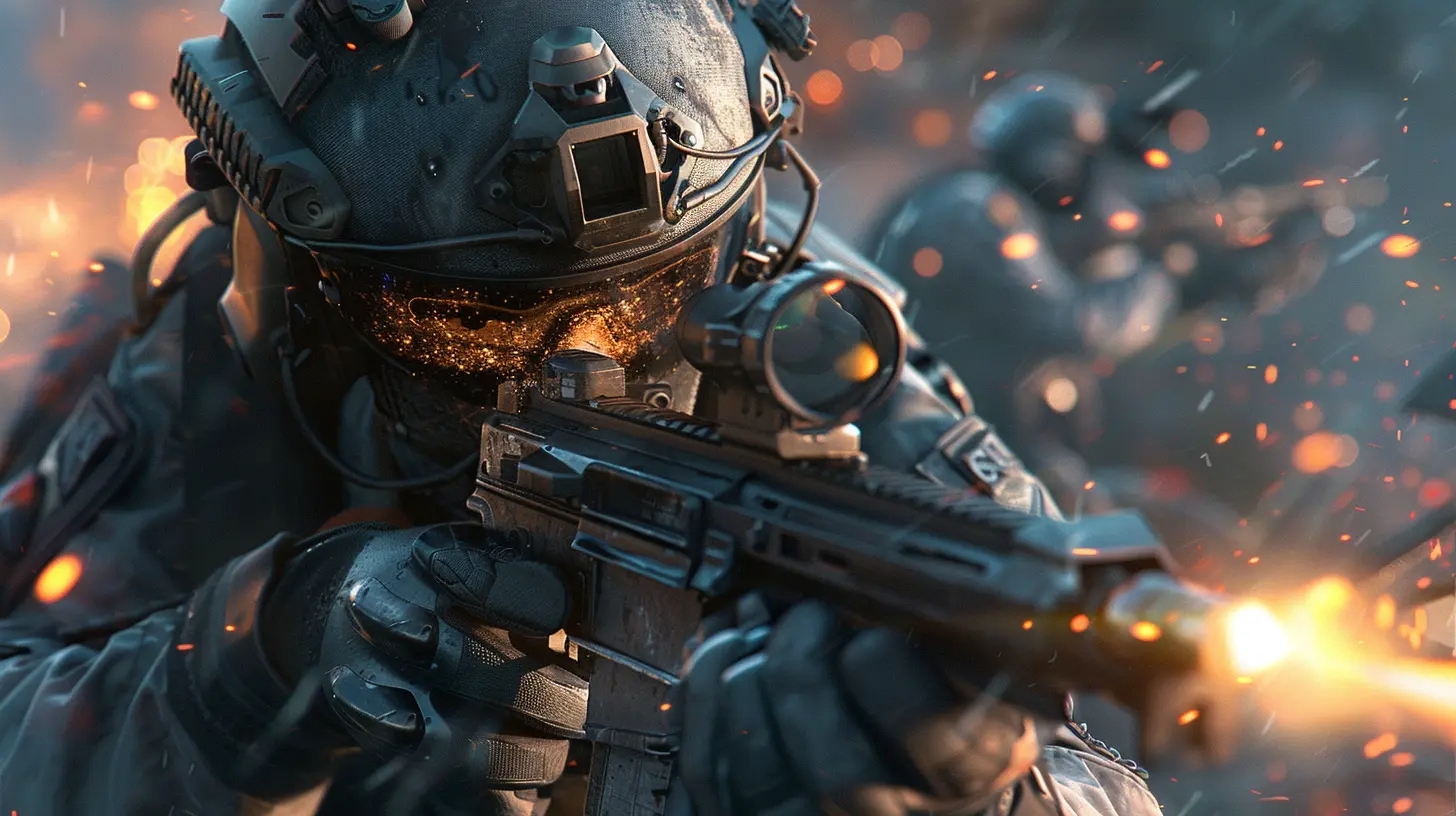
The Thrill of the Competition
Let’s be real: we love winning. There's something indescribably satisfying about outsmarting, outgunning, and outplaying your opponents in real time. Competitive shooters thrive on this primal urge to compete. It's like digital gladiator combat—fast-paced, skill-driven, and brutally honest.Unlike other genres where you can cruise on storylines or button-mash your way through, shooters reward precision, timing, and strategy. The better you get, the more rewarding the experience becomes. And when you pull off that clutch headshot with milliseconds to spare? That’s the kind of adrenaline rush that’s hard to top.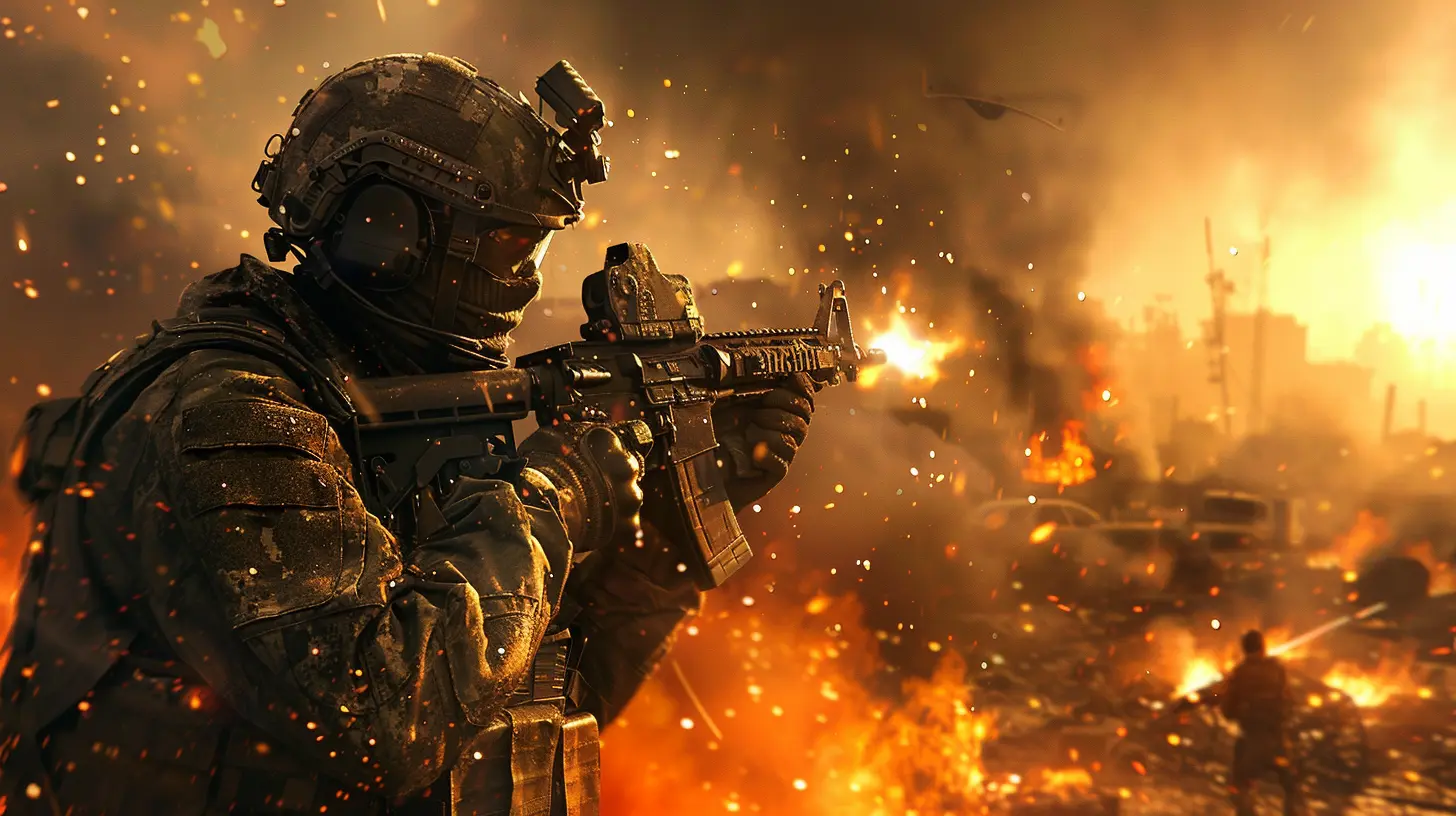
A Genre Built for E-Sports Glory
Let’s not overlook the e-sports explosion. Competitive shooters have harnessed the power of pro gaming like no other genre. Think about how massive CS:GO, Valorant, and Rainbow Six Siege tournaments have become. These games are built with tight mechanics, balanced gameplay, and high skill ceilings that make them perfect for spectators and players alike.The e-sports scene brings that extra sparkle—huge prize pools, international fame, and insane plays that go viral overnight. Watching pros dominate is not only entertaining, but it also inspires players to sharpen their own skills. It’s a feedback loop of hype and aspiration.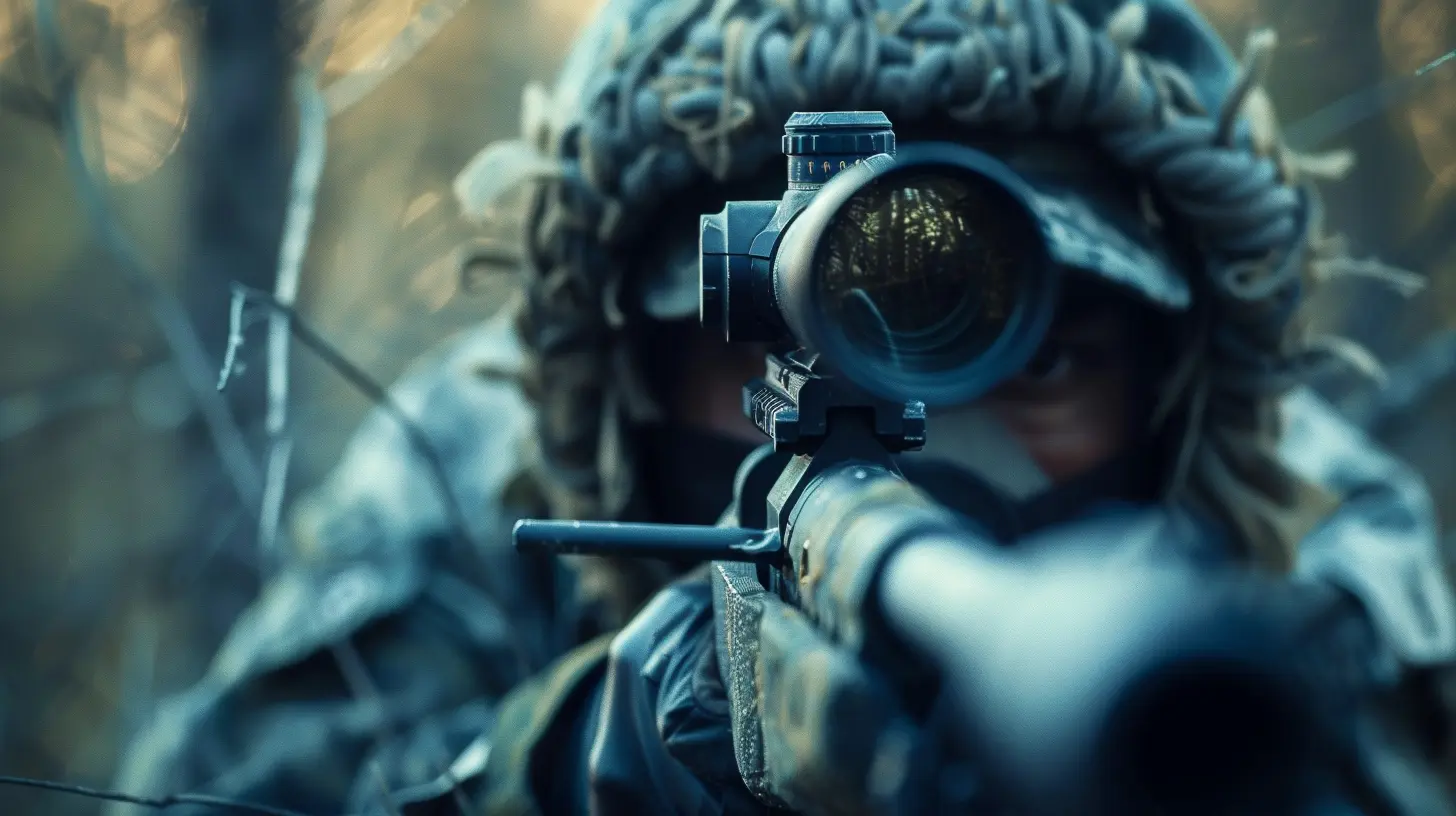
Constant Evolution & Live Service Models
One major reason competitive shooters stay relevant? They're always changing. Game devs today don’t just launch a title and forget it. They nurture it like a digital bonsai tree—pruning, updating, rebalancing, and growing the experience over time.From new maps and weapons to seasonal events and ranked ladders, these games never sit still. You log in expecting something fresh. Even if the core game stays the same, the experience evolves constantly. Fortnite literally changed the game by introducing live events that reshape the map or tweak the mechanics in real time.
And let’s not forget battle passes, limited-time modes, and cross-platform play. These features make the game feel alive, organic, and built to keep you coming back.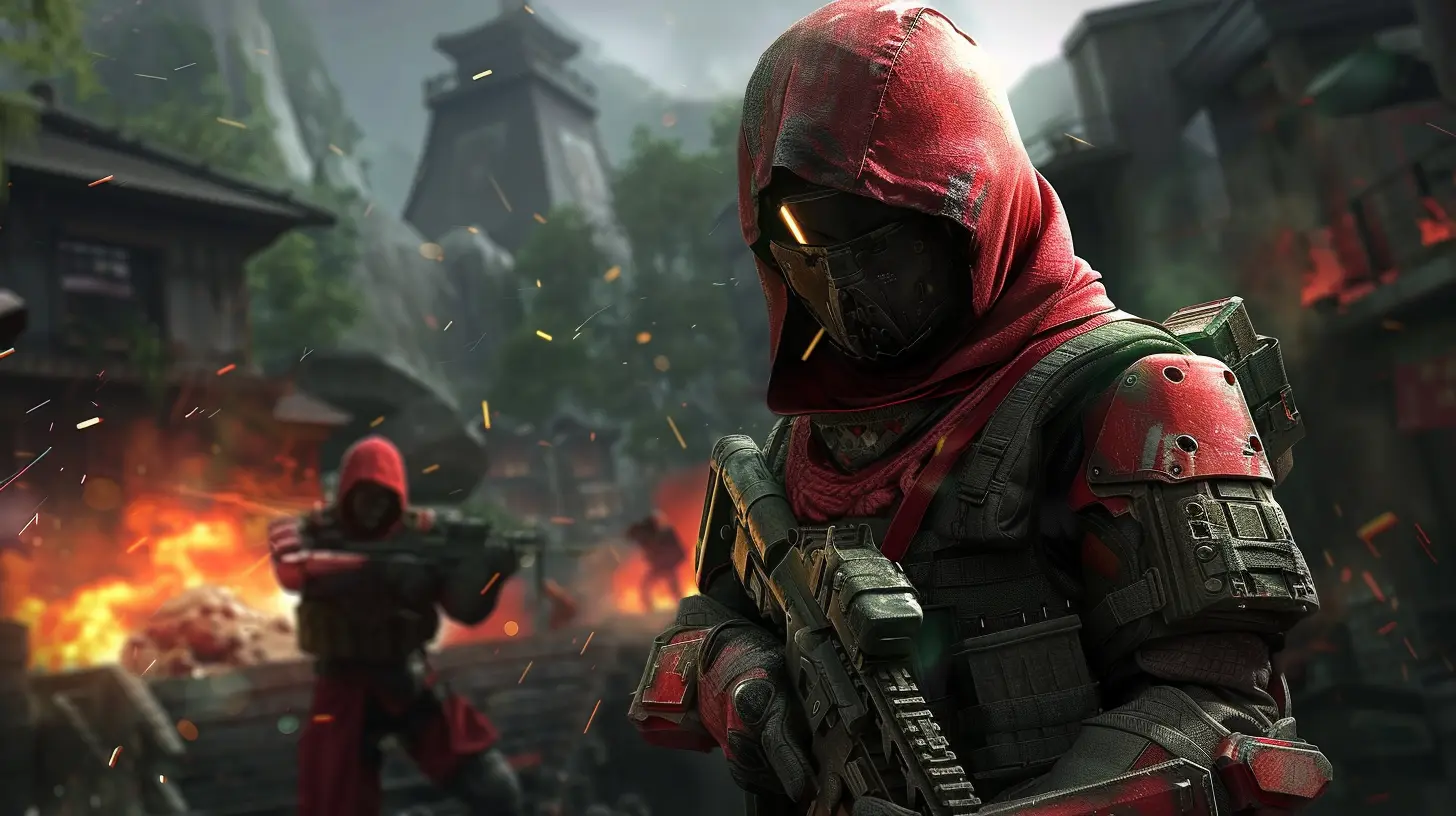
Accessibility with Depth
One of the biggest reasons competitive shooters attract gargantuan player bases? They’re easy to pick up but nearly impossible to master.Take Apex Legends, for example. You can jump into the action within minutes, get a few kills, and feel like a legend—even if you’re just starting out. But the longer you play, the more layers you uncover. Movement mechanics, weapon recoil patterns, ability combos, team synergy—it’s like peeling back layers of an onion (a very intense onion).
This blend of accessibility and depth keeps both casuals and hardcore fans engaged. Everyone gets something to chase, whether it’s finally making it to Platinum rank or just getting their first epic victory.
Community & Social Play
Gaming is rarely a solo experience these days—and competitive shooters know it. These games aren’t just about shooting baddies; they’re about bonding with your squad, cracking jokes on voice chat, and lifting each other up after a crushing defeat.The best competitive shooters emphasize team play. You rely on each other. You win together, you lose together, and through it all, you build connections. That community pull is strong—it’s what turns a game into a lifestyle.
And let’s be honest, some of the most viral gaming moments are born in these settings. Epic comebacks, hilarious fails, and clutch plays that leave your whole team yelling in disbelief—these are the memories that stick.
Cross-Platform & Free-to-Play Power Moves
Want to know why games like Fortnite, Warzone, and Apex Legends took off like rockets? Two words: free and cross-play.Making these games free-to-play breaks down the barrier of entry. You don’t need to drop 60 bucks—you just download and jump in. Combine that with cross-play, and suddenly, it doesn’t matter if you’re on Xbox, PlayStation, or PC. Everyone can play together.
This inclusivity massively increases the player base, which in turn means faster matchmaking, bigger communities, and more vibrant competitive scenes. It's a win-win all around.
Streaming & Content Creation Ecosystem
Twitch, YouTube, TikTok—these platforms have become essential in the gaming ecosystem. And guess what games tend to dominate these platforms? Yup, competitive shooters.Why? Because they’re incredibly watchable. There’s always action, the stakes are high, and the narratives practically write themselves. One streamer’s wild aim or insane strategy can get clipped, memed, and shared across social media within minutes.
Game developers know this. In fact, many design their games with content creators in mind. Spectator modes, replay systems, customizable HUDs—they all help turn gameplay into compelling content. And as a result, the games stay relevant far longer than their single-player counterparts.
Roots in Gaming History
Competitive shooters have a legacy that runs deep. From Doom and Quake to Counter-Strike and Halo, this genre practically raised multiple generations of gamers. There’s nostalgia here—muscle memory built over decades.But it’s more than just fond memories. The mechanics laid down by these early shooters were rock-solid. They created the foundation for everything we have today. And because they work so well, developers continue to build on them—layering in new mechanics, aesthetics, and tech.
It’s like a classic recipe passed down through generations. Sure, the ingredients might change a bit, but the core flavor never goes out of style.
Player Empowerment & Growth
There’s a unique sense of ownership you get from competitive shooters. Your rank, your KD ratio, your win streak—those numbers aren’t tied to some fictional stat sheet. They’re yours. You earned them through effort, skill, and practice.This progression keeps players hooked. You’re not just leveling up an avatar; you’re growing as a gamer. Whether you’re climbing the ranks in Valorant or finally landing consistent snipes in Call of Duty, every match pushes you just a little further.
It’s basically self-improvement in pixel form.
A Canvas for Creativity
Sure, competitive shooters are all about precision and intensity—but they also allow room for creativity. Building a bizarre structure in Fortnite mid-fight? That’s creativity. Flanking the enemy in a way they never saw coming in Rainbow Six Siege? That’s creative strategy.Even cosmetic customization lets you express your personality. Want to rock a ridiculous banana skin while dominating in Warzone? Go for it. These games let you balance serious gameplay with a side of fun, and honestly, that’s a big deal.
A Genre That Understands the Times
Finally, competitive shooters are always in sync with gaming trends. Whether it’s adapting to mobile platforms, incorporating battle royale elements, or integrating AI coaches and replay analysis, this genre evolves with the times.Developers listen. They stay engaged with their communities on Reddit, Discord, and Twitter. And when a trend starts picking up steam, you're almost guaranteed to see it pop up in your favorite shooter shortly after.
The bottom line? Competitive shooters understand their audience. They move fast, they adapt, and they deliver experiences that players crave—again and again.
Final Thoughts: The Reign Isn’t Over
So, why do competitive shooters continue to dominate the charts?Because they hit every note that modern gamers care about: intense action, community engagement, constant updates, skill growth, and endless replayability. They’re games you can sink 20 minutes or 200 hours into and still find something new to chase.
They’re not just games—they’re arenas, proving grounds, social hubs, and creative outlets all rolled into one. And as long as we crave competition, connection, and that sweet, sweet victory screen, competitive shooters will keep leading the charge.
Ready up—this genre isn’t going anywhere.
all images in this post were generated using AI tools
Category:
Game TrendsAuthor:

Tina Fisher
Discussion
rate this article
1 comments
Holly McAdoo
Competitive shooters offer engaging gameplay and intense player interaction.
June 26, 2026 at 5:04 AM