How Virtual Reality Is Enhancing Learning Through Gamification
19 May 2026
Let’s be real—no one ever got excited by a dusty workbook or a lecture that drones on. But throw in a VR headset, a game controller, and a virtual realm where you’re slaying dragons and solving math problems? Now we're talking!
Welcome to the awesome intersection of Virtual Reality (VR) and gamification in education. This isn’t some far-off, futuristic dream—this is happening right now, and the results are blowing minds (and upgrading brainpower).
So buckle up and get comfy because we’re about to take a deep dive into how VR is flipping the traditional learning experience on its head. And trust me, it’s way cooler than your fifth-grade science class.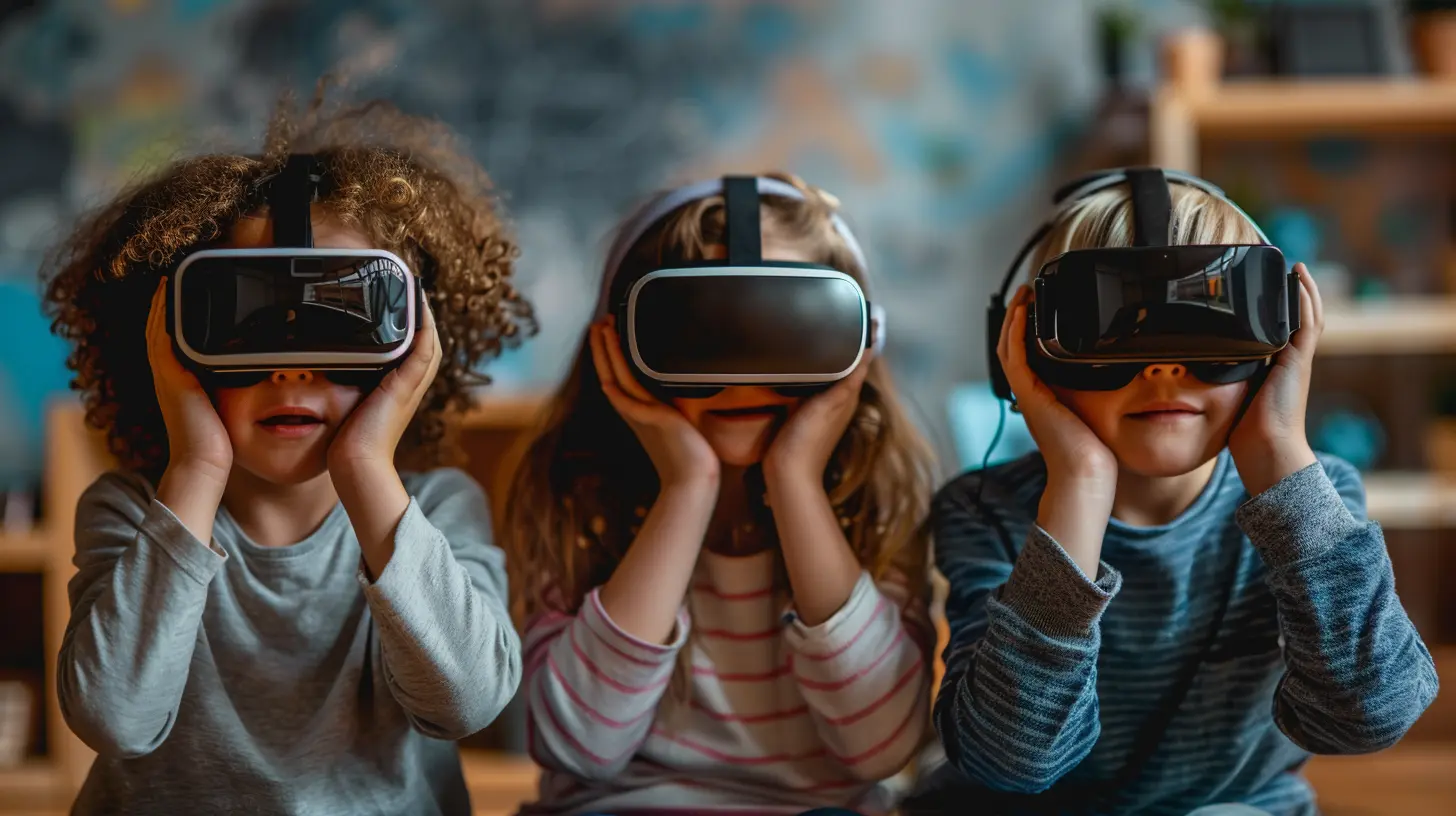
? What Is Virtual Reality, Anyway?
Before we get lost in the matrix, let’s clear up what VR actually is. Virtual Reality is a simulated environment that offers users an immersive experience. Think of it like stepping into a video game where you’re not just clicking buttons—you’re inside the world. You can look around, interact with objects, and sometimes forget you’re still in your living room.It’s not just for gamers anymore. VR has made its way into healthcare, architecture, real estate, and yes—education.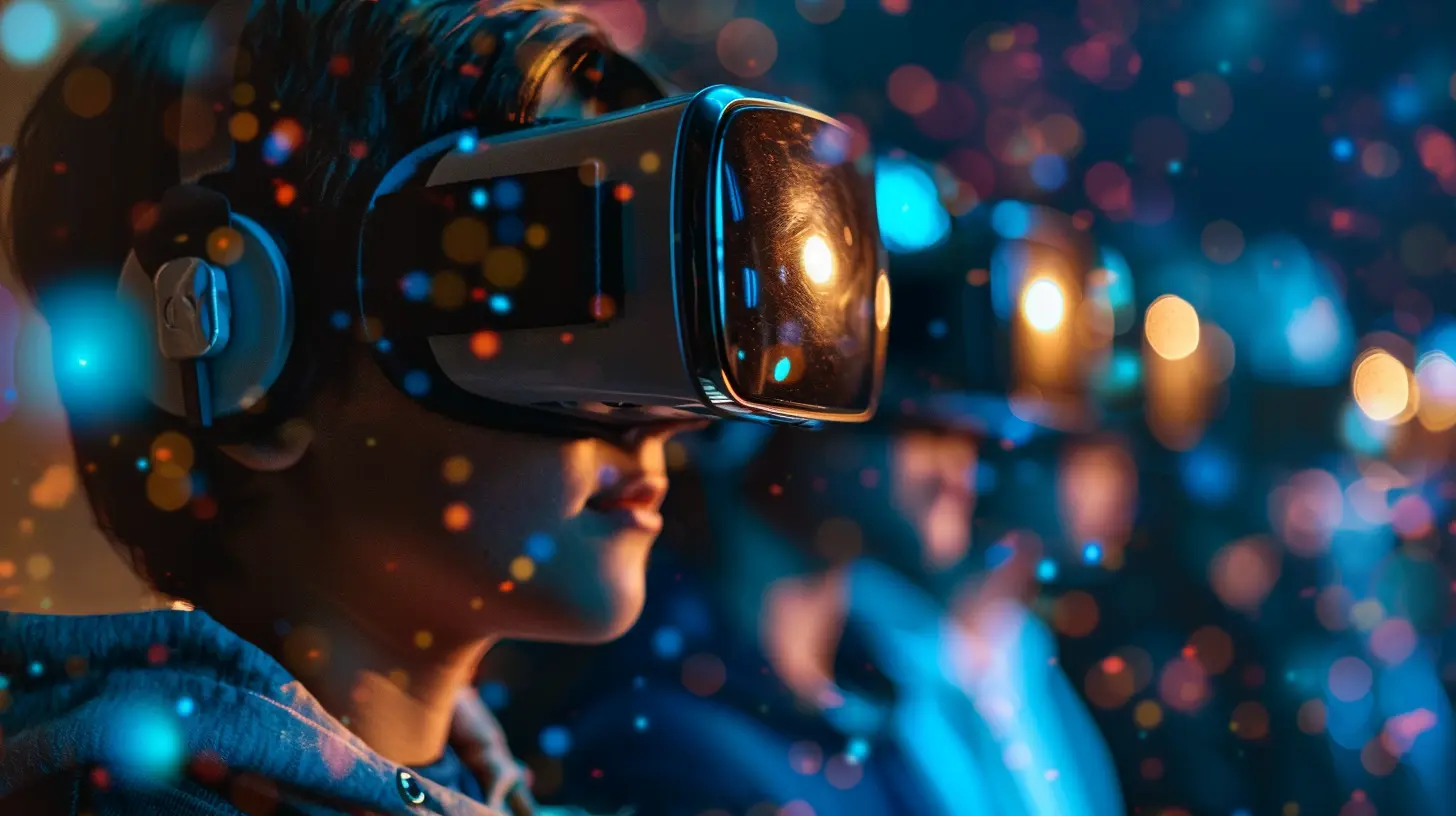
? Gamification: Learning, But Make It Fun
Gamification is the magic sauce that turns boring old tasks into exciting, interactive challenges. It’s about using game elements—like points, levels, badges, and yes, even leaderboards—to motivate people to learn and engage.Now imagine combining that with Virtual Reality. You get an education experience that’s not just more effective, but unforgettable.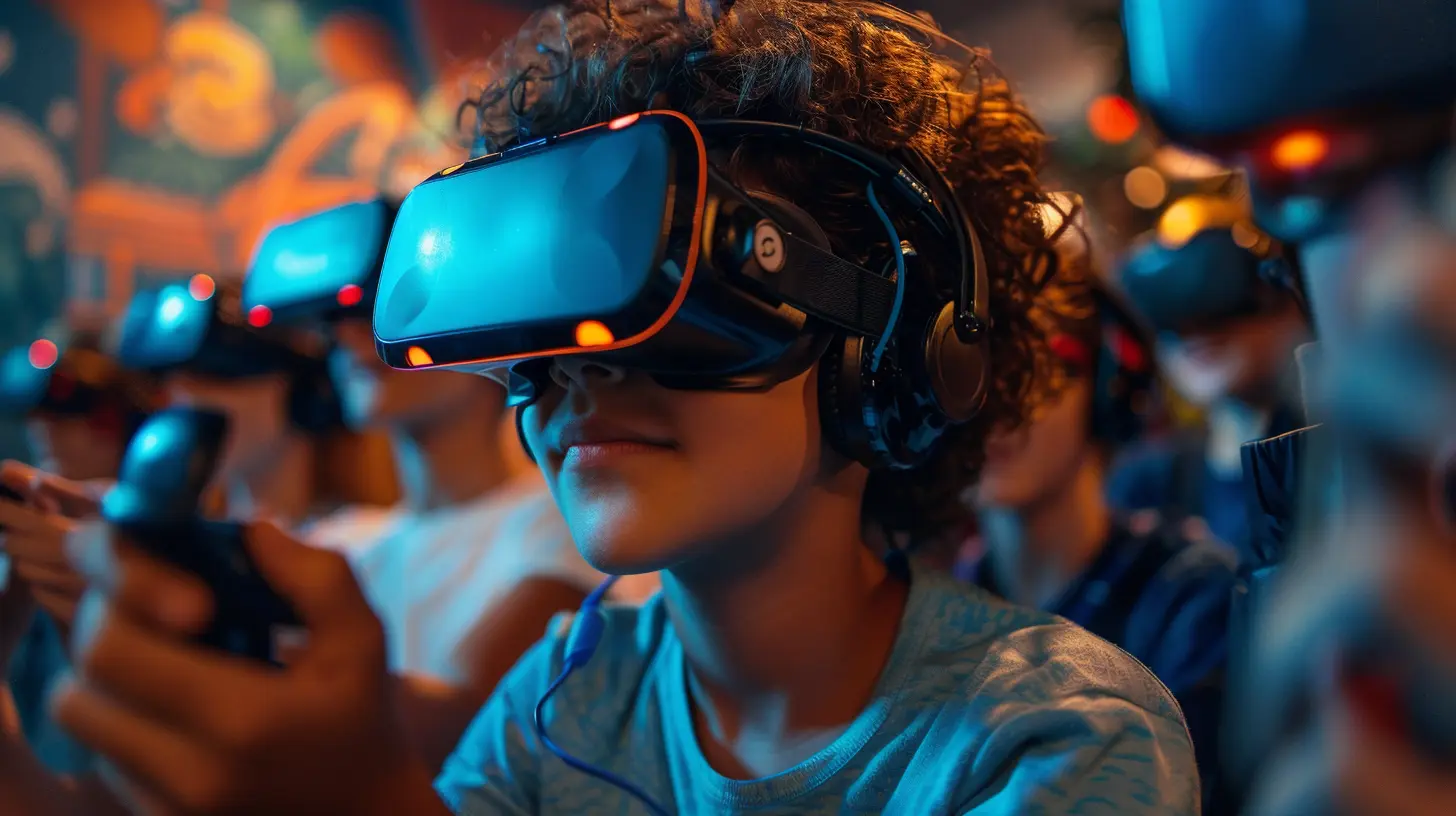
? Why Our Brains Love It
So, why does gamified VR learning work so well? It all comes down to how our brains tick.When we’re challenged in a game-like way, our brains light up. Dopamine starts flowing, and we become more engaged. VR amplifies this by making the environment multi-sensory. You’re not just reading about ancient Egypt—you’re walking through the pyramids, deciphering hieroglyphics, and maybe even dodging a mummy or two.
That’s next-level learning.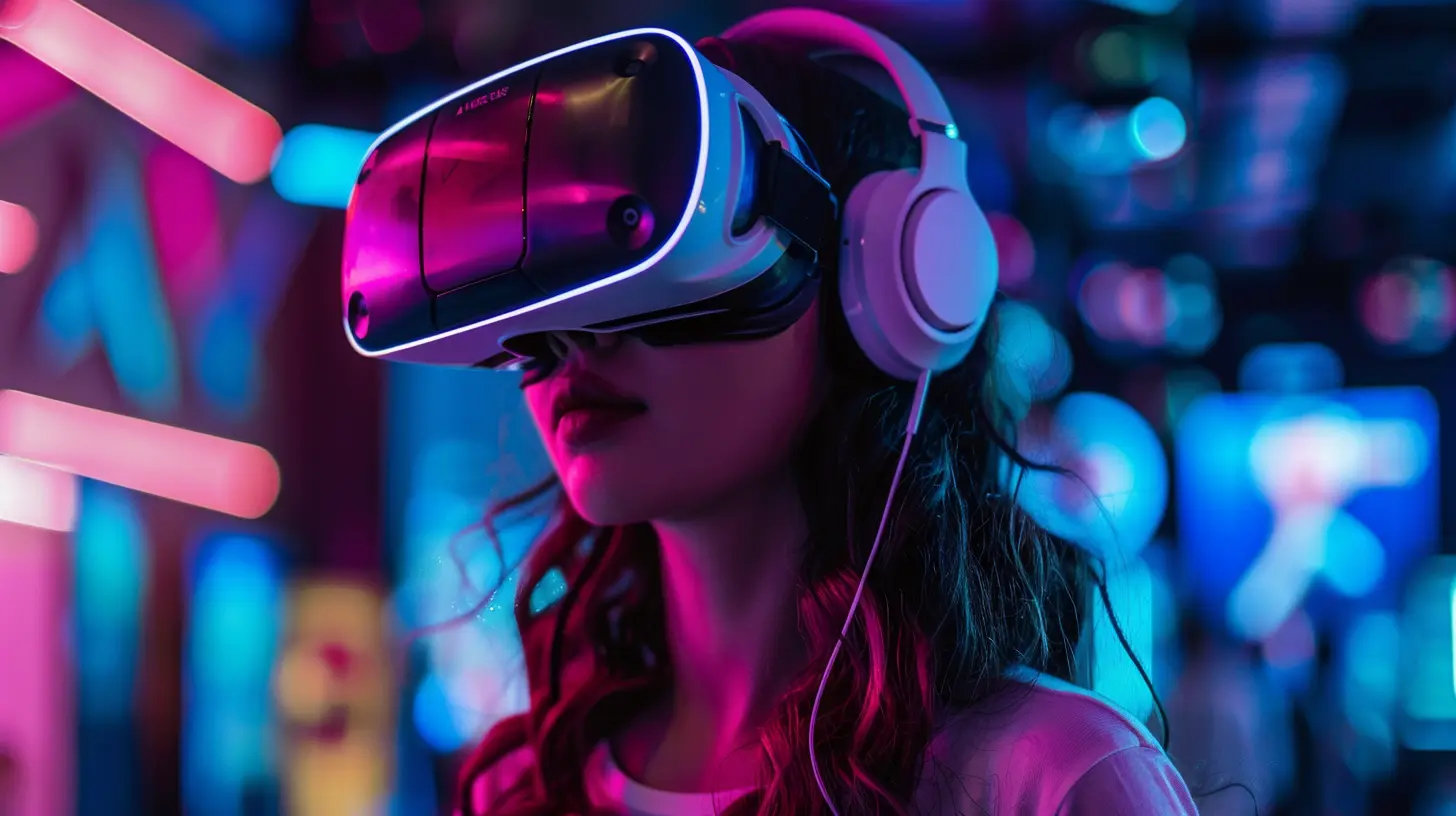
? From Classrooms to Headsets: The Shift Is Real
Let’s talk real-world examples. Schools and universities are already hopping on this trend.- Medical training: Students can now perform virtual surgeries, making mistakes without the life-or-death consequences.
- History classes: Travel through time to witness the signing of the Declaration of Independence.
- Language immersion: Practice Spanish in a virtual Mexican marketplace—taco stand and all.
Even younger kids are benefiting. Instead of memorizing multiplication tables, they’re playing math-based adventure games where solving equations means unlocking the next level.
? The Science Behind the Screen
Okay, let’s geek out for a moment.Studies show that VR-based learning boosts retention rates and improves student motivation. According to a study by PwC, learners in VR were four times faster to train than in a traditional classroom.
Why? Because immersion improves focus. When you’re completely “in” the environment, distractions fade away. You’re no longer passively absorbing info; you’re living it.
You remember what you experience.
? Breaking Down Barriers
One of the coolest things about VR in education is how it levels the playing field.Got test anxiety? A virtual environment can ease that tension by making tests feel like games.
Have a learning disability? Customizable VR experiences can cater to your pace and style.
Live in a rural area far from good schools? With just a headset and Wi-Fi, you could be transported to a virtual Ivy League lecture hall.
It’s equal parts empowering and wildly futuristic.
?️ The Rise of EdTech Startups
The gaming-meets-education niche is booming. Startups like Labster, ENGAGE, and VictoryXR are pioneering VR learning tools that blend gamification with academic rigor.Labster, for example, lets you run virtual chemistry labs without the risk of blowing anything up. (Let’s be honest—real labs are fun, but they also smell like regret and formaldehyde.)
These platforms are designing worlds where failing isn’t punishment—it’s part of the learning process. You experiment, adapt, retry. That resilience? That’s gold.
? Building Skills Beyond The Books
VR gamification isn’t just about acing history or algebra. It’s crafting a learner’s toolkit for the real world.Think problem-solving, critical thinking, teamwork, emotional intelligence. Imagine a VR game where you manage a simulated crisis—like responding to a natural disaster or navigating a business challenge.
You're not just learning facts. You’re learning how to think. That’s the kind of education that sticks.
? Social Learning in a Virtual World
Wait—can you actually collaborate in VR? Oh, absolutely.Multiplayer VR learning environments are a thing now. You can meet classmates (as avatars, of course), brainstorm in virtual rooms, and complete tasks together—just like in real life, but without the awkward small talk or forgotten deodorant.
Gamification adds a layer of friendly competition. Who can reach the top of the leaderboard? Who solved the mystery fastest? Who cracked the code first?
It’s fun, it’s social, and it keeps everyone on their toes.
? Customization Is Key
VR games can be tailored to different learning styles.- Visual learners? You’re surrounded by 3D animations.
- Auditory learners? Narration and guided instruction can help.
- Kinesthetic learners? Everything's hands-on (well, virtually speaking).
Educators can even adjust difficulty levels, track progress, and provide instant feedback—all inside the virtual space.
Talk about adaptable.
? Are There Any Downsides?
Alright, it’s not all rainbows and high scores. Let’s be real.Not every school can afford high-end VR equipment. There’s also the challenge of content development—not every subject has killer VR material yet.
Then there’s the physical side. Extended VR use might cause eye strain or motion sickness in some users. But hey, so did reading in the dark as a kid, and we turned out (mostly) fine.
Like any tool, it’s all about balance and responsible use.
? What’s Next? A Peek Into The Future
We’re still early in the game (pun fully intended), but the potential is off the charts. Imagine AI-driven virtual tutors, real-time emotion tracking to adjust lessons on-the-fly, or gamified assessments that evaluate not just memorization, but creativity and reasoning.Or maybe we’ll see full-blown VR schools—no desks, no hallways, just endless learning universes limited only by imagination.
The tech is evolving fast. The question isn’t “Will this become mainstream?”—it’s “How soon?”
? Final Thoughts: The Game Has Changed
Let’s wrap this up.Virtual Reality isn’t just a cool gadget or a passing trend—it’s reshaping how we approach education. Gamification takes the engagement to the next level, turning passive learning into active exploration.
More than just bells and whistles, this combo actually works. It taps into how we naturally learn: through play, experience, interaction.
So whether you’re a student, educator, or just a curious tech nerd, keep your eyes (and VR headsets) open.
Because when it comes to learning, the game is officially on.
all images in this post were generated using AI tools
Category:
Vr TechnologyAuthor:

Tina Fisher
Discussion
rate this article
2 comments
Jessamine McGivern
VR makes learning a blast! Who knew leveling up could happen in the classroom too? Game on!
July 3, 2026 at 2:42 PM
Lucy McIntyre
Virtual reality in education is like giving a textbook a jetpack-suddenly, learning takes off! Imagine slaying dragons to master math or exploring ancient ruins to grasp history. It's a wild playground where knowledge meets adventure. Who knew studying could feel like leveling up in your favorite game? Game on, knowledge seekers!
May 23, 2026 at 3:13 AM
Tina Fisher
Thanks for the awesome analogy! Virtual reality really does transform learning into an epic adventure, making education engaging and fun. Game on, indeed!