Why Asymmetrical Multiplayer Is Gaining Popularity
12 July 2026
Let’s face it—multiplayer gaming has changed a lot over the years. Gone are the days of simple team deathmatches and symmetrical capture-the-flag setups. Today, a unique beast is crawling out of the shadows and creeping into the hearts of gamers: asymmetrical multiplayer.
But why now? Why are players everywhere getting hooked on this uneven, often chaotic, but undeniably thrilling style of play?
Strap in, because we’re diving deep into the growing craze behind asymmetrical multiplayer games. By the end of this, you might just find yourself craving the unpredictable.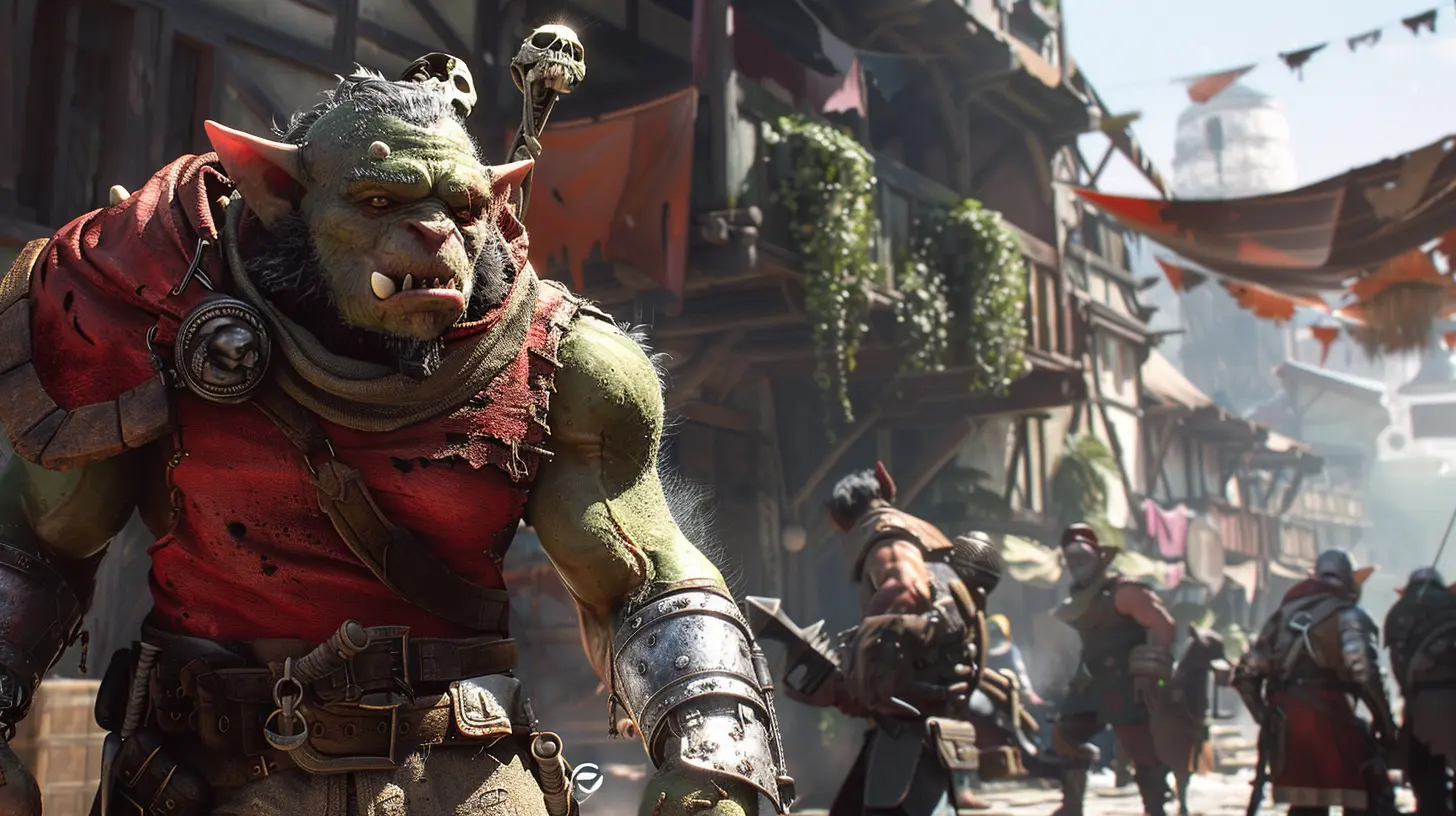
What Even Is Asymmetrical Multiplayer?
Okay, before we go full geek-mode, let’s break it down.Asymmetrical multiplayer refers to games where players don’t all play the same role, don’t have the same abilities, and usually aren’t trying to complete the same objectives. One team (or individual) could be the hunter, and the rest are the hunted. It's like multiplayer hide-and-seek… with superpowers and bloodlust.
Think of games like Dead by Daylight, Friday the 13th, Evolve, or Among Us. These games throw the cookie-cutter balance out the window, and that's exactly what makes them so exhilarating.
The Thrill of the Unknown
One of the biggest reasons we’re seeing more players gravitate toward asymmetrical setups is quite simple: unpredictability.You never know exactly what’s going to happen.
Will the killer catch you two minutes in? Will your teammates betray you (lookin’ at you, Among Us)? Will the villain underestimate your hiding spot right behind the haystack?
That constant sense of tension and surprise keeps your brain buzzing. It’s not just about shooting the enemy across the map—it’s a cerebral dance of survival, deception, and strategy.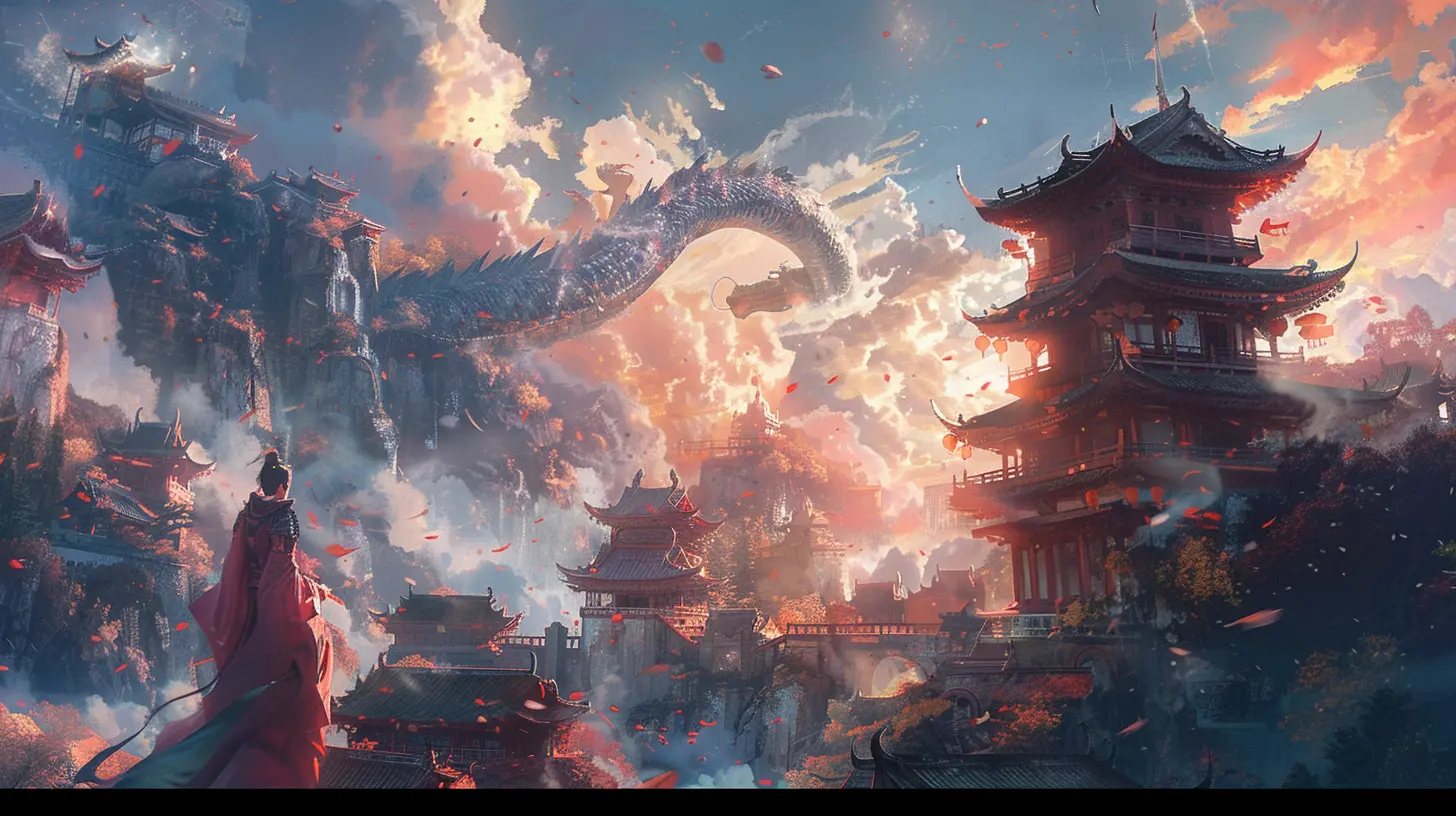
Not Just About Winning—It’s About Storytelling
Here’s something most people overlook: asymmetrical games are story factories.Each match isn’t just another round—it’s a mini-drama. A horror movie, a heist, a survival thriller… and you’re one of the main characters. You’ll have stories to tell afterward, like:
> "Dude, I was the last survivor, hiding behind a tree while the killer walked RIGHT past me."
These games are memorable. And in a world overflowing with content, standing out like that? Big win.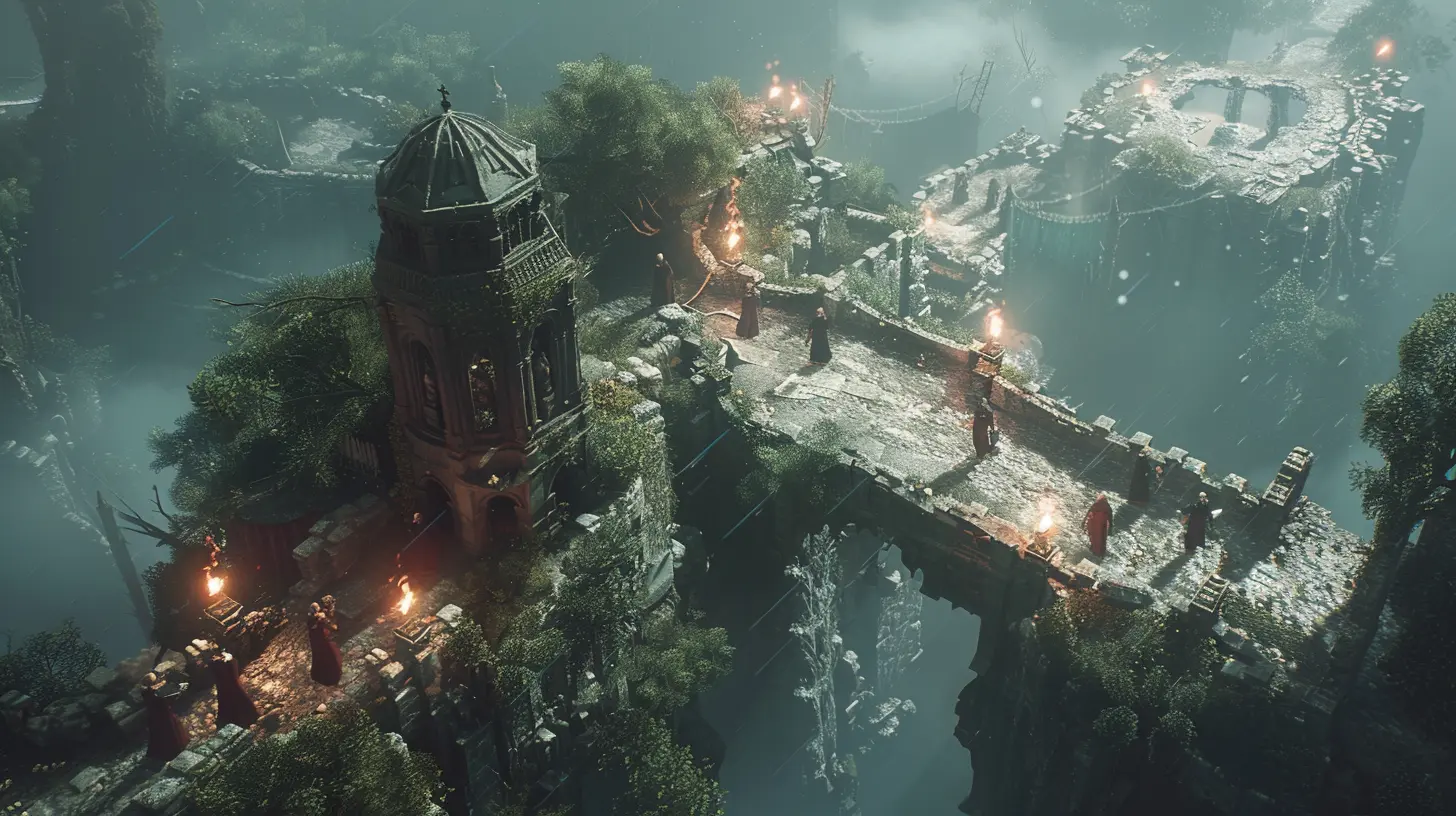
Variety Keeps It Fresh
Let’s be honest. Even the most polished shooter can start to feel repetitive when every match plays the same. But that doesn’t fly in asymmetrical play.Here’s why:
- You can switch roles (be the villain or the prey)
- The map layout may favor one side over the other
- The person controlling the monster or traitor plays it their way
So one match you could be screaming and running for your life, and the next, you’re the one making others scream.
Each round shifts the vibe. That alone keeps players coming back.
Streamers and Viewers Eat This Stuff Up
Ever notice how many streamers are getting into asymmetrical games?That’s not just coincidence. These games are made for an audience. Think about it:
- The tension
- The betrayals
- The unpredictable outcomes
- The freak-outs and jump-scares
Even if you’re not playing, watching someone else get hunted or outwitted is just plain entertaining. It’s like watching a reality show where the contestants don’t know if they’ll make it out alive.
That built-in drama? Goldmine for content creators. And as more people watch, more want to join in. It’s a self-feeding cycle.
The Rise of “Villain Simulators”
Let’s talk about power fantasies for a second.In traditional games, everyone gets equal shots at power—same guns, same gear, same skills.
But in asymmetrical games? One player gets to be the Big Bad. The slasher. The alien. The traitor. The cunning manipulator.
And let’s be honest—being evil in a controlled environment is weirdly… fun. It scratches an itch without any real-world consequences. You’re not just playing a game—you’re living out a horror movie, and YOU’RE the twist ending.
That’s something symmetrical games rarely offer.
Balanced, But Not Equal (And That’s the Point)
Here’s the cool part: while roles are unequal, the gameplay is often still balanced.It’s not about giving everyone the same tools—it’s about giving everyone a fair chance to use different tools skillfully.
The killer may be overpowered, but survivors have teamwork. The impostor may be sneaky, but crewmates have numbers.
This balancing act keeps the game from feeling unfair—even when it’s clearly unfair on paper.
It’s like a chess match where each piece plays by its own set of rules. And somehow, it all works.
Social Dynamics Cranked to 11
You ever play Among Us and feel physically attacked by your friends’ lies?Welcome to asymmetrical chaos—where trust is your greatest weakness, and paranoia is baked into every round.
These games don’t just test reflexes—they test relationships.
You’re not just trying to survive; you’re trying to convince others you’re innocent. You’re not just hiding; you’re manipulating. It’s part psychology, part poker, and totally addictive.
And in an age where online gaming is one of the primary ways we connect? That social layer matters more than ever.
Developers Are Leaning In Hard
Game studios aren’t blind. They’ve seen the success of titles like Dead by Daylight and Among Us. And they’re hungry for that same magic.More and more developers are crafting experiences where:
- One player gets a unique role
- Multiple objectives clash
- Social deception plays a major part
From indies to AAA studios, everyone wants in. Even games that aren’t fully asymmetrical are mixing in those elements for freshness.
So yeah, it’s trending. But it’s not just a phase—it’s a shift in design philosophy.
Immersion That Hits Different
Let’s talk about immersion for a second.When a game makes you feel something—that pounding-heart sensation, the sweaty palms, the dread of being hunted—it sticks with you. Asymmetrical games force you into high-stakes, emotionally charged situations.
You’re not just playing as a survivor… you start to feel like one.
That level of emotional engagement? It’s rare. And it’s one of the reasons players keep diving back in, even after frustrating losses. Because win or lose, the experience leaves a mark.
The FOMO Factor (Yep, It’s Real)
Can't deny it—Fear Of Missing Out is real in gaming culture.If all your friends are raving about how they caught the killer with last-second teamwork, you’re gonna want in on that action. Asymmetrical games are inherently social, and that makes them super contagious.
One buddy streams it, a few more download it, and suddenly your whole squad is in a 1v4 manhunt until 3AM.
Trust me—it spreads like a campfire gone rogue.
The Future Is Unbalanced (In a Good Way)
Where’s all this headed?We're already seeing innovation. Games are pushing the boundaries:
- Dynamic environments that respond to roles
- AI elements to mix things up mid-match
- Deeper progression systems tied to specific roles
Asymmetrical multiplayer is just scratching the surface. It has the legs to evolve, and the imagination behind it is just getting wilder.
Expect more horror. More mind games. More moments that make you shout, laugh, and maybe even scream a little.
And you know what? We’re here for it.
Final Thoughts: Why It Sticks
So, why is asymmetrical multiplayer gaining popularity?Because it’s fresh. It’s chaotic. It’s deeply human.
It blends strategy, improvisation, fear, and fun into one potent, unforgettable cocktail. You never know what a match is going to throw at you—and that’s the point.
At the end of the day, we’re not just looking for balanced matches; we’re chasing moments. The insane escapes. The failed betrayals. The raise-your-eyebrows-and-say-"no-way" type of gameplay.
And asymmetrical multiplayer? It's delivering those in spades.
all images in this post were generated using AI tools
Category:
Game TrendsAuthor:

Tina Fisher