When Crafting Becomes Core to Game Progression
3 May 2026
Let’s talk about crafting in video games. You know, that thing where you scavenge for leaves, rocks, and monster toenails only to smoosh them together and magically create a sword, potion, or robot llama. For some games, crafting is like an optional side hustle. But for others? It’s the beating heart of your journey. And that, my friend, is what we're diving into today.
Crafting has evolved from a cute add-on into a vital game mechanic — often essential, wonderfully annoying, and strangely satisfying. So, strap on your inventory bags because we’re about to break down what happens when crafting becomes core to game progression.
The Humble Beginnings of Crafting: From Nuisance to Necessity
Let’s rewind a bit. Remember early RPGs and survival games? Crafting used to be basic. You’d collect some herbs here, mash them into a potion there. Done. The concept was more “optional convenience” rather than “mission-critical.” Honestly, most of us ignored it unless we were out of healing items mid-boss fight.Fast forward to now — crafting is the main course. Without it, you might as well fight a dragon with a butter knife. Many modern games force you (nicely, of course) into their crafting systems in order to progress. You can’t just skip it anymore.
Games like Minecraft, Valheim, and The Legend of Zelda: Tears of the Kingdom turn crafting into a lifestyle. No crafting? No story progress, no beefy gear, no base upgrades — nada.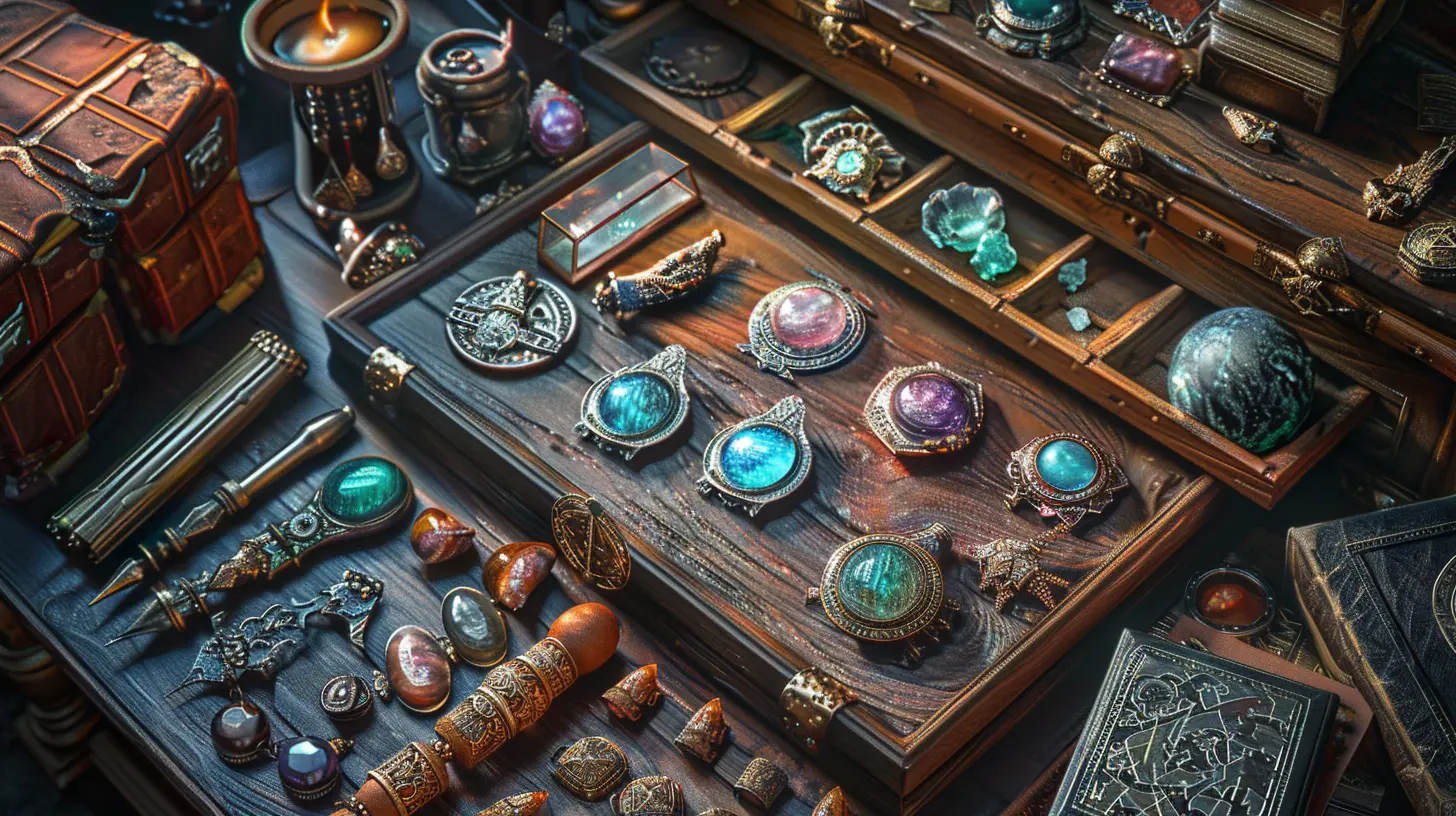
Why Do Developers Love Crafting So Much?
Think about it — crafting adds layers. It makes the world feel alive, like it’s constantly reacting to what you do. Grab some wood? That tree’s gone for good. Need some mushrooms? Better chase that raccoon out of the forest. It turns the player into an active participant rather than a passive explorer.Crafting also does that thing game devs love: player retention. Games with deep crafting systems stretch gameplay hours through collection, experimentation, and trial-and-error. You keep coming back because crafting rewards creativity and time investment.
Plus, let’s be honest — it feels ridiculously good to create stuff. It taps into that primal satisfaction of taking raw materials and turning them into something useful. Kind of like making a grilled cheese from scratch, but with flaming swords and health potions.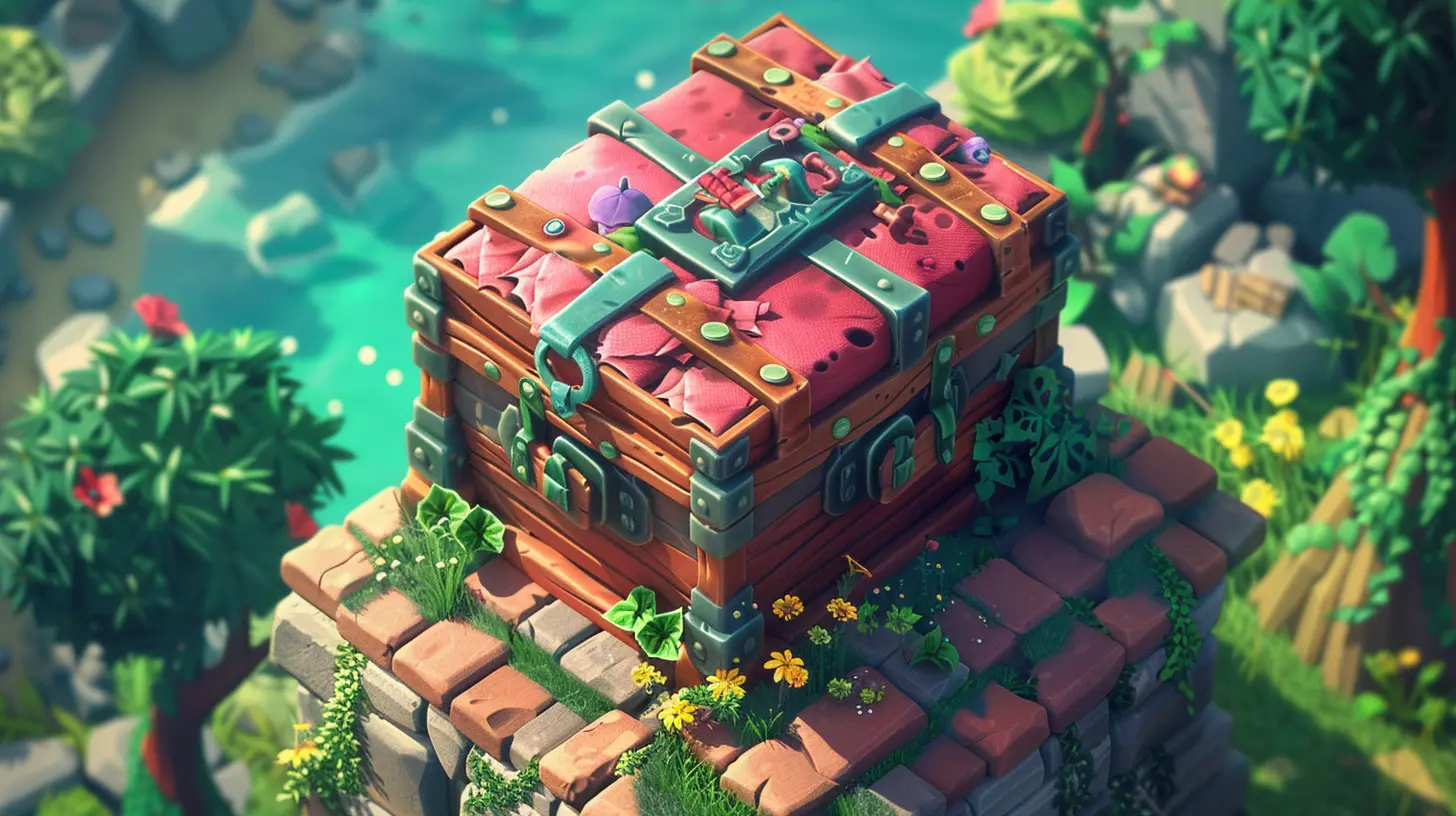
Progression Through Crafting: The Game-Changer
So how exactly does crafting become the engine that drives your progression? Let’s chew on that.1. Gear-Tied Advancement
In games like Monster Hunter, crafting is your ticket to better gear. You whack a beast, grab its fangs and claws, then craft a sword that’s basically made of its regrets. Want to take on the next monster? You’ll need that upgraded gear, which means more materials, which means more crafting.It’s a loop that works brilliantly — beat a boss, harvest its drops, craft better items, repeat. Your skill improves, sure, but your gear progression directly relies on crafting. No grind, no glory.
2. Crafting Key Items to Unlock New Areas
In sandbox survival games like Subnautica, crafting is the gatekeeper. You can’t access deeper parts of the ocean until you craft a better oxygen tank or a vehicle. You’re not just “playing a game” — you’re engineering your path forward, one blueprint at a time.It makes every step feel earned. You’re not given access to the world. You build your way into it.
3. Economy-Driven Games: Craft or Be Poor
Crafting isn’t just about survival or combat. In games like Stardew Valley, crafting becomes your ticket to a thriving economy. You’re not just making stuff — you’re making a living.Build machines, ferment wine, make artisan cheese — whatever your pixelated heart desires. Crafting becomes your business model. You’re not adventuring; you’re running an empire.
When Crafting Goes Too Far…
Okay, let’s be real for a second. Crafting can be incredible, but it can also be a hot mess. Ever open a crafting menu with 200 items and go, “Asparagus-stuffed slime bomb? What even is that?”The Problem of Overcomplexity
Some games go overboard. You end up needing a crafting tree just to understand the crafting tree. Recipe within recipe within recipe. It’s like Inception but with wood planks.A prime example? ARK: Survival Evolved. Awesome game. But crafting can feel like assembling an IKEA dinosaur while being chased by raptors. Some complexity is good — too much, and it becomes a job.
Inventory Management Nightmares
Let’s not skip over the dreaded inventory Tetris. You want to craft that legendary sword? Great! Go collect:- 10 tiger pelts
- 12 moonstones
- 5 phoenix feathers
- Grandma’s favorite ladle
And yep — your inventory’s already full of useless rocks and broken bows. Crafting should be engaging, not frustrating. Balancing is everything.
Player Creativity: Where Crafting Shines Brightest
One of the coolest things about crafting-based gameplay? It gives you the freedom to be a mad scientist. Want to build a floating castle in Minecraft? Go for it. Dream of cooking 10,000 dubious meals in Zelda? Have at it. The player becomes the architect, the engineer, and hey — maybe even the villain.Some games even let you invent your own solutions. Take Tears of the Kingdom as an example: crafting isn’t just about weapons — it’s about solving puzzles through invention. Build vehicles, machines, even flamethrower drones (yes, really).
It turns creativity into a progression mechanic. The more inventive you are, the more you can accomplish. And that’s downright magical.
Crafting in Multiplayer: Collaboration Meets Chaos
In multiplayer games, crafting becomes a social experiment. Some people are builders, others are gatherers, some… just hoard mushrooms. But when done right, it becomes a web of interconnected roles.Take Rust or Valheim. One person crafts weapons, another builds fortifications, someone else goes adventuring for resources. It creates teamwork by necessity, not just choice.
But of course, throw PvP into the mix, and boom — all your hard-earned crafting progress can be stolen in a raid. Welcome to the emotional rollercoaster of multiplayer crafting.
Crafting Systems That Nailed It (And Why)
Let’s throw some love around. These games absolutely nailed the idea of crafting as central to progression:1. Minecraft
The OG. The legend. The pixelated muse. Minecraft built an entire empire on crafting. Without it, you’re just a person punching trees. With it? You’re a god.Everything in the game revolves around crafting. Weapons, armor, food, magical beacons — you name it. And yet, it keeps things intuitive. Simple recipes but endless possibilities.
2. The Legend of Zelda: Tears of the Kingdom
This game redefines crafting. Forget standard recipes — TOTK gives you tools to build literally anything. Want to cross a river? Build a boat. Want flying cannons? Sure, knock yourself out.It’s not just crafting. It’s problem-solving. It’s sandbox madness. It’s sheer joy.
3. Subnautica
Talk about atmosphere. Subnautica makes crafting feel like survival in the truest sense. You start with nothing, and every upgrade — every crafted item — is a lifeline.Crafting is how you escape. How you explore. How you uncover the story. It’s not optional — it’s your only hope. (Cue dramatic music.)
What Makes a Good Crafting System?
If we had to design the perfect crafting system, what would it need?- Clarity: Recipes should make sense. Don’t make me need 12 obscure ingredients just to bake bread.
- Purpose: Crafting should be meaningful. Don’t just craft for the sake of crafting.
- Progression Tied: The more you craft, the stronger or smarter you get.
- Creativity: Let players break the rules. Allow for experimentation.
- Reward Loop: Make crafting feel good. Visual feedback, sound effects, achievements — gimme that dopamine.
When crafting works, it becomes more than gameplay. It becomes identity. You’re not just a warrior — you’re a blacksmith, an alchemist, a chef, a one-person production line fueled by vengeance and herbs.
The Future of Crafting in Games
We’re entering a golden age of crafting mechanics. With games pushing boundaries using AI, procedural generation, and shared online worlds, crafting is only going to get juicier.Imagine AI that lets you invent recipes on the fly. Or shared blueprints across players. Or crafting that changes the entire game world (hello, terraforming!).
Whether you love it or loathe it, one thing’s for sure — crafting is here to stay. And it’s only getting weirder, wilder, and more essential to how we play.
Final Thoughts
Crafting isn’t just some side activity anymore. It’s transformed into a pillar of gameplay, and in many games, it’s the heart of progression. It’s the thing that gives you power, purpose, and pride. It encourages problem-solving, creativity, and sometimes — a little chaos.So the next time a game hands you a stick, a rock, and a dream, embrace it. You might just be one recipe away from greatness.
all images in this post were generated using AI tools
Category:
Item CraftingAuthor:

Tina Fisher
Discussion
rate this article
2 comments
Iliana Henderson
This article highlights an important trend in game design. While crafting can enhance depth, it risks overshadowing core gameplay mechanics. Balancing crafting with engaging combat and exploration is essential; otherwise, players might feel more like gatherers than adventurers in their virtual worlds.
May 10, 2026 at 4:24 AM
Tina Fisher
I appreciate your insight. Striking that balance is crucial to ensure players feel like true adventurers, not just gatherers. It's all about blending those elements seamlessly.
Maria Newman
Crafting adds a personal touch to gameplay, transforming the experience. It allows players to express creativity while progressing. When done right, it becomes more than a mechanic; it enriches the entire journey.
May 5, 2026 at 3:19 PM
Tina Fisher
Absolutely, crafting turns gameplay into a canvas for creativity. It deepens engagement and makes each player's journey unique.