How Influencers Are Changing Esports
8 December 2025
Esports isn't just a niche corner of the internet anymore—it’s a billion-dollar industry with millions of fans, packed arenas, and heated rivalries that rival traditional sports. But there’s a new force shaking things up in this space: influencers. These aren't just people playing games on Twitch or uploading edited clips to YouTube. Nope, they're cultural powerhouses, brand magnets, and trendsetters who are transforming how we see, play, and even invest in esports.
So, grab your gaming chair and a cup of something caffeinated—we're diving into how influencers are changing esports, and trust me, it’s not just about follower counts and flashy merch.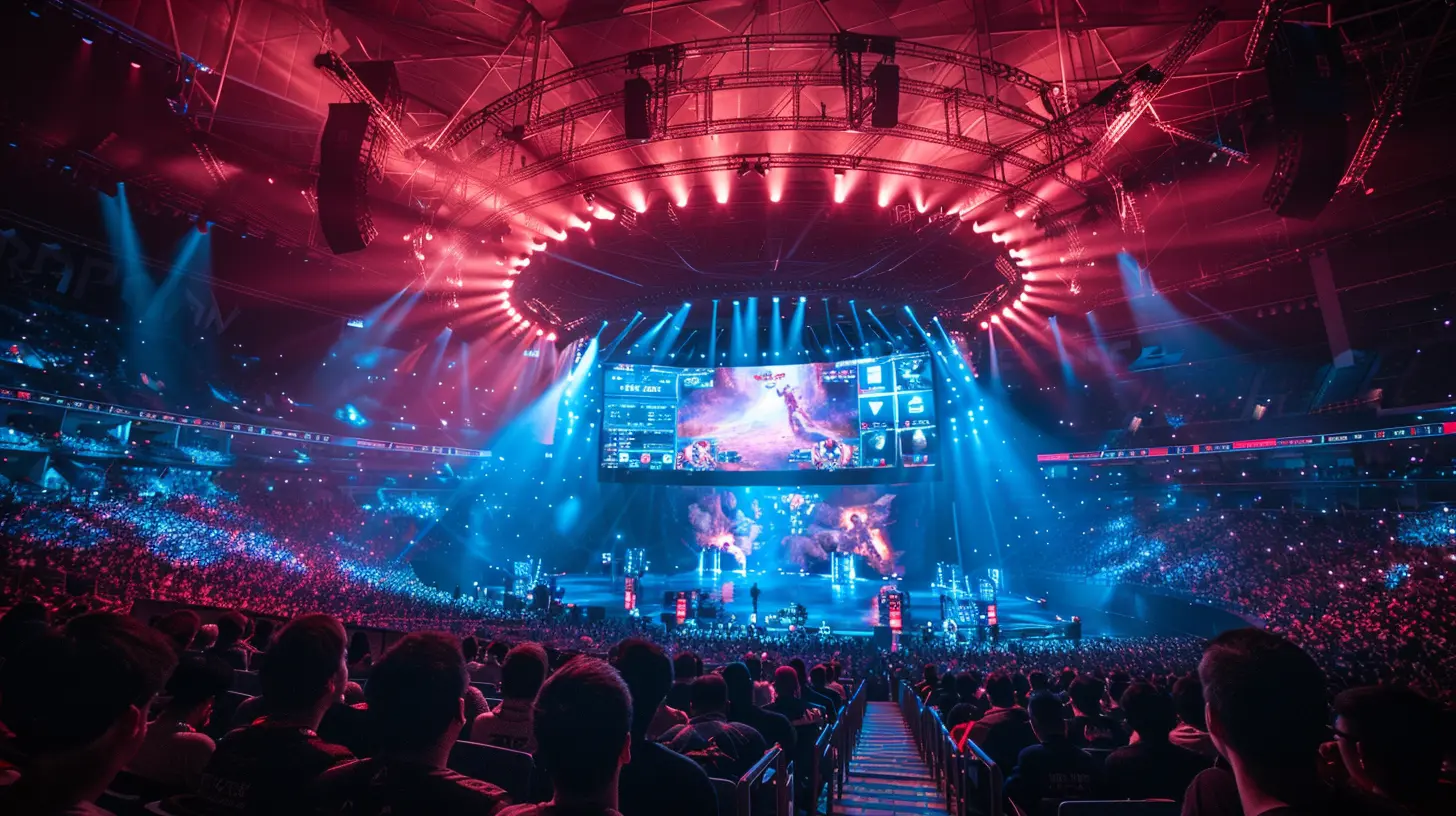
The Rise of the Influencer-Gamer Hybrid
Let’s start with a simple question: what even is an influencer these days?An influencer in gaming can be a pro player, a casual streamer, or even someone with a killer TikTok routine who also happens to love Apex Legends. The line between professional gamers and content creators is blurrier than ever. And in esports, where connection with fans is everything, being both a killer player and a charismatic content creator is the golden ticket.
Think about names like Ninja, Pokimane, or Dr Disrespect. They’re not just playing games—they're building communities. They're storytellers, entertainers, and sometimes, even part-time philosophers with a knack for making memes. And esports teams are starting to realize: they need that energy.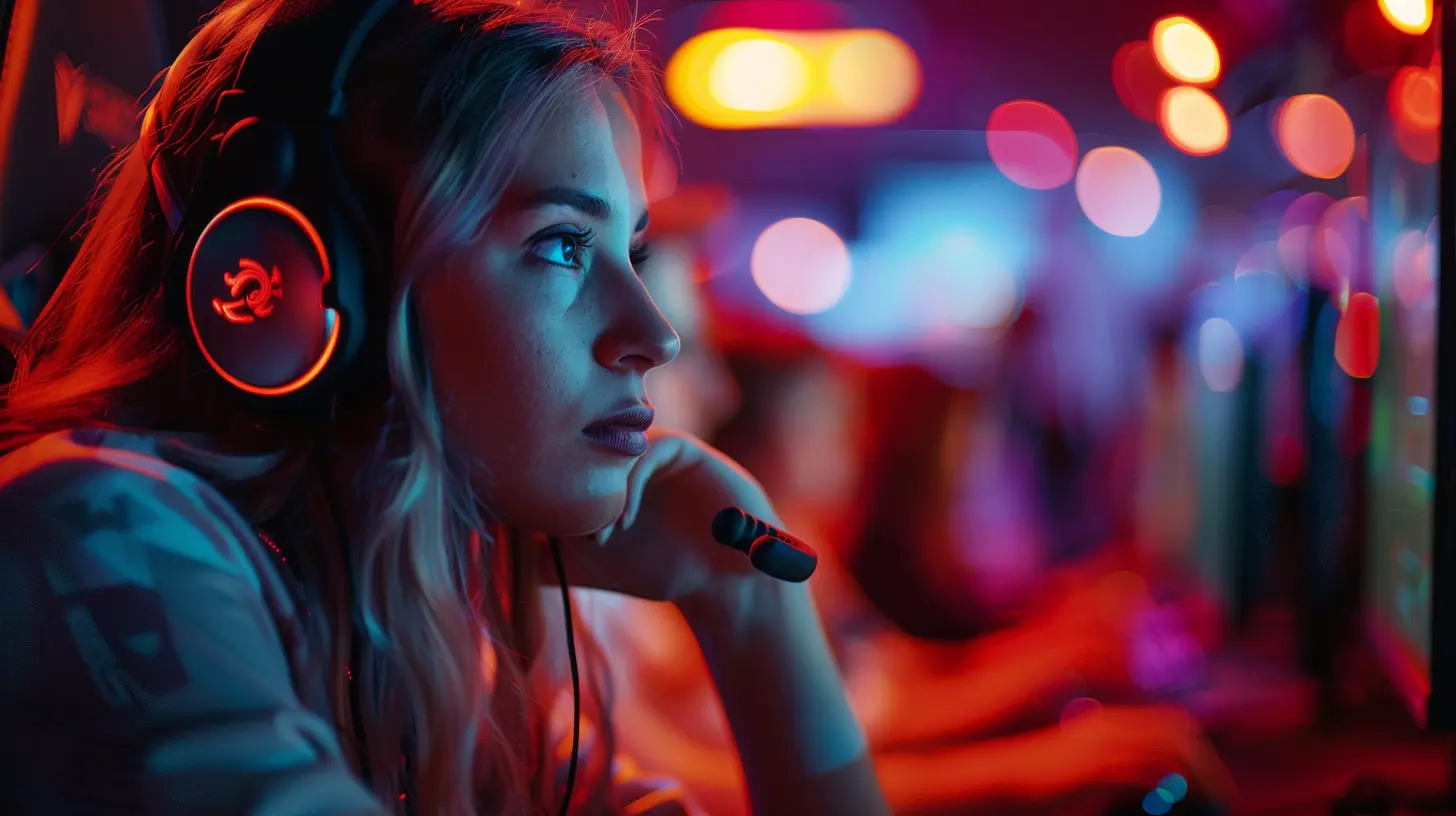
Esports Teams Are Evolving Into Lifestyle Brands
Here’s the thing—esports organizations are no longer just competitive teams. They’re becoming lifestyle brands. Don’t believe me? Look at 100 Thieves. Yes, they've got insane players. But what really elevates them is their influencer-driven content, fresh fashion drops, and music collabs. It feels more like a fusion of Supreme and Twitch than your average gaming team.And it’s working. Why? Because people don’t just want to see gameplay—they want to feel connected. And influencers bridge that gap. They take us behind the scenes, show us the wins and losses, and let us in on their late-night ramen cravings and raging rants at lag spikes.
They're not just building brands. They're building relationships.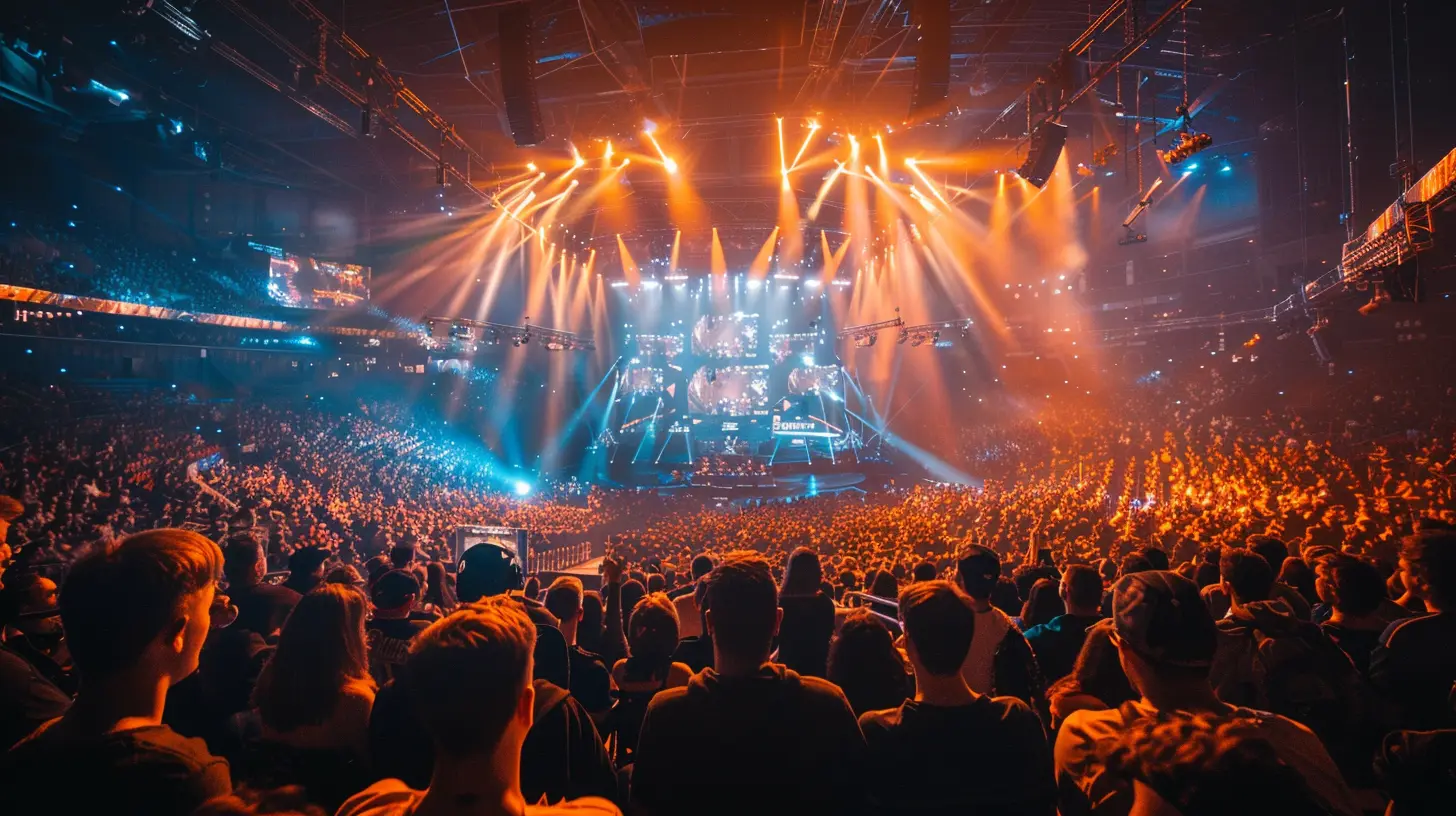
The New Currency: Engagement Over Rankings
Here’s a mind-bender—some influencers have more impact on an esports team’s success than a top-ranking player. Yeah, I said it.It all comes down to engagement. A streamer pulling in 50,000 viewers while cracking jokes and dropping hot takes provides exposure, community growth, and sponsorship gold. Brands care about eyeballs and loyalty. And influencers deliver both.
That doesn’t mean performance is irrelevant. Winning still matters. But in a world where algorithms and attention spans have zero chill, storytelling takes center stage. And influencers are the narrators of modern gaming.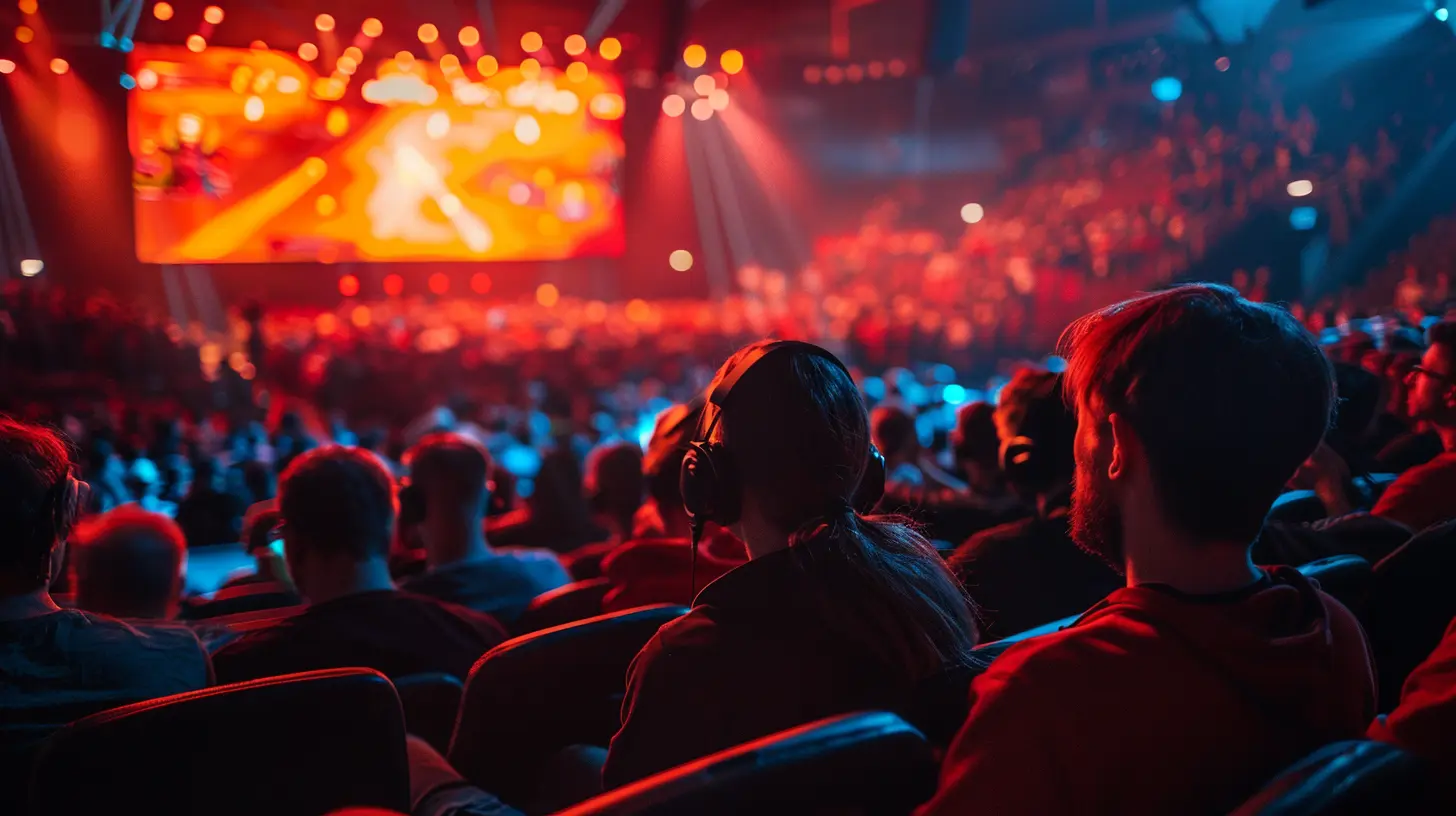
The Business Side: Sponsorships and Cross-Promotion on Steroids
Money talks—and in esports, influencers are turning up the volume.Back in the day, sponsorships in esports were pretty straightforward. Slap a logo on a jersey, maybe do a Twitter shoutout. But now? Influencers are crafting entire campaigns. Think YouTube skits, unboxings, and Instagram stories featuring the latest gear from tech brands, energy drinks, and even skincare (yes, seriously).
And because influencers are trusted voices in tight-knit communities, their recommendations carry serious weight. It's not just marketing—it’s word-of-mouth supercharged by Wi-Fi and charisma.
Plus, influencers open doors to crossover opportunities. Collaborations with non-gaming brands (looking at you, Gucci x Fnatic) are becoming more common, and guess who’s making those connections fly? Yep. The influencers at the heart of it all.
Shaping Community Culture, One Meme at a Time
Let’s not kid ourselves—gaming culture isn’t built by press releases or CEO tweets. It’s shaped in Twitch chats, TikTok trends, Discord arguments, and viral memes. And influencers are the drivers of that discourse.They decide what’s cool, what’s cringe, and what gets clipped. Whether it’s a new emote, a slang term, or the rise of "gamer aesthetics," influencers put the spotlight on trends long before they go mainstream.
They also have the power to steer discourse in meaningful ways. From mental health awareness to toxicity in gaming, influencers are using their platforms to challenge norms and push for change. It’s not always polished, and it’s definitely not perfect—but it’s real. And that authenticity resonates.
The Creator Economy Meets Competitive Gaming
This is where it gets really interesting.The "creator economy" is the fancy buzzword for people making a living through platforms like YouTube, Twitch, TikTok, and even Patreon. And esports? It's absorbing that model fast.
We’re seeing a shift where aspiring pros have to be more than just mechanically gifted—they have to be entertaining. Teams now scout for players with personal brands, not just high K/D ratios. Some orgs even invest in training streamers and influencers, recognizing that content is the long game.
In a way, esports is becoming part reality show, part gladiator arena, part marketing machine. And influencers are weaving all those narratives together.
Traditional Sports Are Watching Closely
If you think this influencer-esports fusion is just staying in the gaming bubble, think again. Traditional sports leagues are paying attention—and even taking notes.NBA stars are buying into esports teams. Soccer clubs are hiring influencers for content collabs. It’s all part of a bigger play: engaging the next-gen audience that doesn’t have the patience for 90-minute matches or endless commercials. Influencers speak the language of Gen Z, and legacy sports brands are desperate for that kind of fluency.
What happens when you mix a FIFA pro with a viral TikTok dancer? You get brand visibility, culture relevance, and a whole lot of retweets.
The Global Reach of Influencer-Driven Esports
Let’s zoom out a bit.Influencers aren't just dominating in North America or Europe. They're global. Esports influencers in Korea, Brazil, India, and the Philippines have massive followings and are creating localized content that speaks to each region’s unique gaming culture.
Take India’s esports growth, for example. Mobile gaming influencers are bringing in millions of views through PUBG Mobile and BGMI content. They’re not waiting for Western standards—they’re creating their own scene, complete with local memes, languages, and aesthetics.
This global diversity adds richness to the esports universe and opens doors for international sponsorships and tournaments. Influencers are the passports making it all happen.
Challenges and Risks: Not All Glitch-Free
Alright, let’s not sugarcoat it. The influencer takeover isn’t without its flaws.First, there’s burnout. Keeping up with content, fans, sponsors, and personal lives? It’s exhausting. And if influencers lose their spark, the whole ecosystem feels it.
Then there’s the issue of authenticity. Fans can sniff out a fake faster than a wallhacker in CS:GO. Sponsored content needs to feel genuine, or it backfires—hard.
And, of course, there are controversies. From online drama to offensive content, some influencers have tanked entire brand deals. Esports orgs have to be smart, setting guidelines and understanding the risk-reward ratio.
But here’s the kicker—those challenges aren't deal-breakers. They’re part of the growing pains of an industry evolving in real-time.
The Future: What’s Next for Influencer-Driven Esports?
So where’s all this heading?Here’s a few educated guesses:
- Hybrid players/influencers will become the norm, not the exception.
- More influencers will launch their own esports teams or leagues. (Think of it like the Logan Paul and KSI of gaming.)
- AI-powered analytics will measure influencer reach and ROI in esports far more accurately.
- Community-driven tournaments, hosted by influencers, will challenge the traditional esports format.
- Brands will co-create products (not just sponsor them) with influencers leading the way.
In short: we’re on the verge of something wild, creative, and constantly evolving.
Final Thoughts: Esports Isn’t Just a Game Anymore
Back in the day, esports was about skill, speed, and scoring. And sure, those things still matter. But now, it's also about storytelling, community, and influence.Influencers are changing how we watch, play, and engage with esports. They're shaping the culture from the inside out—one stream, one tweet, and one hype moment at a time. They're the heart of fandom, the soul of content, and the future of esports.
So, the next time you see a streamer crack a joke mid-match or a TikTok gamer go viral for a crazy killstreak, remember: they’re not just entertaining you—they’re redefining an industry.
all images in this post were generated using AI tools
Category:
Game InfluencersAuthor:

Tina Fisher
Discussion
rate this article
2 comments
Oriel Wilcox
Fascinating! How are influencers reshaping esports dynamics?
December 12, 2025 at 5:39 AM
Tina Fisher
Influencers are reshaping esports by driving audience engagement, creating personalized content, and bridging the gap between gaming and mainstream culture, ultimately expanding the industry's reach and appeal.
Wesley Rogers
Influencers are redefining esports by driving engagement, shaping trends, and connecting brands with passionate gaming communities. Exciting evolution!
December 11, 2025 at 4:42 AM
Tina Fisher
Thank you for your insightful comment! Indeed, influencers are playing a crucial role in bridging the gap between brands and gaming communities, fostering greater engagement and shaping the future of esports.