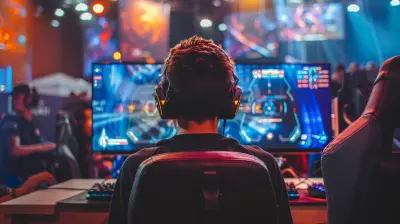
What Makes a Game Influencer Truly Authentic
1 January 2026
In the wild, ever-evolving world of gaming influencers, authenticity isn't just a buzzword — it's the secret sauce. We live in an age where anyone with a camera and a controller can stream a few matches of Fortnite or create a killer Elden Ring boss-guide. But here’s the real kicker — not everyone earns trust. Not everyone leaves a lasting impact. So, what separates the real-deal creators from the click-chasing crowd?
Let’s break it down and figure out what actually makes a game influencer truly authentic.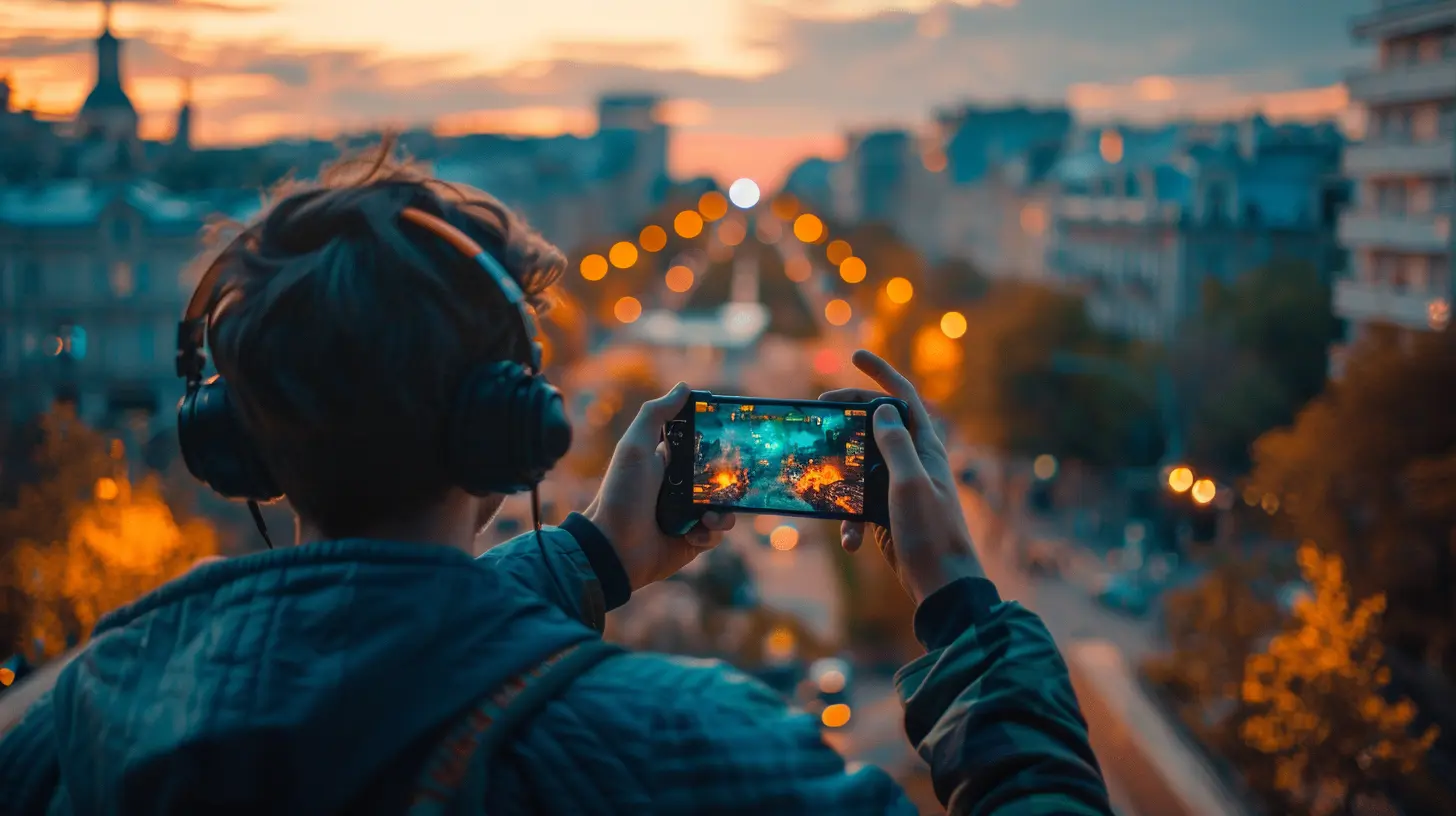
The Rise of the Gaming Influencer
Before diving deep into the authenticity pool, let’s get one thing straight: gaming influencers are a big deal. They’re the digital rockstars of our generation. With platforms like Twitch, YouTube, and TikTok becoming gaming havens, influencers can reach millions — yes, millions — of people, across the globe.And it’s not just about being good at games anymore. Gamers today follow influencers for their humor, storytelling, opinions, and even life advice. That kind of reach? It demands trust. And trust is built on — you guessed it — authenticity.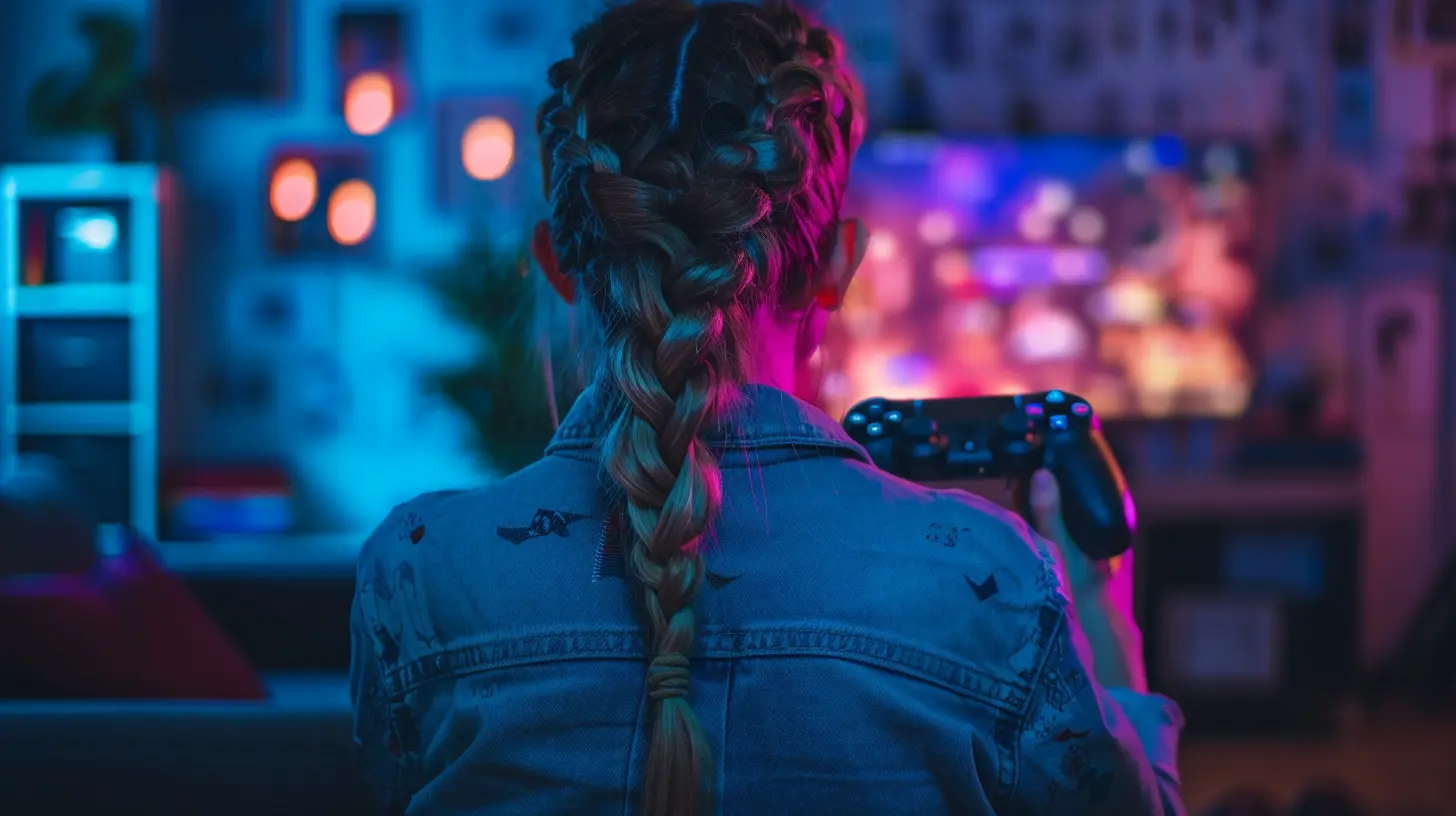
So, What Even Is Authenticity?
Let’s avoid the corporate mumbo jumbo. Being authentic basically means being real. It’s the opposite of fake smiles and scripted sponsorships. An authentic influencer doesn't pretend to love a game they hate just because there's a paycheck involved. They aren’t afraid to say, “Hey, this new patch actually ruined the gameplay.”Authenticity is when a creator:
- Speaks their mind openly
- Connects with their audience on a human level
- Shares both wins and fails (rage quits included)
- Shows up as themselves — quirks, flaws, and all
Ever heard a streamer admit they’re struggling with burnout? Or seen a YouTuber get emotional over finishing a story-heavy game? That’s the raw magic that makes followers stick around.
Why Gamers Crave Authenticity
Gamers are smart — they can smell a sellout from a mile away. Today’s audience doesn’t just want flashy gameplay montages or over-the-top reactions. They want connection. They want community.Think about it: Would you rather watch someone genuinely excited about a new indie game, or someone reading a PR script for the latest triple-A title?
Exactly.
People support creators they relate to — not just admire. When influencers keep it real, they build bonds that last. That’s when likes turn into loyalty, and followers turn into fans.
Key Traits of Truly Authentic Game Influencers
Now that we know why authenticity matters, let’s zoom in on what it actually looks like in action.1. They’re Transparent — Especially About Sponsorships
Let’s be honest: influencers need to make money, and there’s nothing wrong with that. But when a creator hides a paid partnership or pretends a sponsored game is "the best thing ever" while clearly hating it… that's shady.Authentic influencers:
- Clearly disclose sponsorships
- Give honest reviews, even in paid promotions
- Only promote games or products they believe in
The truth? Transparency builds credibility. And credibility builds loyalty.
2. They Show Personality, Not Just Gameplay
Anyone can be good at a game. But not everyone can make you laugh, cry, or scream “same!” while watching a Let’s Play.Authentic creators let their personality shine. They're not trying to be someone else. They’re not following a script. They're just themselves — and that makes all the difference.
Think of it this way: Gameplay is the stage, but personality is the performance.
3. They Engage, Not Just Broadcast
There’s a world of difference between talking to your audience and talking at them.Authentic influencers:
- Read and respond to chat messages
- Ask for feedback and actually listen
- Foster communities (Discord servers, sub-only chats, etc.)
- Make their followers feel seen and heard
It’s not about the number of followers — it’s about how you treat them.
4. They Share the Journey, Not Just the Highlights
Everyone loves a highlight reel. But the real connection comes from the behind-the-scenes moments — the grind, the loss streaks, the personal challenges.When influencers open up about their struggles (whether it’s tackling a tough gaming level or managing mental health), they become more relatable. And relatability is one of authenticity’s best friends.
5. They Stay True to Their Niche and Values
Jumping on every new trend or game can make a creator look desperate, not cool. Authentic influencers know their niche and stick to it — not out of stubbornness, but because it’s aligned with who they are.They’re not afraid to say:
- “This game isn’t for me”
- “I won’t promote that brand”
- “I’m taking a break”
That level of consistency isn’t just authentic — it’s refreshing in a world full of copycats.
Real Examples of Authentic Gaming Influencers
Let’s name-drop a few creators who’ve nailed the authenticity game:- Jacksepticeye – His energy, raw honesty about mental health, and deep connection with fans make him stand out.
- Valkyrae – Transparent about her decisions, career moves, and emotional rollercoasters, Rae keeps it 100%.
- CohhCarnage – Builds welcoming spaces, talks openly about gaming industry issues, and makes viewers feel like family.
These creators aren’t perfect, but their imperfections are what make them real — and really loved.
What Happens When Authenticity Is Missing?
Short answer? People bounce.The internet is ruthless. Audiences can spot inauthentic behavior like:
- Overly exaggerated reactions
- Fake "thank-you" giveaways
- Forced enthusiasm for sponsored content
- Copy-paste content across social channels
When this happens, comments get snarky, engagement drops, and credibility tanks. In a content-saturated world, being fake is a fast-pass to irrelevance.
Remember: One viral moment doesn’t build a career. Consistent, honest content does.
How Can Aspiring Influencers Be More Authentic?
Thinking about getting into gaming content yourself? Want to build a killer community without selling your soul?Here’s how to stay real from day one:
✅ Know Your Why
Ask yourself: Why am I doing this? For fame? For fun? To share something you love? Knowing your “why” helps guide your content choices and stay grounded when the numbers fluctuate.✅ Talk Like a Human
Skip the boring intros and fake hype. Talk how you talk. If you're sarcastic IRL, let that show. If you're sentimental, cry it out when that story-based game hits you in the feels.✅ Support What You Believe In
Don’t jump on every trend just to chase views. Support the games, causes, and creators that align with you. Your audience will feel it.✅ Be Honest About Growth
It’s okay to admit you’re still figuring things out. Whether it’s awkward camera angles or audio hiccups, be open about the learning process.✅ Cultivate a Safe, Inclusive Space
Encourage kindness. Moderate your chats. Promote diversity. A positive community is a massive part of authentic influence.Authenticity in the Age of AI and Algorithms
Let’s get real for a sec — bots can play games. AI can even fake voices now. But there’s one thing tech can’t replicate: human connection.Algorithms might push certain videos, but authenticity builds genuine fandom. It’s the difference between going viral and going viral with purpose.
So when you're tempted to chase the algorithm, ask yourself — will this post, this stream, this tweet still feel good a year from now? If not, maybe rethink it.
Final Thoughts: Real Always Wins
In gaming — as in life — being real takes courage. It’s easier to play a part. It’s safer to fake enthusiasm or slap on a smile. But the influencers who stand the test of time? They’re the ones who let their walls down.Authenticity isn’t a strategy — it’s a habit. It’s how you show up, game after game, post after post. Sure, the views might grow slower… but they’ll grow stronger.
So the next time you think about your favorite gaming influencer, ask yourself: Do they feel like a person or a brand?
If it’s the first one, chances are, they’re doing it right.
all images in this post were generated using AI tools
Category:
Game InfluencersAuthor:

Tina Fisher
Discussion
rate this article
2 comments
Stacey Wilkerson
Great insights! Authenticity in gaming influences connects us all. Thanks for sharing your thoughts on this important topic!
January 12, 2026 at 5:29 AM
Tina Fisher
Thank you! I'm glad you found the insights valuable. Authenticity truly does play a crucial role in connecting gamers!
Iris McLaurin
In a world of pixels and dreams, authenticity shines bright—true voices guiding us through digital realms, fostering connection and trust.
January 6, 2026 at 4:01 AM
Tina Fisher
Thank you! Authenticity is indeed vital for building genuine connections in the digital landscape, and it’s what sets true influencers apart.