What Makes Indie Platformers So Timeless?
26 December 2025
There’s something undeniably magical about indie platformers. You boot one up and, before long, you’re utterly pulled into a vibrant world full of tight jumps, quirky characters, and music that lingers in your ears long after you’ve stopped playing. But what exactly makes these games so... timeless?
Surprisingly, it’s not just the gameplay (although, let’s be honest, that's a huge part of the charm). It’s something deeper. Indie platformers tap into nostalgia, creativity, challenge, and emotion in a way that big-budget titles often overlook.
Let’s dive into what keeps us coming back to indie platformers again and again—what makes them feel timeless like well-worn storybooks or your favorite hoodie that just gets comfier with time.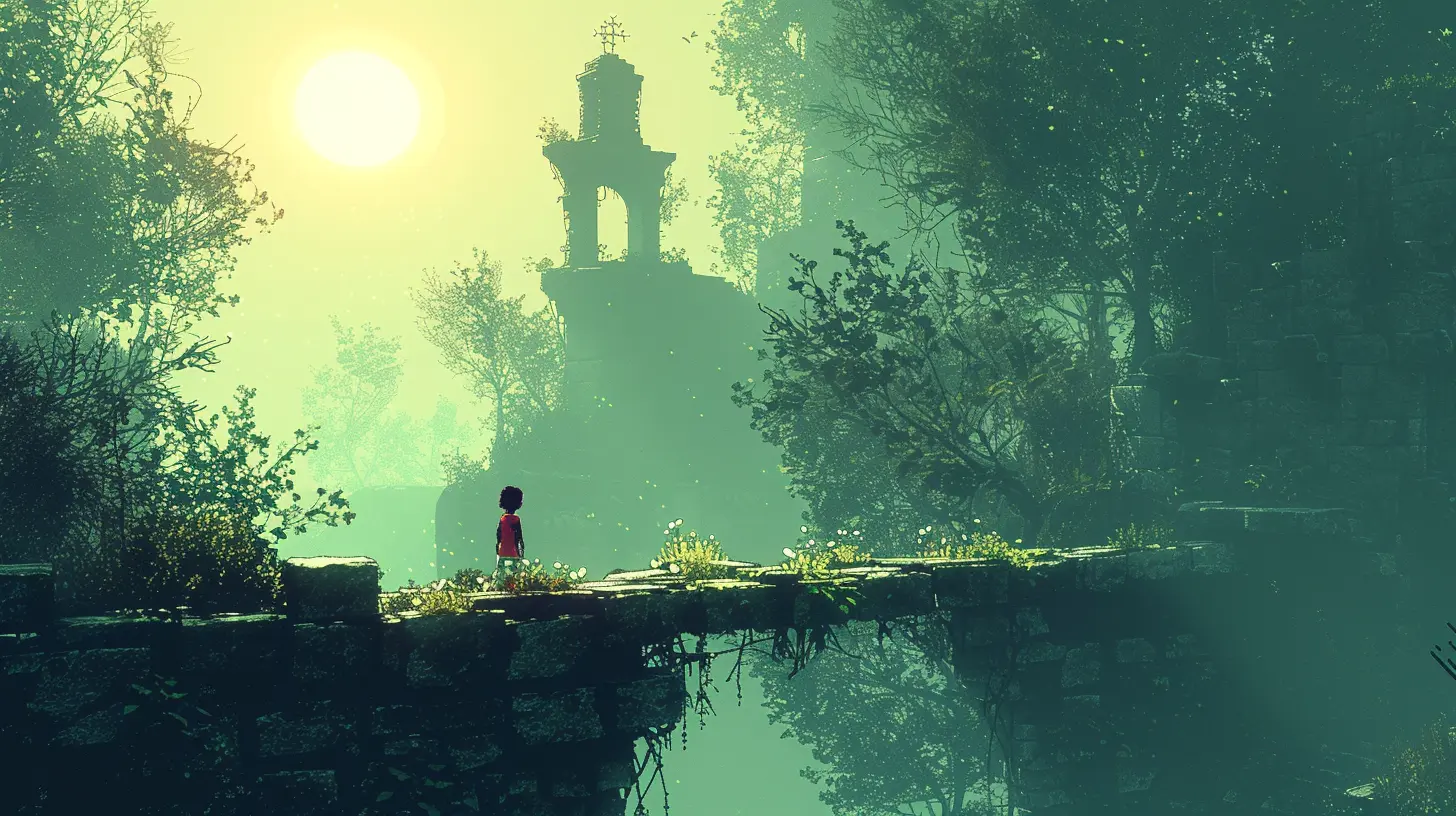
A Love Letter to Gaming’s Roots
Indie platformers wear their hearts on their pixelated sleeves. Many of them draw inspiration from the golden era of video games—when Mario was still pixelated and game cartridges had to be blown into (you know, for "technical reasons").They remind us of a simpler time in gaming, when the goal was clear (reach the flag, save the princess, defeat the boss), and completing levels felt like real victories. Developers often borrow retro aesthetics—8-bit graphics, chiptune soundtracks, and straightforward controls—not just because they're easier to produce but because they resonate.
It’s like listening to old-school rock on vinyl. The little imperfections become part of the experience.
Nostalgia Is a Powerful Tool
There’s a tug-of-the-heartstring element in indie platformers. Titles like Celeste, Shovel Knight, or Super Meat Boy don't just remind us how games used to feel—they make us feel like kids again. And in a world full of deadlines and adulting, who doesn’t want to feel that way?
Gameplay That’s Tighter Than Your Favorite Pair of Jeans
Let’s talk gameplay. Platformers live and die by how they feel. If a jump is just a millisecond off, or if the physics feel like jumping on the moon instead of solid ground, the whole experience falls apart.Indie developers obsess over this detail. Why? Because they know that players expect—and deserve—controls that feel intuitive, responsive, and satisfying. You know those moments when you barely make a jump and scream “YES!” like a sports fan? That’s good game design.
Less Is More
Unlike AAA titles stuffed with mechanics, weapons, power-ups, crafting systems, and exposition dumps, indie platformers often keep it lean. And that’s their superpower. The best ones focus on one core mechanic—but polish it to perfection.Take Celeste, for example. It’s basically just running, jumping, and air-dashing. That’s it. But it’s executed with such precision that it never gets old. Every level layers in complexity without overwhelming you.
Artistic Freedom & Personal Expression
When you're not answering to a major publisher or trying to meet investor deadlines, there’s room to experiment. Indie platformers often reflect the personal vision of just a few creators—or sometimes even one.This freedom allows for wildly creative art styles, unique storytelling approaches, and gameplay hooks that feel fresh rather than focus-tested to death.
Style That Stands Out
No one’s mistaking Limbo for Hollow Knight, right? That’s because the art direction in indie platformers is often unforgettable. Whether it’s hand-drawn animation, minimalist black-and-white visuals, or vibrant pixel art, each game carves out its own identity.And that kind of visual personality makes a lasting impression. It’s like spotting a friend from across the room because of their epic style—you just know who they are.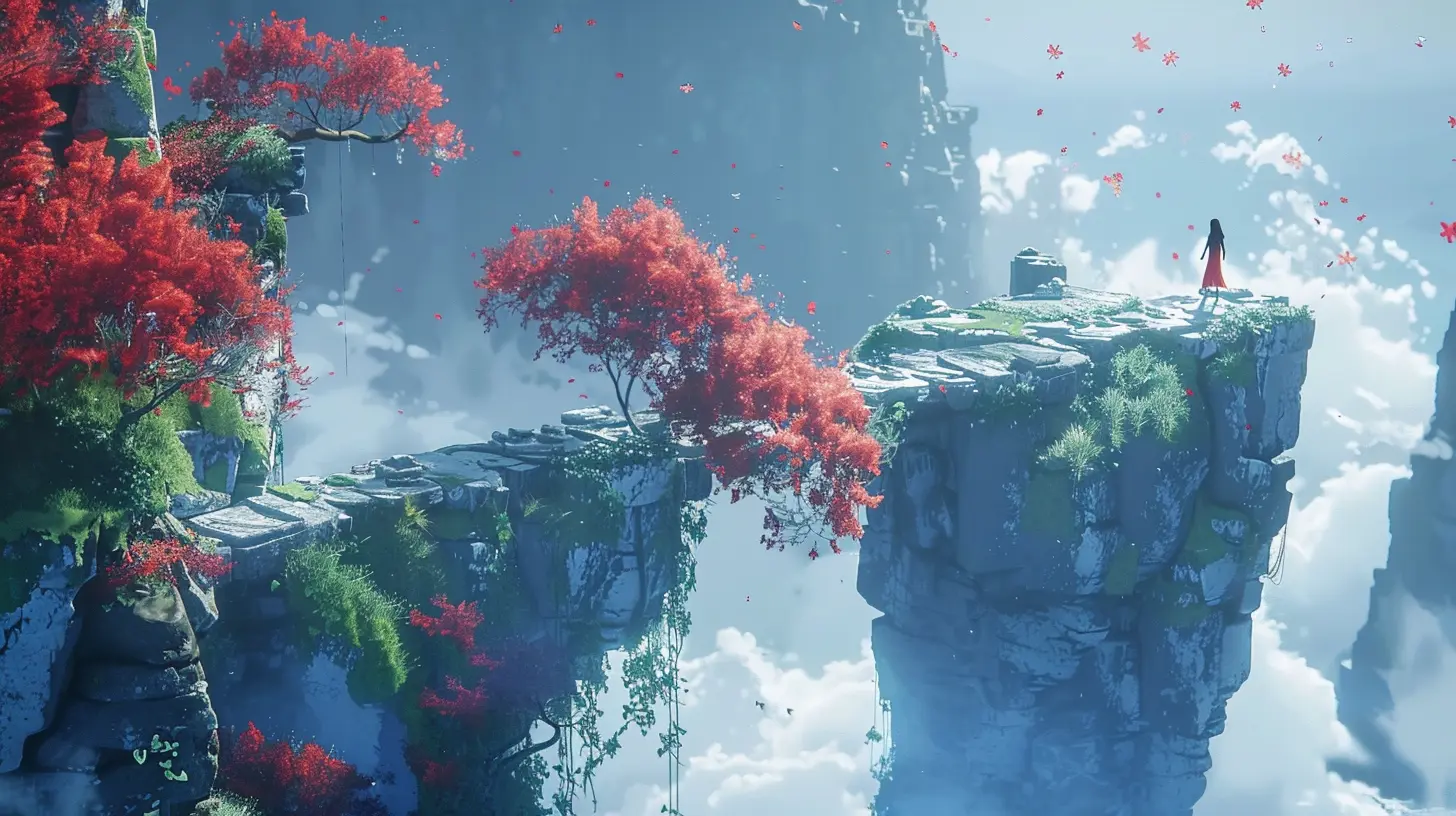
Stories That Actually Mean Something
Here’s the thing: platformers aren’t typically known for story. In the old days, it was “Save the princess” or “Get to the end.” But indie platformers have flipped the script.Games like Celeste explore anxiety and self-doubt through metaphorical mountain climbing. In Ori and the Blind Forest, loss and love fuel your journey through a breathtakingly beautiful world.
These aren’t just games—they’re emotional journeys wrapped in thrilling challenges.
It's More Than Just Jumping
The gameplay in these titles mirrors the narrative. Climbing a treacherous mountain becomes a metaphor for overcoming personal obstacles. Losing all your health and trying again mirrors the resilience needed in real life.Sure, it’s still about jumping on platforms. But now, those platforms carry emotional weight.
Challenge That Feels Rewarding
Let’s be real: most indie platformers don’t pull their punches. They’re tough. Sometimes brutally tough. And yet, we keep going.That’s because the difficulty in these games doesn’t feel cheap or unfair—it feels honest. You fail because you messed up, not because the game wanted you to.
The Power of the “One More Try” Mentality
You know the drill. You die. You respawn instantly. You try again. You get a little further. Then you die again. Rinse and repeat.It becomes an addictive loop—equal parts frustration and motivation. And when you finally beat that level you’ve been stuck on, the sense of accomplishment is off the charts.
Games like Super Meat Boy and The End is Nigh ride this line beautifully. They dare you to improve without ever talking down to you.
Communities That Actually Care
Because indie platformers often start from small teams (or solo devs), players rally behind them in big ways. Fan art, speedrunning communities, modding, and active forums are all part of the package.Speedrunning Heaven
Platformers are tailor-made for the speedrunning scene. Their precise mechanics and short level format make them perfect for players who love shaving milliseconds off their best times. This fuels a passionate community that keeps the game alive far beyond its release window.Think about that—how many games can say they’re still getting love years down the line?
A Low Bar for Entry, A High Ceiling for Mastery
Another timeless trait of indie platformers? They’re super accessible. You don’t need a gaming PC or next-gen console to enjoy them. Most run smoothly on just about anything—even your old laptop or Switch Lite.Easy to Pick Up, Tough to Master
The best indie platformers are deceptively simple. Anyone can pick them up and enjoy them. But mastering them? That's another story.The learning curve often starts gently, but by the end, you're performing feats worthy of a gaming trophy. That balance keeps both newbies and veterans engaged.
Constant Innovation
Because indie devs aren’t bound by genre expectations, they push boundaries. Mechanics get twisted. Worlds turn upside-down. Stories unfold backward. Or maybe gravity disappears halfway through a level.Games like Fez, Braid, and The Messenger all take the traditional platformer blueprint—and tear it up in the most brilliant ways.
Always Something New
With so many indie devs out there, creativity is at an all-time high. There’s always some surprising new entry waiting to blow your mind. And thanks to platforms like itch.io and Steam, it’s easier than ever to discover them.The Soundtrack Slaps!
We can’t talk about the timelessness of indie platformers without giving a shoutout to the music. Many of these games feature unforgettable soundtracks that do more than just fill silence—they elevate the entire experience.From Celeste’s emotional, synth-heavy score by Lena Raine to the bouncy, retro beats of Shovel Knight, the music stays with you. It becomes part of your memory of the game.
Audio That Amplifies Emotion
The best soundtracks don’t just sound good—they make you feel something. Whether it’s tension, excitement, peace, or triumph, the music drives your connection to the game deeper.They're Made With Heart
Above all, indie platformers are made with love. You can feel it in every pixel, every perfectly placed checkpoint, every line of dialogue. These are passion projects, and that energy is contagious.The Dev Story Matters
Knowing that a game was made by a two-person team working nights and weekends makes every moment feel more intimate. You’re not just playing a game—you’re experiencing someone else’s dream, years in the making.That connection? That’s the real timelessness.
Final Thoughts
So, what really makes indie platformers so timeless?It’s not just the nostalgia or the tight controls. It’s the whole package—crafted by people who genuinely love games, for players who feel the same way. It’s the heart, the grit, the creativity, and that "just one more try" feeling that sticks with you.
And as long as that spirit stays alive, indie platformers will keep being the soul of the gaming world.
all images in this post were generated using AI tools
Category:
Indie GamesAuthor:

Tina Fisher
Discussion
rate this article
2 comments
Morrow McFarlin
Indie platformers blend nostalgia with innovation, creating experiences that resonate across generations. Their unique art styles, engaging mechanics, and heartfelt storytelling foster deep emotional connections. By prioritizing creativity over commercial pressures, these games remind us of the joy and challenge that defined the genre.
January 8, 2026 at 3:48 PM
Tina Fisher
Thank you for your insightful comment! You capture the essence of indie platformers beautifully, highlighting their unique blend of nostalgia, creativity, and emotional resonance that appeals to both new and veteran gamers alike.
Lauren Richardson
Great article! You’ve captured the essence of indie platformers beautifully. Their creativity and nostalgic charm truly make them timeless classics in the gaming world. Keep up the good work!
January 8, 2026 at 4:30 AM
Tina Fisher
Thank you so much! I appreciate your kind words and support!