Top Crafting Systems That Changed Gaming Forever
27 February 2026
Crafting in video games isn’t just about smashing items together anymore. It's evolved into an art form, a core mechanic, and at times, the very heartbeat of a game. Whether you're cooking up some health potions, forging mythical weapons, or building entire forts from scratch, crafting gives players creative freedom like never before.
But here's the thing: not all crafting systems are created equal. Some have completely transformed how we play, redefining genres, and setting new standards. Let’s talk about the top crafting systems that changed gaming forever—the true game-changers (pun intended).
Why Crafting Matters in Games
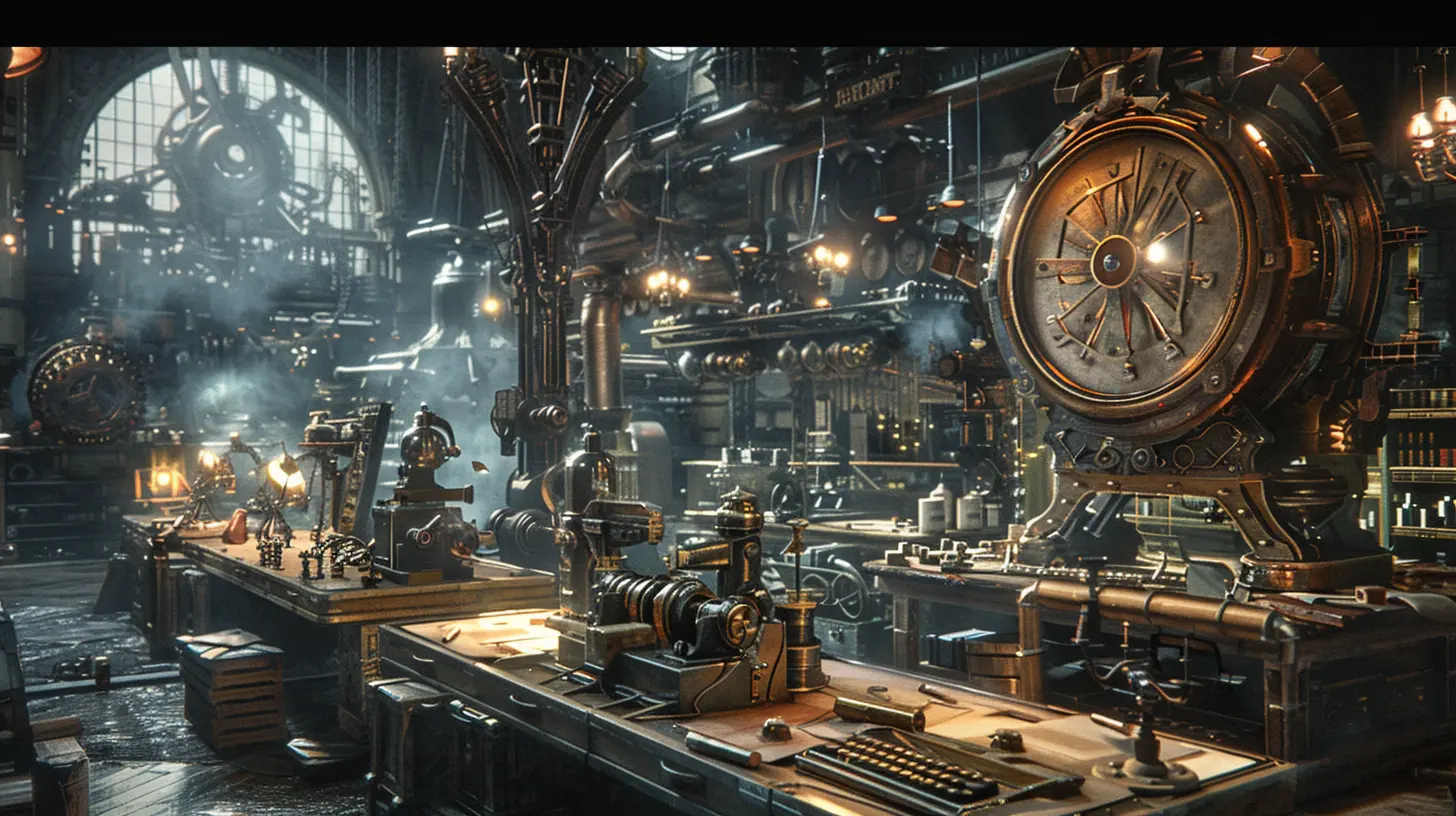
Before diving into the big names, let’s get something straight—why is crafting such a big deal in games?Imagine being stranded on a deserted island with nothing but a stick and your wits. Could you survive? Now imagine turning that stick into a spear, building shelter, creating fire, and hunting for food. Sounds intense, right? Crafting systems give us that immersive, hands-on survival thrill, letting us build, experiment, and create like never before.
Crafting turns players from passive participants into proactive survivors, inventors, and engineers. And when done right? Chef’s kiss—it adds depth and replayability that hooks people for hundreds of hours.
Now let’s jump into the crafting titans that completely flipped the table on what we thought was possible.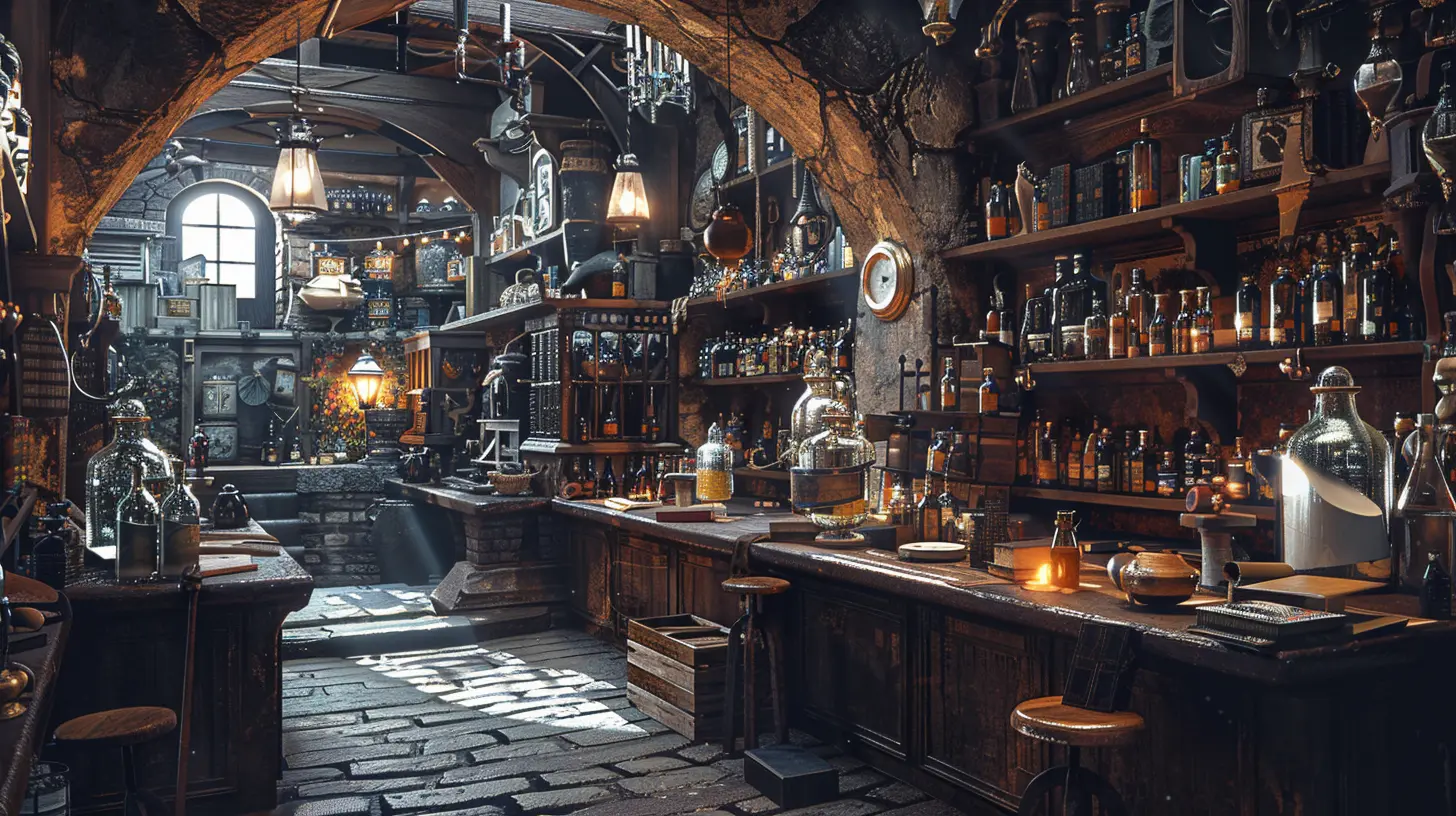
1. Minecraft – The Ultimate Sandbox Crafter
No surprise here, right? You can't talk about crafting without tipping your pickaxe to Minecraft.What Makes It Revolutionary?
Minecraft took the idea of crafting and made it the cornerstone of the entire game. It handed players a whole world made of blocks and said, “Go nuts.” Trees became wooden planks. Cobblestone became castles. Redstone let players build computers inside a game. Yeah, real functional computers.Why It Changed Gaming
- Gave players creative freedom like never before- Used crafting to blend survival, building, and even education
- Inspired a whole generation of sandbox games and indie developers
- Became a cultural phenomenon (c’mon, even grandma knows Minecraft)
Minecraft didn’t just have crafting—it was crafting. And it showed the world that sometimes, the best gameplay comes from giving players the tools and letting them write their own stories.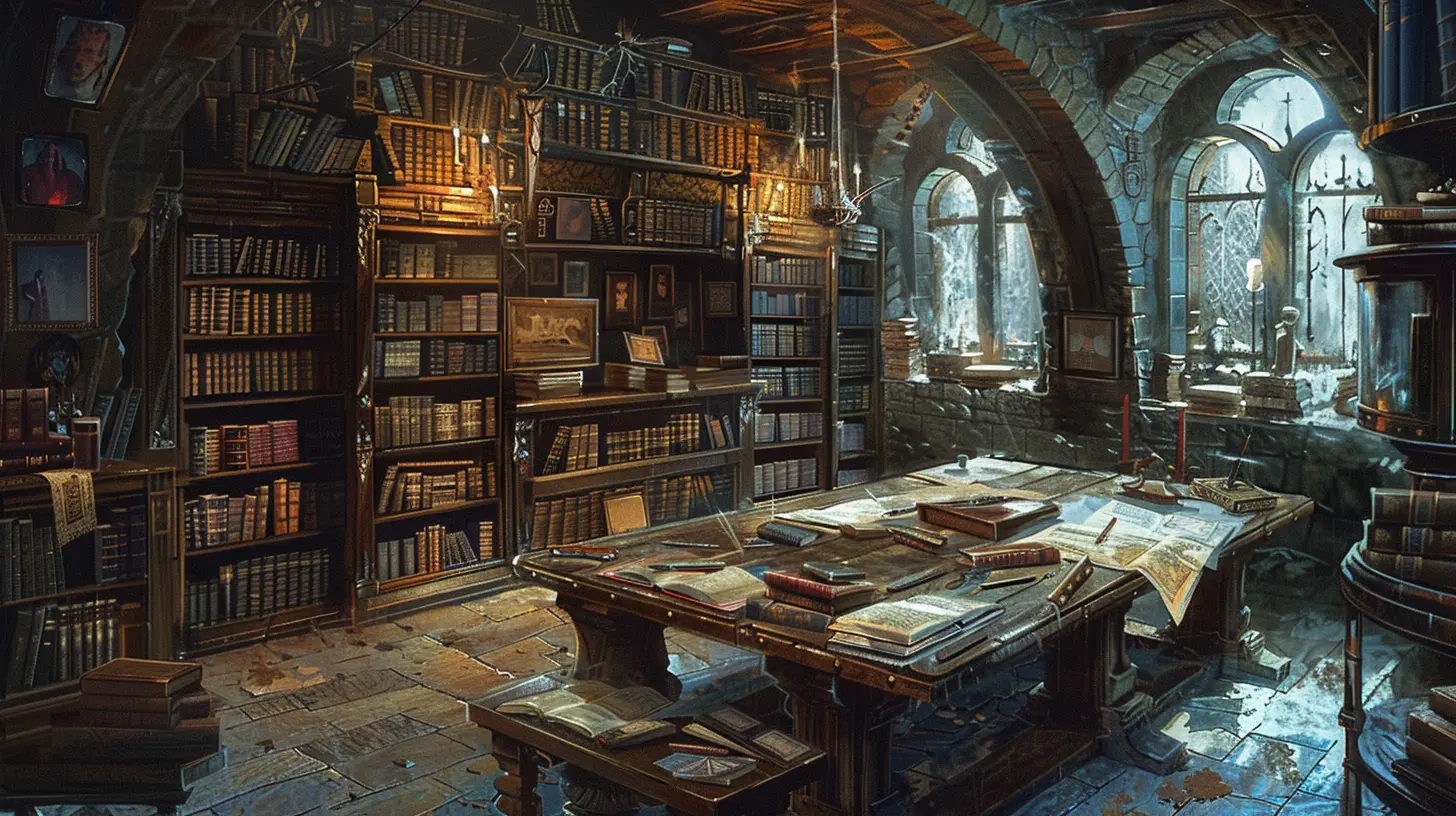
2. The Legend of Zelda: Breath of the Wild – Survival With Style
Nintendo really flipped things on their head with Breath of the Wild. We were used to rupees and heart containers, and suddenly—boom—Link’s cooking meals, forging weapons, and freezing meats on icy mountains.What Makes It Revolutionary?
Every item in the game has a purpose. Pick an apple, roast it over a fire, and you’ve got a better healing item. Mix in some herbs, and suddenly you're Gordon Ramsay with a sword.It’s not just about health—different meals offer buffs like stealth, speed, or cold resistance. The crafting system is seamless, intuitive, and deeply tied to exploration.
Why It Changed Gaming
- Merged cooking, ingredients, and survival beautifully- Encouraged experimentation without penalties
- Reinforced the idea that crafting can enhance open-world exploration
Breath of the Wild proved that crafting doesn’t have to be complex to be powerful. Sometimes, simplicity creates the richest experience.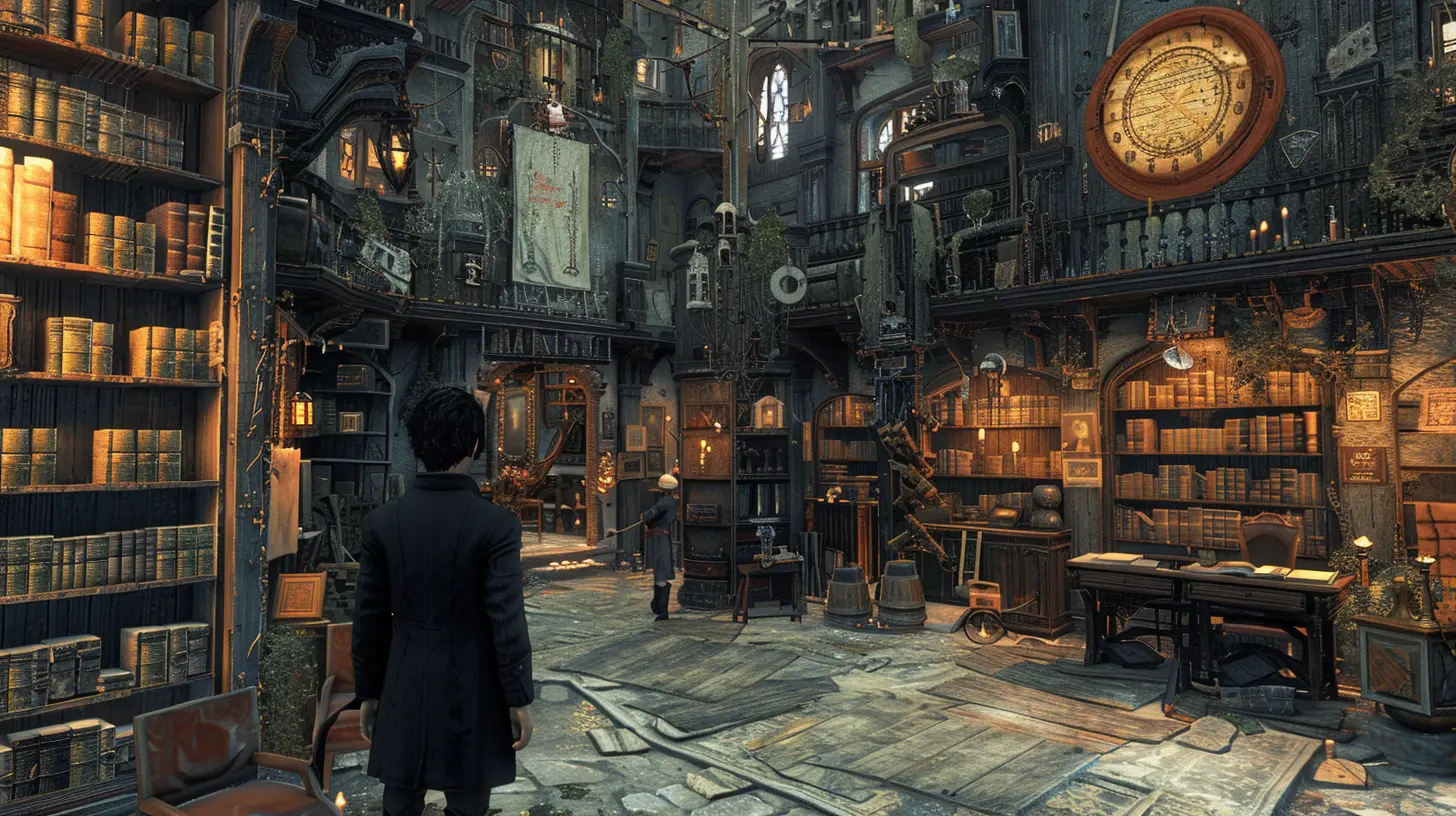
3. Fallout Series – Post-Apocalyptic Ingenuity
Radiation? Check. Mutants? Check. Junk everywhere? Double check. In Fallout, everything’s a tool if you’re desperate enough.What Makes It Revolutionary?
Fallout turned the world into your toolbox. A battered toaster? That’s scrap metal. A toy car? Gears. A lunchbox? That’s now an explosive mine.Especially in Fallout 4, Bethesda cranked things up with settlement building, weapon customization, and power armor crafting. The Wasteland became your workshop.
Why It Changed Gaming
- Turned “junk” into valuable resources- Personalized gameplay through base building and weapon modding
- Blended survival, storytelling, and innovation
Crafting in Fallout makes every corner of the map useful. And let’s be honest, turning a teddy bear into part of a turret system is just plain fun.
4. Monster Hunter Series – Forge, Hunt, Repeat
If you’re gonna take down a giant dragon, you better have the right gear. And in Monster Hunter, that means forging weapons and armor from the beasts you slay.What Makes It Revolutionary?
Monster Hunter made crafting the reward system. Kill a monster, use its claws and hide to make new gear, then use that gear to kill stronger monsters. It’s a never-ending loop of progression, satisfaction, and strategy.Why It Changed Gaming
- Integrated crafting into core progression- Made each monster feel meaningful beyond XP
- Encouraged mastery through gear variety and specialization
Crafting wasn’t just a feature—it was the motivation. Crafting made you want to get better, play smarter, and hunt more.
5. Terraria – 2D Crafting, Infinite Possibilities
Think of Terraria as Minecraft’s cousin who decided to go 2D but kept the same love for creativity and chaos.What Makes It Revolutionary?
With hundreds of items, systems, and materials, Terraria’s crafting goes deep. Armor sets, potions, worlds made of traps and teleporters—it’s all there.And the real magic? Discovering a new ingredient and thinking, “Whoa… what can I build with this?”
Why It Changed Gaming
- Made complex crafting feel approachable- Combined exploration with deep customization
- Built a cult following that’s still thriving years later
Terraria showed that you don’t need 3D to build big. Sometimes, a pixel and a dream are all you need.
6. The Elder Scrolls V: Skyrim – The Blacksmith’s Legacy
Ah, Skyrim. The game where shouting at dragons is normal, and crafting your own legendary blade is part of the fun.What Makes It Revolutionary?
Skyrim took crafting and added layers. You could forge weapons, improve them, enchant them, poison them, and then dual-wield your way through draugr-infested tombs.Alchemy also played a big role—crafting potions and poisons based on ingredients found in the wild.
Why It Changed Gaming
- Let players become true artisans and warriors- Encouraged exploration through resource gathering
- Brought depth to gameplay with enchanting and potion crafting
Whether you were a spell-slinger or a sneaky archer, crafting in Skyrim gave you the power to tailor your journey like a true Dragonborn.
7. Subnautica – Survival Meets Sci-Fi
Crash land on an alien water planet and build your escape—welcome to Subnautica, where crafting literally saves your life.What Makes It Revolutionary?
Subnautica combines crafting with story, exploration, and survival under terrifying alien seas. Want food? Craft it. Oxygen tank? Craft that, too. Underwater base? You guessed it—crafting.It’s tense, beautiful, and incredibly immersive.
Why It Changed Gaming
- Tied crafting directly to survival and progression- Made base-building feel necessary and rewarding
- Inspired a whole wave of underwater and survival sims
In Subnautica, crafting isn’t just helpful—it’s urgent. And that urgency creates a gameplay loop that sticks with you.
8. Valheim – Viking Engineering At Its Best
This Viking-inspired survival game came out of nowhere and took the gaming world by storm. Why? Because Valheim made crafting feel epic.What Makes It Revolutionary?
From your first crude axe to towering longhouses and mead halls, crafting is central to Valheim's charm. Build ships to sail the seas, cook meals for buffs, and gear up for brutal biomes.Why It Changed Gaming
- Balanced survival and sandbox perfectly- Encouraged co-op crafting and teamwork
- Created a brutally beautiful world through construction and design
It’s like Norse mythology meets Pinterest. And the creativity? Off the charts.
The Future of Crafting in Games
Looking ahead, crafting systems are only going to get smarter, deeper, and more immersive. We’re talking:- AI-driven blueprints
- Dynamic environments that affect crafting outcomes
- Multiplayer synergies in crafting roles
- VR integrations for literal hands-on building
What started as mixing herbs in a cauldron is now full-blown engineering, storytelling, and survival. And we love every second of it.
Final Thoughts
Crafting systems have evolved from niche mechanics to genre-defining features. They’ve changed how we explore, how we survive, and how we create. Whether you're hammering out a sword in Skyrim or wiring traps in Terraria, these systems empower players to leave their mark on the game world.They don’t just change the game—they change the player.
So next time you’re gathering twigs in the forest or smashing rocks in a cave, remember: You’re not just picking up junk. You’re preparing for greatness.
Now go craft something legendary.
all images in this post were generated using AI tools
Category:
Item CraftingAuthor:

Tina Fisher
Discussion
rate this article
2 comments
Emmeline McLean
While the article highlights iconic crafting systems that revolutionized gameplay, it overlooks the potential pitfalls of crafting mechanics, such as resource hoarding and gameplay imbalance. A balanced approach to crafting can enhance immersion, but developers must ensure it enhances, rather than detracts from, the overall player experience and narrative engagement.
March 6, 2026 at 5:32 PM
Tina Fisher
You make a great point. Balancing crafting systems is crucial to maintain engagement and avoid pitfalls. Thanks for highlighting that aspect.
Lexi McClendon
Crafting systems transformed gameplay by blending creativity with strategy, proving that the journey of creation can be as thrilling as the outcome.
March 2, 2026 at 3:41 AM
Tina Fisher
Absolutely! The fusion of creativity and strategy in crafting systems truly reshapes gameplay, making the creation process just as exciting as the end result.