The Social Side of Virtual Reality Gaming
23 July 2026
So, you've strapped on your VR headset, grabbed your motion controllers, and dove headfirst into the digital multiverse. You slash swords in pixelated dungeons, blast aliens on distant planets, and soar through worlds that would make a sci-fi novelist weep with envy. But let's pause for a second—have you noticed you're not alone out there?
Welcome to the wonderfully weird and socially vibrant side of virtual reality gaming. We're not just talking about high scores and pixel-perfect aim anymore. Nope. We're talking about friendships, digital dance-offs, awkward virtual hugs, and an entire layer of human connection that’s redefining how we game.
Buckle up, gamer—it’s time to dig deep into how VR gaming isn't just changing our gameplay but reshaping our social lives.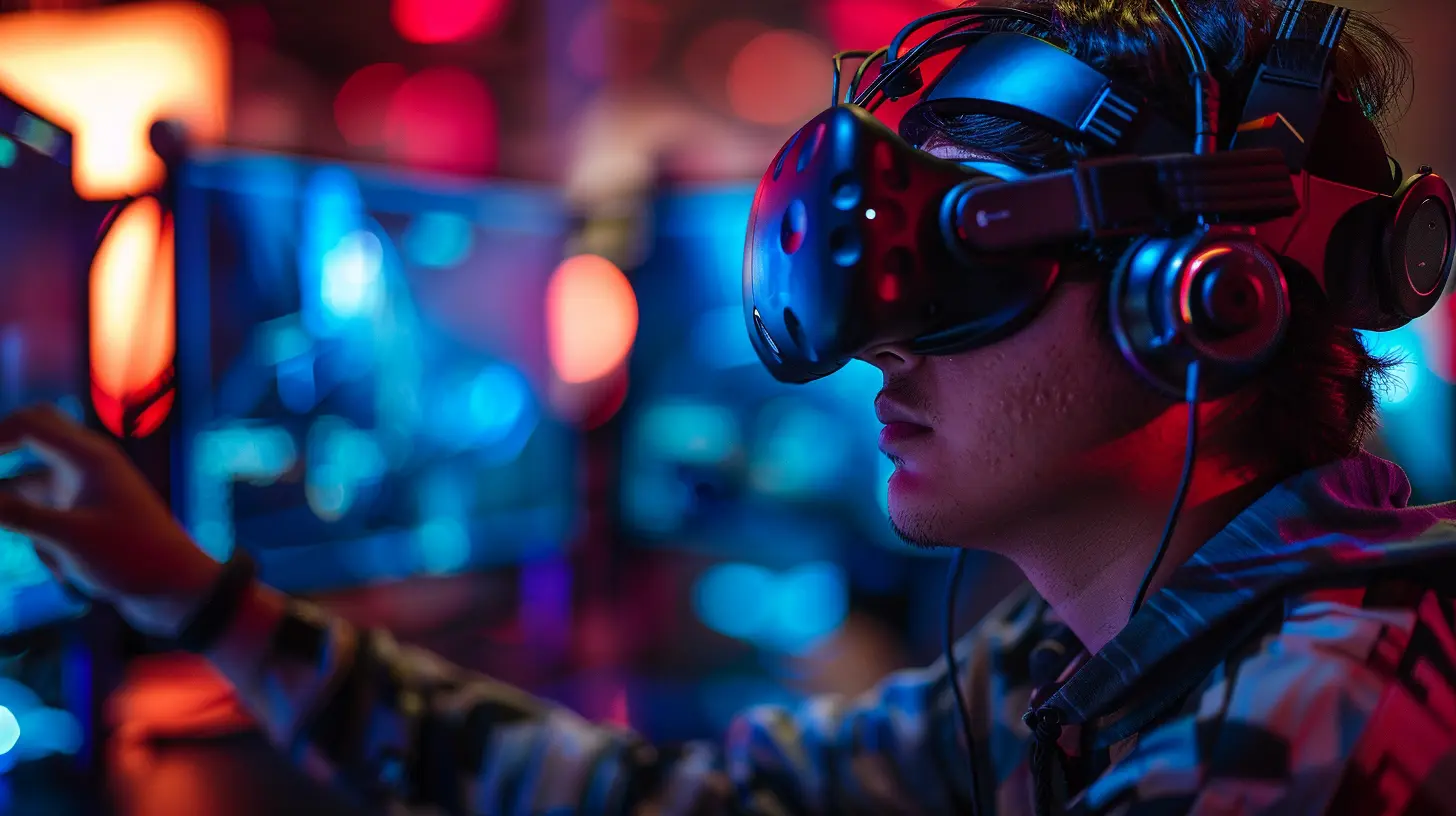
VR: Not Just a Lone Wolf's Paradise
Picture this: It’s 2 AM. You’re in your pajamas in your living room, but in VR, you’re standing around a virtual campfire with three strangers who now feel like close friends. That’s the magic of virtual reality—it tricks both your mind and your heart.One of the biggest misconceptions about gaming, especially VR, is that it's a solitary hobby. But really, it’s turning into quite the opposite. Thanks to social VR platforms like Rec Room, VRChat, and AltspaceVR, players now spend just as much time “hanging out” as they do actually playing the game.
In VR, it’s not just about winning. It's about interaction—like when someone draws a goofy mustache on your avatar and it somehow sparks a 30-minute conversation about 90s cartoons. That’s a social win, right?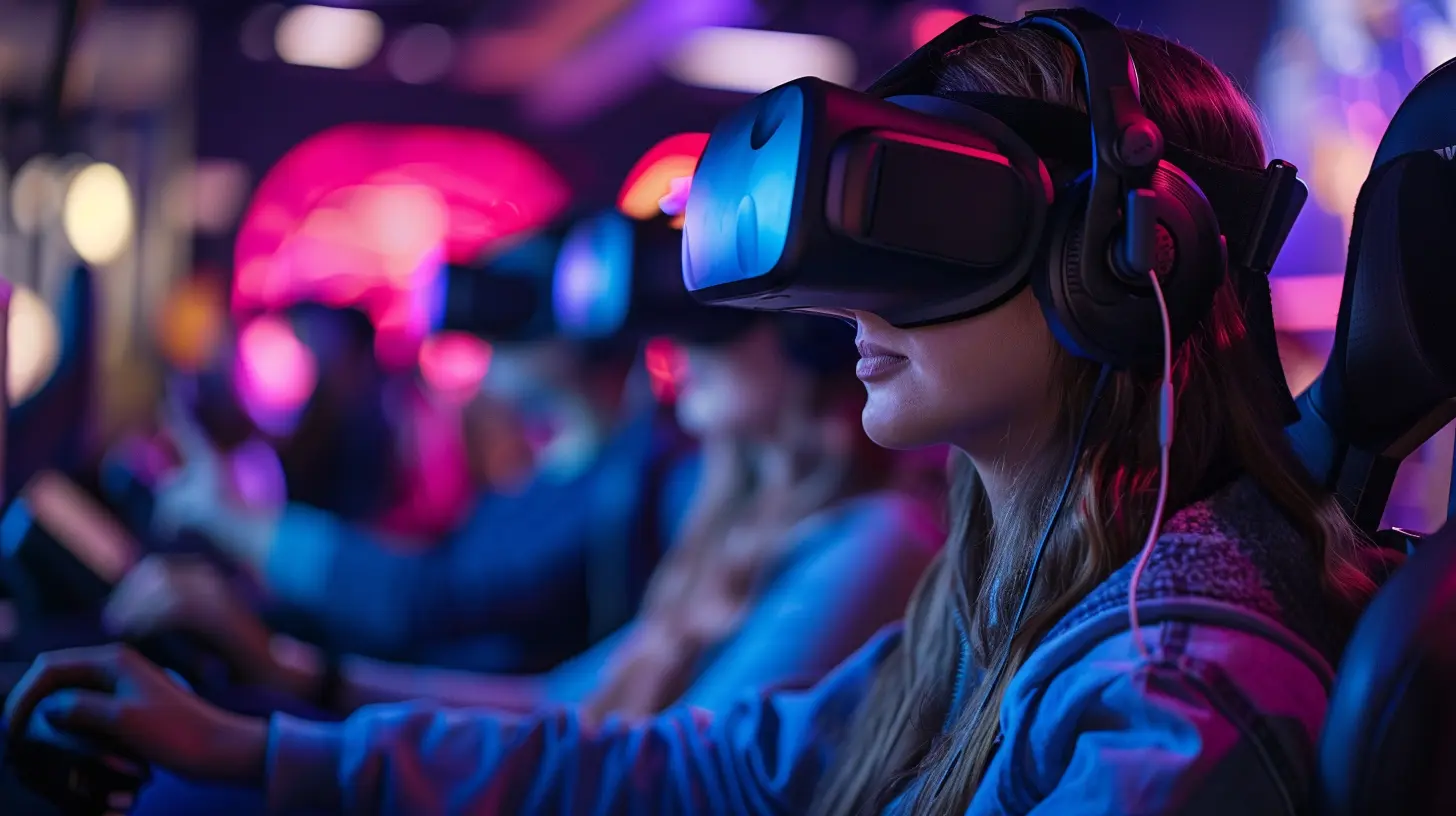
Virtual Hangouts: Like Zoom Calls, But With Lightsabers
Remember those awkward Zoom birthday parties where everyone froze and someone inevitably had their mic muted the whole time? Yeah, VR is like the cooler, more chaotic, lightsaber-wielding cousin of that.In virtual reality, you’re not limited to Brady Bunch-style video tiles. You can dance, throw virtual basketballs, go skydiving, or play beer pong (non-alcoholic, of course… unless your virtual bar says otherwise). And the best part? No one cares if you’re in your underwear in real life—as long as your avatar is dressed to impress.
VR hangouts feel almost surreal. Your brain knows it’s not real, but your senses say otherwise. And because avatars can mirror head and hand movements, there's this weirdly satisfying sense of presence. It’s like being in the same room, minus the body odor.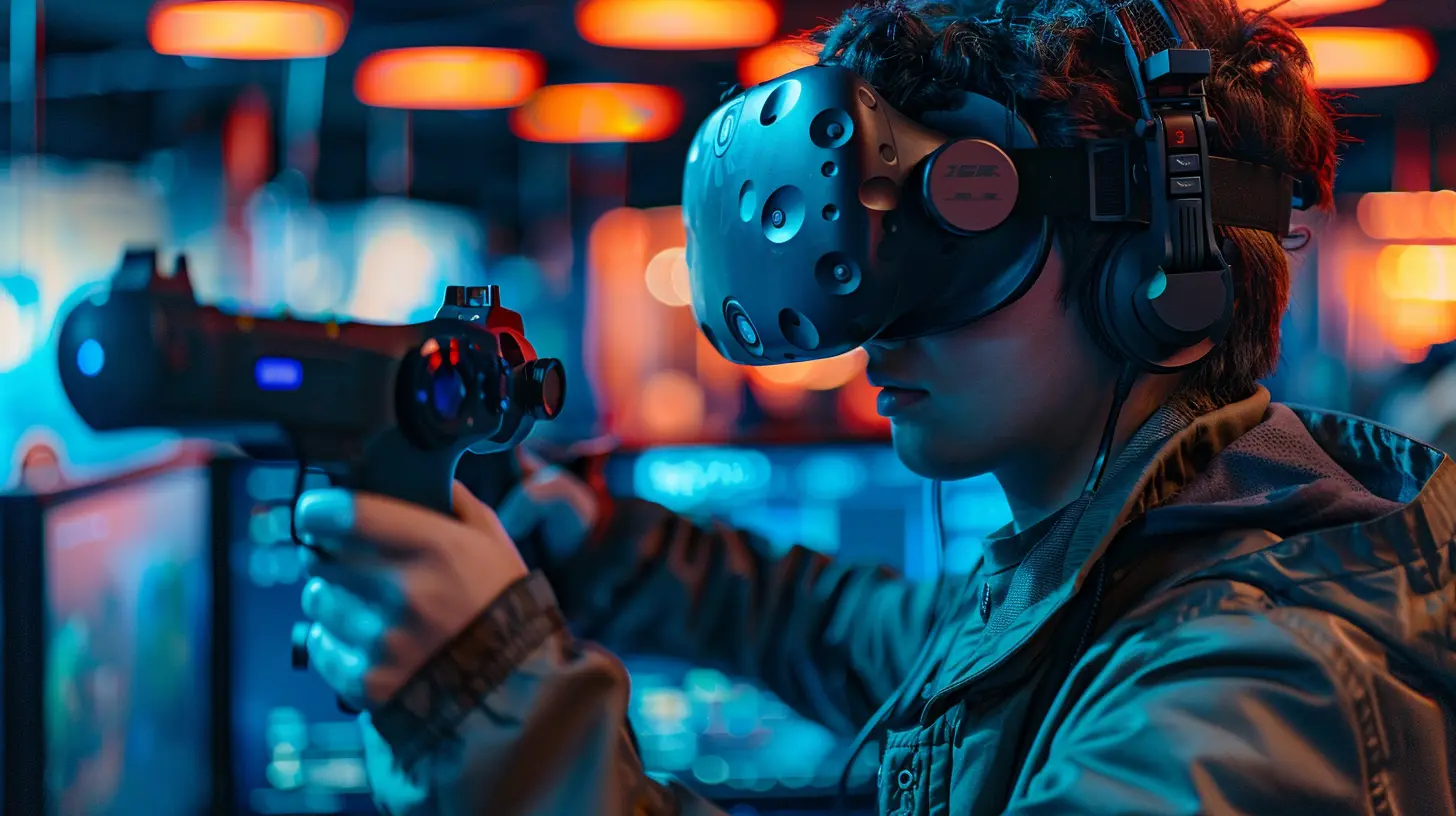
Friendships in 360 Degrees
Let’s get a little real here. Making friends as an adult is tough. But in VR? It suddenly feels surprisingly doable.You can bond over shared missions in games like Echo Arena or Population: One, or just vibe in virtual lounges. Unlike traditional games where social interaction is mostly voice-based and stiff, in VR, the addition of body language and proximity chat makes conversations feel natural.
You're not just a disembodied voice anymore—you're a moving, gesturing being that laughs, waves, and dance-battles. And that leads to genuine connections. There are countless stories of VR buddies turning into real-life friends, road-trip partners, and even wedding attendees.
Seriously—people have gotten married in VR. There were flower girls, cake-cutting animations, and even a priest with a robotic arm. Wild times.
The Rise of VR Communities
That social glue? It’s thickening. Entire communities are cropping up within virtual worlds, complete with their own cultures, events, and inside jokes.Take VRChat, for example. It’s not just a game—it’s a universe. There are open mic nights, art galleries, and full-blown sci-fi clubs. You can be a knight or a cat or a talking loaf of bread. And each persona brings people together in different ways—it’s cosplay, improv theater, and social networking all rolled into one.
And don’t even get me started on Rec Room. With its player-made rooms and group quests, it feels like Minecraft met Facebook at a comic-con and had a virtual baby. Communities here are fiercely active, with event calendars, talent shows, and even support groups.
Social Anxiety? VR Might Be Your Bridge
Now, let's flip the coin. What about folks who find face-to-face interaction nerve-wracking? Here's the good news: VR can be a safe playground to build confidence.For people dealing with social anxiety, autism, or just good old-fashioned shyness, VR acts like social training wheels. You can dip your toes into conversations without the pressure of eye contact. You can work on communication skills, experiment with social cues, and slowly step out of your shell—all while being a banana wearing a monocle if that’s your thing.
And if things ever get overwhelming? Just take the headset off. You literally control your reality. That’s some serious power.
But Wait, There's Drama Too
Of course, where people gather, drama follows. VR is not all rainbows and collaborative paintball matches. Sometimes, virtual worlds get messy.There are trolls, griefers (people who ruin your fun on purpose), and those who don’t understand what "personal space" means—even in a virtual environment. Because, let’s be honest, someone sticking their face through your avatar’s nose isn’t exactly a bonding moment.
Platforms have been trying to handle these issues with features like personal bubbles, mute options, and quick reporting tools. But just like in real life, social VR comes with a responsibility: be cool, don’t be a jerk, and treat avatars like real people—because behind them, they are.
The Metaverse Buzz (And Why It Matters)
Ah yes, the Metaverse—tech's favorite buzzword. But strip away the branding, and what you get is the core idea that these virtual spaces are becoming permanent, persistent, and socially interconnected.Meta (formerly Facebook), Microsoft, and a slew of startups are investing billions into building the "future of social interaction," and VR sits right at its squidgy, digital heart. We're already seeing companies hold virtual meetings in Horizon Workrooms and hangouts in Bigscreen (where you can watch movies together in a fake theater).
The point? VR gaming is laying the groundwork for something bigger. It’s not just about connecting you to other players during a match anymore. It’s about creating a persistent, shared universe where your social life exists alongside your digital persona.
Is VR the Future of Social Gaming?
Okay, okay. So VR might not entirely take over traditional gaming anytime soon. It still has some bumps—like motion sickness, expensive rigs, and the occasional controller toss that breaks your favorite lamp.But the social side? That’s here to stay. It’s evolving, innovating, and becoming central to the VR experience. Whether you’re waving at a stranger in Beat Saber’s multiplayer mode or attending a VR concert with thousands of people from around the world, you can’t ignore the buzz of being there—really there—with others.
And honestly? That’s pretty darn cool.
TL;DR - Why Social VR Gaming Rocks
- You can make friends while wearing a dragon costume (seriously).- It’s a new haven for people with social anxiety to practice being social.
- Communities are thriving like digital cities with niche clubs.
- Virtual hangouts are miles better than awkward video calls.
- Your avatar can dance better than you ever could IRL... and that’s fine.
Final Thoughts: It's Not Just A Game, It's A (Virtual) Life
The social side of virtual reality gaming is more than an accessory—it’s the main questline now. With immersive environments and real-time interactions, VR has cracked open a new dimension of gaming: one that’s deeply human, surprisingly emotional, and endlessly hilarious.So next time you pop into VR, talk to that stranger sitting next to you on the virtual beach. You never know—you might find a friend, a party, or at the very least, someone to help you defeat that pesky level boss.
And isn’t that what gaming’s always been about?
all images in this post were generated using AI tools
Category:
Vr TechnologyAuthor:

Tina Fisher