How Game Pass Makes Indie Games More Accessible
1 July 2026
If you’ve spent any time on Xbox or PC in the past few years, chances are you’ve heard a little something about Game Pass. You know, the Netflix-style subscription service that lets you play hundreds of games for a fixed monthly fee? Yeah, that one.
But beyond the big guns like Halo, Forza, and the latest AAA explosions, Game Pass is actually doing something super cool — it’s giving indie games the spotlight like never before.
Let’s talk about how Game Pass makes indie games more accessible — not just for gamers, but for developers too. Buckle up, this one’s for anyone who’s ever fallen in love with a pixelated masterpiece made by a team of five (or less).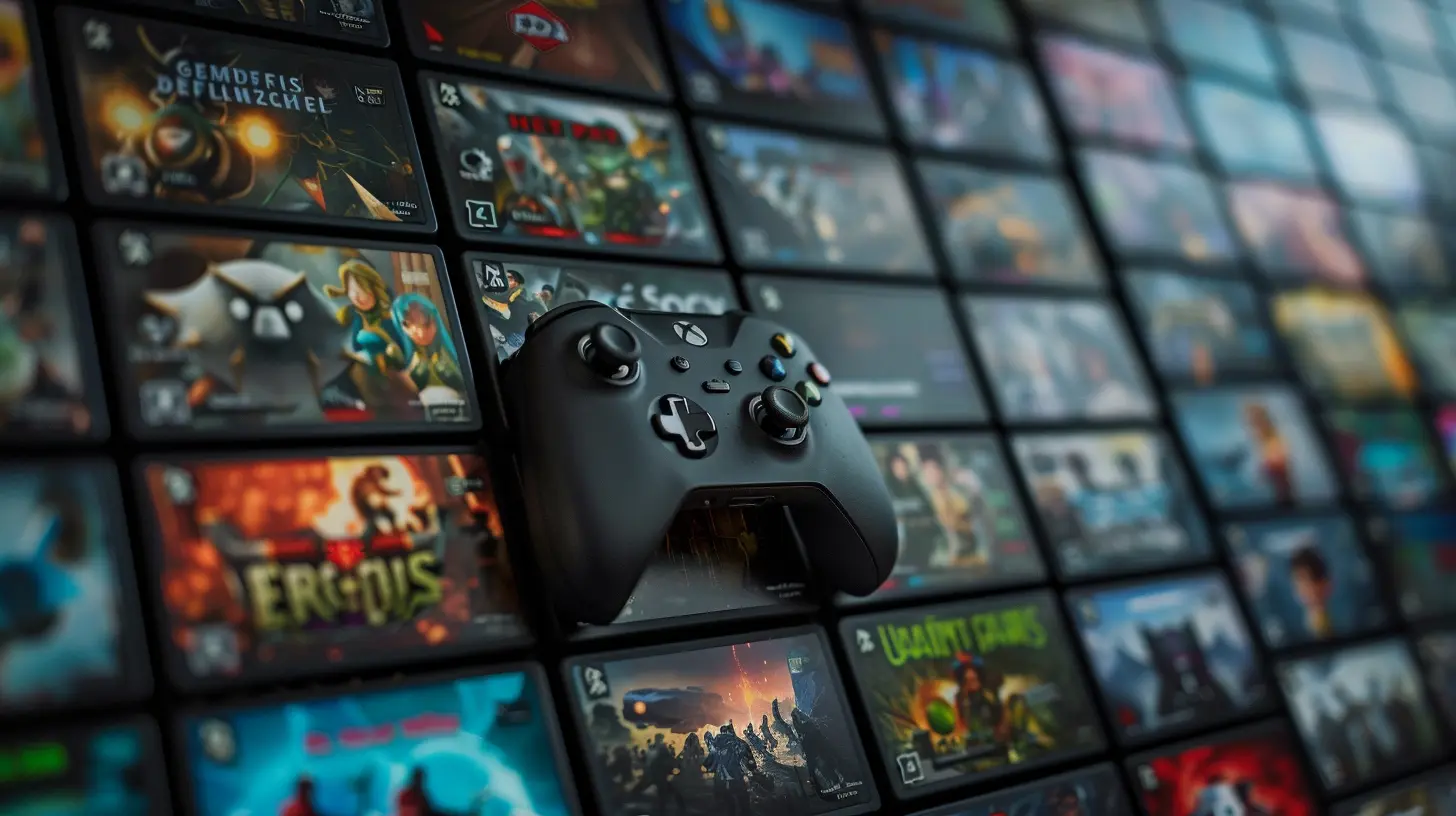
The Big Problem Indie Developers Face
Before we give Game Pass a digital high-five, let’s talk about the elephant in the room: indie games have historically had a bit of a visibility issue.Think about it — with thousands of games launching every year, how does a small developer with no marketing budget compete with billion-dollar studios? Spoiler: they usually can’t.
Sure, sometimes an indie darling breaks through (looking at you, Hades), but for every success story, there's a mountain of games that never get the chance they deserve.
Enter: Xbox Game Pass (The Indie Superhero)
Game Pass swoops in like a gaming superhero in a cape, here to save indie games from obscurity.By offering a platform where subscribers can download and play a game with zero additional cost, Game Pass removes the biggest hurdle for players: commitment.
Let’s be real, how many times have you hesitated to buy a $20 indie title because you weren’t 100% sure you'd like it? We’ve all been there. But when it’s included in your subscription? No brainer.
Try Before You Buy... Without Actually Buying
One of the coolest things about Game Pass is how easy it is to try something completely new.Maybe you’ve never played a narrative-driven farming sim before, but hey, Stardew Valley is sitting there in your Game Pass library with its cute pixel art and chill vibes. Why not give it a whirl?
This “why not?” mentality is fantastic for indie games. It lowers the barrier to entry to almost zero.
In short: players take more risks, developers get more eyes on their creations, and everybody wins.
The Power of Word of Mouth (Indies’ Secret Weapon)
Here's where things get spicy.When people start playing these indie titles, they talk about them. They post screenshots, write Reddit rants, or gush to their friends. Suddenly, these small games get the kind of buzz money can’t buy.
Game Pass doesn’t just provide access — it creates a ripple effect across the gaming community. And for indie devs, that’s gold.
A perfect example? Loop Hero, Death’s Door, Celeste — all games that exploded in popularity thanks to strong word of mouth combined with accessibility.
Financial Support = Creative Freedom
You might be wondering, “Okay, but how do developers make money if their games are free on Game Pass?”Excellent question, my curious friend.
Microsoft actually pays developers to have their games on Game Pass. The deals vary — some get paid a flat fee, others get revenue based on downloads or playtime. Regardless, the key takeaway is this: having a game on Game Pass can offer financial stability.
And you know what that means? More freedom to take risks, create weird and wonderful things, and focus on gameplay rather than chasing trends.
So yep, Game Pass isn’t just helping devs survive — it’s helping them thrive.
More Players = More Feedback = Better Games
When more people play a game early on, developers get a truckload of feedback — fast.This is especially true for indie games that launch in early access or receive regular updates. Game Pass essentially becomes a testing ground, helping devs fine-tune their creations with real-world input.
Better feedback, faster iteration, less guesswork. It's a win-win that helps devs improve, and gives players better experiences.
Let’s call it what it is: a virtuous indie gaming cycle.
PC Gamers Rejoice, Too!
Let’s not forget our PC folks. Game Pass isn’t just an Xbox thing anymore — Game Pass for PC is thriving, and it’s bringing those indie gems to a whole new audience.Mouse and keyboard fans can now dive into the same games console players do, expanding the community, and giving indie titles cross-platform love.
It’s not just access — it’s accessibility on every level.
The “Hidden Gems” Tab Is Basically A Treasure Map
If you’ve ever opened up the Game Pass app, you’ve probably seen the “Indie” or “Hidden Gems” section. That’s not just clever marketing — it’s a curated shout-out to games that might otherwise go unnoticed.Think of it as the friend who eagerly nudges you and says, “Dude, trust me. You have to try this.”
Suddenly, small developers aren’t shouting into the void anymore. They’re getting actual promotion backed by one of the biggest names in gaming.
Streaming Expands the Reach Even More
Thanks to Xbox Cloud Gaming (part of the Game Pass Ultimate subscription), you don’t even need a console or high-end PC to play most games on the service.That means indie games are now available on phones, tablets, laptops — basically anything with a screen and an internet connection.
You could be playing Slay the Spire on your lunch break or Undungeon while chilling on the couch. The possibilities are endless, and the convenience? Chef’s kiss.
Making Room for Creative Diversity
Here’s a spicy take: the gaming industry needs more weirdness.We don’t always need another shooter with a gruff, stubbly protagonist. Sometimes we need a charming story about depression wrapped in a 2D platformer (Celeste) or a cosmic horror deck-builder (Inscryption).
Game Pass gives these unique, genre-bending titles the platform they deserve — and gamers the variety they didn’t even know they wanted.
A Global Stage for Small Teams
Game Pass isn’t just for US or UK-based studios. It’s become a global stage, giving exposure to indie games from all over the world.Whether it's a Brazilian horror puzzler, a French poetic platformer, or a Taiwanese RPG, Game Pass opens the door for cultural storytelling in a big way.
Gamers get fresh perspectives, and devs get recognition in places they never imagined. That’s seriously powerful stuff.
Community Hype = Sustained Interest
Let’s talk about staying power.Games on Game Pass often benefit from longer relevance. Because there’s a rotating library, people are constantly checking out what’s new — and rediscovering what they missed.
It’s not uncommon for an indie game to get a second wind months after launch, all thanks to a wave of new players jumping in because it was added to Game Pass.
Developers love that. Players love that. Everyone loves that.
Let’s Be Honest — Indie Games Are Just Awesome
Can we take a moment to appreciate how creative, emotional, and downright addictive indie games are?They're the beating heart of the industry, unafraid to take chances and push boundaries. They tell personal stories. They experiment with style and gameplay. And most importantly, they’re made with love.
Game Pass giving them a bigger stage to shine is something we should all celebrate.
Final Thoughts: Game Pass Is Changing the Game (Literally)
In a world where visibility is everything, Game Pass is giving indie developers a rare and powerful gift: access.Access to players, exposure, feedback, financial support, and creative freedom. It’s not just making things easier — it’s reshaping the entire indie landscape.
So the next time you boot up Game Pass, maybe skip past the AAA titles for a moment and click that quirky-looking game with the hand-drawn art and the weird name.
You might just fall in love with your next favorite game — and help a developer keep doing what they love, too.
TL;DR – Why Game Pass Is a Win for Indie Games
- Removes the risk for players to try indie titles- Gives developers financial security and exposure
- Boosts word-of-mouth marketing
- Supports wider community feedback
- Expands access through streaming and PC
- Encourages diversity in storytelling and gameplay
- Helps indie games build long-term traction
Long story short? Game Pass isn’t just a subscription — it’s a game-changer. Literally.
all images in this post were generated using AI tools
Category:
Game Pass GamesAuthor:

Tina Fisher
Discussion
rate this article
1 comments
Zander McAnally
Game Pass shines a light on indie developers, offering them a platform to reach wider audiences. This not only broadens player choices but also nurtures creativity, allowing unique voices to flourish in a landscape dominated by big-budget titles.
July 7, 2026 at 2:45 AM
Tina Fisher
You're absolutely right. Game Pass really does provide indie developers with a valuable opportunity to showcase their creativity and reach more players. It's exciting to see such diverse voices gain visibility in the gaming world.