The Role of Nostalgia in Modern Game Design
3 February 2026
Let’s face it. We all love a good throwback.
Whether it's booting up a retro console or hearing that iconic startup sound from the PlayStation 1, there's something magical about gaming's past that keeps calling us back. But have you ever wondered why modern games often look — and even feel — like the ones we grew up playing? That’s not by accident. It’s nostalgia, and it’s become a powerful tool in modern game design.
In this article, we're going to pull back the curtain on how nostalgia influences today’s games, why developers lean into it so hard, and what it means for gamers like us. So grab your favorite old-school controller (even if it's just for emotional support) and let's dig in!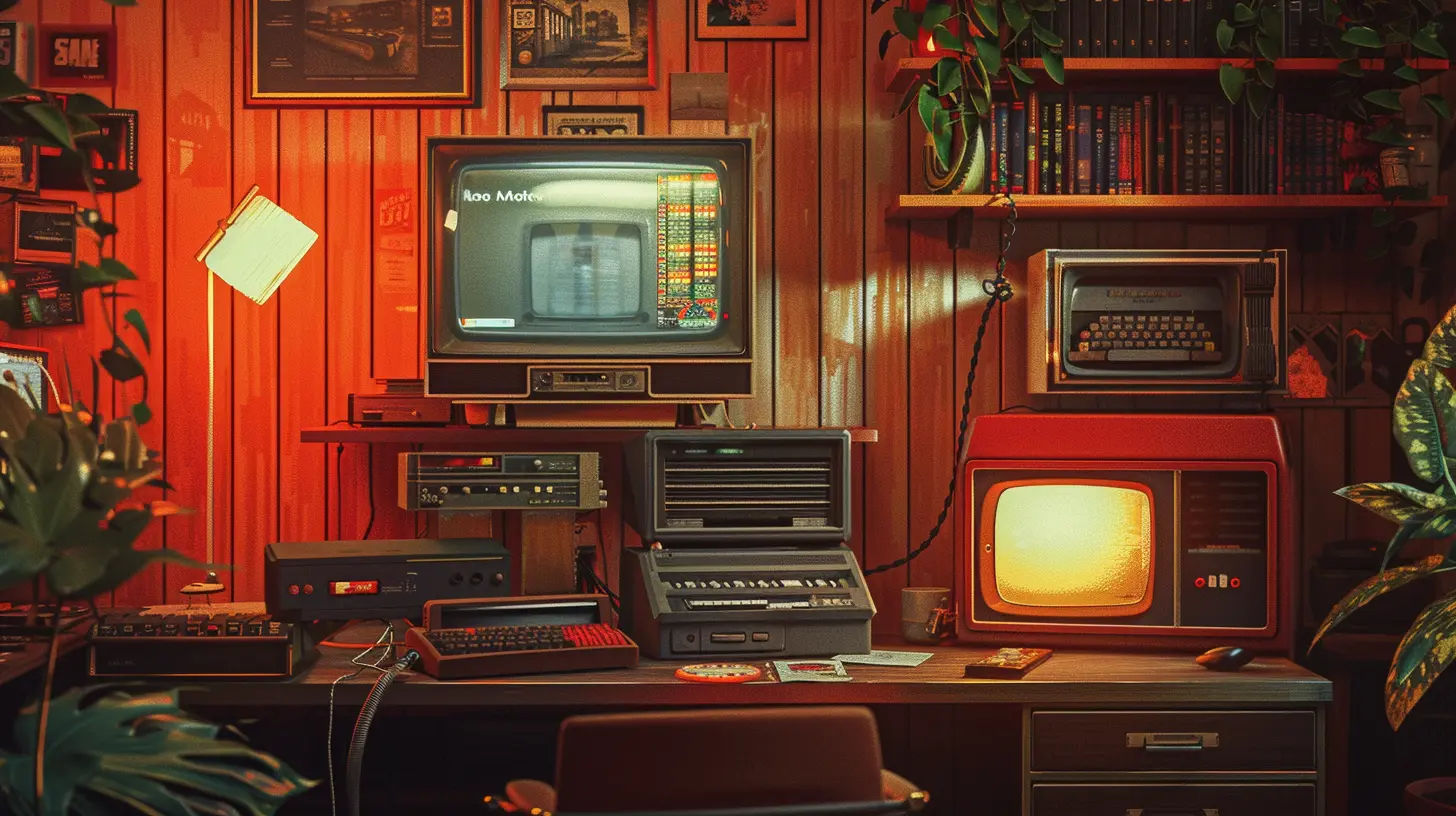
What Is Nostalgia in Gaming, Really?
Nostalgia is that fuzzy, emotional feeling you get when something reminds you of the good old days. In gaming, it's hearing 8-bit chiptunes or seeing pixelated graphics that take you back to your childhood. It’s not just a memory; it’s a vibe — a powerful emotional connection tied to simpler times, possibly even your very first gaming adventure.And let’s be real — who doesn’t fondly remember blowing into NES cartridges or staying up all night with friends trying to beat that one impossible level?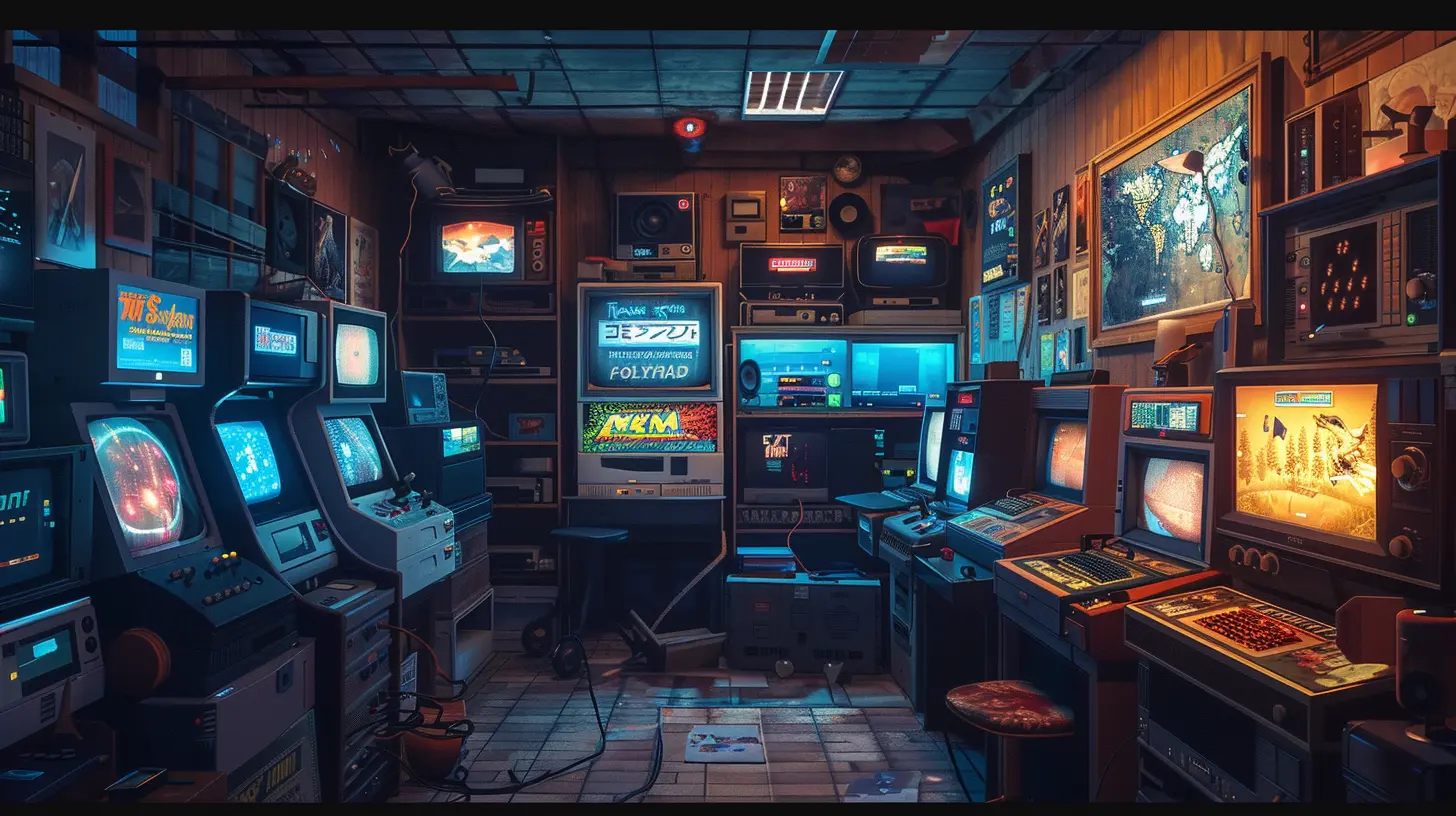
Why Game Developers Tap Into Nostalgia
So, why would game developers—armed with cutting-edge tech and massive budgets—purposely throw in chunky graphics and MIDI music that sounds straight out of 1992?Simple. Nostalgia sells. But there's more to it.
1. Emotional Engagement
Think about your favorite classic game. You probably remember where you were, who you were with, and how you felt. That emotional engagement is gold for developers.Nostalgia creates an instant emotional connection. It's like a cheat code for engagement. When players feel emotionally attached to a game’s aesthetic or mechanics, they're more likely to keep playing, spending, and sharing.
2. Built-In Audience
When a new game borrows elements from the past, it doesn't need to start from scratch. There’s already a fanbase hungry for that particular style or vibe. Case in point: "Streets of Rage 4." When Sega brought this side-scrolling beat 'em up back, old fans rushed in—and newer players curious about retro culture followed.3. Creative Constraints Can Be Inspiring
Ironically, limiting technology actually inspired some of the most iconic game designs in history. In seeking to emulate 8-bit or 16-bit aesthetics, modern developers often find themselves thinking more creatively. Ever wonder why indie games like "Celeste" or "Undertale" feel so fresh despite their retro looks? They’re powered by that same spirit of innovation through limitation.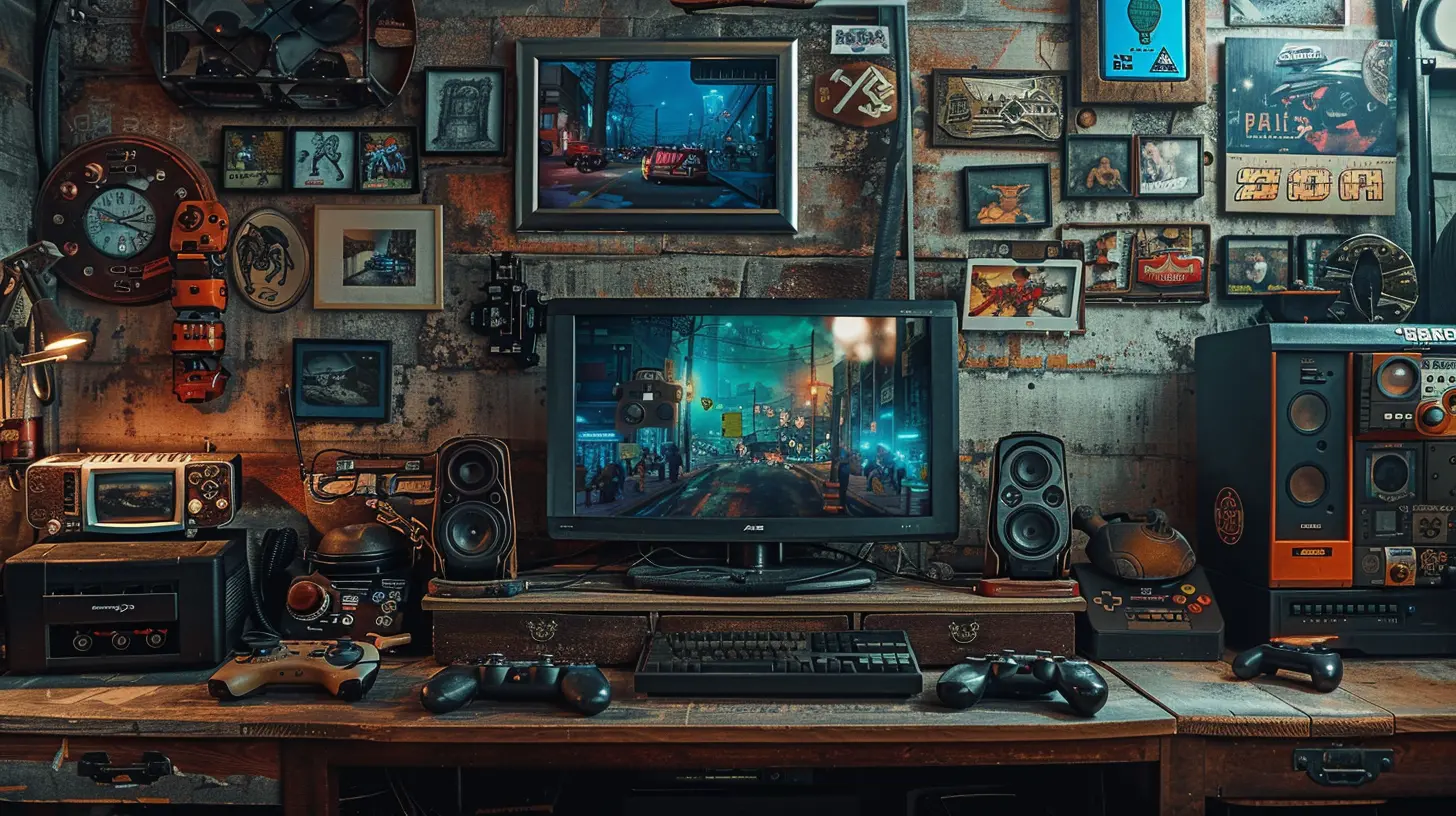
How Nostalgia Shows Up in Modern Games
Nostalgia isn’t just about using pixel art and calling it a day. It runs much deeper and shows up in multiple aspects of game design.Aesthetic Vibes: The Art Style That Hits Home
Games like "Shovel Knight" or "Octopath Traveler" don’t just mimic old visuals — they reimagine them. “Octopath Traveler” even coined its own term: HD-2D, mixing retro sprites with modern lighting and effects. It’s like giving your childhood games a facelift while keeping their soul intact.Sound Design: The Music That Time-Traveled
The moment that 8-bit melody kicks in, your brain lights up like it’s 1995. Nostalgic sound design is another major magnet. Today’s composers blend modern audio production with retro synths to create tracks that feel both classic and new.Games like "Hyper Light Drifter" or "The Messenger" use this perfectly. It's like your ears are in the past while your eyes are in the present.
Mechanics That Feel Familiar
Remember when games were hard? I mean, like rage-quit hard?Many modern titles go back to those roots with punishing difficulty spikes, unforgiving save points, and deliberate gameplay pacing. Think "Dark Souls" or "Cuphead" — both absolutely brutal, but satisfying in that old-school way.
Even game genres thought to be relics of the past — like 2D platformers — are thriving again, thanks to games such as "Hollow Knight" and "Celeste."
Storytelling Like the Old Days
Back then, stories weren’t told through giant cinematics or endless exposition. You just figured stuff out through gameplay. Modern games are returning to that minimalist style.Take "Limbo" or "Inside," for instance. There’s barely any dialogue, and yet these games tell powerful, emotional stories — just like the old days.
Indie Developers and the Nostalgia Wave
While big studios dabble in nostalgia, indie developers live in it. Why?Because it's cheaper, relatable, and honestly, freeing. You don’t need a billion-dollar budget to make a game that feels meaningful. Sometimes, you just need heart — and maybe a pixel or two.
Games like "Stardew Valley" — heavily inspired by "Harvest Moon" — have proven that you can take a nostalgic idea and not only recreate it but elevate it.
The Risk of Relying Too Much on Nostalgia
All warm fuzzies aside, nostalgia isn’t a golden ticket. Relying on it too much can backfire.1. Stagnation
If everyone just keeps remaking the same genres and art styles from the past, where’s the innovation? Nostalgia might feel cozy, but it can also act like a creative crutch.2. Rose-Tinted Glasses
Sometimes, our memories lie to us. A game you loved in the '90s might actually be super clunky by today’s standards. If developers cling too tightly to outdated mechanics or visuals, it could leave new players scratching their heads.3. Alienating New Audiences
A 15-year-old gamer in 2024 might not care about the SNES era. Overloading a game with retro references might alienate players who weren’t there for the original moments.So yeah, nostalgia is a great seasoning — but it shouldn't be the main course.
Nostalgia vs. Innovation: Finding the Balance
The best modern games know how to walk the tightrope. They use nostalgic elements to draw you in but deliver modern mechanics and experiences to keep you hooked.Games like "Hades" blend old-school roguelike roots with buttery-smooth gameplay and AAA polish. It’s familiar enough to feel cozy, but new enough to feel exciting.
This balance is where the magic happens. Innovation rooted in reverence, not repetition.
What This Means for Gamers Like Us
Whether you're a lifelong gamer or someone just discovering retro-style titles, nostalgia in game design adds a layer of emotional depth that’s hard to fake. It’s not just about remembering — it’s about feeling. Feeling something real, rooted in our past while playing something totally new.The next time you get goosebumps from an 8-bit tune or feel that "just one more try" itch from a brutally hard boss fight — you’ll know. That’s nostalgia doing its thing. And it’s absolutely here to stay.
Final Thoughts
Nostalgia in game design isn’t about living in the past. It’s about making the past part of the present. Game designers today are crafting experiences that speak to our childhoods without trapping us there. They’re using our memories as building blocks, not barriers.So whether it's a remake, a spiritual successor, or simply a new game with old-school flavors, nostalgia will continue shaping the way games look, sound, and play — all while giving us a big, pixelated hug from the past.
Keep your controllers charged, and your hearts open. This retro ride is far from over.
all images in this post were generated using AI tools
Category:
Game TrendsAuthor:

Tina Fisher
Discussion
rate this article
2 comments
Zayn Patel
Great read! Nostalgia in game design truly balances innovation with cherished memories. It’s fascinating how developers can evoke emotions while creating new experiences. Thank you for highlighting this important aspect of gaming culture!
February 17, 2026 at 4:15 AM
Tina Fisher
Thank you for your thoughtful comment! I'm glad you enjoyed the article and appreciate the nuanced relationship between nostalgia and innovation in gaming.
Selkie Butler
Nostalgia: the cheat code for creativity!
February 5, 2026 at 3:40 PM
Tina Fisher
Absolutely! Nostalgia taps into our emotional connections, inspiring creativity and innovation in game design by blending beloved elements with fresh ideas.