Starting Strong: How the Opening Sets a New Standard
6 January 2026
When it comes to any great experience—whether it’s a book, a movie, or even a video game—the opening scene is where it all begins. It’s the hook that pulls you in, the spark that lights the fire, and the moment when you decide, “This is worth my time.” Think about it: would anyone have cared about The Last of Us if its first 15 minutes hadn’t torn their hearts out? Or would the opening of Elden Ring, with its epic world-building and daunting enemies, still be as memorable if it didn’t punch you right in the gut with its sheer scale?
The opening of anything sets the tone. It’s like a first date for your brain—mess it up, and people swipe left (mentally, anyway). But nail it, and it leaves an unforgettable impression that keeps people coming back for more. Let’s break down why the opening matters so much, how it sets new standards in gaming, and how developers are mastering the art of a killer starting point. 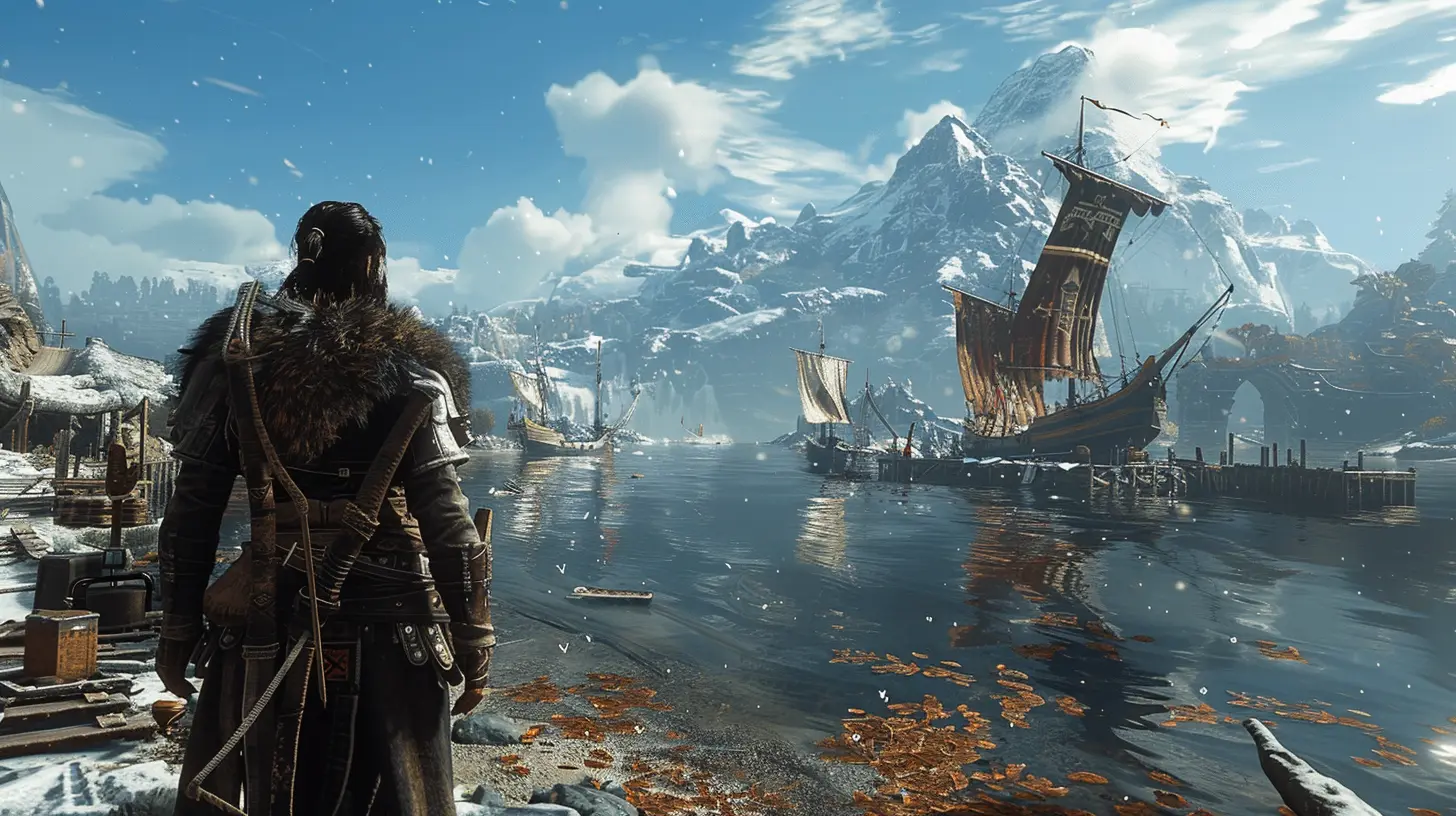
Why Openings Carry So Much Weight
Picture this: you load up a new game, and within five minutes, you’re yawning. Been there, right? First impressions really matter. The beginning of a game paves the way for what’s to come, and it’s the moment where players form their expectations. If your introduction makes you go, "Wow, that's awesome," you're already strapped in for a good ride.Openings are more than just tutorials—they’re an unspoken promise. They tell you, “Hey, this is what you’re getting into,” and they plant the seeds of curiosity. Think of them like appetizers at a fancy restaurant. You don’t just want bread and butter; you want garlic knots with melty cheese that make you think about the entrée.
Setting the Mood
A good opening does more than just teach you how to swing a sword or sprint across rooftops—it sets the vibe. Whether it’s the haunting desolation of Bloodborne, the explosive chaos of DOOM, or the cinematic brilliance of Red Dead Redemption 2, the atmosphere in the opening moments lets you know what kind of world you’re stepping into.Take Hollow Knight, for example. In the first moments, you’re dropped into a mysterious, eerie underground kingdom that feels massive and empty all at once. No dialogue, no exposition—just a subtle sense of isolation. It doesn’t just pull you in; it whispers, “There’s a story here, and it’s up to you to find it.”
Or consider games like Cyberpunk 2077, where you choose your origin story. Each path starts differently, giving you a taste of the world through different lenses. It’s clever, right? It doesn’t just set the tone; it molds your personal experience.
Hooking the Player
We’ve all been there: you start a game hoping for greatness, but the intro drags. You’re stuck in an endless tutorial, listening to awkward NPCs explain basic mechanics. Cue eye roll. A great opening doesn’t waste your time—it grips you from the first click.Let’s talk about God of War (2018) for a moment. The game practically screams brilliance in its first 30 minutes. There’s no endless splash screen or a long-winded cut scene; you’re immediately thrust into an emotional, yet action-packed sequence where you drive Kratos and Atreus to cremate their loved one. Oh, and if that’s not enough, within moments, there’s a showdown with "The Stranger"—and you’re fighting on a level you’d normally save for a finale. That’s how you demand attention.
It’s all about balance. You don’t want an opening so overwhelming that the rest of the game feels weak by comparison, but you also can’t afford to lull players into boredom. Hooks don’t just grab attention—they keep it. 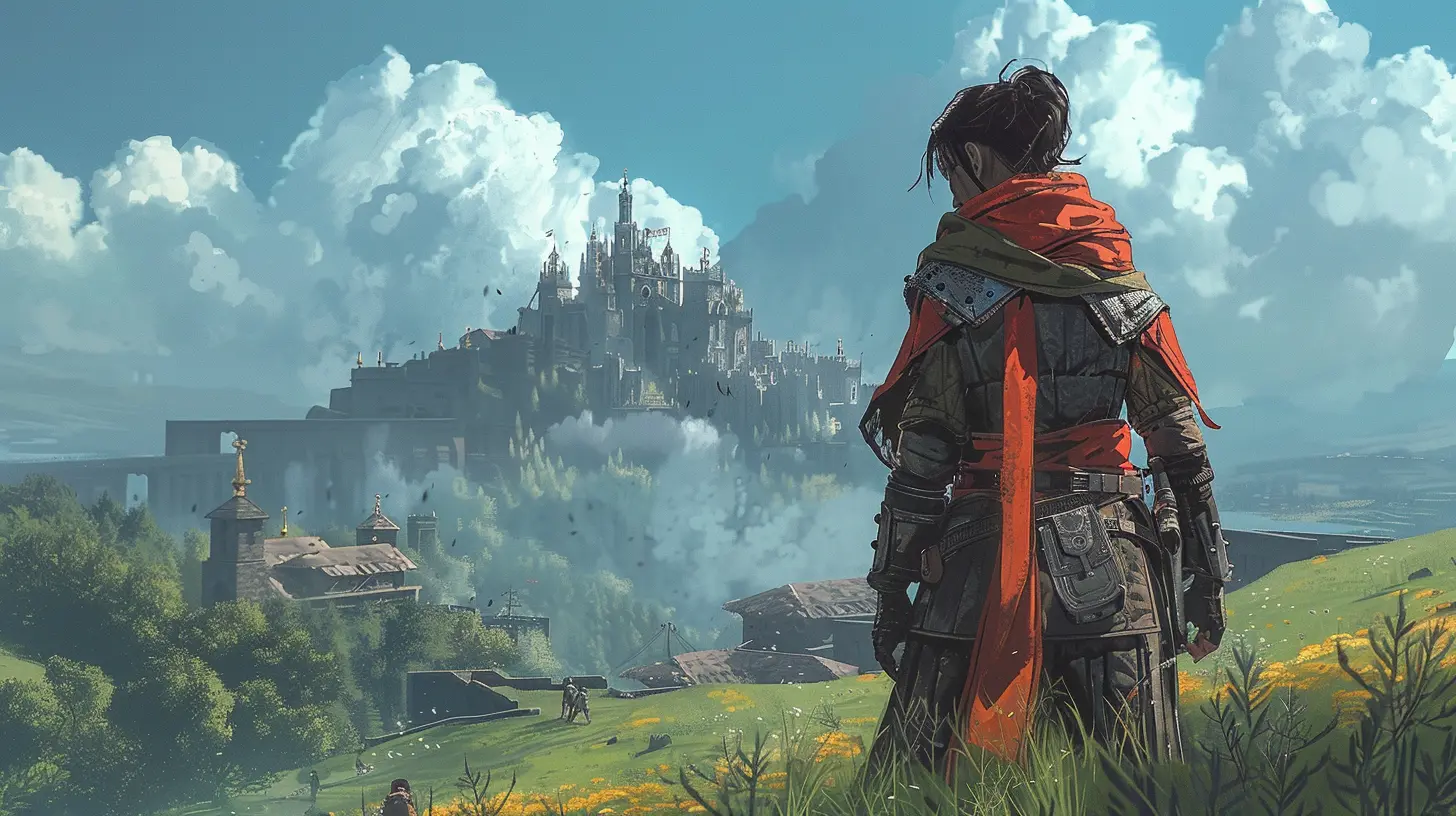
The Role of Narrative
Great openings don’t just set the gameplay tone—they establish the story. Whether it’s a personal tale of vengeance or a vast epic about saving the universe, the first few moments have to make you care.In The Witcher 3, you start with Geralt in a cozy inn, but the atmosphere is dripping with tension. You’re already chasing down a critical lead on Yennefer, and flashbacks build emotional weight. It’s cozy storytelling mixed with urgency. By the time you’ve fought your first beast and hit the sprawling world map, you’re already invested.
Contrast that with something like Bioshock, where you’re immediately thrust into an eerie dystopia, soaked in mystery. The very first moments—even before you encounter the phrase, “Would you kindly?”—are a masterclass in world-building. The narrative hooks you because it leaves so many questions unanswered.
Introducing the Stakes
Let’s be real—if you don’t understand the stakes, why even care? Openings need to show you what you’re fighting for (or against) early on. In Horizon Zero Dawn, Aloy’s backstory as an outcast isn’t just a random prologue; it’s a core part of her identity. You’re not just exploring a post-apocalyptic, robot-filled world—you’re chasing answers tied directly to the emotions established from the get-go.It’s the same trick Final Fantasy VII uses. That bombastic opening sequence where Cloud and Barret blow up a reactor? It’s not just about action—it’s about establishing a rebellion and a cause that feels larger than life.
Mechanics as Storytelling
Here’s the thing: a killer opening doesn’t just rely on plot—it uses gameplay mechanics to enhance the story. A great example? Portal. In the first 10 minutes, you’re solving puzzles using the portal gun, sure, but you’re also absorbing the sterile, creepy vibe of the Aperture Science facility. Even the sarcastic voice of GLaDOS becomes part of the story.Similarly, Inside (from the creators of Limbo) starts with nothing but movement. No words, no tutorials—just you, running from danger in a bleak, oppressive world. The way the game teaches you mechanics through trial, error, and context is pure genius. 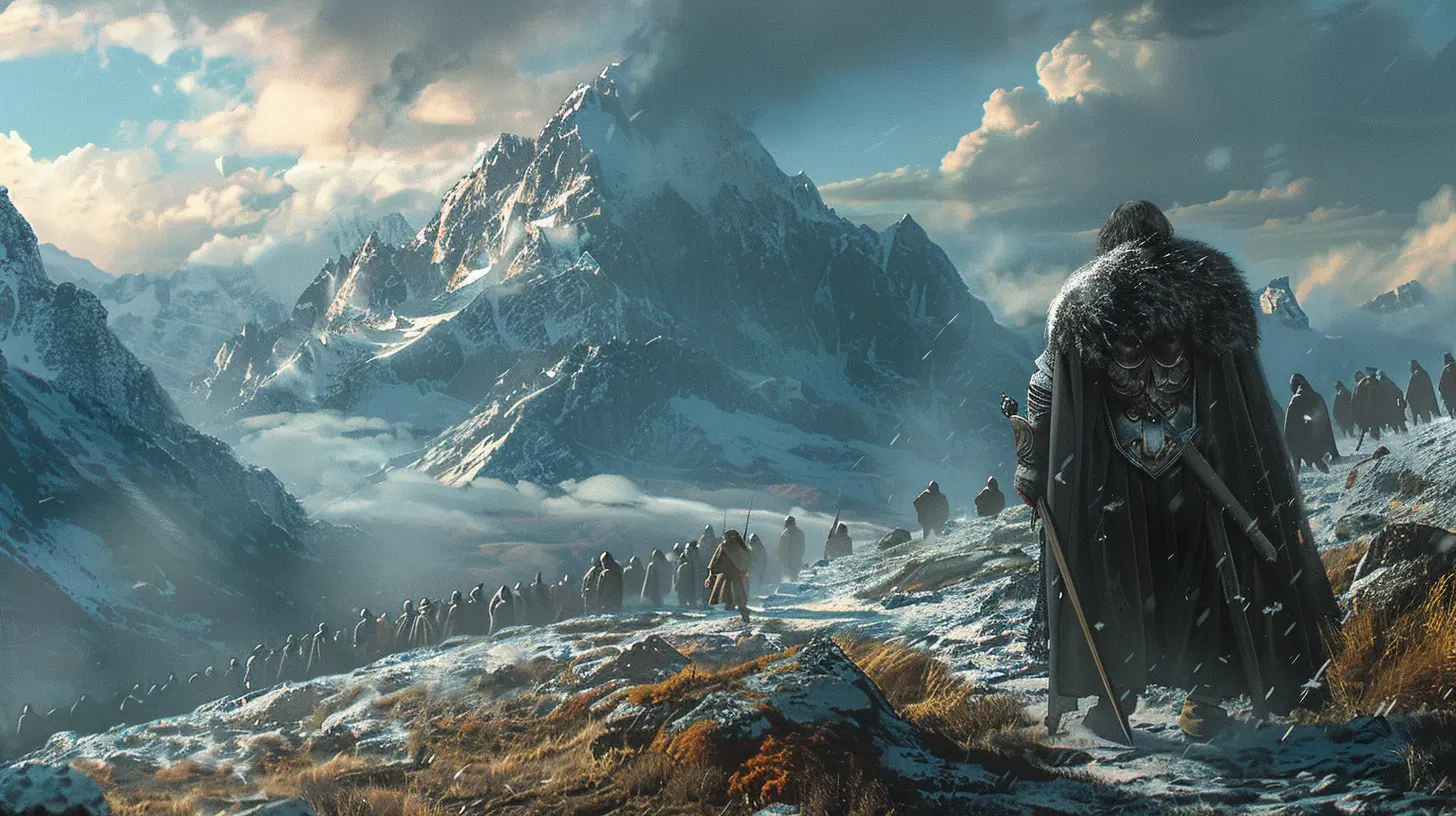
Raising the Bar: How Openings Set New Standards
The best openings don’t just grab your attention—they push the industry forward. They become blueprints for how games should tell stories, set up emotional arcs, and immerse players in their worlds. Every new standard challenges developers to think bigger, smarter, and more creatively.Take Elden Ring—a game that took the open-world concept and ran with it, literally. That opening moment where you step out into The Lands Between? It’s breathtaking. The sheer freedom to explore, coupled with an immediate sense of dread (thanks, Tree Sentinel), sets a benchmark for how exploration-driven RPGs should start.
Another revolutionary example is Metal Gear Solid V: The Phantom Pain. The harrowing hospital escape at the beginning is unlike anything else. It’s intense, cinematic, and a little horrifying—proving that games don’t need to hold your hand to make an impact.
Developers Who Get It Right
Not every developer nails it, but those who do deserve major props. Studios like Naughty Dog, FromSoftware, CD Projekt Red, and even indie darlings like Team Cherry (shoutout to Hollow Knight) are masters of crafting memorable openings.Why? They understand pacing. They know the balance between too much exposition and just enough intrigue. And perhaps most importantly, they respect the player’s time. 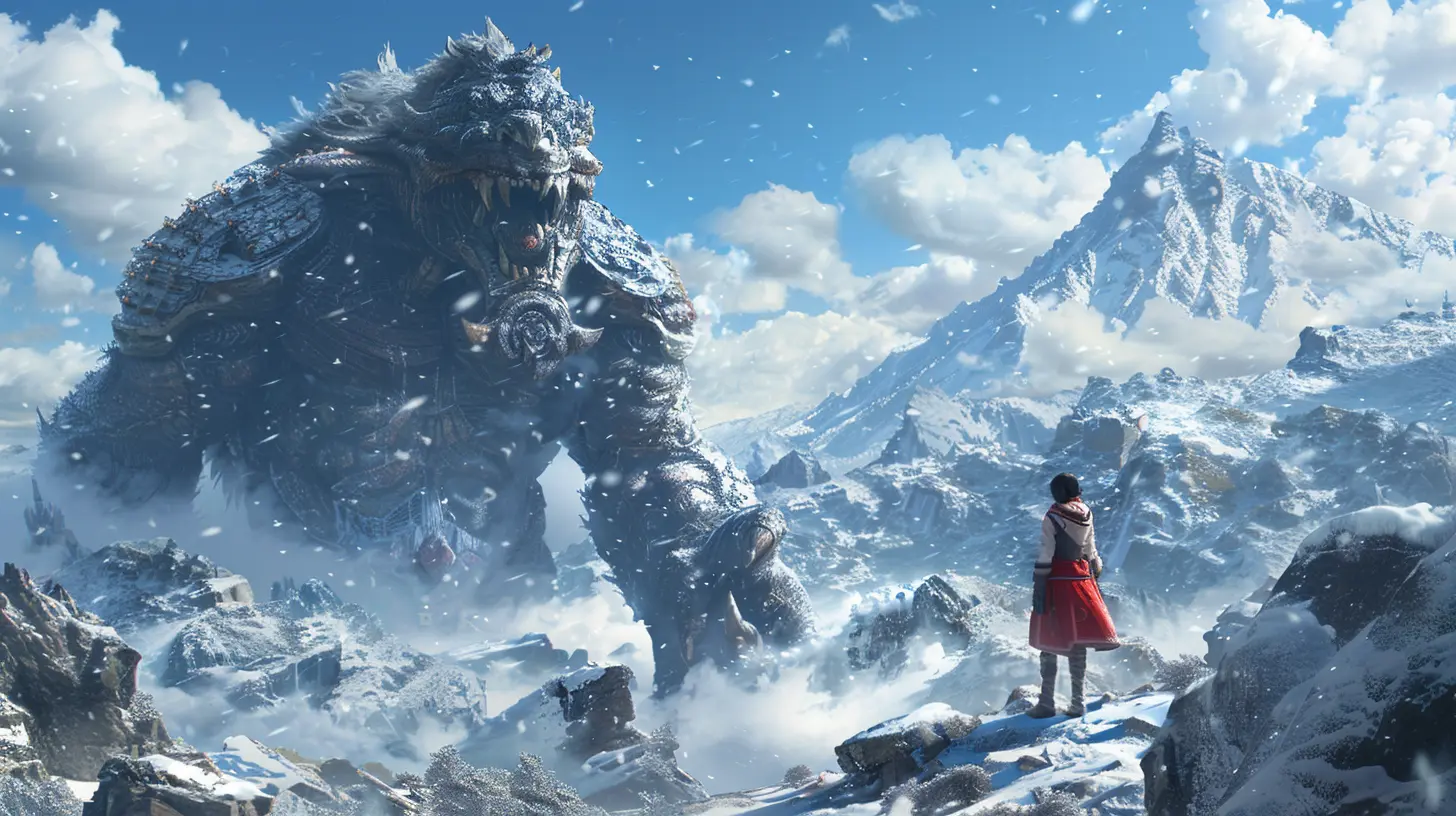
How You Can Learn from Masterful Openings
So what can we, as gamers, learn from these killer intros? Here’s a thought: appreciate the details. Think about how a game’s opening shapes the experience. Next time you pick up a new game, ask yourself, “Why is this moment gripping me?” Is it the music? The visuals? The stakes?For creators, the challenge is clear—don’t underestimate the importance of starting strong. Players don’t want to trudge through mediocrity to get to the good stuff. They want to feel something right away.
Wrapping It Up
The opening of a game is its handshake. It sets the tone, builds the world, and (hopefully) leaves you saying, “Wow, I’m in.” Whether it’s an emotional gut punch, an adrenaline-pumping action scene, or a quiet, mysterious world begging to be explored, the best openings create a lasting impression.And let’s be honest: in a world where attention spans are shorter than ever (hello, TikTok culture), nailing those first few moments isn’t just important—it’s necessary. So, here’s to the developers raising the bar, one legendary intro at a time.
all images in this post were generated using AI tools
Category:
First ImpressionsAuthor:

Tina Fisher
Discussion
rate this article
2 comments
Henry Lamb
How do openings influence player engagement?
January 12, 2026 at 5:33 PM
Tina Fisher
Openings set the tone for player engagement by establishing initial strategies, fostering excitement, and creating a sense of challenge that keeps players invested from the outset.
Zayden Wolfe
Ah yes, because nothing screams 'standard' like a flashy intro!
January 11, 2026 at 4:57 AM
Tina Fisher
Thanks for your perspective! A captivating intro can indeed redefine what we consider "standard.