The Role of Crafting in Player-Driven Economies
18 March 2026
Have you ever felt the rush of gathering rare materials, crafting a powerful item, and selling it to another player for a hefty profit? If you have, you’ve already experienced the heart-pounding thrill of player-driven economies. Crafting is often the unsung hero in these systems—a dynamic force that fuels trade, influences gameplay, and even shapes entire virtual worlds.
In today’s gaming landscape, where multiplayer games and MMOs are dominating, crafting isn't just about making cool stuff anymore. It’s about creating value, building communities, and making the game world feel alive. Sounds exciting, right? Let’s take a deep dive into why crafting matters so much in these digital economies.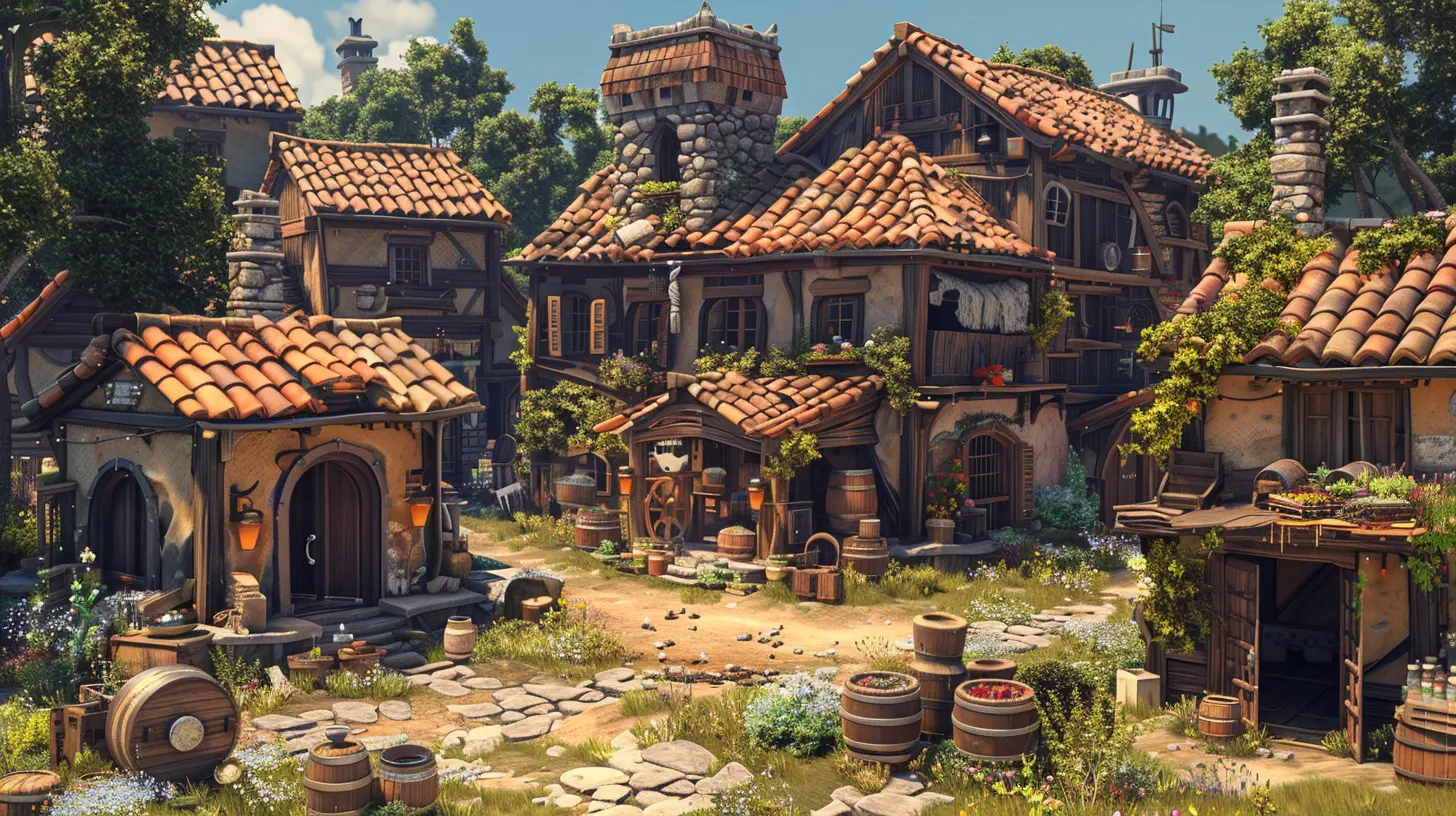
What Is a Player-Driven Economy, Anyway?
Let’s start with the basics. In most games, especially older ones, the in-game economy is controlled by the developers. Items are bought from NPC shops, and gold comes from quests or loot. Boring, right?In a player-driven economy, the players control supply and demand. Items are crafted, gathered, traded, and sold by real players, not spawned from a digital store. This means prices fluctuate, rare items gain legendary status, and crafters can become in-game celebrities.
It’s basically capitalism wrapped in a fantasy shell. And crafting? Crafting is the foundation keeping the whole thing from collapsing.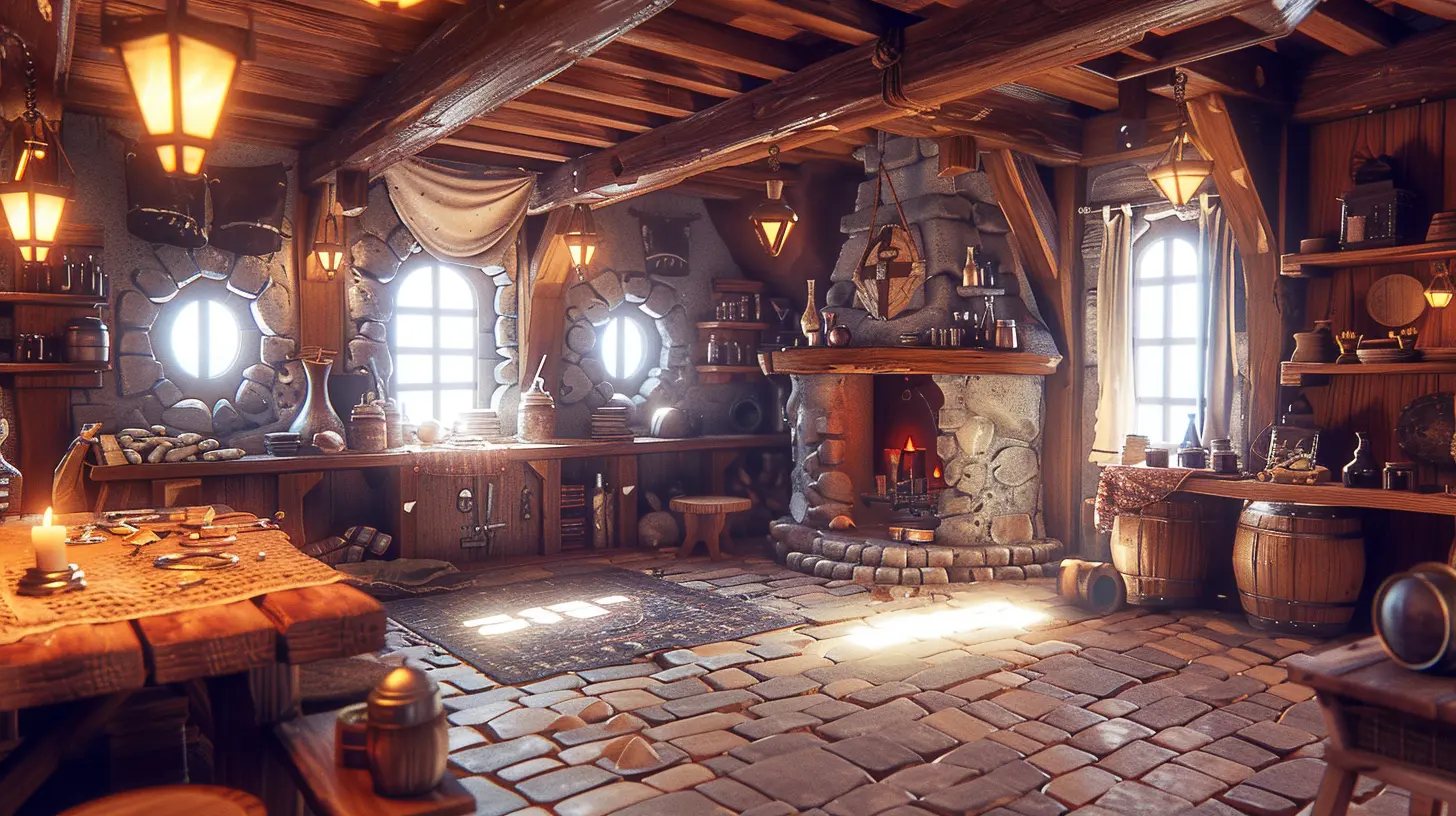
Crafting: The Beating Heart of In-Game Commerce
Imagine a bustling virtual city—a hub of trade, buzzing with players hawking their crafted wares. Weapons, armor, potions, food, tools—you name it. Someone had to make all that stuff.Crafting is more than just combining materials. It’s a loop of gathering, producing, selling, and reinvesting. Every item made has value—either for gameplay or for trade. Without crafting, the economy would come to a screeching halt. No supply, no demand. Simple as that.
Why Crafting Drives Value:
- Scarcity: Rare materials create demand.- Time Investment: Crafting takes time, and time equals value.
- Customization: Unique crafted items fulfill niche needs.
- Durability: In games where items break, replacement fuels trade.
You see, crafting isn’t just about making items. It’s about making choices that create market opportunities.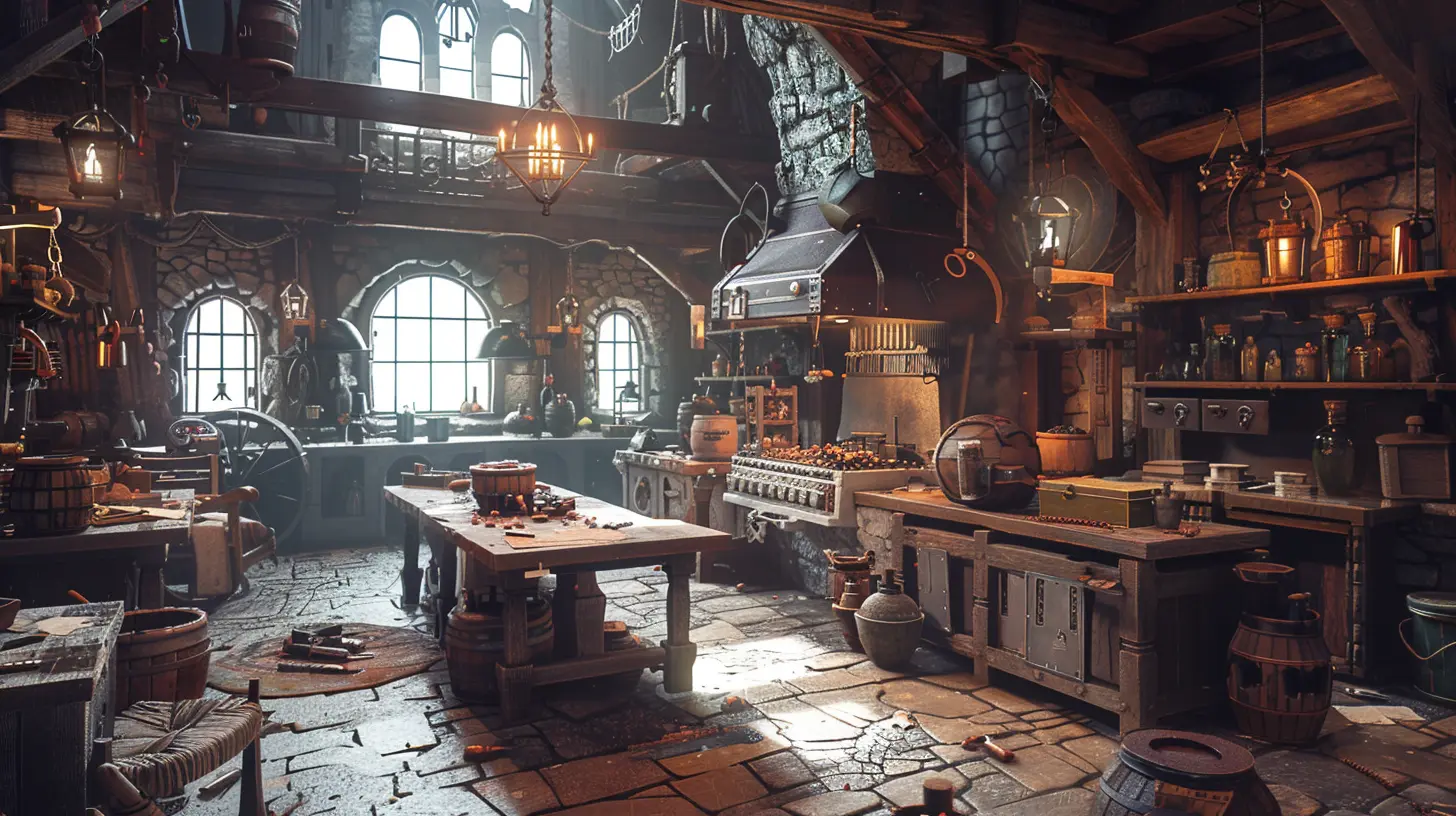
Supply and Demand: You've Got the Power
Have you ever tried cornering a market in a game? It’s wild. One moment you’re slinging potions, the next you’re controlling the entire health elixir market because no one else has the ingredients. That’s the power of understanding supply and demand in a player-driven economy.Crafting gives you agency. If a new raid launches, and everyone needs fire resistance gear? Boom—you forge it. If food buffs become meta? You’re the chef dishing out victory.
The coolest part? Unlike static NPC economic systems, player-driven ones evolve. What’s valuable today may be useless tomorrow. Smart crafters stay ahead of the curve.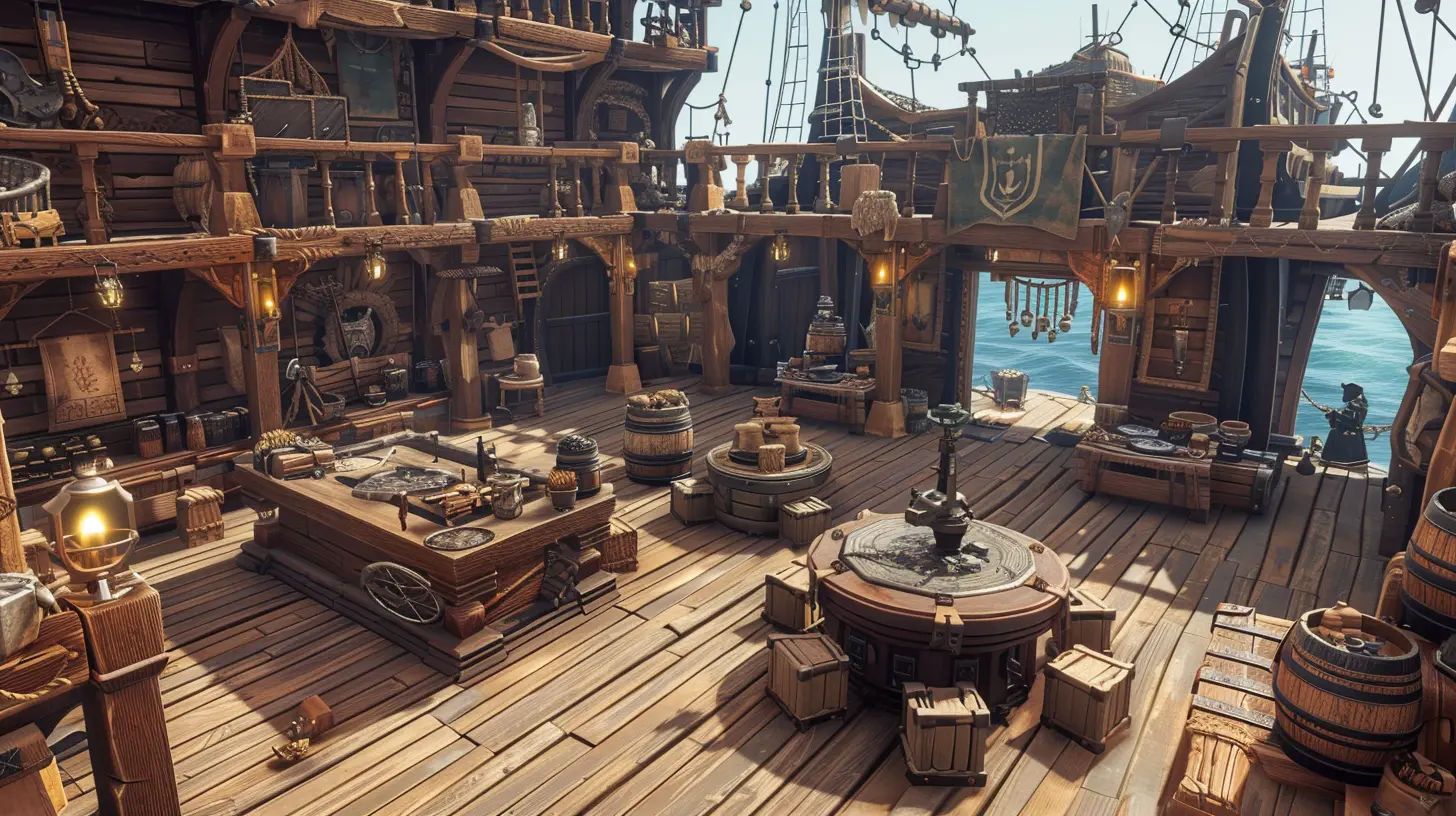
Crafting Builds Community (and Competitors)
You might think crafting’s a solo gig—quiet time over the forge. But in games with deep crafting systems, it actually encourages social interaction.Think about it:
- Guilds: Often rely on crafters to gear up before battles.
- Trade Hubs: Create spaces where players exchange goods and knowledge.
- Markets: Involve negotiation, undercutting, supply chains—like a digital stock exchange!
Crafting doesn’t just generate items; it generates relationships.
You’ll find yourself collaborating on big projects, supplying resources, or mentoring a newbie who wants to craft like a pro. It creates a sense of purpose and belonging, something every player craves.
The Rise of the Virtual Artisan
Ever heard of someone who’s known just for crafting in a game? They exist—and they’re rockstars within their worlds.In games like “EVE Online,” “Albion Online,” or “Final Fantasy XIV,” crafting isn’t a side activity—it’s a game in itself. Some players never swing a sword or cast a spell. Instead, they mine, build, sell, and dominate through sheer economic prowess.
They become tycoons, suppliers for entire guilds, or specialized artisans commanding a premium for their work. If you love strategy, planning, and profit, crafting can be just as epic as slaying dragons.
Real Economics in a Fantasy Coat
Here’s the kicker: player-driven economies mirror real-world economics more than you’d think.Games give players a sandbox to experiment with:
- Inflation: Too much currency? Prices rise.
- Monopolies: Crafters dominate certain niches.
- Trade Agreements: Guilds form pacts to protect supply lines.
It’s not just a game mechanic; it’s a lesson in economics—one that’s way more fun than any classroom lecture.
And the best part? Mistakes don't bankrupt you in real life (unless we’re talking about NFT games…but that’s a different topic).
The Evolution of Crafting Systems
Crafting has come a long way from “combine 2 herbs = 1 potion.” Now, developers are creating intricate systems with:- Skill trees
- Specializations
- Mini-games
- Quality tiers
- Crafting success chances
These mechanics make crafting feel rewarding and alive. You’re not just clicking buttons—you’re strategizing, planning, and executing.
Games like “Black Desert Online” and “Runescape” have turned crafting into a full-blown career path. It’s content for players who crave depth without always being on the front lines.
Challenges That Crafters Face
Let’s keep it real—crafting isn’t always glamorous. It’s competitive, time-consuming, and sometimes brutally unforgiving.Here are a few challenges players often face:
- Market Saturation: When too many players craft the same thing, prices plummet.
- Supply Shortages: Rare materials can be locked behind difficult content.
- Economic Disruption: Updates or exploits can crash entire markets.
But here’s the thing—these hurdles make the wins even sweeter. When you play the long game and succeed, you don’t just feel like a crafter. You feel like a boss.
Sustainability: Keeping the Economy Fresh
One of the biggest concerns in player-driven economies is sustainability. How do you keep things from getting stale?That’s where crafting shines.
Crafting allows for regeneration. Gear wears out. Better gear becomes available. Meta shifts. Players change professions. Newbies fill old roles.
It keeps the economy breathing. Even late into a game’s life cycle, there’s always something new to make, sell, or upgrade. It’s a loop that never truly ends.
Crafting Is About More Than Items—It’s About Identity
Let’s get a little philosophical—because, why not?Crafting in a player-driven economy becomes a reflection of you. Your choices matter:
- What you make.
- How you sell it.
- Who you trade with.
- What name you build.
You’re not just another player. You’re part of the game world’s story. Whether you’re a legendary swordsmith or the go-to potioneer, crafting gives you identity.
And in a world where everyone’s trying to stand out, that’s pure gold.
Big Wins, Big Impact
Still not convinced crafting is game-changing? Check this out:- In “EVE Online,” real wars have been fought over resources and supply chains.
- In “Minecraft,” whole cities have been built by communities crafting daily.
- In “World of Warcraft,” crafters shape raid progression by supplying essential gear.
Crafting doesn’t play second fiddle—it’s often the backbone of the entire game.
Every sword swung in battle? Crafted.
Every potion chugged mid-boss fight? Crafted.
Every building standing tall in sandbox games? You guessed it—crafted.
So yeah, crafting is kind of a big deal.
Final Thoughts: Be the Crafter, Change the World
If you’ve ever dismissed crafting as “just another mechanic,” it’s time to rethink that.Crafting in player-driven economies isn’t just a side hustle—it’s a lifestyle. It’s a way to rise without fighting, to lead without commanding armies, and to impact the game world in ways brute force never could.
You get to shape the economy, forge relationships, inspire others, and leave your mark.
So the next time you log in, maybe skip the battlefield. Find a forge, a bench, or an alchemy lab.
Because while warriors win battles, crafters win wars.
all images in this post were generated using AI tools
Category:
Item CraftingAuthor:

Tina Fisher
Discussion
rate this article
2 comments
Soleil Blair
Crafting adds a delightful twist to player-driven economies! Embrace your inner artisan and watch your creations flourish in the game world!
March 22, 2026 at 6:07 PM
Tina Fisher
Absolutely! Crafting truly enhances the game experience, allowing players to create and trade unique items, which adds depth to the economy.
Peter Cross
Crafting in player-driven economies transcends mere resource management; it fosters community interaction and competition. However, the challenge lies in balancing accessibility and depth, ensuring that casual players can engage without diluting the experience for dedicated artisans.
March 21, 2026 at 5:31 AM
Tina Fisher
Thank you for your insightful comment! You highlight a key aspect of crafting in player-driven economies—its ability to build community while balancing engagement for all players. Striking that balance is crucial for a thriving crafting ecosystem.