A Deep Dive into the Psychology of Pre-Ordering Video Games
10 January 2026
Let’s face it: we’ve all been there. A shiny new video game gets announced with a jaw-dropping cinematic trailer, flashy gameplay snippets, and promises of revolutionary features. Within minutes, your wallet starts whispering, “Just do it. Hit that pre-order button.” But have you ever stopped to ask yourself why? Why are we so quick to fork over our hard-earned cash for something that doesn’t even exist yet? Well, buckle up, because we’re about to take a deep dive into the psychology behind pre-ordering video games.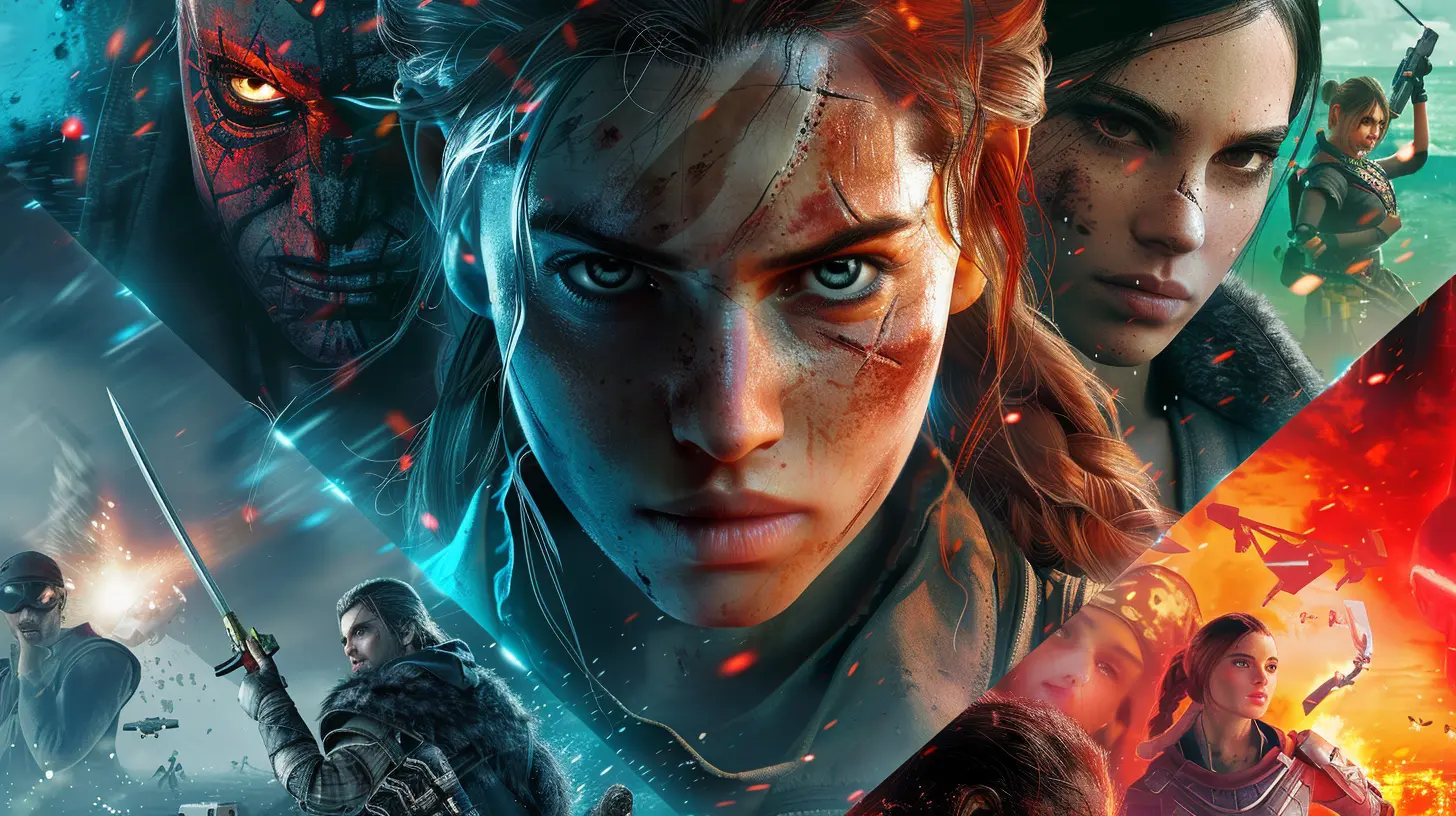
The Hype Train Effect
Ah, the hype train. Once you hop on, it’s almost impossible to jump off. Game publishers are masters at generating excitement. They dangle trailers like bait, show off limited-edition collectibles, and enlist influencers to gush about how “amazing” a game looks. Before you know it, social media is flooded with memes, countdowns, and discussions about the game’s potential.But here’s the kicker: we humans are social creatures. When everyone around you is hyped, it’s hard not to be swept up in the excitement. It’s like being at a concert where everyone’s screaming for an encore—you may not even like the band that much, but you feel compelled to join in.
This is what psychologists call “social proof.” When others are excited, it validates our own excitement. We want to feel like we’re part of the conversation, part of the group. And what better way to secure your spot in that group than by pre-ordering the game and proudly announcing, “I got it!”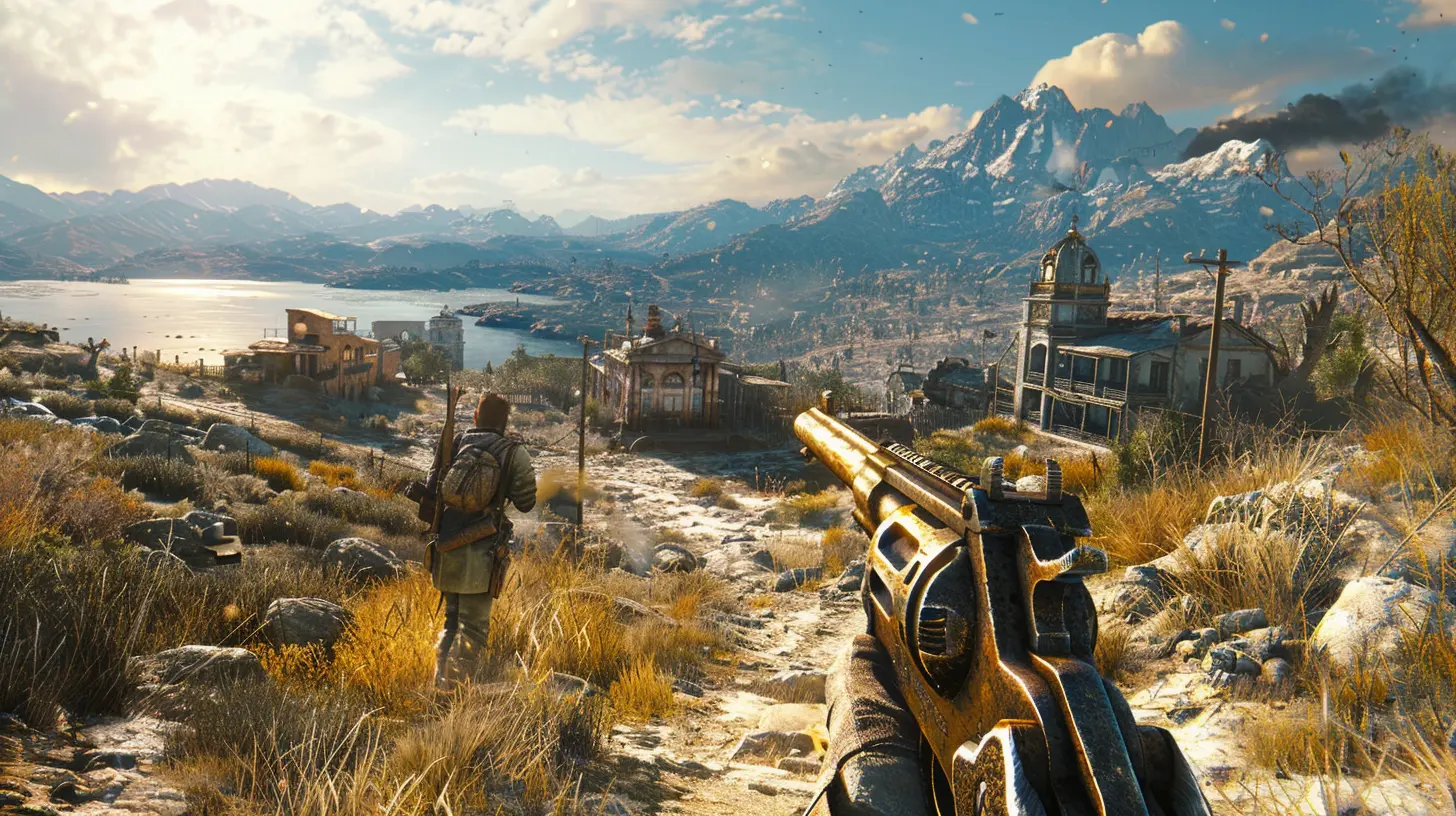
The Fear of Missing Out (FOMO)
Let’s talk about FOMO because this little devil plays a big role in pre-orders. Remember those words you dread hearing: “limited edition” or “exclusive bonus content”? Yeah, those are designed to tap into your fear of missing out.Game publishers know exactly how to manipulate our brains. By creating artificial scarcity—whether it’s limited-run collector’s editions or pre-order-only skins—they make us feel like if we don’t act now, we’ll regret it later. And we hate regret. Heck, it’s why we buy snacks at the gas station on road trips. (Because what if we get hungry two hours in, right?)
The truth is, exclusivity messes with our decision-making. Psychologists call this the scarcity principle—the idea that when something feels rare or hard to get, we want it even more. It’s like being at a Black Friday sale. Are you really fighting ten strangers for that discounted toaster because you need it? Or is it because knowing others want it makes it irresistible?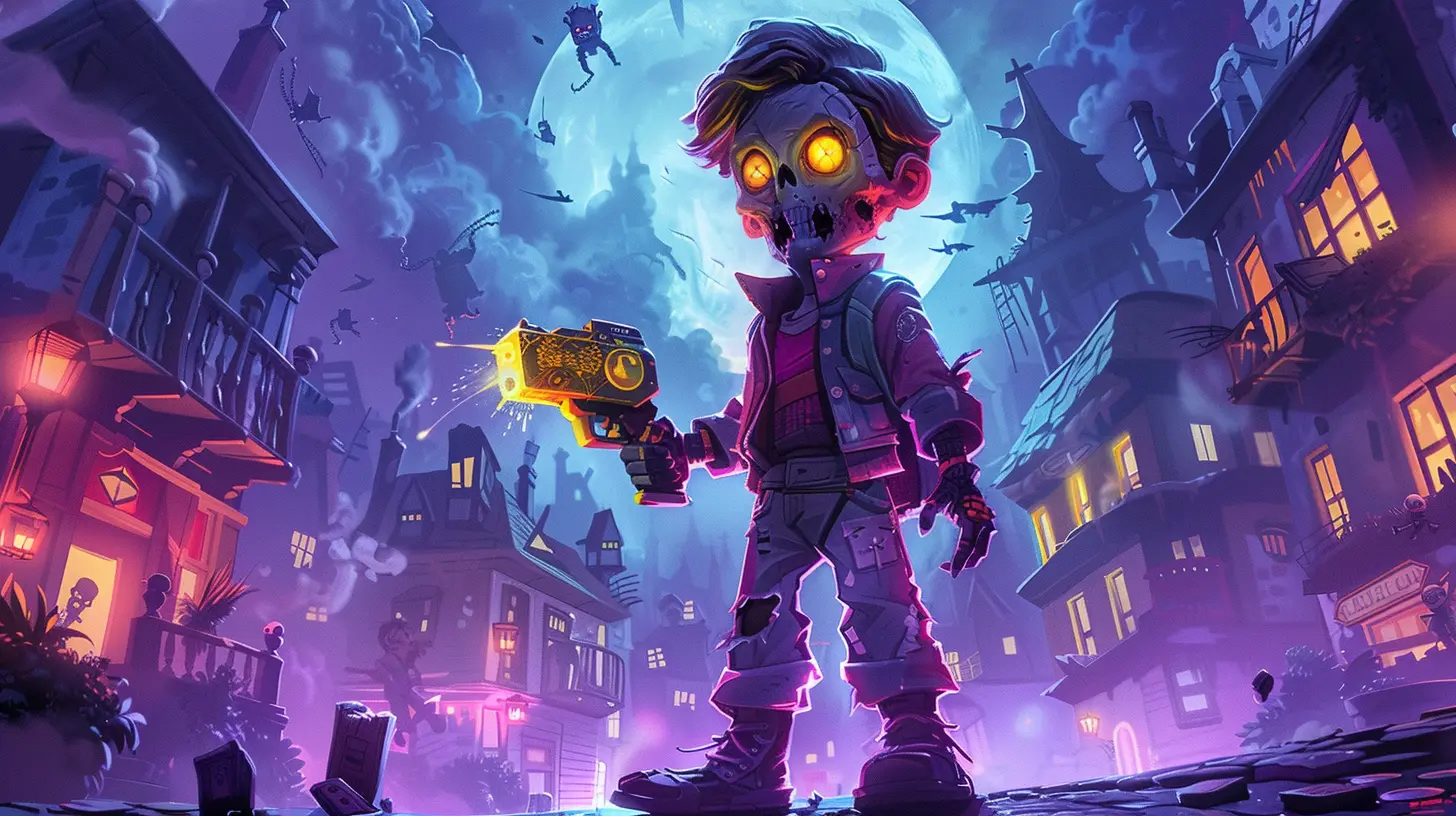
The Illusion of Control
Here’s another wild part of pre-order psychology: it gives us the illusion of control. When we pre-order a game, it feels like we’ve already secured our place in line. The game is ours, waiting for us on release day. There’s something oddly satisfying about that, like checking something off your to-do list before you’ve even started it.It’s a small, fleeting sense of power in a chaotic world. Think about it—life is unpredictable, but pre-ordering? That’s locked in. No delays, no uncertainty (well, unless the game gets delayed, but that’s a whole other story). You hit the button, and boom, you’re guaranteed to be among the first to experience the game. It’s oddly comforting, isn’t it?
The Promise of Perfection
One of the most irresistible aspects of pre-ordering is the promise of perfection. Game trailers rarely show bugs or glitches. Everything looks polished, seamless, and downright magical. Developers promise features that sound too good to be true, and honestly, the optimism is infectious.We’re wired to chase dreams, and pre-ordering lets us buy into one. It’s like seeing a vacation brochure with pictures of pristine beaches and crystal-clear water. You book the trip because that’s the version of paradise you want to believe you’ll get. Games are no different—they’re packaged as the ultimate escape, a promise of fun and adventure.
And sure, sometimes it doesn’t work out (cough “Cyberpunk 2077” cough), but at the moment of pre-ordering, we’re sold on the dream.
The Emotional Investment Trap
Once we pre-order a game, we’ve invested more than just money. We’ve invested emotions. Think about it: by committing early, we’re essentially betting on the game’s success. And because we’re emotional creatures, we hate admitting when we’ve made a bad bet.This cognitive bias is known as the sunk cost fallacy—the idea that once we’ve spent money, time, or effort on something, we’re more likely to stick with it, even if it turns out to be a poor investment. It’s why some people force themselves to finish terrible books or stick with subpar movies—because they’ve already started, they feel like they have to see it through.
The same goes for pre-ordering video games. Once you’ve pre-ordered, you’re emotionally invested. If red flags start popping up—like delays, mediocre previews, or controversies—you’re more likely to overlook them because you’ve already committed.
The Marketing Masterstroke
You know what’s crazy? Pre-ordering isn’t even necessary most of the time. Digital downloads have made scarcity practically irrelevant. Yet publishers still push pre-orders like it’s 1999 and there’s a limited number of cartridges to go around.The reason? Pre-orders are a marketing goldmine. They allow publishers to gauge interest, secure early revenue, and create a sense of urgency. And let’s not forget the pre-order bonuses, collector’s editions, and day-one DLCs, which are all carefully designed to maximize profits.
From a business perspective, it’s genius. Why wait to earn money when you can have it months—or even years—before release? For publishers, pre-orders are a win-win. For us gamers? Well, not always.
The Risks We Ignore
Now, don’t get me wrong—pre-ordering isn’t inherently evil. But it’s not without risks. For one, there’s no guarantee the final product will live up to the hype. We’ve all seen games launch in broken states, riddled with bugs, and missing entire features promised during development.And here’s a hard truth: pre-ordering removes a key advantage we have as consumers—the ability to wait for reviews. By pre-ordering, we’re essentially saying, “Take my money now, and I’ll just hope you deliver.” It’s a gamble, plain and simple.
Then there’s the issue of delays. Sure, you may have pre-ordered the game expecting to play it on a specific date, but delays are increasingly common in the industry. That sense of instant gratification? Poof. Gone.
Breaking the Cycle: Do You Really Need to Pre-Order?
At the end of the day, pre-ordering is a deeply personal choice. But before hitting that shiny green button, ask yourself a few questions. Do you trust the developer? Have they delivered quality games in the past? Is the pre-order bonus really worth it? And most importantly, are you okay with potentially being disappointed?Pre-ordering isn’t a one-size-fits-all decision. Sometimes it makes sense—maybe you’re a die-hard fan of the series, or maybe the pre-order bonus really adds value. But other times, waiting might be the smarter move. After all, patience often comes with rewards: reviews, gameplay footage, and the reassurance that you’re getting your money’s worth.
Final Thoughts
Pre-ordering video games is a fascinating psychological phenomenon. It’s a cocktail of hype, FOMO, emotional investment, and clever marketing. And while it can be exciting, it’s not without risks. By understanding the psychology behind why we pre-order, we can make more informed decisions and avoid falling into common pitfalls.So the next time you feel the hype train pulling into the station, take a moment to pause. Think about what you’re really buying into—a guaranteed experience or just the promise of one? Because sometimes, waiting for the reviews to roll in is the better (and less stressful) choice.
all images in this post were generated using AI tools
Category:
Pre OrdersAuthor:

Tina Fisher
Discussion
rate this article
2 comments
Reagan Kirk
Pre-ordering: the only time spending money on a game before it's released feels like a thrilling rollercoaster ride... without the safety harness!
January 20, 2026 at 4:27 AM
Tina Fisher
That's a perfect way to put it! Pre-ordering really can feel like a gamble, mixing excitement with a bit of anxiety.
Hannah Soto
This article beautifully captures the complex emotions behind pre-ordering. It’s important to understand our motivations and the impact they have on our gaming experience.
January 10, 2026 at 3:24 PM
Tina Fisher
Thank you! I'm glad you found the exploration of emotions and motivations behind pre-ordering insightful. Understanding these factors truly enhances our gaming experiences.