The Influence of Streamers on Game Popularity
4 January 2026
Let’s be honest for a second: Streamers are today’s rockstars of the gaming world. They’re the cool kids with the power to make or break a title just by turning on their camera and yelling “Let’s gooo!” into a microphone. Gone are the days when a game had to rely solely on reviews or word-of-mouth hype—now, all it needs is one wild session from a popular Twitch or YouTube streamer to go nuclear.
Welcome to the chaotic, meme-fueled, adrenaline-drenched world of streamers where your game’s fate can literally be changed overnight.
What Even Are Streamers, Anyway?
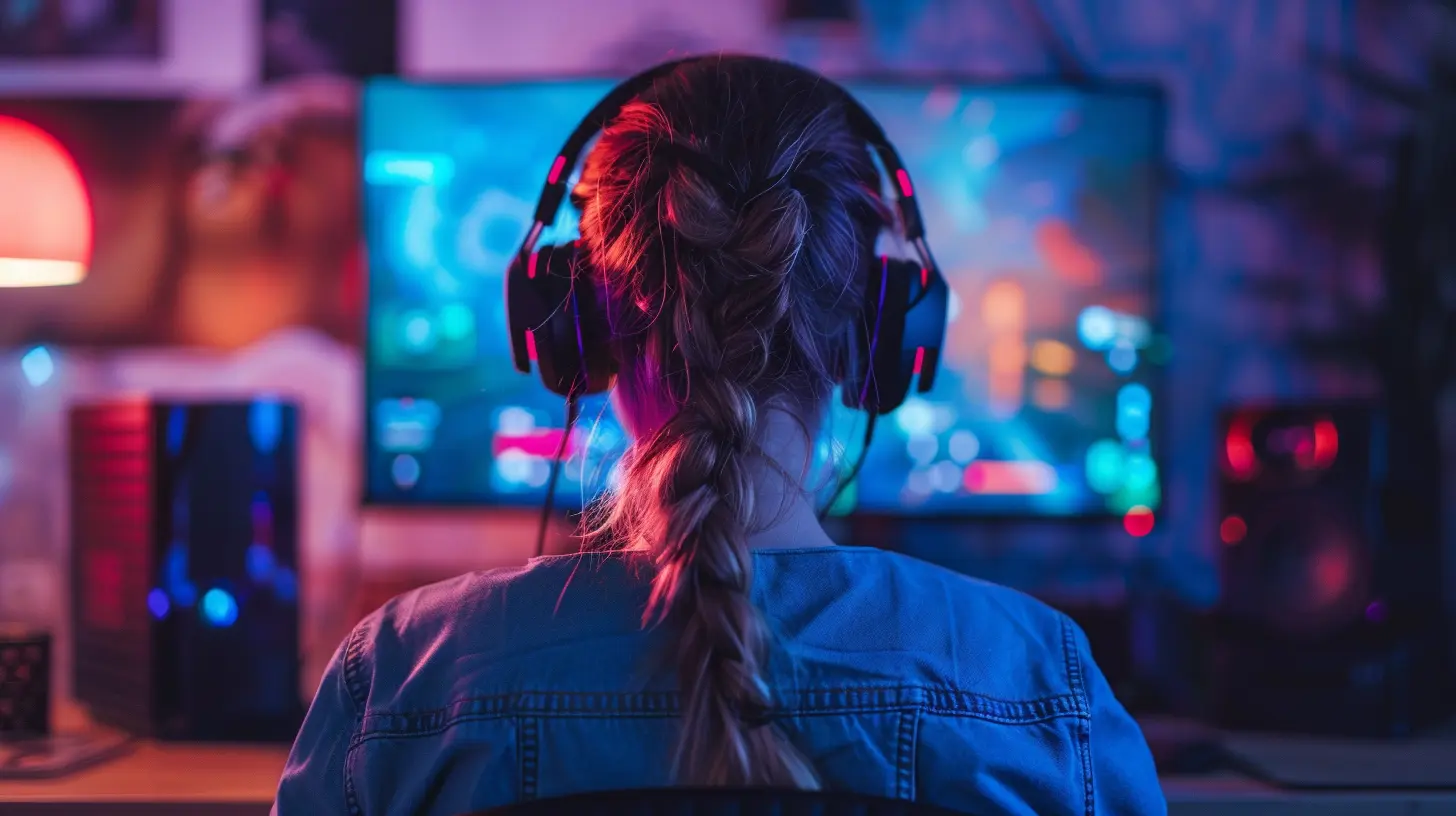
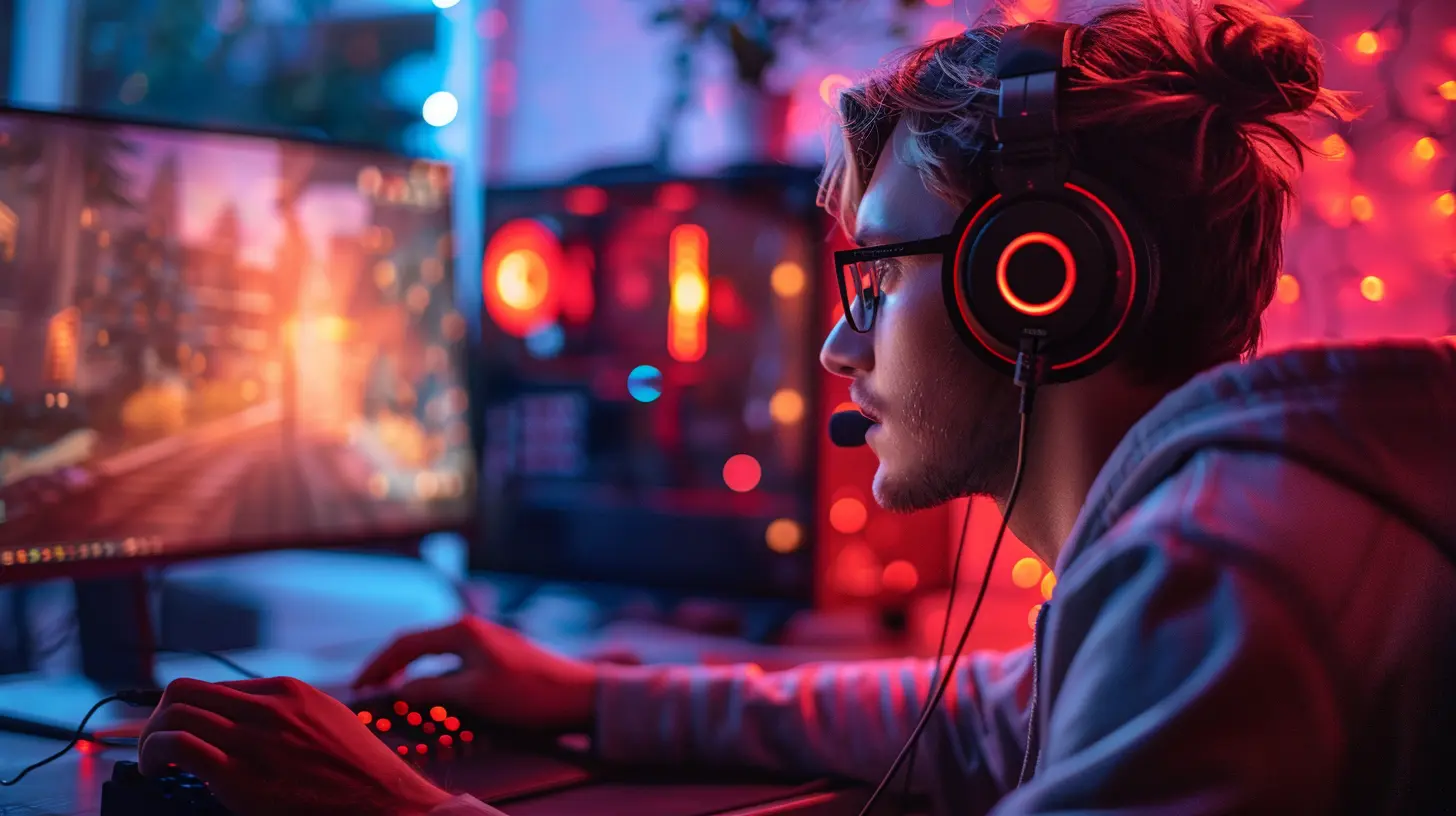
If you're still scratching your head, wondering what the heck a "streamer" is—first of all, welcome to 2024. Second of all, no worries! Let's break it down.A streamer is someone who broadcasts themselves playing video games live online, typically through platforms like Twitch, YouTube Live, or Facebook Gaming. They talk, they game, and they entertain—sometimes with pro-level skills, sometimes just sheer personality. Think of them as a hybrid between a gamer, a talk show host, and a one-person hype machine.
The Rise of the Streaming Empire
Not so long ago, gamers were those mysterious creatures holed up in their rooms, chewing through Doritos, and yelling at lag. Then came streaming—and boom! Gamers became entertainers, influencers, and in many cases, bona fide celebrities.Platforms like Twitch turned passionate hobbyists into household names. Remember Ninja? Yeah, the dude with the colorful hair who played Fortnite and suddenly had talk show appearances, brand deals, and even his own skin in the game? He’s the poster child of streamer stardom, but he’s just one of many.
Why Streamers Matter in Gaming Culture
Here’s the tea: Streamers are influencers, and in today’s digital-first world, influencers are marketing gold. They’re not just playing games—they’re selling experiences. Their followers trust them. So, when a streamer hypes a game? You better believe people are watching, buying, and playing.Let me hit you with some real-world examples (because data without drama is boring):
- Among Us sat in obscurity for two years before streamers picked it up during the pandemic. One viral session later? Boom. Tens of millions of downloads.
- Fall Guys launched with a splash, but it was the streamer-fueled chaos that turned it into a meme machine.
- Valheim, an indie Norse-themed survival game, was low-key until streamers brought it into the spotlight—and it sold over 5 million copies in just a month.
Yep. That’s the streamer effect in action.
How Do Streamers Influence Game Popularity?
Let’s dive deeper, shall we? Here’s how streamers genuinely shake up the gaming scene:1. First Impressions for Thousands (or Millions)
When a big streamer plays a new release, they’re essentially giving it a mass-scale demo. Their facial expressions, commentary, and gameplay can make an average game look iconic—or make a hyped release crumble under its own weight faster than you can say “refund.”A good first impression here is priceless. Think of it like speed dating but with pixels.
2. Building Hype and Community
Streamers don’t just play games—they build communities around them. Their viewers want to be part of the streamer’s world, and that means picking up whatever game they’re obsessed with. It's kind of like a digital domino effect.Just one enthusiastic “YOU NEED TO TRY THIS GAME!” from a streamer, and boom—whole Discord servers form overnight. Multiplayer lobbies swell with new players. Social media hashtags start popping up. It’s a ripple that quickly becomes a tsunami.
3. Influencing Game Trends
Streamers can make certain game genres trendy all over again. Roguelikes, farming sims, horror survival titles—they’ve all had their turn in the spotlight because of streamers.Remember how Phasmophobia went viral? It wasn’t advertised traditionally. It won hearts—and screams—because streamers couldn’t stop shrieking in haunted houses. The game became a must-play, and soon, everyone had their own ghost-hunting squad.
4. Showcasing Hidden Gems
Streamers are the new tastemakers. While huge devs spend millions on ads, some small indie developers just need the right streamer to pick them up. Suddenly, a no-budget game skyrockets to the top of Steam charts. That’s the kind of exposure money can’t always buy.Plus, streamers love showing off games before they become mainstream. It's like music hipsters with vinyl records, but nerdier.
5. The “FOMO” Formula
Let’s not kid ourselves—we all suffer from a little FOMO (Fear Of Missing Out). When you see your favorite streamer playing something and having a blast, it's hard not to jump in.This “I have to try it too” mindset is what sells millions of copies. It’s peer pressure in its most entertaining form.
Streamer-Driven Game Design?
Okay, now we’re getting spicy. Developers are starting to design games with streamers in mind. Yup, it’s that serious.Features like:
- Spectator modes
- Stream-safe music (to avoid those pesky DMCA takedowns)
- Twitch integration (where chat can literally affect gameplay)
- Emote-based reactions and meme-worthy moments
These are not coincidences. They're strategic. Developers want their games to be streamable, shareable, and memeable. Why? Because virality = sales.
Let’s be real: Nobody wants a masterpiece no one plays. That’s like writing a fire novel and leaving it in your grandma’s attic.
The Double-Edged Sword of Streamer Power
With great power comes great...meltdown potential. While streamers can catapult a game to stardom, the same exposure can backfire. A buggy launch? Bad balance? Microtransaction drama? One viral rant from a salty streamer, and the reputation can tank faster than your KD ratio in a sweaty lobby.Games like Cyberpunk 2077 and Battlefield 2042 learned this lesson the hard way. When major streamers aired their frustrations, the noise was deafening. Refunds flew, memes exploded, and PR teams scrambled.
Basically, streamers can make you—but they can break you just as fast. Handle with care.
Streamer Marketing: Genius or Gamble?
A lot of studios now pay streamers to play their games on launch day. It’s like modern-day commercials, but with less polish and more shouting. Is it effective? Heck yeah. Is it risky? You bet.If a big streamer’s audience smells a phoned-in sponsorship, they’ll roast the game in chat before you can even finish downloading it. So yes, the influencer route is powerful—but it ain't foolproof.
Organic love hits different. That’s when a streamer chooses a game because they like it, not because they’re getting paid to say they do. And honestly? That kind of endorsement is the gaming industry's golden ticket.
The Long-Term Impact
Streamers don’t just drive initial sales—they keep games alive. Think about titles like Minecraft, Apex Legends, and GTA V. These games are always in the streaming rotation, constantly evolving through mods, updates, and community events. Streamers are the heartbeat that keeps these titles relevant years after release.And when a content creator leaves a game? Sometimes, the community quietly follows. It's like a party—if the DJ leaves, the vibe kinda dies, right?
What It Means for Gamers
For us, the humble joystick warriors, this new streamer-sphere has a few big perks:- We get to “try before we buy” by watching others.
- We find communities around games we like (or want to like).
- We get endless content—walkthroughs, fails, epic wins, you name it.
But it also means we have to keep our eyes open. Just because a game is trending doesn’t always mean it’s worth our time. Hype ≠ quality, my friend.
TL;DR – Streamers Are the New Game Kings and Queens
The influence of streamers on game popularity? It’s freakin’ massive.They launch games into the spotlight, they create communities, they fuel viral moments, and they even shape future game development. But their power cuts both ways—they can either crown a title as the next big thing or send it crashing into meme oblivion.
So whether you’re a developer looking to make your game blow up, a gamer trying to stay on top of hot new releases, or just someone addicted to watching rage-quits and clutch plays... streamers are where the action is.
And trust me, they’re not going anywhere.
all images in this post were generated using AI tools
Category:
Game TrendsAuthor:

Tina Fisher
Discussion
rate this article
2 comments
Danica Wilkerson
Streamers significantly shape game trends, boosting visibility and engagement.
January 12, 2026 at 5:29 AM
Tina Fisher
Absolutely, streamers play a pivotal role in shaping game trends by driving visibility and fostering community engagement, ultimately influencing a game's popularity and success.
Brick McCall
Great insights! Streamers undeniably shape gaming trends and player engagement in today’s industry.
January 7, 2026 at 4:21 AM
Tina Fisher
Thank you! I'm glad you found the insights valuable. Streamers indeed play a crucial role in shaping the gaming landscape.