The Growing Importance of Diversity in Game Characters
1 August 2026
Let’s face it—video games have come a long way since the days of pixelated plumbers and blocky space invaders. What used to be a niche hobby is now a global industry with millions of players from every walk of life. And as our world becomes more diverse, the gaming world is starting to reflect that too. We’re not just talking about graphics or storytelling here—we’re talking about something far more impactful: representation.
So, why does diversity in game characters matter so much today? Why are people pushing for more inclusive heroes, sidekicks, villains, and even background NPCs? Grab your favorite controller (or phone), and let’s dive into this topic that’s not only shaking up the gaming scene but also changing lives.
Why Representation in Games Is a Big Deal
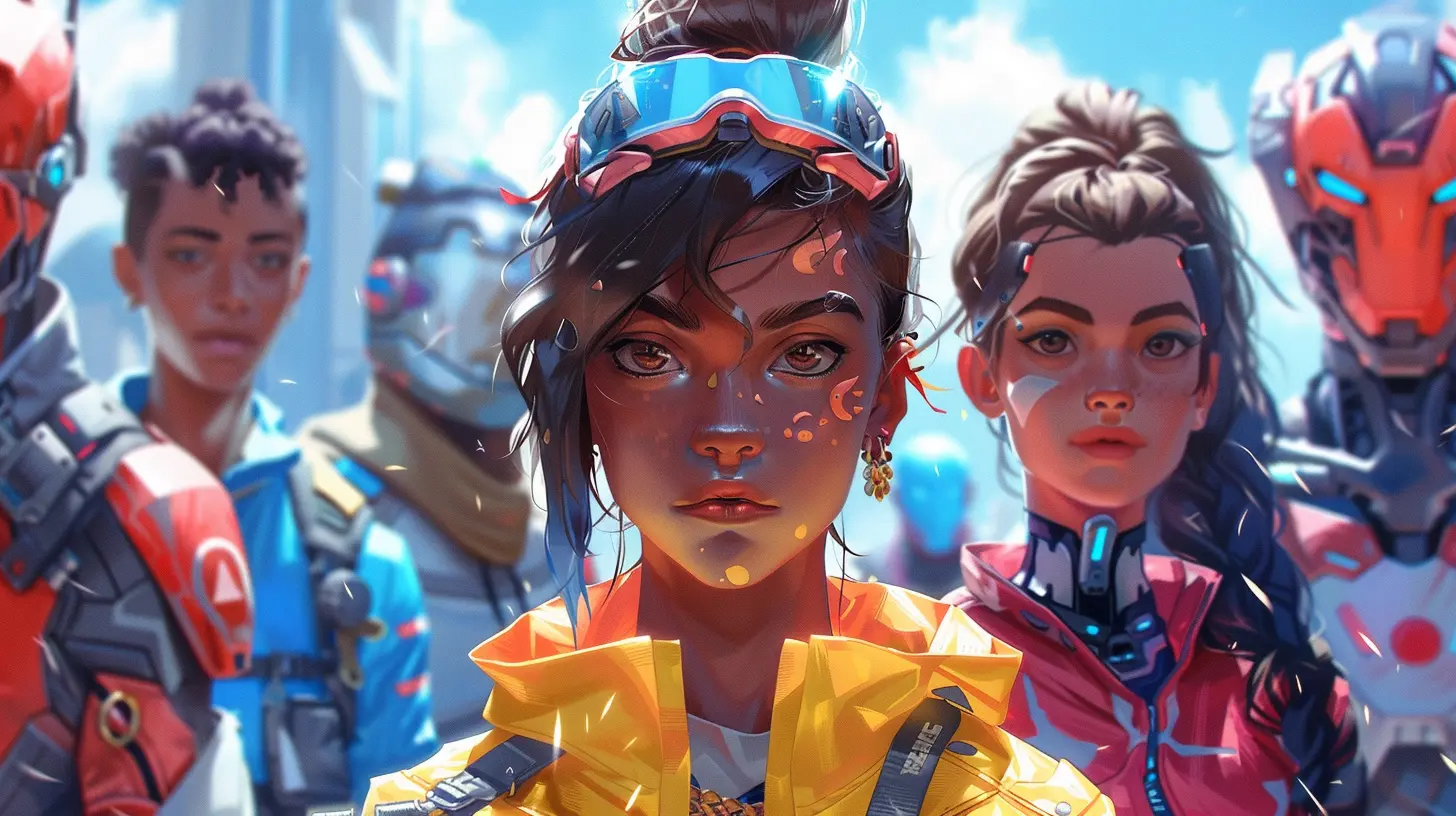
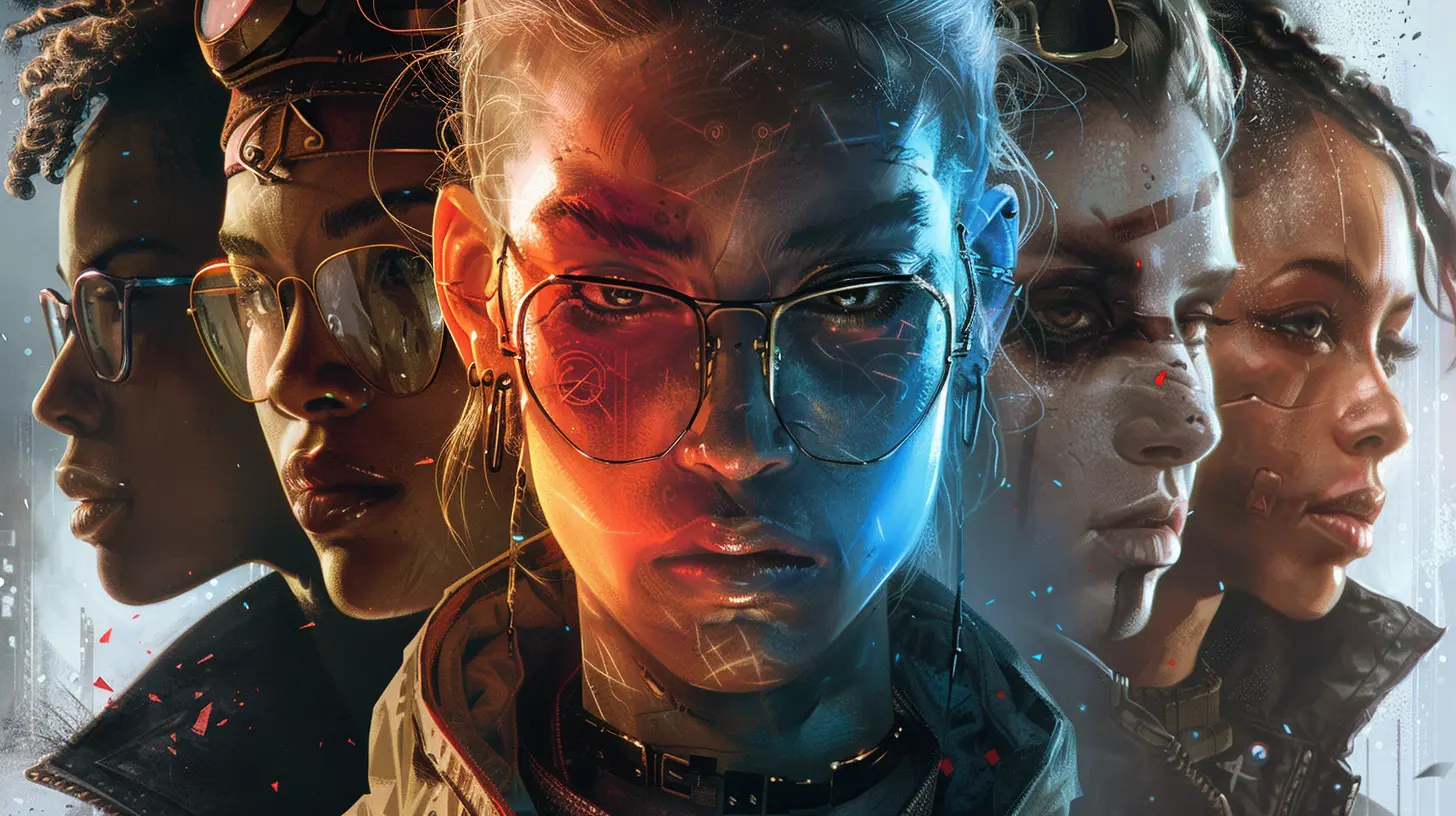
Imagine playing a game where none of the characters look like you, talk like you, or have experiences even remotely close to yours. Kinda alienating, right? For years, many players—especially those from marginalized communities—had to “fit in” by identifying with characters who didn’t reflect their reality.Representation is about more than ticking off diversity checkboxes. It’s about players seeing themselves as heroes, adventurers, champions, strategists—you name it. When people see characters who share their ethnicity, gender identity, disability, or cultural background, it sends a powerful message: “You belong here.”
The Good Old Days (And Their Limitations)
Let’s rewind a bit. In the ‘80s and ‘90s, most video game protagonists were male, white, and straight. Think Mario, Sonic, Link—iconic, yes, but not exactly diverse. Don’t get me wrong, those games were groundbreaking, but they rarely stepped outside the cultural norms of the time.Female characters? More often than not, they were damsels in distress or overly sexualized sidekicks. Characters of color? Few and far between, and often riddled with stereotypes. And don’t even get me started on LGBTQIA+ representation—it was practically nonexistent.
But change was brewing, and it started with indie games and bold developers who weren’t afraid to break the mold.
Indie Games: The Unsung Heroes of Diversity
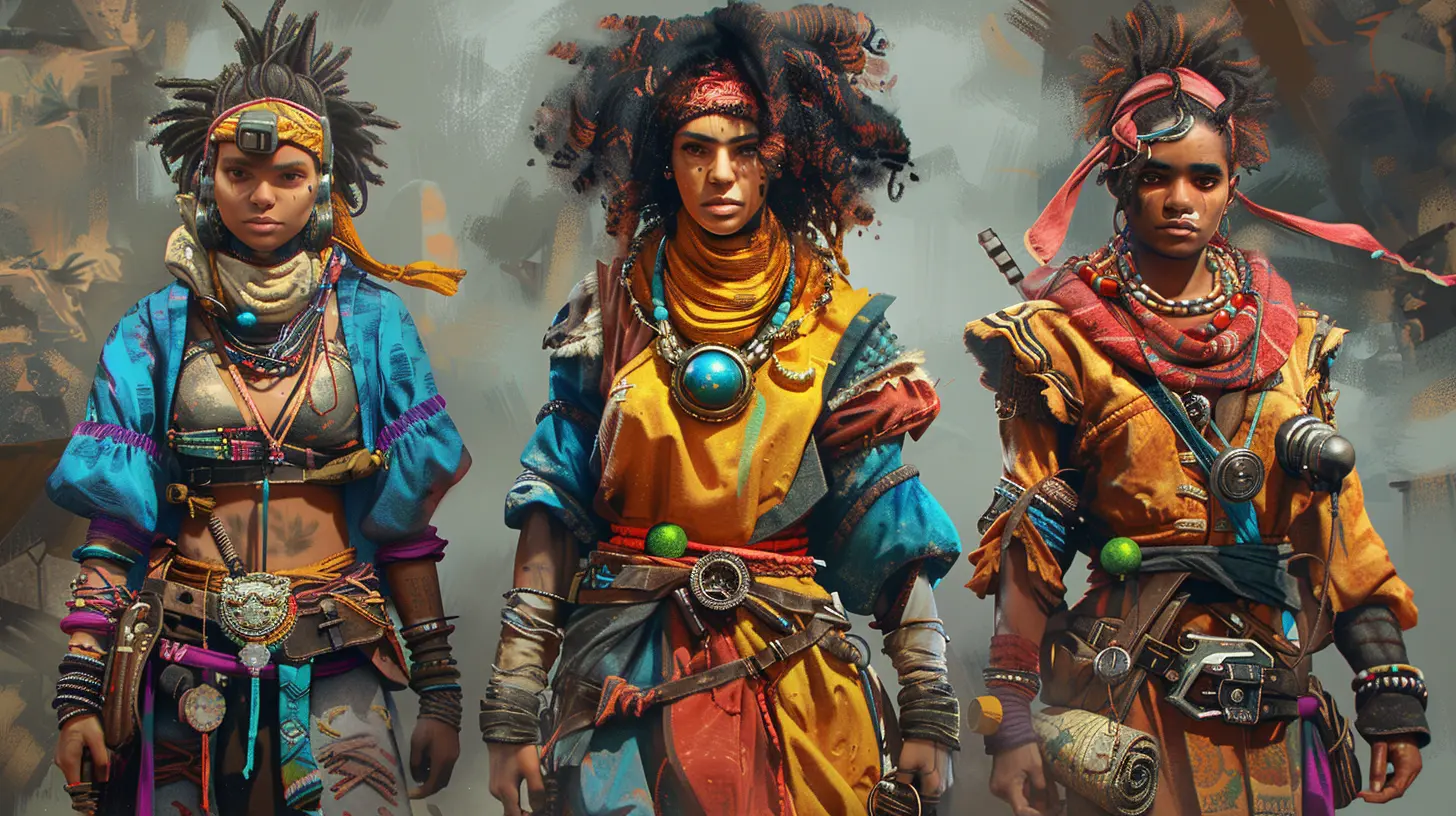
If AAA studios were hesitant to rock the boat, indie developers were out there flipping it over entirely. With smaller budgets but bigger creative freedom, indie games have tackled diversity in ways the mainstream industry couldn't (or wouldn’t) touch.Games like Celeste, where an openly transgender protagonist (Madeline) battles literal and emotional mountains, or Undertale, which features a non-binary main character and deep themes of empathy and identity, opened the door for broader representation. These games showed that diversity wasn’t just “nice to have”—it could be the heart and soul of the story.
Big Studios Are Finally Catching On
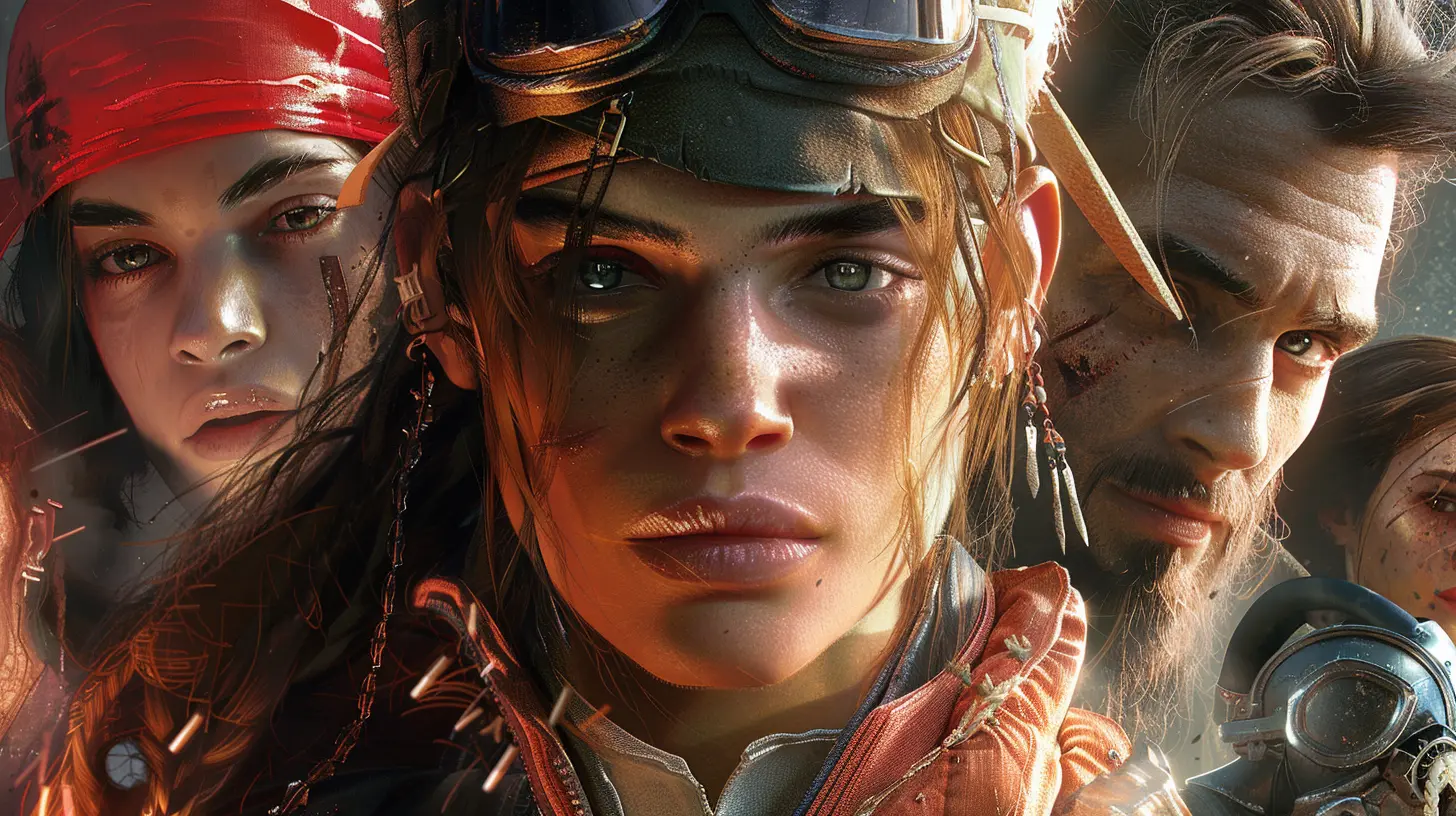
Now don't get me wrong—AAA developers weren't completely unaware of the call for diversity. They were just a little... slow to respond. But change is happening. Look at The Last of Us Part II. Not only does it feature a complex lesbian protagonist (Ellie), but it also includes a transgender character (Lev) and explores their stories with depth and emotion.Spider-Man: Miles Morales gave players a chance to swing through New York City as a Black and Puerto Rican hero, and Horizon Forbidden West shows off a strong, independent female lead who breaks every mold you can think of.
Diversity in these games isn’t just about checking off a list—it’s baked into the gameplay, the narrative, the world-building. And that makes all the difference.
Diversity Isn’t Just About Skin Color
Let’s hit the brakes for a sec and clear something up: diversity isn’t only about race. It’s also about gender, sexual orientation, body types, disability, mental health, cultural backgrounds, and socioeconomic status.Think about Senua’s Sacrifice: Hellblade, a game that deals with psychosis in a respectful, impactful way. Or Tell Me Why, which features one of the first transgender protagonists in a major studio release. These characters don’t feel like token additions—they feel like real people with real struggles.
By broadening what it means to be a “hero,” these games are making the industry more inclusive, relatable, and, honestly, way more interesting.
Why Does This Matter to Gamers?
You might be wondering, “Why does this even matter? I just want to shoot things and win trophies.” And hey, fair point. But whether you’re casually gaming on your phone or are knee-deep in an epic RPG, representation still impacts the experience.For marginalized players, seeing themselves in a game can be affirming, healing, and empowering. It tells them that their stories deserve the same spotlight as anyone else’s. And for everyone else, diversity fosters empathy. It introduces new perspectives and challenges players to think outside their own bubble.
Plus, let’s be honest—games with diverse characters are just more fun. They open up new worlds, characters, arcs, and gameplay mechanics you wouldn’t get otherwise.
The Business Case for Inclusion
Alright, we’ve covered the emotional and social stuff—now let’s talk dollars. Diversity isn’t just good for gamers; it’s good for business. According to multiple studies, games with more diverse characters often attract wider audiences and perform better in global markets.Why? Because when you represent more people, more people feel welcome. They engage more, share more, and, yes, spend more. It’s a win-win for everyone.
Games like Overwatch, which features characters from various nationalities, genders, and identities, have built massive fanbases and even bigger merch sales. Coincidence? Not a chance.
Challenges the Industry Still Faces
Okay, sunshine and rainbows aside, let’s get real—there are still hurdles. Some studios hesitate to include diverse characters for fear of backlash. And yep, every time a game includes a woman in armor (that’s actually functional) or a Black lead character, you’ll find the usual trolls crying “woke agenda.”There’s also the issue of surface-level inclusion—when a character looks diverse on paper but lacks depth, backstory, or meaningful interaction within the game. Tokenism is still alive and kicking, and it's something the industry needs to tackle head-on.
What Can Gamers Do?
Believe it or not, you’ve got more power than you think. Supporting games with diverse characters? That’s a powerful statement. Leaving a review, sharing on social media, streaming on Twitch—these all help amplify inclusive voices in gaming.Also, don’t be afraid to call out poor representation or stereotypes. Constructive criticism helps developers grow, and who knows? Your feedback could shape the next big title.
And if you’re someone who’s never really thought about representation before, that’s okay too. Just keep an open mind. The stories you’ll discover might surprise you.
The Future of Diversity in Gaming
So, what does the future hold? If current trends are anything to go by, we’re heading in the right direction. More diverse storytelling, more nuanced characters, and more representation across genres—from tiny pixelated indies to jaw-dropping blockbusters.VR and AR are already changing how we experience games, and with platforms like Roblox and Dreams, players are creating their own characters, their own worlds. That’s the next step in diversity—giving players the tools to write their own stories.
More studios are hiring inclusivity consultants, working with marginalized communities, and listening to real-life voices. It’s not about being politically correct—it’s about being genuinely inclusive.
Wrapping It All Up
Diversity in game characters isn’t just a trend; it’s a movement. A movement that’s making the gaming world richer, deeper, and more connected. Whether it's a disabled hero saving the universe or a queer adventurer challenging societal norms, these characters matter. They teach us empathy, expand our horizons, and most importantly, remind us that games are for everyone.Next time you pick up a controller, take a moment to appreciate the world you're entering. Who are you playing as? What story are you telling? And whose voice is finally being heard?
Chances are, it’s someone who hasn’t had a voice in gaming before—and that? That’s something worth celebrating.
all images in this post were generated using AI tools
Category:
Game TrendsAuthor:

Tina Fisher
Discussion
rate this article
1 comments
Pierce Duke
Diversity in game characters enriches storytelling and helps players connect with different perspectives. By embracing a variety of backgrounds, developers not only reflect the real world but also create more engaging and relatable experiences for everyone.
August 1, 2026 at 4:38 AM