Ethical Choices and Scarcity in Crafting Design
28 January 2026
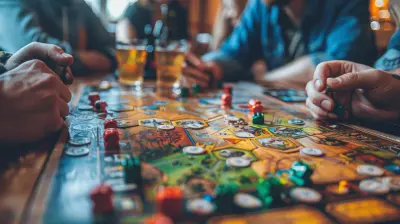
Crafting systems have become a staple in modern video games. Whether you’re forging legendary weapons, brewing powerful potions, or constructing shelters in survival games, crafting adds an immersive layer to gameplay. But there’s more bubbling under the surface than just combining items. One key element that often flies under the radar is how these systems weave ethical choices and scarcity into the player’s experience.
In this article, we’re diving deep into how game developers use scarcity and moral dilemmas to make crafting not just a mechanic—but a meaningful decision-making process. If you've ever had to choose between crafting a healing potion or feeding a starving NPC, you already know how impactful these systems can be.
Let’s break it all down.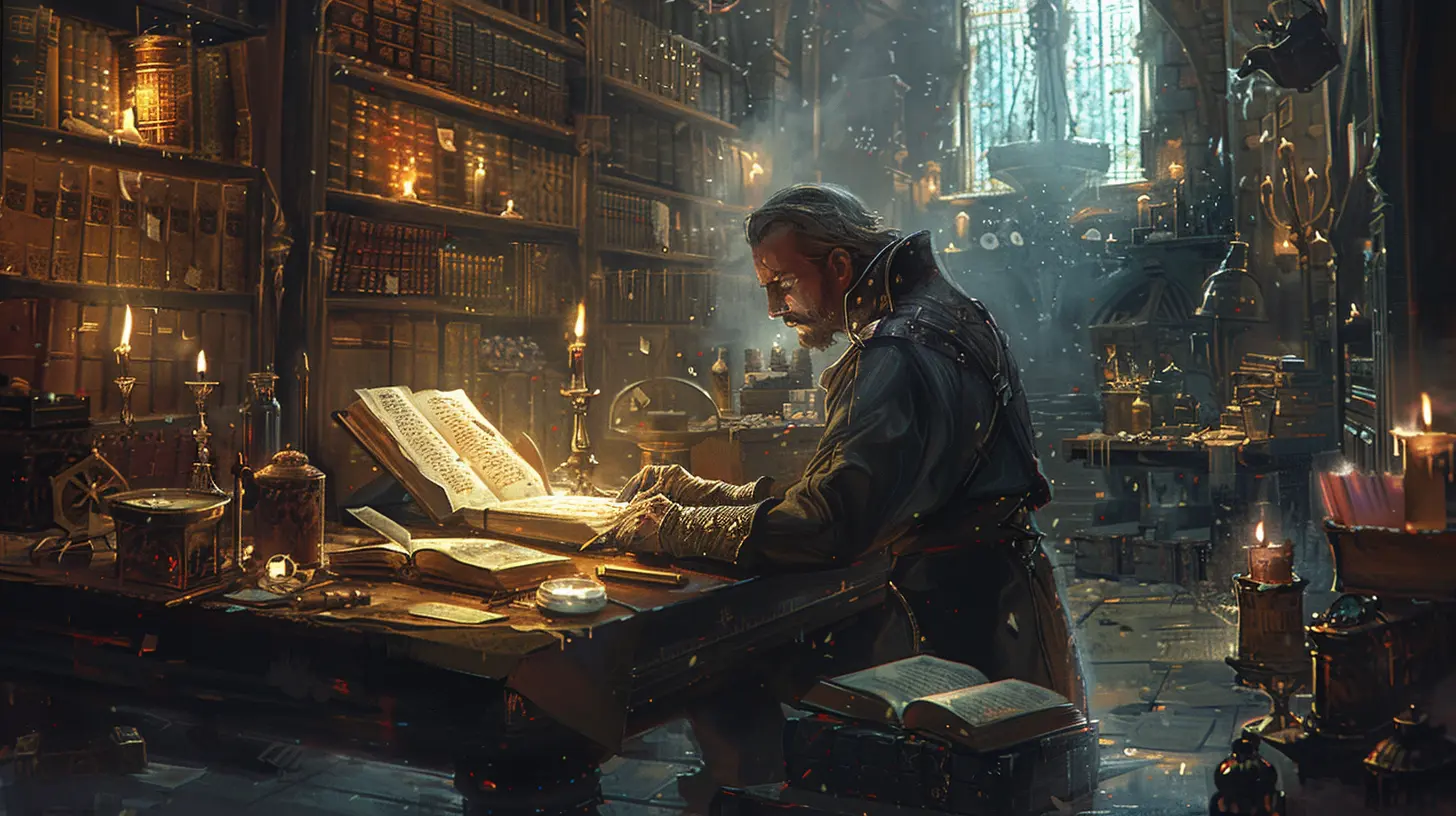
What Is Crafting Design in Games?
At its core, crafting design revolves around systems that allow players to convert raw materials into useful or valuable items. Think of it like cooking in a fantasy world—you gather ingredients, follow a recipe, and create something new. It’s fun, it's strategic, and it gives players a sense of progress and control.But crafting systems aren’t just about recipes. The best ones rely on limited resources and difficult choices to keep things interesting. And that's where scarcity and ethical decision-making come into play.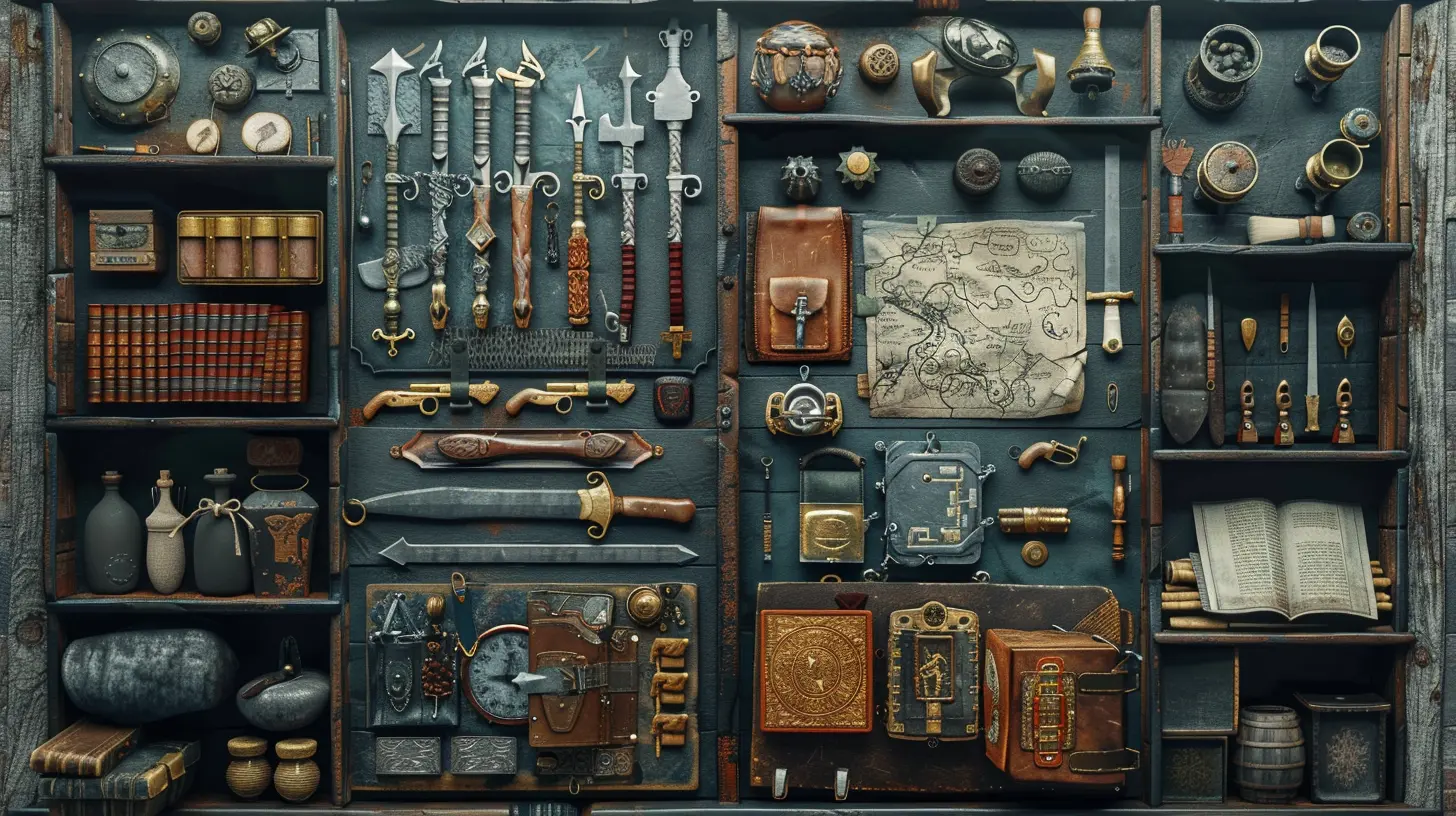
Scarcity: The Driving Force of Tough Decisions
Scarcity is the backbone of every good crafting system. If you had unlimited wood, metal, or magic crystals, crafting would lose its challenge. There’s no thrill in the choice if there’s no cost, right?Why Scarcity Matters
Scarcity turns every choice into a gamble. Imagine you’ve just looted a rare herb in a survival RPG. Do you use it to craft a stamina boost for yourself, or save it in case you need to heal a wounded companion later? That trade-off, driven by limited resources, makes the crafting system not just functional—but emotional.In games where resources are hard to come by, players feel more connected to their choices. Every crafted item feels earned, and every mistake hits harder. It’s like real-life budgeting, only with dragons and magic swords.
Artificial vs. Natural Scarcity
Not all scarcity is created equal. Some games, like survival sims, rely on natural scarcity—you literally have to explore the world to find rare items. Others create artificial scarcity by limiting how often rare items spawn or how much inventory space you have.Both approaches work, but the key is balance. Too much scarcity can frustrate players, turning fun crafting mechanics into tedious chores. Not enough, and it becomes meaningless. It’s a tightrope walk, and good devs know exactly where to draw the line.
Ethical Choices in Crafting: Morality at the Workbench
Now, this is where it gets really interesting. Crafting isn't just about what you can make—it's about what you should make. Ethical choices sneak their way into crafting systems more often than you think.Resource Allocation and Moral Dilemmas
Let’s say you're playing a post-apocalyptic survival game. You can either use your limited supplies to build a water purifier for your camp—or craft a weapon to defend it. That one decision impacts not just your survival, but the livelihood of your whole group.Ethical crafting forces you to weigh the consequences. Maybe you save yourself... but at the cost of losing a vital NPC. It’s not always black and white.
Real Consequences in Fictional Worlds
Some games take it a step further. Titles like “This War of Mine” and “Frostpunk” are famous for introducing morally grey crafting decisions that reflect real-world ethical conflicts. You might need to disassemble medical equipment to gather parts for heating, knowing you're compromising healthcare for survival.When crafting systems start tying into the moral spine of the game, they create unique layers of story and engagement. Players aren't just crafting—they’re confronting dilemmas that stick with them long after they log off.
Crafting as Socioeconomic Commentary
Ethical choices and scarcity don't just create conflict—they can also serve as subtle commentary on real-life issues.The Value of Labor and Resources
In some games, crafting mimics the real-world economic struggles of labor, value, and access. Resource scarcity can highlight social inequalities—some characters or regions may have easy access to materials, while others struggle to survive.In multiplayer games, this can even create a player-driven economy where crafting choices mirror capitalism’s ups and downs. Who holds the power? Who controls the rarest materials? The answers say a lot about the game's internal (and external) systems.
Environmental Ethics in Crafting
More and more developers are including environmental themes in crafting systems. Are you chopping down forests to build a better base? Mining endlessly without considering the ecological impact?Games like “Eco” and “Green Hell” take this concept to the next level, forcing players to consider sustainable crafting. Suddenly, that high-tier item doesn’t seem worth it if it means destroying your environment—sound familiar?
Emotional Weight: Why It Matters
Ethical crafting decisions aren’t just clever—they’re powerful. When you’re genuinely torn between two options, the game becomes more than entertainment. It becomes personal.Players get emotionally invested when their choices have real impact. It’s the storytelling equivalent of putting your money where your mouth is. And when done right, these moments can define the entire experience.
Balancing Ethics and Fun
Okay, so we’ve talked about scarcity, moral implications, and socio-political messaging. But let’s not forget—we’re still talking about games here. They're supposed to be fun!The real trick is balancing these deep, thought-provoking elements without making crafting feel like a guilt trip. Players should feel challenged, not punished.
How Devs Can Get It Right
- Transparency: Let players understand the consequences of their choices.- Multiple Solutions: Provide different crafting paths to accommodate ethical variety.
- Reward vs. Sacrifice: Make both options viable in the long term—don’t punish players for doing the “right” thing.
- Adaptive Narratives: Let the world react. Your choices should change how the story unfolds.
Examples of Games That Nail Ethical Crafting
Let’s give a shout-out to some games that have woven ethical choices and scarcity into their crafting systems like pros:1. Frostpunk
Every resource matters. Every decision affects the lives of your citizens. Build a medical post or a coal mine? Choose wrong, and people freeze to death. Brutal, but brilliant.2. This War of Mine
You’re not just a survivor—you’re a caretaker. Crafting weapons may protect you, but neglecting medicine might cost someone their life. Guilt included.3. Subnautica
You explore, you build, you survive. But overharvest the ecosystem, and it starts pushing back. Smart, subtle environmental storytelling through crafting.4. The Last of Us Part II
Crafting isn’t just about upgrades. Choosing between crafting a Molotov or a healing item feels heavier when someone’s life is literally on the line.Looking Ahead: Future of Ethical Crafting Systems
As games continue to evolve, expect more ethically layered crafting systems. AI and procedural storytelling could make moral decisions even more dynamic. Imagine a game where the consequences of what you craft ripple through generations of in-game characters.We’re entering an exciting new era where crafting isn’t just a gameplay feature—it’s a narrative engine.
Final Thoughts
Crafting systems have come a long way from simple item mixing. In today’s games, they’re fertile ground for storytelling, world-building, and ethically complex decision-making. By injecting scarcity and moral dilemmas, developers create not just deeper mechanics—but unforgettable experiences.So next time you’re staring at your inventory, wondering whether to use that last piece of cloth for a warm blanket or a bandage, remember: you’re not just crafting an item—you’re crafting your story.
all images in this post were generated using AI tools
Category:
Item CraftingAuthor:

Tina Fisher
Discussion
rate this article
2 comments
Rosanna Moses
This article compellingly explores the tension between ethical decision-making and resource scarcity in game design. It reveals how these dynamics shape player experience, pushing developers to balance realism with engaging gameplay mechanics.
February 2, 2026 at 4:36 PM
Tina Fisher
Thank you for your insightful comment! I'm glad you found the exploration of ethical decision-making and resource scarcity in game design compelling. Balancing these elements is crucial for creating an engaging player experience.
Claire Baxter
Balancing ethics and scarcity enhances player engagement and deepens immersive experiences.
February 1, 2026 at 5:52 PM
Tina Fisher
Thank you for your insight! Balancing ethics and scarcity indeed enriches gameplay and fosters a more immersive experience for players.