How Voice Recognition Is Shaping the Future of VR
13 March 2026
Virtual reality (VR) is no longer just about putting on a headset and waving your hands around—it's evolving into something way more immersive, intelligent, and dare we say, intuitive. One of the quiet game-changers stepping into the spotlight? Voice recognition. Yep, we’re talking about the tech that lets you talk to your devices like you would a buddy.
But it’s not just about giving futuristic commands like “engage” or “open portal”—though, let’s admit, that’s pretty awesome. It’s about creating VR experiences that feel natural, responsive, and even a little magical. So, pull up your favorite chair (real or virtual), because we're diving deep into how voice recognition is shaping the future of VR in ways you probably never imagined.

Welcome to the Voice-Driven Era of VR
Let’s break it down. VR, at its core, is all about immersion. When done right, it makes you feel like you’ve stepped into an entirely new world. The catch? Traditional controls—joysticks, buttons, and hand gestures—can sometimes pull you out of the experience. That’s where voice recognition steps in like a superhero with an excellent mic setup.No need to fumble through menus or remember obscure hand motions. Just speak, and stuff happens. From navigating virtual environments to interacting with NPCs (non-player characters) like you're in a real conversation, voice tech is turning VR from clunky to seamless.
The Evolution of Voice Recognition in VR
Not too long ago, voice recognition was... well, kind of hit or miss. Remember shouting into your phone to "Text Mom" and ending up texting your boss instead? Yeah, not the best time.But things have changed big time. With AI and machine learning getting smarter, voice recognition has become seriously accurate. Now it can understand different accents, context, and even emotional tone (yup, it's listening to how you say things too). And this leap in tech is exactly why it’s starting to play such a central role in virtual environments.
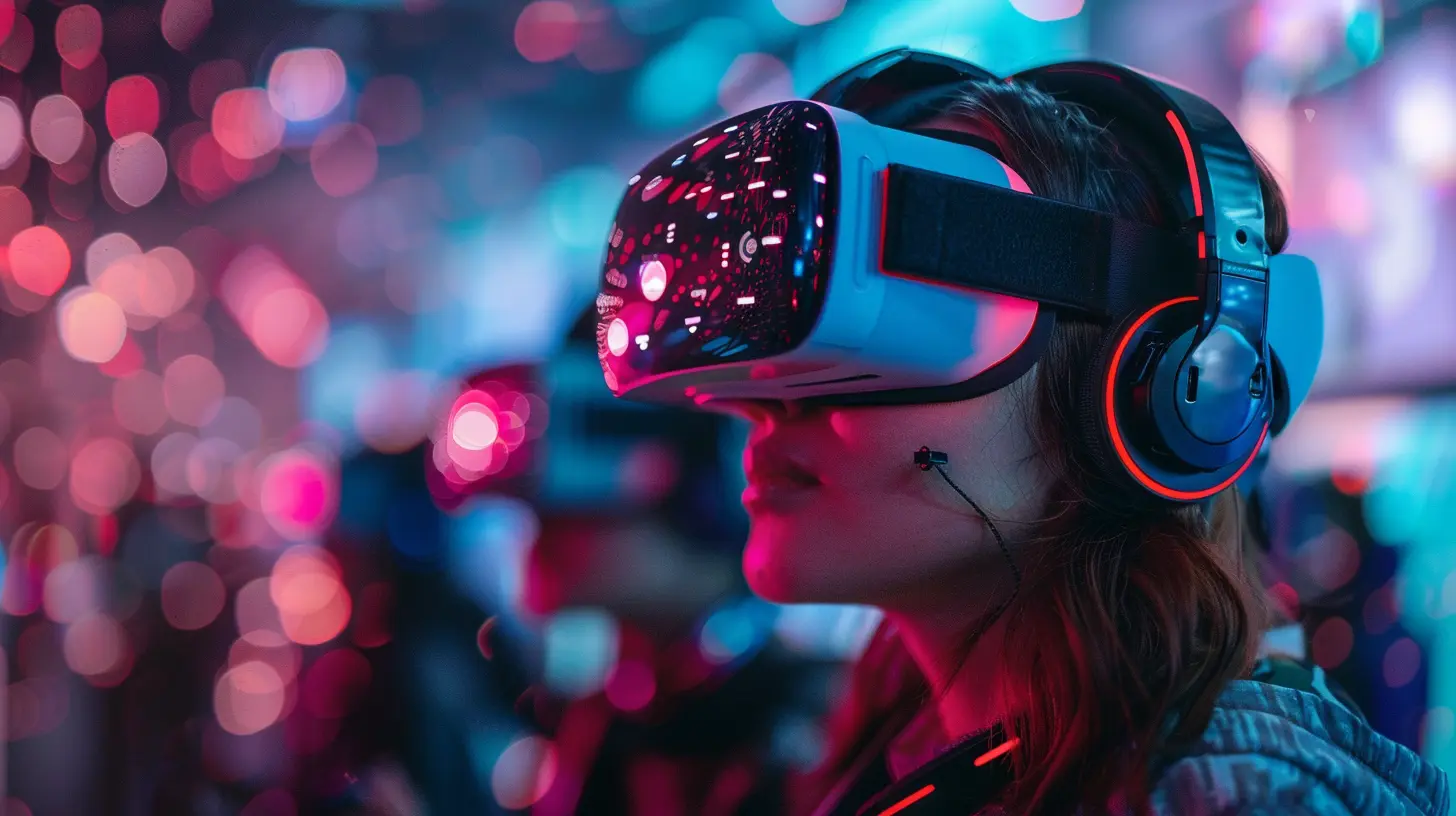
Making VR More Immersive Than Ever
Let’s say you’re in a fantasy RPG, sword in hand, dragon in the sky. Instead of fumbling around for a menu or button combo, you simply yell, “Equip fire spell!” Boom—spell ready. That's the kind of game-changing simplicity we're talking about.Goodbye Menus, Hello Conversations
Menus break immersion. Full stop. Nobody wants to pause an epic moment just to dig through settings or select dialogue options. With voice commands, those interactions can happen naturally.Imagine walking up to an NPC and just... talking. Not clicking, not scrolling through choices—actually initiating a full conversation. Some games and VR platforms are already experimenting with this. And as the tech improves, these interactions could become as fluid as chatting with a friend.
Real-Time Reactions = Real Emotions
Voice recognition can also help VR respond to your emotions. If the tech detects stress in your voice, the game could adjust difficulty. If you sound curious, the AI might offer hints or story expansions. That kind of responsiveness adds a layer of depth that’s hard to match with any traditional input.
Accessibility Gets a Level-Up
Let’s get real for a sec—VR hardware isn’t always friendly for everyone. People with physical disabilities might struggle with hand controllers or complex gestures. Voice recognition opens a whole new door.With just their voice, players can control environments, communicate, and play without needing to physically interact with a controller at all. That’s huge. It brings more people into the VR fold and makes gaming or virtual experiences more inclusive.
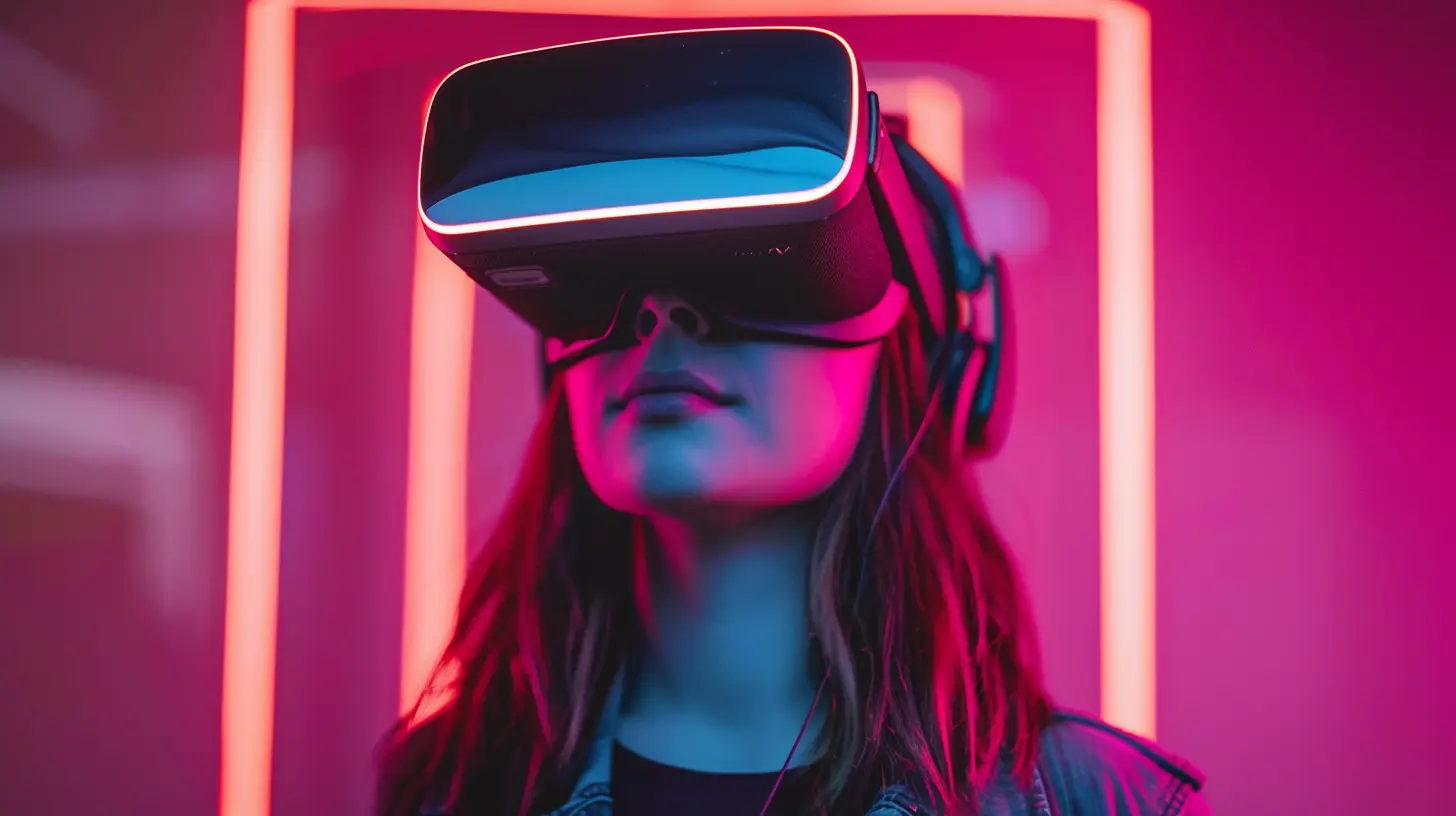
How Game Devs Are Using Voice Right Now
Alright, so you’re probably wondering, “Is this just future talk, or are games already using this stuff?” Awesome question.Here are a few ways developers are already weaving voice commands into VR:
- In-Game Commands: Some games let you cast spells, issue squad orders, or activate gadgets using your voice.
- Dialogue Systems: A few VR RPGs are experimenting with natural speech to interact with characters.
- AI Companions: Think smart helpers that respond to you like a personal assistant inside the game.
- Voice Search in VR Stores: Navigating apps and content gets way easier when you can say what you’re looking for instead of scrolling forever.
And that’s just the beginning. As more devs tap into voice APIs and integrate voice-AI platforms, the possibilities will only keep growing.
The Role of AI: The Secret Sauce Behind It All
Voice recognition alone is cool, but when you mix it with AI? Now we’re talking next-level stuff.AI helps voice recognition become context-aware. It’s like the difference between talking to a parrot and talking to a brilliant assistant who understands what you mean, not just what you say. AI enables VR to react in smarter ways by understanding not just words, but meaning, intent, and even mood.
ChatGPT in VR?
You better believe it. Platforms are already toying with plugging AI like ChatGPT into NPCs. That means characters can hold unscripted, meaningful conversations with players. No canned responses—just dynamic back-and-forth dialogue that feels genuinely human. Imagine a game where every character is unique and remembers your past interactions. Yeah, mind blown.
Challenges Ahead (It’s Not All Rainbows Yet)
Okay, so we’ve hyped up voice in VR pretty hard—and for good reason. But let's also talk about some of the bumps in the road.Voice Accuracy Still Has a Way to Go
Even though it's better than ever, voice recognition isn’t foolproof. Background noise, accents, or muffled speech can still trip it up. In a chaotic, action-packed VR game, shouting “open door” might not always work as expected.Privacy Concerns
Let’s face it—having a mic always listening can raise some eyebrows. There's always concern about data collection, how voice inputs are stored, and who’s listening. Developers need to be transparent and secure about how they handle voice data.Hardware Limitations
Not everyone’s headset has top-notch mics. Crappy audio input makes for a frustrating voice experience. Until high-quality voice capture becomes standard, adoption might be slow in some circles.A Glimpse Into the Voice-Powered VR Future
So, where’s this all headed?Picture virtual worlds where your voice becomes the ultimate controller. Where your tone influences outcomes. Where you can build relationships with AI-driven characters who remember you. Where your emotions, spoken aloud, shape your personal VR story.
Eventually, voice could combine with biometric data—like heart rate or eye movement—to create fully adaptive experiences. Scared? The game might go easier on you. Excited? The world gets more vibrant. That's not just gaming. That’s VR evolving into a new kind of living dreamscape.
The Final Word: It’s Your Voice, Your World
Look, the way we interact with digital worlds is changing. Voice recognition is taking VR to new heights, making it more intuitive, inclusive, and immersive. It’s no longer about what you can do with a controller—it’s about what you can say, and how the world responds.We're at the dawn of a voice-first VR future. If you're a gamer, creator, or just a curious tech enthusiast, this evolution is something to watch—and talk about.
So next time you slip on that headset and hear yourself talking to your digital world, remember: you’re not just playing the game. You’re shaping it.
all images in this post were generated using AI tools
Category:
Vr TechnologyAuthor:

Tina Fisher
Discussion
rate this article
2 comments
Zevros McIntyre
Great article! Voice recognition is truly revolutionizing the VR experience, making it more immersive and accessible. It's exciting to see how this technology will enhance interactions and storytelling in gaming. Looking forward to witnessing the innovative applications that will emerge as developers embrace these advancements. Keep up the fantastic work!
March 17, 2026 at 5:53 PM
Tina Fisher
Thank you for your thoughtful comment! I’m glad you enjoyed the article and share my excitement about the future of voice recognition in VR. Stay tuned for more developments!
Camden McFarlane
Oh great, because nothing screams “immersive gaming” like my voice mispronouncing “attack” while my virtual avatar just stares blankly. Can’t wait to have conversations with my headset!
March 16, 2026 at 5:04 PM
Tina Fisher
I appreciate your humor! Voice recognition in VR is still evolving, but it aims to enhance immersion. Your feedback highlights the importance of accuracy in the development process.