Why More Games Are Launching With Built-In Photo Modes
28 December 2025
Let’s be real for a second—gaming has never looked so good! From sprawling open worlds drenched in golden sunsets to hyper-detailed character models so lifelike you almost feel like they’re breathing, it’s no wonder we want to capture those moments. And guess what? Game developers are way ahead of us. That’s why more and more modern titles are coming loaded with built-in photo modes.
But why now? Why are photo modes becoming such a common feature, almost as essential as health bars or mini-maps? Well, buckle up, because we’re about to dive deep into the pixels and polygons of this fascinating shift in game design.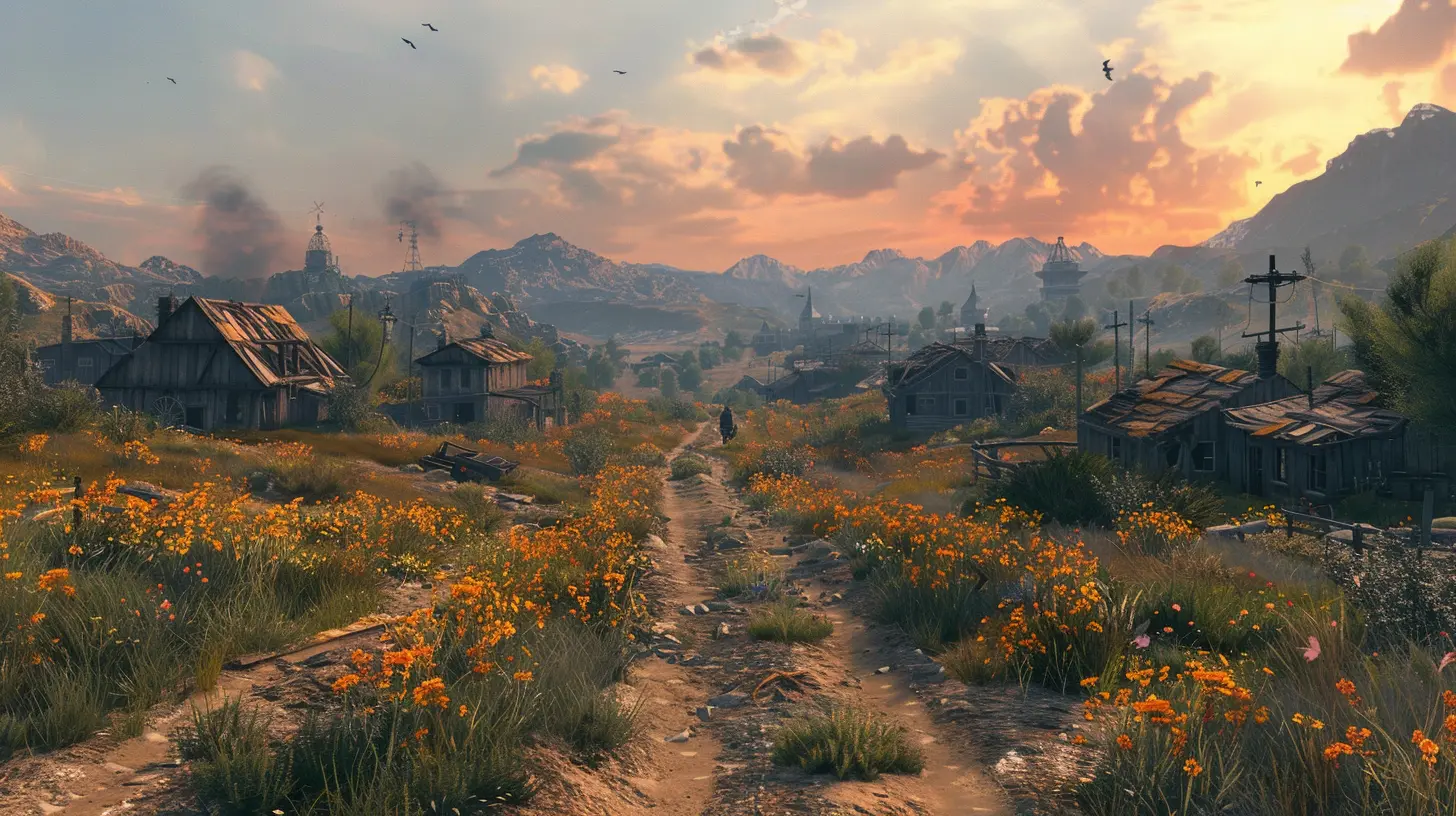
The Rise of In-Game Photography
Remember the early days of gaming, when graphics were blocky and screenshots were taken by pointing a camera at your TV screen? Good times, huh? Fast forward to today, and the landscape has changed dramatically.Games now blur the line between reality and fantasy, thanks to powerful graphics engines, ray tracing, and next-gen hardware. With visual fidelity reaching cinematic levels, it’s no surprise that players want to freeze-frame the action and show off their adventures in style.
And that’s where photo modes swoop in like digital superheroes.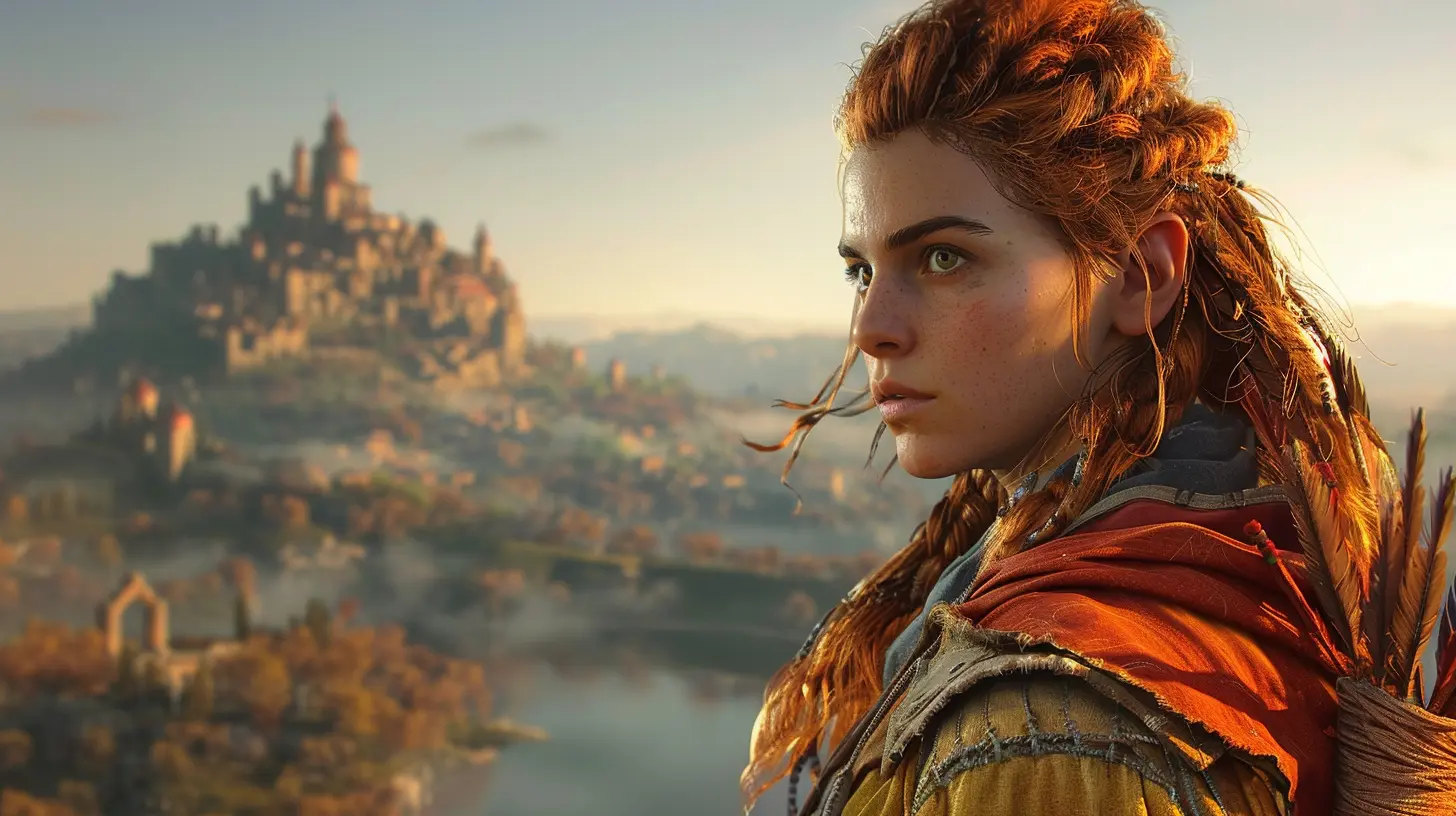
What Exactly Is a Photo Mode?
If you’re new to all this, let’s break it down. A photo mode is a built-in feature in many modern video games that lets players pause the action and take control of a free-moving camera to snap photos of the in-game environment, characters, or moments.You can often tweak a bunch of settings—like depth of field, filters, contrast, brightness, focus distance, and even facial expressions of characters—to get that perfect shot. Think of it as Instagram meets AAA gaming.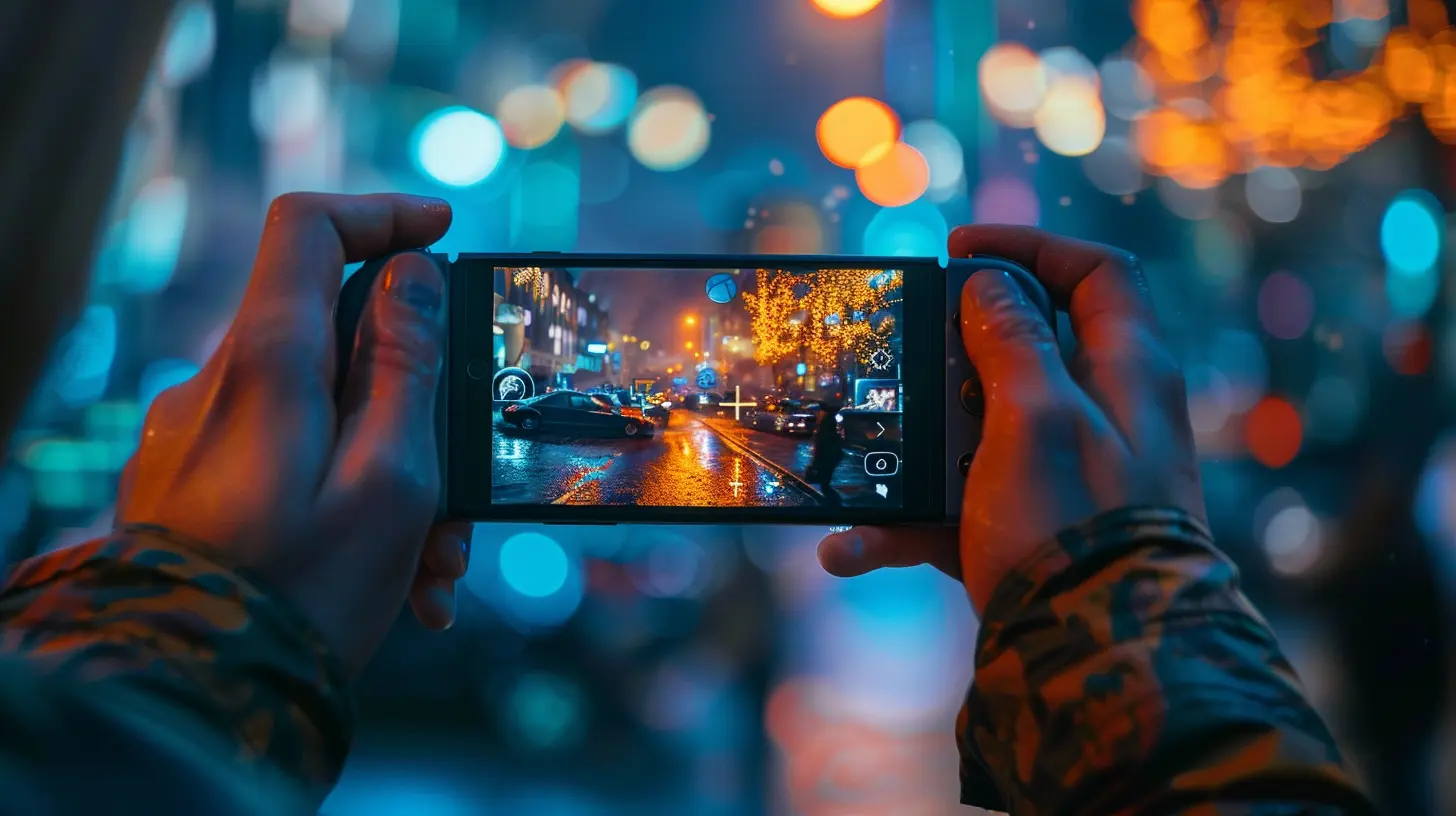
So Why Are Developers Jumping on the Photo Mode Bandwagon?
1. Games Are Freakin’ Gorgeous Now
First things first, modern games are visual masterpieces. Titles like Horizon Forbidden West, Ghost of Tsushima, and Red Dead Redemption 2 aren’t just games—they're works of art. It would almost be a crime not to let players capture the beauty.When you spend years crafting every blade of grass, every flickering torchlight, and every raindrop, you naturally want your audience to appreciate it. Photo modes give players the tools to admire—and immortalize—the artistry developers work so hard to create.
2. Free Marketing? Yes, Please!
Here’s where things get really clever. Every time a player posts a jaw-dropping screenshot on Twitter, Reddit, or Instagram, they’re essentially marketing the game. For free.Think about it: A stunning image shared on social media sparks curiosity. People comment, ask what game it is, and boom—organic exposure. It's word of mouth for the digital age. Developers know this and are leaning into it hard.
Games like The Last of Us Part II and Spider-Man: Miles Morales have thriving online communities centered around their photo modes. That’s smart branding, pure and simple.
3. It Boosts Engagement (Big Time)
Photo modes keep players engaged for longer. Instead of blowing through a campaign and shelving the game, players linger. They explore every nook and cranny, not for loot or XP, but for that perfect shot.This adds a whole new layer of gameplay. It’s not uncommon to see someone spend hours in a single location, experimenting with angles and lighting as if they were prepping for a Vogue shoot.
In a world where player retention is king, giving gamers new reasons to stay immersed is golden.
The Social Factor: Gaming as a Shared Experience
Let’s not underestimate how much gaming has evolved as a social medium. Gone are the days of playing solo in a dark room with no one to see your victories but your cat.Today, gaming is intrinsically linked with social media. Whether you’re streaming on Twitch or dropping screenshots in a Discord group, sharing is part of the fun.
Photo modes tap straight into that. They allow players to express themselves beyond kill counts and leaderboard ranks. It’s a new kind of bragging right. Instead of “Look how many headshots I got,” it’s “Look at this breathtaking sunset I captured while riding across the desert.”
Empowering Player Creativity
One of the coolest things about photo modes is how they unleash creativity. Players aren’t just gamers—they’re artists, directors, photographers, storytellers.Some games even add overlays, logo placements, or hashtag features directly into the interface. It’s like customizing your own digital postcard from another universe.
You’ve probably seen entire Instagram accounts or subreddits dedicated to in-game photography. Some players aren’t even interested in finishing the game—they’re just there to create art. How wild is that?
Photo Modes As Accessibility Tools
Here’s a twist you may not have thought about. Photo modes can also serve as unexpected accessibility features.For players with physical limitations or those who find real-time gameplay stressful, photo modes offer a low-pressure way to interact with the game world. You can soak in the story, admire the visuals, and engage at your own pace. Everyone gets to be part of the fun, just differently.
It’s a small touch that can make a big difference in player inclusivity.
Examples of Games That Nail Photo Mode
Let’s give some love to the titles that absolutely crushed it when it comes to photo modes:- 🎮 Ghost of Tsushima – Probably one of the most celebrated photo modes ever. Add wind direction, particle effects, dynamic time of day, and even flute music? Insane.
- 🕸 Spider-Man: Miles Morales – Swinging through NYC never looked this good. You can pose Spidey mid-air and even slap on comic-style filters.
- 🏹 Horizon Forbidden West – From mechanical monsters to lush landscapes, this game is a dream come true for virtual photographers.
- 🐎 Red Dead Redemption 2 – Want to roleplay as an old-timey wildlife photographer? Say no more.
- 👩🚀 Control – With its trippy environments and eerie lighting, every screenshot feels like a frame from a sci-fi noir film.
Why You Should Care as a Player
Okay, so you’re not into photography IRL, and you don’t see the point in fiddling with angles for 20 minutes. That’s totally fine.But here’s something to consider: photo modes add value. They’re a tool not just for sharing, but for appreciating. They slow things down and let you absorb the world at your own pace. That’s rare in modern games where the action’s always pushing you forward.
Plus, it's fun! Seeing your game through a different lens (literally) adds a layer of creativity and immersion that’s completely optional, but oh-so rewarding.
Where We’re Headed: The Future of In-Game Photography
With gaming continuing to push technological boundaries, you can bet photo modes will evolve too.We’re likely to see deeper integration with social platforms, smarter AI tools for framing and focus, maybe even community-curated photo challenges built right into the game. Imagine a weekly theme, like “Sunsets” or “Underwater Shots,” curated by developers or voted on by the community. That’s some next-level engagement.
Also, as virtual and augmented reality continue to grow, expect photo modes to break into those spaces too—think 360-degree in-game photography or immersive, real-time screenshot capture via VR headsets.
Devs, Take Note: What Makes a Great Photo Mode?
If you’re a developer reading this (hey there 👋), here’s a quick cheat sheet. A killer photo mode should:- Be easy to access and pause the game instantly.
- Offer full camera control (pan, tilt, zoom).
- Include manual settings (aperture, focus, filters).
- Allow facial expression or pose changes for characters.
- Integrate social sharing options.
- Have intuitive UI that doesn’t take 30 minutes to figure out.
Optional, but awesome: dynamic weather/time control, particle effects, animations, stickers and overlays, and a gallery mode.
Final Thoughts: Snap the Moment, Share the Magic
Gaming has always been about immersion, but photo modes take it to a whole new level. They let us freeze breathtaking moments, capture our own narratives, and showcase the beauty of digital worlds that artists spent years building.And let's be honest—there's something deeply satisfying about nailing that perfect shot, isn’t there?
So, next time you find yourself staring at a gorgeous sunset over a pixelated mountaintop or watching your character walk through a neon-lit alley at midnight, hit that photo mode button. You never know—you might just capture something unforgettable.
all images in this post were generated using AI tools
Category:
Game TrendsAuthor:

Tina Fisher
Discussion
rate this article
2 comments
Zedric McCallum
Finally, a reason to brush up on my photography skills! Who knew capturing in-game sunsets would become the new ‘Instagrammable’ moment? Gone are the days of just playing—I’m now a virtual photographer, armed with filters and the occasional photobombing NPC!
January 10, 2026 at 3:24 PM
Tina Fisher
Absolutely! Game photography not only enhances creativity but also adds a whole new layer of enjoyment to gaming. Happy snapping!📸
Kylie McCullough
Capturing moments enhances storytelling and player connection.
January 7, 2026 at 4:21 AM
Tina Fisher
Absolutely! Photo modes allow players to express themselves and share their unique experiences, deepening engagement with the game's narrative and community.