How to Design a Rewarding Crafting Experience
14 August 2026
Crafting systems are the unsung heroes in a game's ecosystem. They're the vegetables in your gaming stew—maybe not the flashiest ingredient, but man, when done right, they bring depth, flavor, and a whole lot of satisfaction.
Whether it's forging epic swords, brewing potions, or cobbling together bizarre gadgets from scraps, crafting taps into something primal in players. That drive to create, improve, and customize is incredibly powerful. But here's the kicker—it has to feel rewarding. If it doesn’t, players will skip it faster than a boring tutorial.
So, how exactly do you design a crafting experience that’s not just functional, but genuinely interesting and addictive?
Let’s dig deep and break it down.
Why Crafting Systems Matter in Games
Crafting is more than just a checklist of ingredients. It's about engagement. It gives players autonomy, a sense of progression, and a reason to explore and interact with the world.Imagine a player wandering through a dense forest. Instead of just hacking and slashing through enemies, they're picking herbs, mining ore, and collecting feathers from rare birds. They’re not just surviving—they're thriving, building, evolving.
Crafting gives players that feeling of "I built this," which is powerful. It connects them to the game world in a way that scripted events or store-bought gear never could.
The Core Pillars of a Rewarding Crafting System
Creating a crushingly cool crafting system means focusing on a few key things. Think of them as the secret sauce to turn your crafting experience from "meh" to "heck yeah!"1. Purpose and Context
First things first—why even craft?If crafting feels tacked on or unnecessary, players won’t bother. Every crafted item should have a clear purpose. Make it relevant. Tie it to progression, customization, or narrative. Let gear evolve with the player. If I can craft a flaming sword of doom that helps me tackle a fire-resistant boss, you better believe I’m all in.
Also, add context. Maybe this sword wasn’t just assembled—it’s a legendary weapon passed down by a forgotten tribe, and I gathered pieces from all corners of the map. That storytelling gives weight to the action.
2. Accessibility vs. Depth
Nobody wants a crafting system so complex it feels like coding a rocket launch. But it also shouldn’t be so simple that you can craft anything with two clicks and zero thought.Start simple—let players dabble with basic recipes. Then slowly introduce complexity. Maybe players learn advanced techniques, find blueprints, or discover hidden recipes. It should feel like peeling back layers of an onion (minus the crying). The deeper they go, the more satisfying it becomes.
3. Progression and Mastery
Crafting should feel like a journey.At level 1, you whip up a basic wooden sword. By level 50, you're crafting legendary gear with passive stats and enchantments. Big difference, right? That sense of growth is juicy. Players want to feel like they’re leveling up, not just in XP, but in skill and knowledge.
Progression can come through:
- Unlocking new materials
- Earning advanced recipes
- Upgrading tools
- Gaining crafting perks or abilities
Reward experimentation, and let players specialize if they want. Blacksmiths, alchemists, tailors—everyone can carve their own path.
4. Discovery and Experimentation
Here’s where it gets fun.Don’t spoon-feed everything. Let players mix and match ingredients to stumble upon new recipes. Maybe combining fire crystals and a steel blade gives you a flame sword, but throw in an ice shard instead? Boom—frost dagger.
Encouraging experimentation keeps crafting exciting. It adds mystery and makes players feel clever. Drop subtle hints, let them fail sometimes—that’s part of the magic.
5. Visual and Audio Feedback
Let’s be honest—we're all suckers for good feedback.When I craft something, I want a little dopamine rush. Sparks flying, anvils clashing, a triumphant jingle—these moments matter. It’s the difference between clicking a box and feeling like a legendary smith hammering out a blade under moonlight.
Animations, sound effects, UI polish—it all adds immersion and satisfaction.
Crafting Types that Work (And Why They Do)
Not all crafting systems are cut from the same cloth. Let’s look at some popular types and why they rock.1. Recipe-Based Crafting
This is your classic “combine ingredients A + B = Item C.” It’s straightforward and works well for beginners.Why it works:
- Easy to learn
- Clear goals
- Simple communication of requirements
Make it shine by including a recipe book that fills in as players discover new combos. Bonus points for rare recipes hidden in ancient tomes or hard-to-reach corners of the world.
2. Modular Crafting
Here, players mix and match components to create custom gear. For example, pick a weapon base, add a blade type, and slap on an enchantment. One player’s fire axe might be totally different from another’s poison spear.Why it works:
- Tons of variety and personalization
- High replay value
- Encourages creativity
Let players name and save their creations. You’d be surprised how much pride someone can have in their “Banana Mace of Doom.”
3. Resource-Based Crafting
In this model, crafting depends on collecting and managing finite resources. Players may gather wood, iron, gems, and more from the environment, often needing to travel or fight to get them.Why it works:
- Encourages exploration and combat
- Creates gameplay loops
- Adds value to different game zones
Just be careful not to make resource gathering too grindy. Nobody wants to farm squirrel pelts for five hours just to make one pair of boots.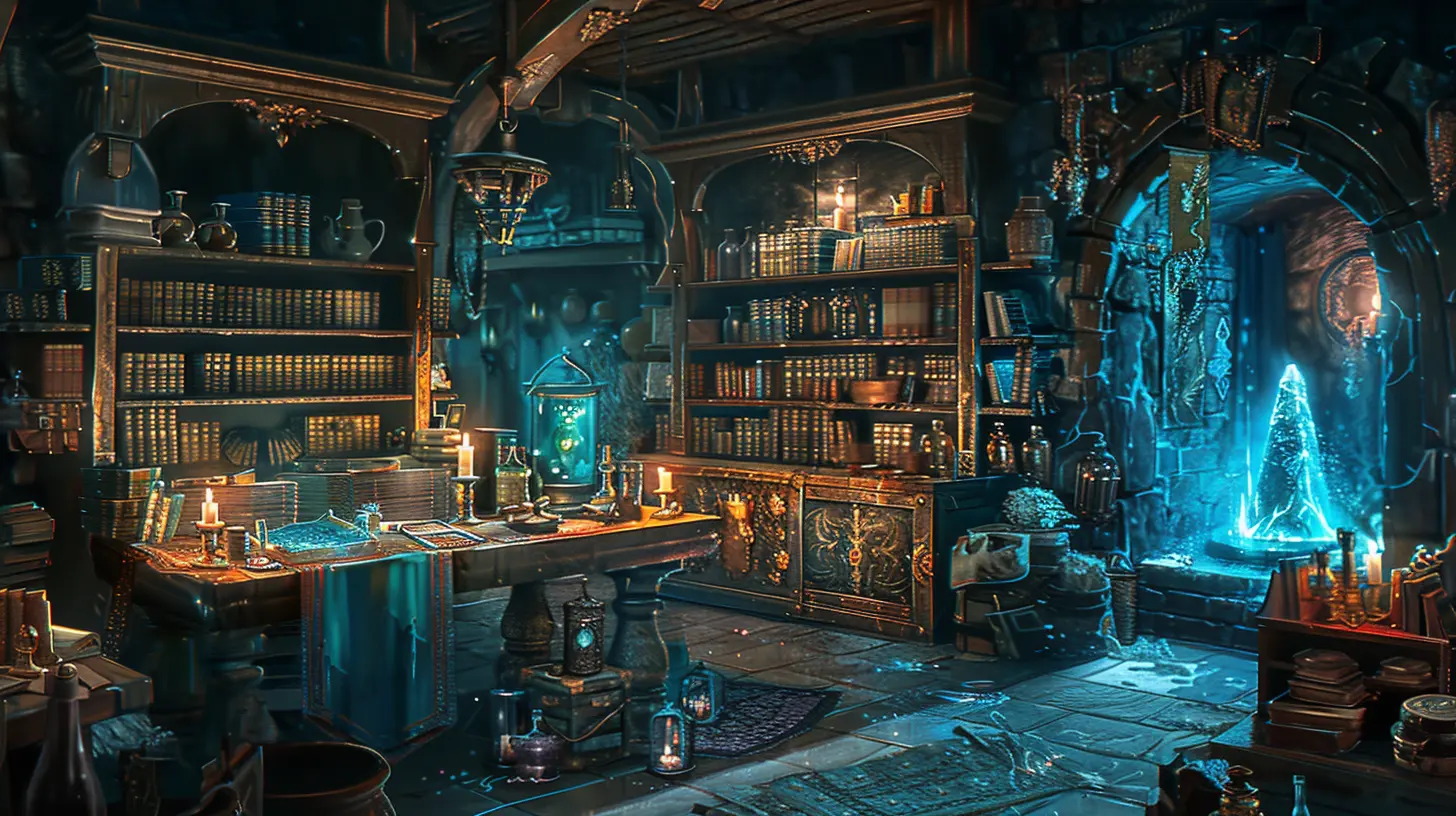
Balancing Crafting Rewards and Effort
One of the trickiest bits? Making sure crafting is worth the effort.If it’s too easy, it feels hollow. If it’s too hard, it’s frustrating. The payoff should always match the effort—or better yet, exceed it.
Here’s how to strike a good balance:
Create Tiers of Craftables
Just like loot, craftables should vary in quality. Start with common stuff, but give players a shot at rare and legendary items with extra effort or luck.Add RNG (With Limits)
A little randomness can spice things up. Maybe each crafted item has randomized stats, and players can re-roll attributes. Just make sure the system isn’t too punishing—let players work toward specific outcomes if they really want to.Tie Craftables to Game Progression
Don’t make every item obsolete after two hours. Let crafted gear scale, evolve, or be upgraded. That way, early investments continue to pay off.Crafting and the In-Game Economy
If your game has a player economy, crafting becomes even juicier.Crafted items can shape the market, especially if resources are limited or certain recipes are rare. This encourages trade, cooperation, and competition among players.
Pro tip: Let players specialize. If someone becomes the best armor crafter on the server? That's gold. Literally and figuratively.
Just watch out for inflation or market imbalances. A flooded market kills value, so scarcity and crafting costs should be carefully tuned.
Crafting UI & UX: The Unsung Hero
No matter how brilliant your system is, if the UI stinks, players won’t enjoy it. Make sure:- Ingredients are easy to track
- Recipes are searchable
- Progress is intuitive (e.g. crafting bars, success indicators)
- Inventory space isn’t a nightmare
A cluttered or clunky crafting screen can turn that joy of creation into a frustrating slog. Keep it clean, responsive, and fun.
Encouraging Player Creativity and Ownership
Here’s a fun twist: let players brand their own gear.Let’s say I craft a rare bow. Imagine if I could name it, sell it, or even mark it with my personal emblem. That’s ownership. That’s identity. It turns crafting into legacy-building.
Some games even allow players to open shops, take commissions, or showcase their work. That turns crafting into a career path within the game—and that's huge.
Don’t Forget the Lore
Finally, you wanna supercharge your crafting system?Tie it to the lore.
Make each item, recipe, or material feel like a piece of the world’s puzzle. Ancient blueprints. Mythical beasts that drop rare parts. Dungeons that hold legendary forges.
If crafting tells a story, players listen. And they’ll keep coming back for more.
Final Thoughts
Crafting isn’t just a system—it’s a journey. When designed well, crafting gives players purpose, identity, and a reason to keep pushing forward. Whether it's a tiny charm or a world-ending weapon, each creation is a testament to their time, effort, and imagination.So when you're designing your next crafting system, ask yourself:
- Is it fun and functional?
- Does it make players feel accomplished?
- Can they own their creations?
- And most importantly—would you want to use it?
Because if the answer’s yes… you might just have a masterpiece in the making.
all images in this post were generated using AI tools
Category:
Item CraftingAuthor:

Tina Fisher