The Role of Audio in Creating Realistic VR Game Worlds
7 August 2026
Alright, let's be honest. When most people think of virtual reality (VR), the first thing that pops into their mind is probably some futuristic headset, flailing arms, and maybe a guy walking into his coffee table. Classic. But here's the thing few people talk about — audio. Yep, your good ol' eardrums play a massive role in making VR feel real. In fact, without killer audio, your so-called immersive VR experience is about as believable as a rubber chicken in a sword fight.
So buckle in, turn the volume up (just not too loud), and let’s talk about why in the world sound is the unsung hero of VR gaming.
Sound Isn’t Just a Sidekick — It’s the Co-Pilot ?✈️?
Most folks think VR is all about visuals. Sure, seeing a hyper-realistic dragon flying toward you is cool, but if that dragon isn’t screaming your ears off while flapping those leathery wings, are you even really scared? Probably not.Great VR audio tricks your brain into thinking you're there. It creates spatial context. It lets you "hear" the size of a room, the distance of an enemy, or even the echo of your own footsteps. It’s like a sixth sense that doesn’t involve spiders or radioactive bites.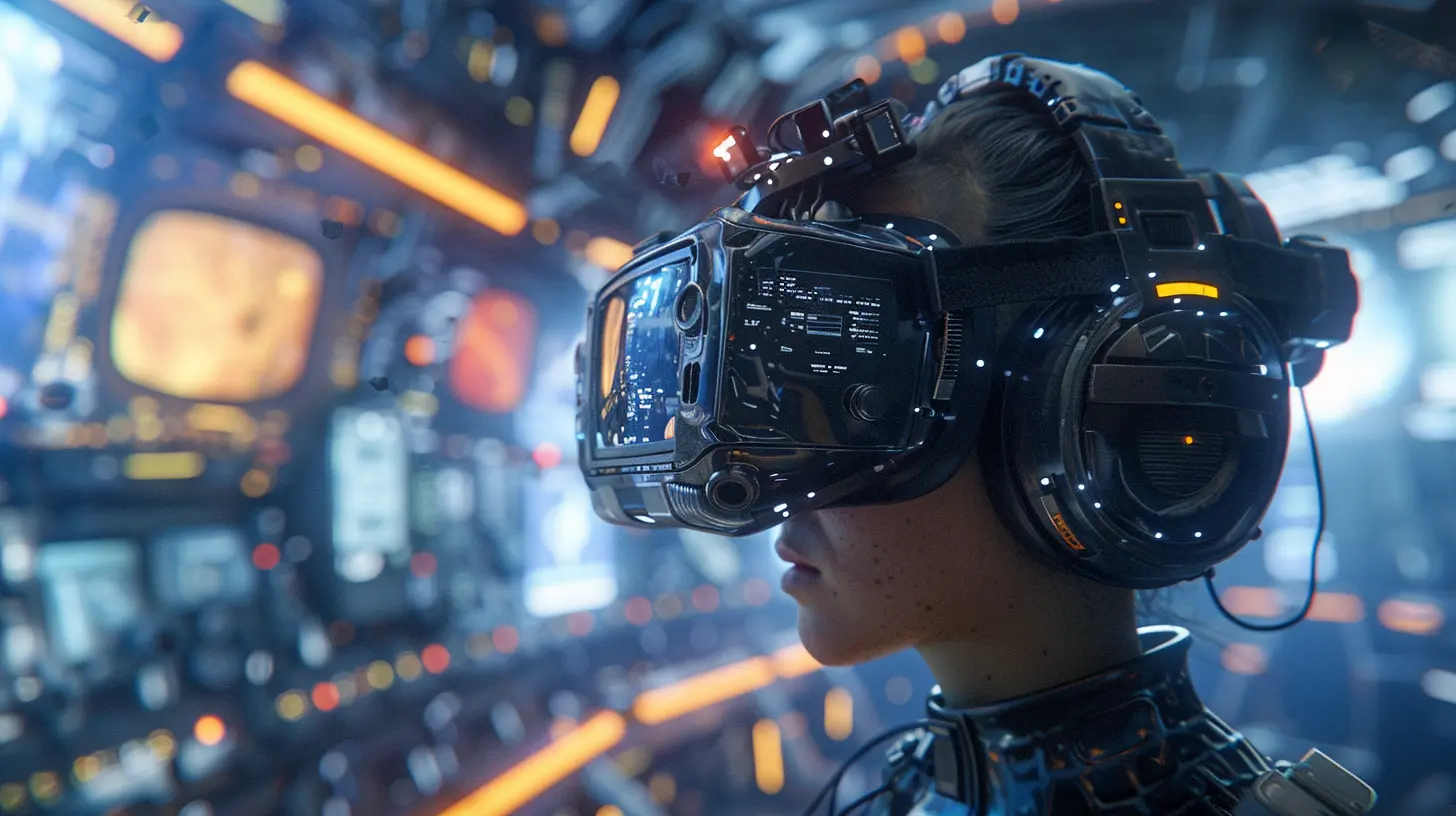
Spatial Audio: The Magic Behind the Mayhem
Now, let’s break this down. The buzzword you’ll hear most in this topic is “spatial audio.” Sounds fancy, right? It basically means sound that comes from all around you — not just left and right, but above, below, behind, and in all those weird diagonal places too.Imagine you're in a VR haunted house (because who doesn’t love a good scare?). A creaky floorboard behind you? You instinctively turn. A whisper brushing past your left ear? You physically flinch. That's spatial audio doing its sneaky, sorcery-like job.
In the old days of gaming, sound came from your TV speakers and that was that. But in VR? Audio is like a three-dimensional map your brain uses to navigate. Without it, your mind has no idea where to go. Spatial audio in VR is basically Google Maps for your ears — minus the nagging voice and wrong turns.
Sound Design: Building Worlds With Your Ears
This is where things get juicy. Audio in VR isn’t just about hearing stuff — it’s about world-building.Let’s say you’re in a post-apocalyptic wasteland. The wind howls, metal scraps clatter in the breeze, and distant sirens wail like banshees with bronchitis. You feel the desolation without even seeing anything yet. That’s the power of ambient sound design.
Think about games like Half-Life: Alyx. The sound of Combine soldiers echoing through tunnels? Chilling. The hiss of a headcrab skittering around the corner? Terrifying. Audio turns blank spaces into living, breathing worlds.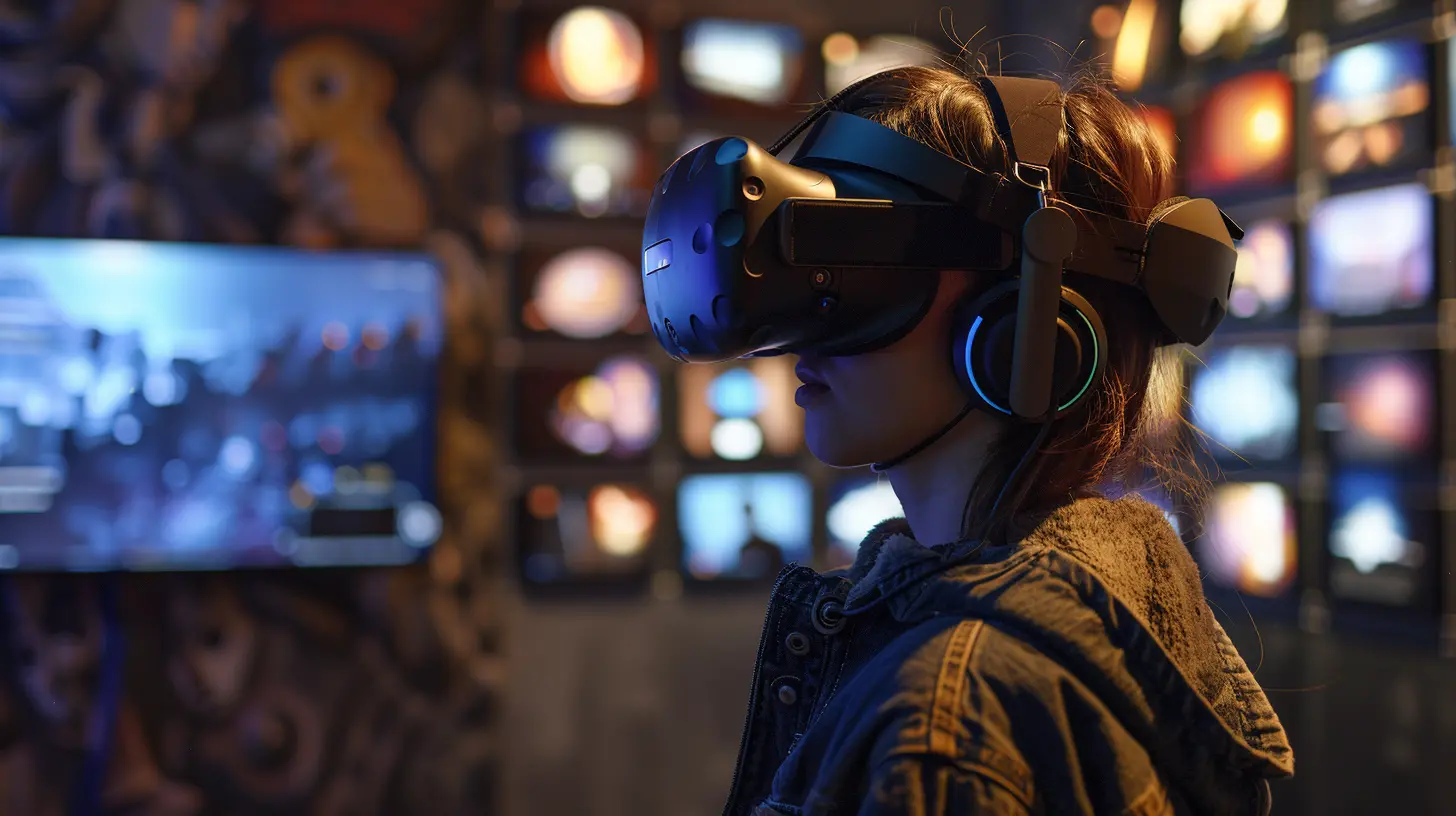
Directional Sound: Because You Can’t Look Everywhere at Once
Your eyes get lazy in VR. You’re focused on a puzzle, then BAM — an alien slaps you from behind. Good positional audio would’ve warned you. Directional sound cues tell you where stuff is happening, even off-screen.In real life, you can hear when someone shouts from another room or drops the remote behind the couch. In VR, this kind of directional awareness is what keeps you from being a sitting duck (unless the game is about being a duck, in which case, quack on, friend).
Think of directional audio as your in-game spider-sense. Without it, you're basically playing tag in the dark. With it? You're a ninja with a surround sound radar.
Realism vs. Hyper-reality: Which Audio Route Should VR Take?
Now here’s a spicy meatball of a debate. Should VR audio be super realistic, like how your ears would hear in real life? OR should it be hyper-real, like a Hollywood action scene where every footstep sounds like Godzilla doing tap dance?The truth? A mix of both. Realistic audio grounds you. Echoes, muffled sounds through walls, reverb in empty halls — those sell the illusion. But hyper-realistic sound adds drama. You want your sword swoosh to sound epic. You want the gun reload to feel crunchy. VR audio walks this tightrope between fidelity and fantasy, and it’s a beautiful balancing act.
Haptics and Audio: A Sensory Power Couple
Okay, let’s talk touchy-feely… but for your ears. Ever noticed how a good bass thump in your headphones makes your heart jump a little? Now throw that into VR with solid haptics (a.k.a. controller vibrations) and you've got a multi-sensory whirlwind.Imagine firing a shotgun: you hear the boom, feel the kick in your hands, and see the shell eject mid-air. That trifecta of sight, sound, and touch takes immersion and cranks it to eleven.
Audio works with haptics, not in a vacuum. Together, they simulate reality in ways vision alone simply can’t.
The Rise of 3D Audio Engines and Tech
Luckily, devs aren’t out here churning audio magic by whispering into a potato and hoping for the best. There are actual tools for 3D audio, like:- Steam Audio – Valve’s spatial audio toolkit. It simulates how sound interacts with the environment (think: echo, occlusion, and reverb).
- Oculus Audio SDK – Facebook/Meta’s answer to spatial sound. Powerful stuff.
- Wwise + Unity/Unreal – These dynamic duos help developers place sound in 3D space with pinpoint accuracy.
These tools help bridge the gap between “you’re just standing in your living room” and “you're dodging laser beams in a space station.”
Audio Fatigue: When Too Much Is... Too Much
Not all that glitters is gold, my friend. Bad VR audio design can be worse than none at all. Imagine hearing the same six-second loop of zombie groans. Over. And over. And over. It’s the audio equivalent of being stuck in an elevator with someone humming Despacito.VR audio should be rich, but it shouldn’t overwhelm. Avoid clutter. Mix it right. Give players space to breathe. Because when every object honks, pings, purrs, or whispers sweet nothings, it turns immersion into a circus.
Nobody wants to wear a headset and come out with tinnitus.
Accessibility & Audio: Making VR for Everyone ??️
We can’t talk about VR audio without mentioning accessibility. Game devs are finally realizing that not everyone hears the same way. Subtitles and visual cues are becoming more common. Heck, some games even vibrate based on nearby sounds, so even if you can’t hear that distant roar — you might still feel it.Inclusive audio design doesn't just make games better — it makes them available to more people. And that’s a win for everyone.
The Future? Audio-Driven VR Worlds
Picture this: a game where the story adapts to what you listen to. Or a stealth VR spy game where holding your breath makes sounds quieter. Yeah, that’s the kind of next-level stuff we’re heading toward. Audio-controlled mechanics. Voice-guided navigation. AI-driven soundscapes that react to your headphones' mic input.It’s wild. It’s weird. And it’s wonderful.
Final Boss Thoughts: Why Audio is the MVP ??
If VR visuals are the body, then audio is the soul. It whispers, roars, startles, guides, and stirs emotions in ways no polygon ever could. It tells you where to go, what to feel, and sometimes — when to run.So next time you throw on that headset and step into a magical realm, take a second to appreciate the subtle rain patter, the distant thunderclap, or the groan of a nearby beast. That’s not just sound — that's storytelling.
And remember, in the world of VR, hearing is just believing.
all images in this post were generated using AI tools
Category:
Vr TechnologyAuthor:

Tina Fisher