How Minimalism in Design is Redefining Indie Games
6 December 2025
In a world where AAA games are flexing their muscles with massive open worlds, cinematic cutscenes, and mind-blowing graphics, it’s easy to overlook the quiet revolution happening in the indie gaming scene. But you know what? Sometimes, less really is more—especially when it comes to game design. Minimalism, once seen as a limitation, is now one of the indie dev’s most powerful tools. And honestly, it's redefining how we play, feel, and connect with video games.
Let’s dive deep into why minimalism in design isn’t just a trend—it’s a whole new philosophy that's transforming the indie space.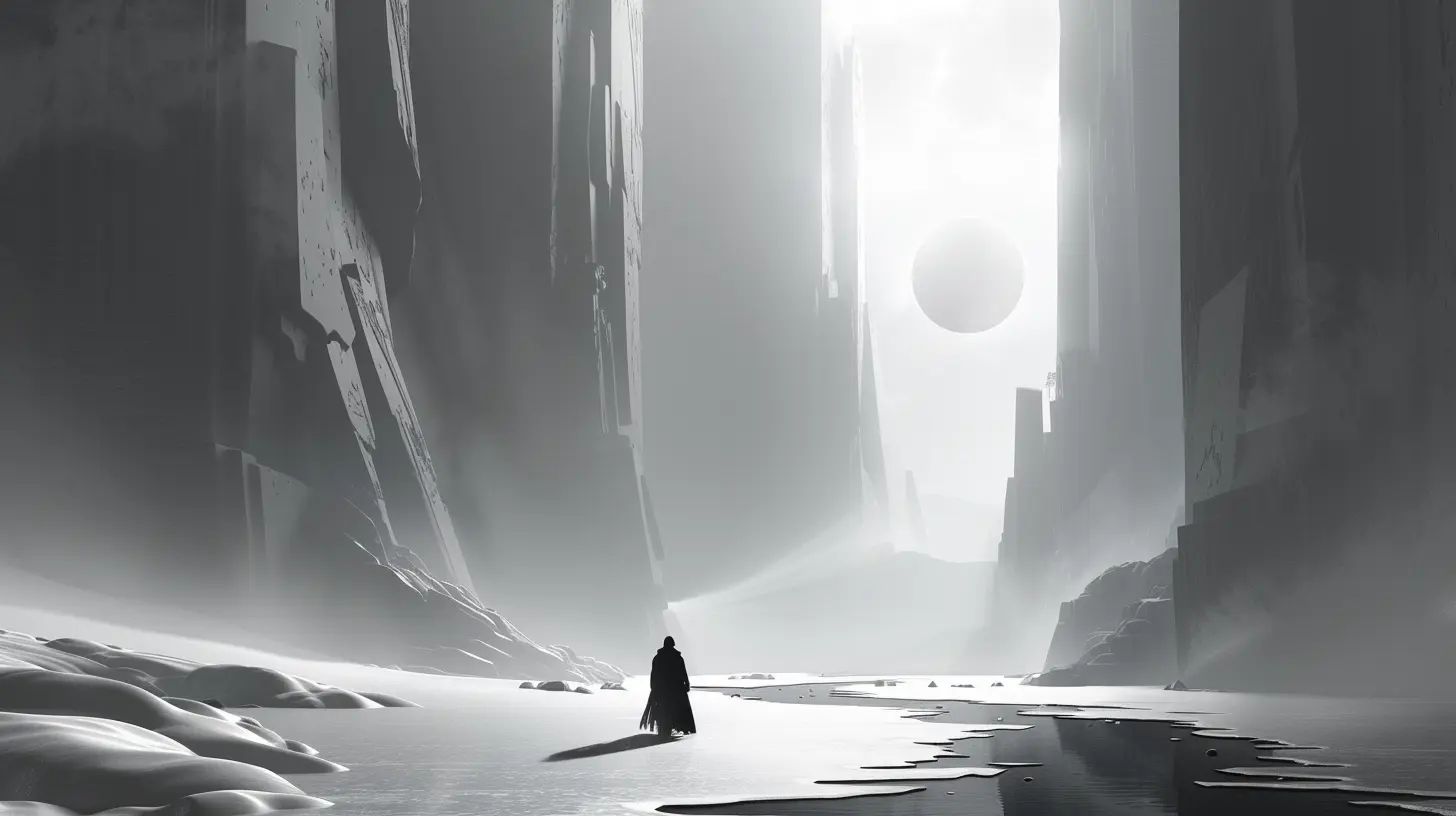
What Does Minimalism in Game Design Even Mean?
First off, let’s clear the air. When we say "minimalism" in game design, we're not just talking about simple graphics or a basic color palette. It goes beyond that.Minimalism is all about stripping away the non-essential to spotlight what truly matters. That could mean:
- A limited control scheme
- Sparse environments
- Basic visual elements
- Ambient soundtracks
- Subtle storytelling
But here's the cool part—it’s not about making things easier or cheaper. It’s about clarity and intentionality. Every element in a minimalist indie game serves a purpose. Nothing is there just for show.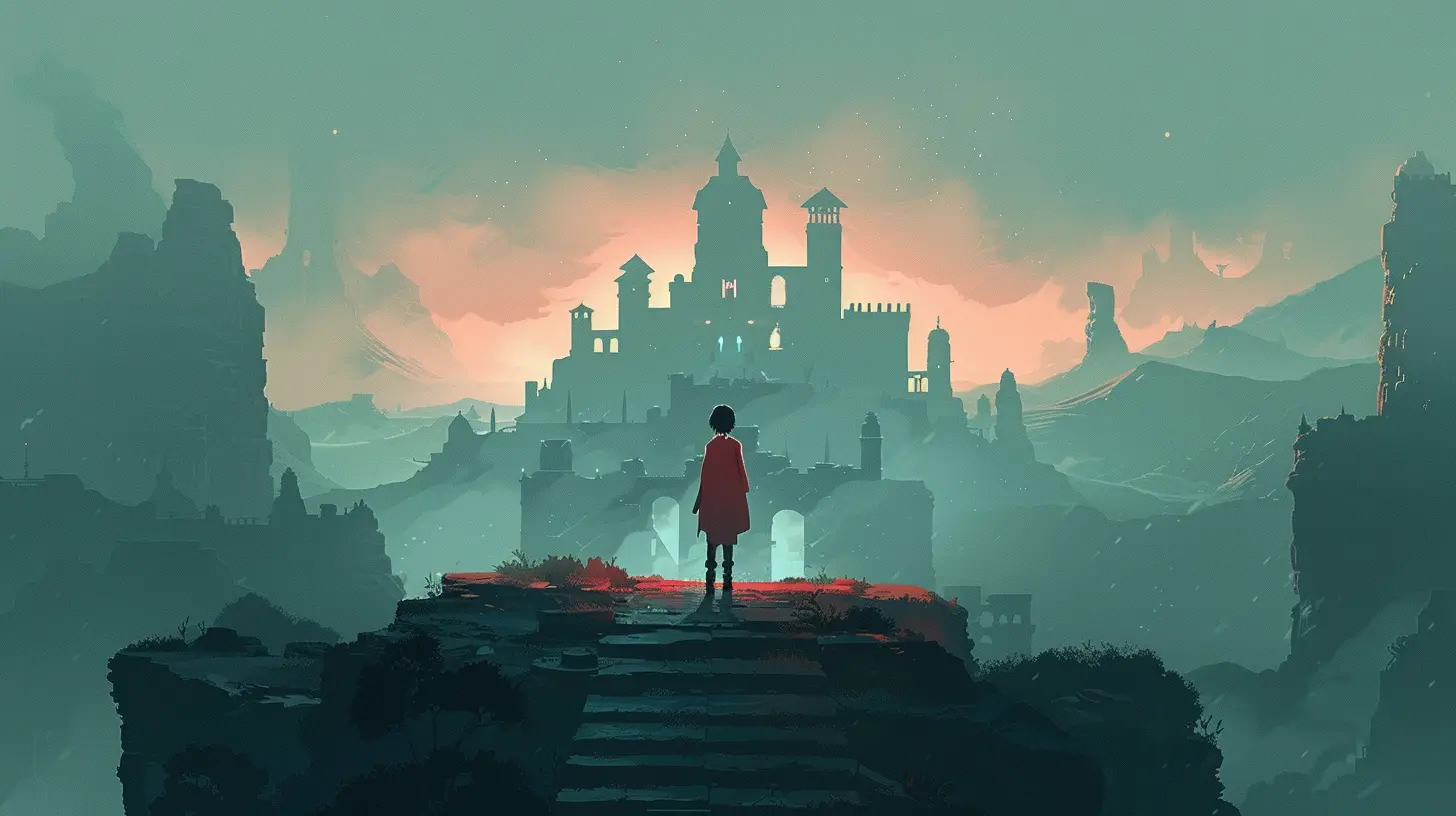
The Emotional Power of Simplicity
Ever played a game that hit you right in the feels... without a single line of dialogue?Games like Journey, Limbo, or Celeste don’t just use minimalistic visuals for style—they use them to make you feel something raw, something real. When there are fewer distractions, every sound, every movement, every pixel packs more emotional punch.
Minimalist design forces players to fill in the blanks with their imagination. It's kind of like reading a poem—you don’t need all the details spelled out; you just need the right ones to connect.
This emotional depth, created through restraint, is something many indie devs have mastered. And trust me, it’s powerful.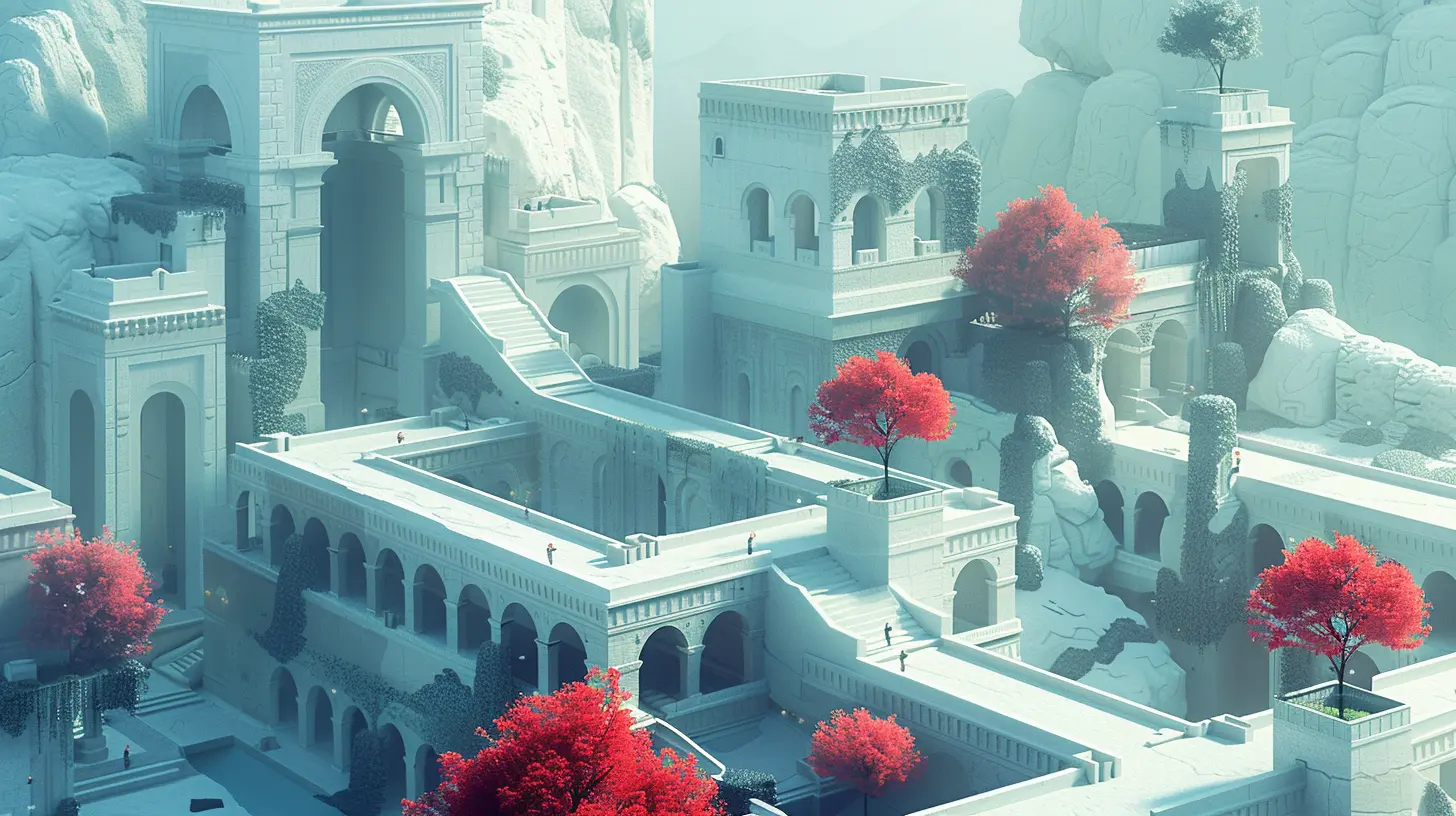
Less Clutter = More Creativity
Let’s face it—clutter can kill creativity.When developers work with minimal tools and assets, they’re often forced to think outside the box. They can’t rely on flashy explosions or sprawling lore dumps. They have to innovate through gameplay.
Take Thomas Was Alone, for example—literally a game about colored rectangles with personalities. It sounds ridiculous on paper, but the storytelling and platforming feel surprisingly deep. Why? Because the simplicity makes you look deeper, interpret more, and engage your own empathy. Pretty neat, right?
Minimalist design doesn’t limit creativity—it fuels it.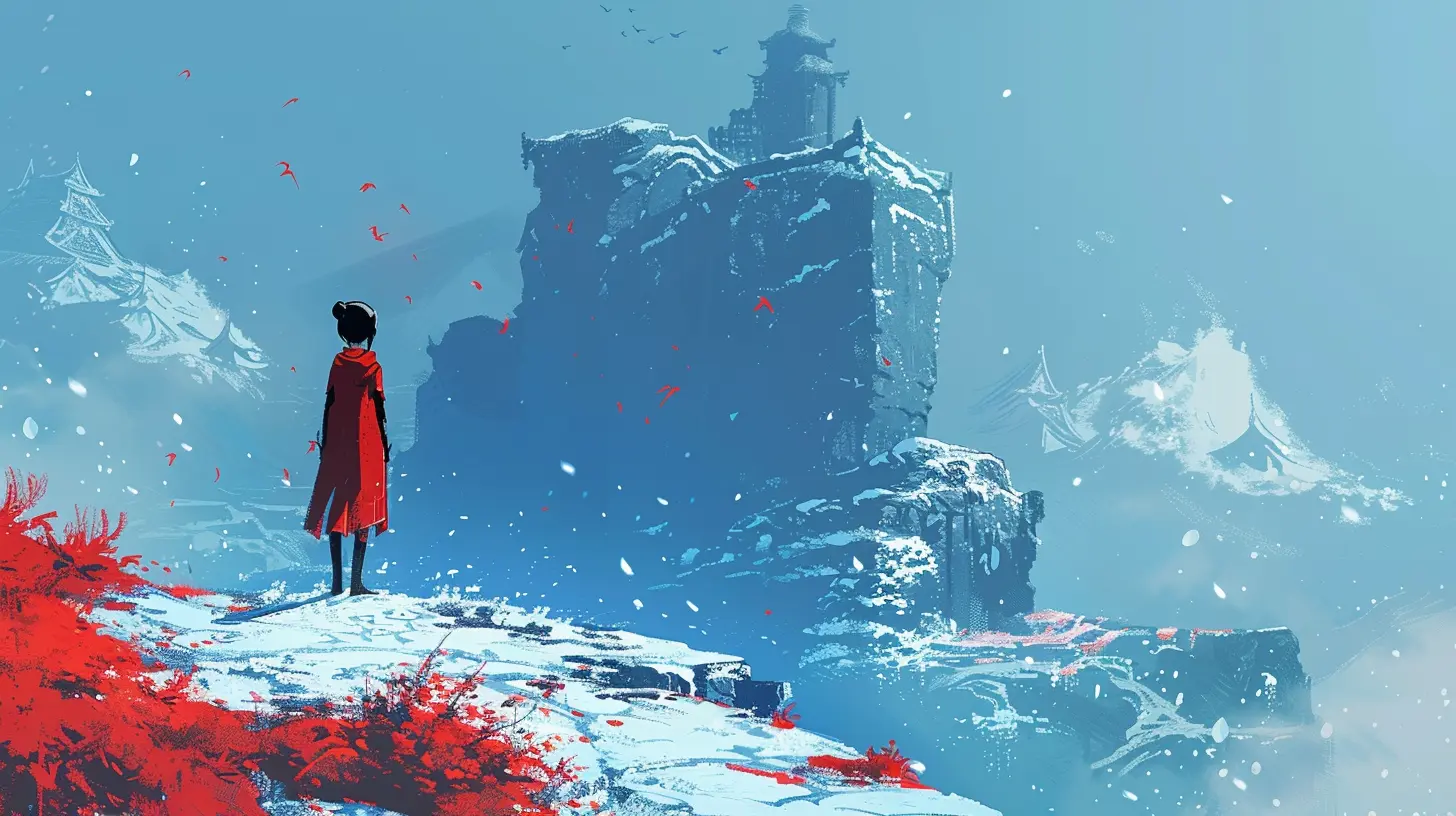
Accessibility and Inclusivity: Opening the Doors
One of the most beautiful side effects of minimalist game design? Accessibility.Fewer buttons, cleaner interfaces, and intuitive mechanics make minimalist games way more approachable. Anyone—from hardcore gamers to casual players—can jump in and understand what’s going on quickly.
And when games are easier to grasp, they’re more inclusive too. Players who might struggle with complex controls or overwhelming systems can finally feel at home. So basically, minimalism doesn't just change design—it changes who games are for.
Building Atmosphere with Less
Okay, here's something cool to think about.Minimalist games often have the most immersive atmospheres. That may sound backward at first. I mean, how can a simple-looking game suck you in more than a hyper-detailed one?
But hear me out.
When a game pares down its visuals or audio to the essentials, your brain does the heavy lifting. You fill in the gaps. The empty space becomes meaningful.
Think about Inside by Playdead. No HUD. Barely any dialogue. Just shadows, suspense, and subtle cues. And yet, it’s one of the most atmospheric and haunting experiences out there. That’s the magic of minimalism.
Focused Gameplay = Memorable Gameplay
Ever get overwhelmed in a game because there are just... too many things to do?A thousand quests. Endless stats. Giant maps. It's like trying to read five books at once.
Minimalist indie games cut the clutter and give you one thing to care about at a time. Whether it's solving puzzles in Monument Valley, surviving in Don’t Starve, or just vibing in Alto’s Adventure, the limited scope helps you stay present.
That focus? It’s what makes these games so darn memorable. You’re not just playing—you’re experiencing.
Visual Aesthetics: When Simple is Stunning
Let’s not forget the visual side.Minimalist art styles have a unique charm. Clean lines, bold contrasts, and simple shapes can be breathtaking. Honestly, some of the most screenshot-worthy games are the least graphically intense.
Games like GRIS or Hyper Light Drifter manage to stun visually while sticking to a minimalist palette. The artistry is in the curation—cutting things down to just what needs to be there. It’s like a well-composed photograph where every inch has purpose.
And bonus: minimalist graphics usually mean lighter hardware demands. That means more people can play, and devs can focus more on mechanics and storytelling.
The Indie Spirit: Small Teams, Big Hearts
Let’s talk about the people behind the games.Most indie developers don’t have massive budgets or teams. But what they do have? Passion. Vision. Drive. And minimalism fits perfectly with that indie spirit.
It empowers small teams to make something impactful without needing thousands of assets or AI-driven NPCs. With minimalism, you can build a world that feels full even if it’s technically sparse.
That’s a win for developers—and for us players too.
Storytelling That Stays With You
Minimalist games often ditch traditional storytelling. No long cutscenes, no exposition overload. Instead, they use implication and subtext.You find meaning in the mechanics. The world speaks for itself. You piece it all together as you go. It’s interactive storytelling at its finest.
A few examples?
- Fez tells you nothing—and yet tells you everything if you look closely enough.
- Journey lets you communicate with fellow players using only gestures and music.
- A Short Hike gives you a tiny world, a few characters, and leaves space for your own reflection.
These stories stick with you not because they're shouted at you, but because they whisper just loud enough to make you lean in.
Why Players Are Falling in Love with Minimalism
Here's the thing: we’re all overwhelmed. Life’s hectic. Our to-do lists are endless, and our screens are full of noise.Minimalist games offer a breath of fresh air. They let us slow down, focus, and be present. Sometimes, they even help us reflect—on ourselves, on the world around us, on things we didn’t realize we were feeling.
They’re not escapism in the traditional sense. They’re more like emotional mirrors.
And that’s a big part of why players (myself included) are gravitating toward them more and more.
Not Just a Trend—A Movement
Some might think minimalist design is just another artsy trend. But it’s way more than that.It’s a design philosophy rooted in intentionality, clarity, and empathy. It’s a response to sensory overload. It’s a way for creators to connect directly with players—soul to soul—without all the noise.
And as development tools become more accessible and the gaming community continues to evolve, we’re only going to see more bold, beautiful, minimalist indie titles.
Maybe it's not just redefining indie games—maybe it's redefining gaming itself.
Final Thoughts: Embrace the Silence
In a world that never stops screaming for attention, minimalist indie games are a rare and precious thing. They whisper instead of shout. They move you without saying a word. They challenge you without overwhelming you.So next time you find yourself overwhelmed by endless quests or overly complex mechanics, maybe take a step back and check out a minimalist indie gem.
You might just find that the quietest games leave the loudest impact.
all images in this post were generated using AI tools
Category:
Indie GamesAuthor:

Tina Fisher
Discussion
rate this article
2 comments
Felicity Pruitt
Minimalism in game design isn’t just a trend; it’s a powerful movement reshaping indie gaming. By stripping away excess, developers can focus on core gameplay and storytelling, creating compelling experiences that resonate deeply with players. Less truly becomes more in this evolving landscape.
December 8, 2025 at 3:29 AM
Tina Fisher
Absolutely! Minimalism allows developers to concentrate on what truly matters, leading to richer gameplay and storytelling that deeply connects with players. It's a transformative approach in indie gaming.
Anika Clayton
Minimalism in design is revolutionizing indie games by stripping away excess and focusing on core gameplay elements. This approach not only enhances player immersion but also fosters creativity, allowing developers to explore unique narratives and mechanics. Embracing simplicity is proving to be a powerful tool for innovation in the gaming landscape.
December 7, 2025 at 4:18 PM
Tina Fisher
Thank you for your insightful comment! I completely agree—minimalism not only sharpens gameplay but also inspires creative storytelling, making it a vital trend in indie game development.