How Live Streaming Is Revolutionizing Gaming Culture
15 May 2026
Live streaming has completely transformed how we experience games. It’s not just about playing anymore—it’s about sharing, connecting, and building entire communities around our favorite titles. If you’ve ever tuned into Twitch, YouTube Live, or Facebook Gaming, you already know you’re not just watching someone play—you’re becoming part of something bigger.
In this article, we're diving deep into how live streaming is flipping the script on gaming culture. From rising gaming influencers to real-time interaction and even career opportunities—it's all evolving faster than you can hit "Start Game."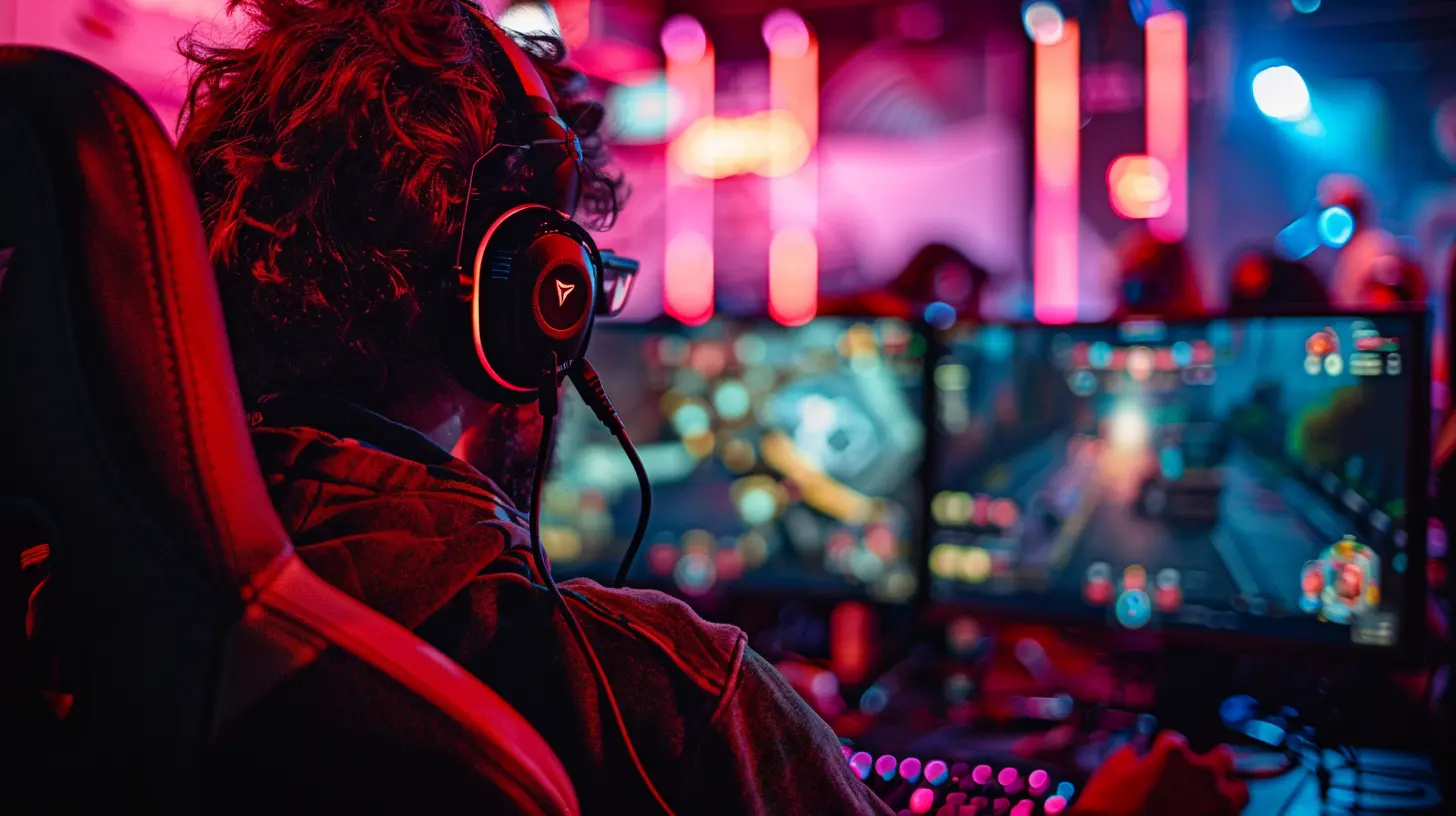
The Rise of Live Streaming in Gaming
Let’s go back a bit. Not too long ago, if you wanted to see someone else play a game, you had to sit next to them on the couch. Fast forward to today, and millions around the world are watching live broadcasts of games on streaming platforms every single day. What changed?The rise of high-speed internet, user-friendly streaming platforms like Twitch, YouTube Live, and Facebook Gaming, and powerful tools like OBS (Open Broadcaster Software) made it easier than ever for anyone to go live. Suddenly, watching someone stream a game wasn't just a novelty—it became a full-blown entertainment genre.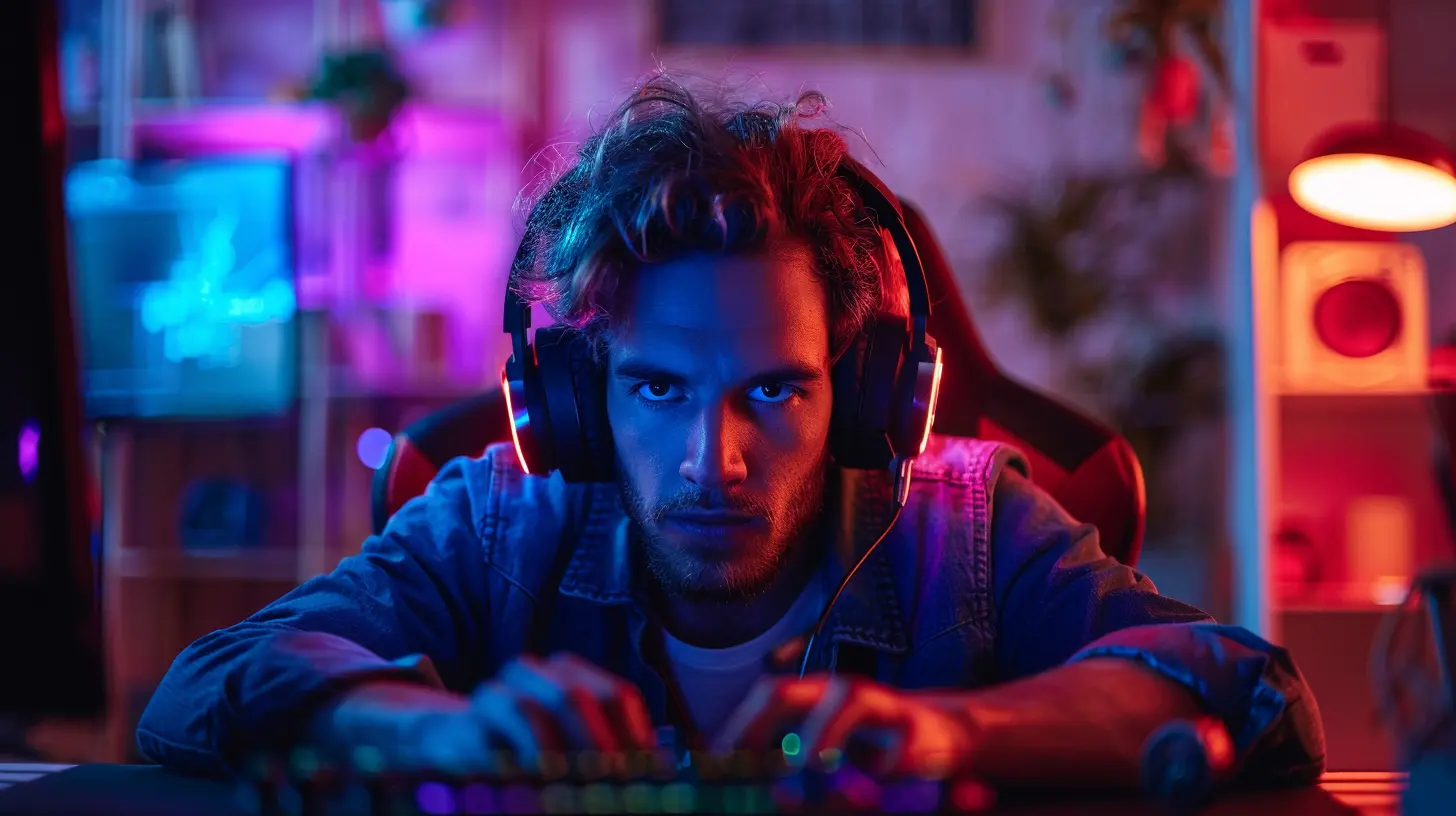
Gaming as Entertainment: The New Norm
Let’s face it—gaming is no longer something you just do. It’s something you watch.Streamers have become entertainers. Their witty commentary, jaw-dropping skills, and personal stories turn a simple gameplay session into a full-on performance. People now treat their favorite streamers like celebrities, tuning in regularly like they would for TV shows or sports games.
Think of it like this: live streaming is to gaming what Netflix is to movies. It’s accessible, it’s entertaining, and you never run out of things to watch.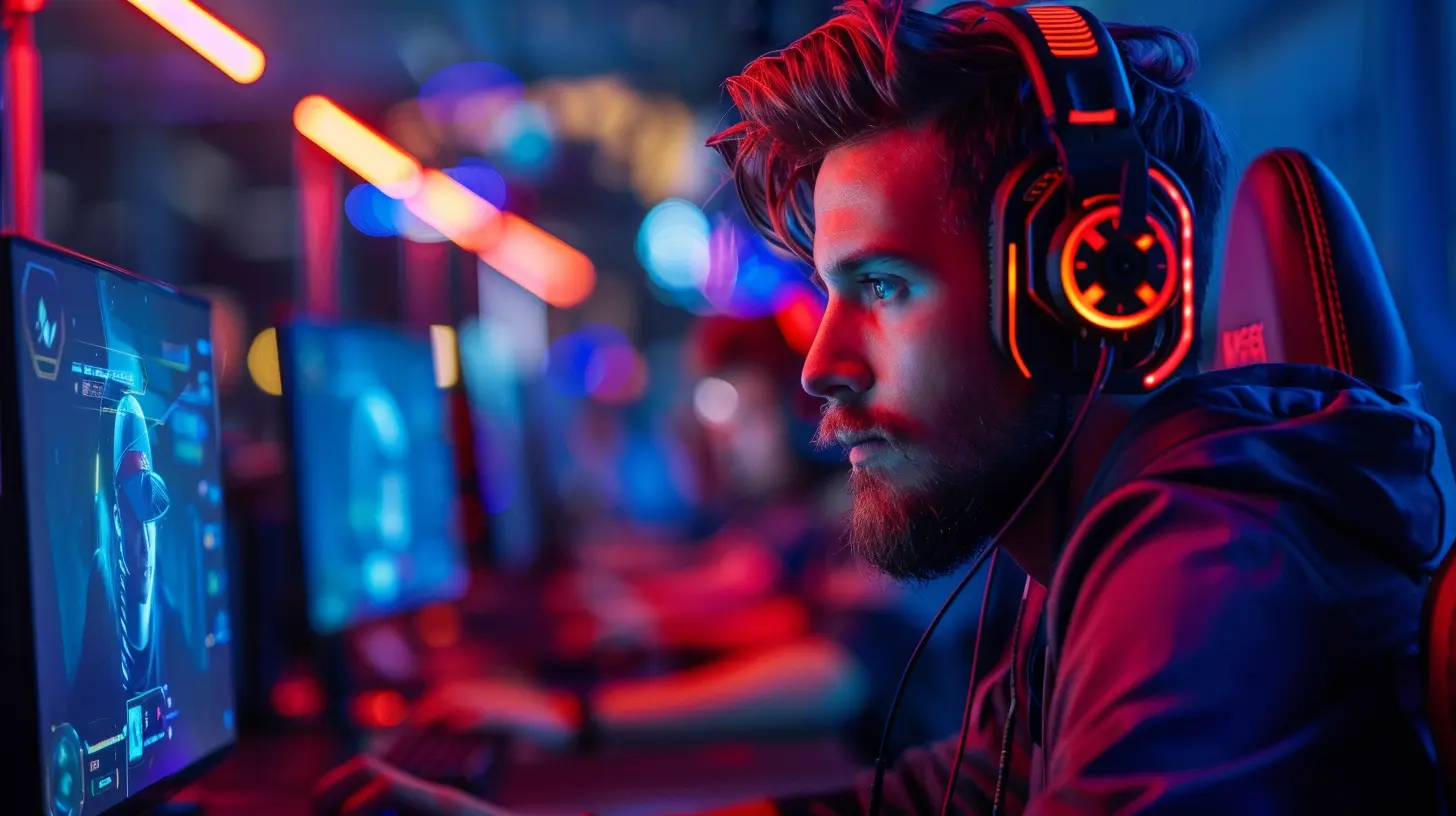
Building Communities in Real Time
This is where the magic happens—community.Gamers aren’t just viewers anymore. Through live chats, emotes, and subscriber perks, fans become part of a tight-knit digital tribe. You’re no longer yelling at buttons alone—you’re bonding over clutch plays, sharing inside jokes, and celebrating wins together.
Unlike traditional media, where the interaction is mostly one-way, streaming creates a two-way street. Streamers read chat messages, answer questions, laugh at your jokes, and even take advice from their viewers. That level of interaction is a game changer—literally.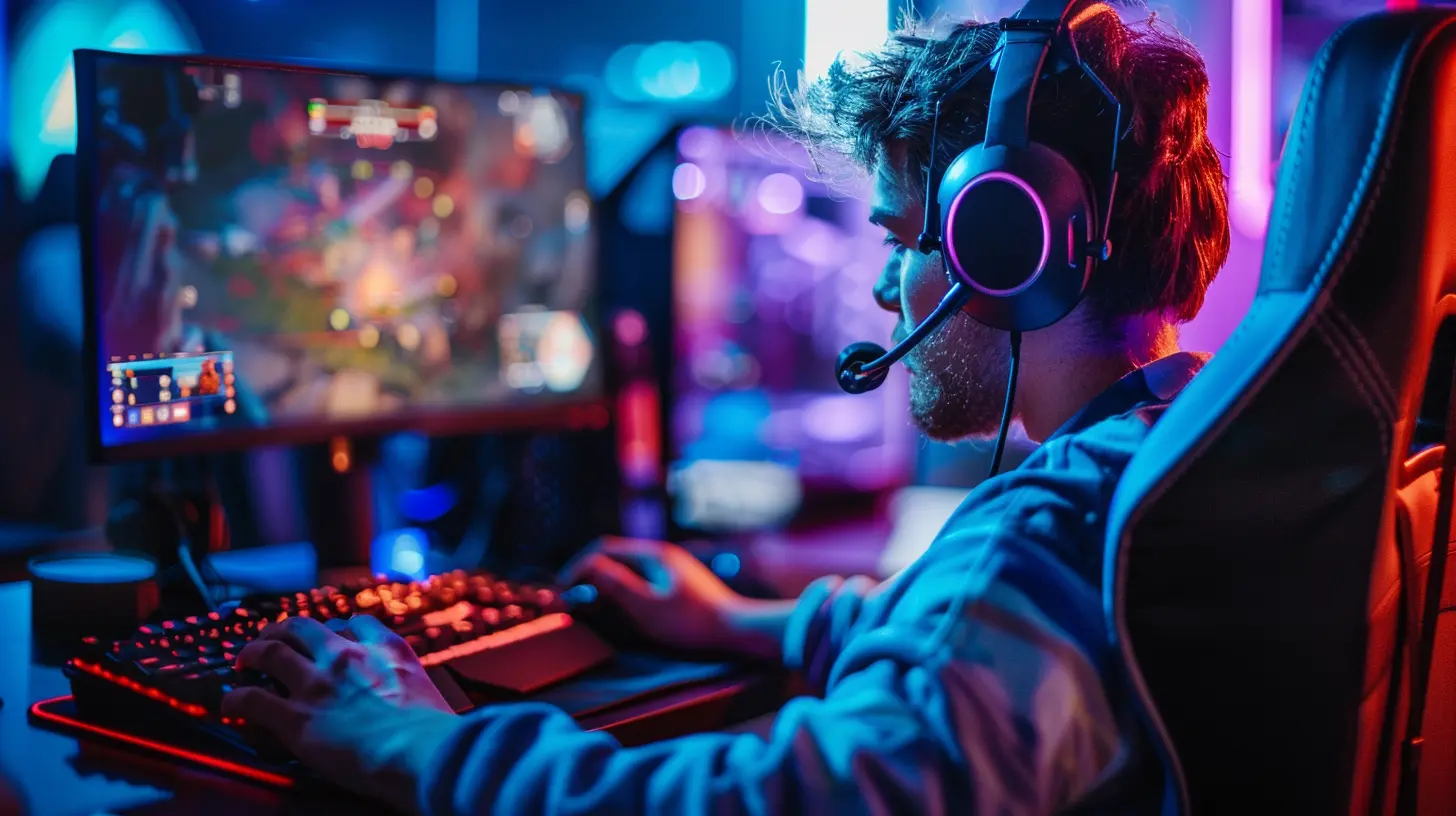
Streamers as Influencers and Cultural Icons
Remember when “gamer” wasn’t considered a real job? Those days are long gone. Today, successful streamers make serious bank through subscriptions, donations, sponsorships, and brand partnerships.But beyond the money, they wield influence.
People trust their favorite streamers. Whether it’s recommending a new game, reviewing gear, or talking about life, fans listen. That influence spills over into everything from game sales to how new behavior patterns form within the gaming community—and sometimes even beyond.
Ever heard of streamers launching their own merch lines or collaborating with game developers? Yep, that’s the streaming world flexing its cultural muscles.
Esports and Streaming: A Power Combo
Esports and live streaming go together like peanut butter and jelly.Without live streaming, competitive gaming might still be a niche hobby. But thanks to platforms like Twitch, you can watch pro tournaments live from anywhere in the world. Want to see the League of Legends Worlds Finals or a high-stakes Fortnite event? Just tune in.
Streaming has made esports more accessible, more exciting, and way more popular. The hype, the live reactions, the breakdowns between rounds—you feel like you’re right there in the arena, even if you're watching from your couch in sweatpants.
The Democratization of Gaming Fame
Once upon a time, if you wanted to be famous in the gaming world, you had to be a developer, journalist, or a world-champion-level player. Not anymore.With live streaming, anyone—yes, even you—can start building an audience. Your setup doesn’t have to be fancy. Start small, be authentic, and let your content speak. That’s the beauty of it.
It’s not about who you know, it’s about what you bring to the screen. That raw, real connection is why viewers stick around. It’s like reality TV, but way cooler.
Breaking Barriers and Building Inclusivity
Live streaming has opened doors for players who were traditionally underrepresented in gaming spaces. Whether it’s women, BIPOC, LGBTQ+ gamers, or people with disabilities—the streaming world has given a platform for voices that weren’t always heard in mainstream gaming media.And here’s the cool part: gamers from around the globe can now share their stories, cultures, and perspectives in real time. It’s no longer about fitting into a mold. It’s about breaking them and creating new ones.
Streaming has become both a mirror and a megaphone for the gaming world.
From Hobby to Career: The Business of Streaming
Let’s talk money. Because yes, live streaming can be a full-time job.Some streamers earn income through subscriber fees (Twitch, YouTube Memberships), viewer donations, ad revenue, affiliate marketing, and brand deals. And with the rise of Patreon and Ko-Fi, even smaller creators can build a livelihood with support from dedicated fans.
Streaming has also created new job markets. Think moderators, stream managers, editors, social media marketers, and even coaches. It’s a whole ecosystem, and it’s growing fast.
If you’ve ever thought, “How do I make a living doing something I love?”—streaming might just be your golden ticket.
Game Developers Are Watching, Too
Game developers and publishers have taken notice. They now work closely with streamers to promote their games, create buzz, and get feedback. Pre-release betas often go straight to popular streamers, who then showcase them to their massive audiences.This kind of influencer marketing works because it feels personal. A friend recommending a game during a stream hits different than seeing a pop-up ad, don’t you think?
Plus, developers get real-time feedback. If a mechanic feels off or something’s buggy, streamers will talk about it—and devs listen. That instant loop shortens development cycles and makes games better.
Education and Skill Development
Streaming isn’t just fun—it’s educational, too.Ever been stuck on a boss and watched a streamer breeze through it? Or picked up a new strategy from a pro player’s livestream? Yup, streaming is a goldmine for learning.
Whether it’s mastering advanced PvP tactics or just figuring out how to decorate your Animal Crossing island, streaming helps you level up your skills faster. It’s like a live tutorial mixed with a comedy show—and you can ask questions in real time!
Challenges and Controversies in the Streaming World
Of course, it’s not all sunshine and power-ups.Streaming culture has its dark sides—burnout, cyberbullying, and privacy concerns top the list. Being “on” all the time can take a toll on mental health. And with the internet being what it is, not everyone watching has good intentions.
Platforms are working on better moderation tools and safety features, but it’s a work in progress. The key takeaway? While the rewards can be huge, streamers need support systems, both technical and emotional, to thrive.
The Future of Streaming in Gaming Culture
So where is all this headed?With tech getting better—think higher resolution streams, integrated AR/VR, AI-generated content—the streaming experience will only get richer. Imagine hopping into a streamer’s game world in VR or having AI mods answer your questions in chat—wild, right?
As gaming and streaming become more intertwined, the line between player and content creator will keep blurring. We might all become streamers in some form, whether we're going live on Twitch or sharing clips on TikTok.
One thing’s for sure: live streaming isn’t a phase. It’s a cultural shift. And it’s only just getting started.
Final Thoughts
Live streaming is more than just a new trend in gaming—it’s a revolution. It’s changing how we play, watch, interact, learn, and even make a living through games. Whether you’re a casual viewer, an aspiring streamer, or a hardcore gamer, you’re part of this movement.So next time you tune into a stream, remember—you’re not just watching a game. You’re watching culture evolve in real time.
And who knows? Maybe you’ll be the next big name on screen.
all images in this post were generated using AI tools
Category:
Game InfluencersAuthor:

Tina Fisher
Discussion
rate this article
2 comments
Miriam McVeigh
It's inspiring to see how live streaming brings gamers together, fostering community and connection in ways we never imagined possible.
June 22, 2026 at 2:59 PM
Tina Fisher
I completely agree! Live streaming has truly transformed the way gamers connect and share experiences. It's amazing to witness these communities grow and thrive.
Grant Bennett
This article highlights an exciting evolution in gaming culture. Live streaming not only connects players but also builds vibrant communities. It's fascinating to see how it transforms the way we experience and engage with games. Thanks for sharing these insights!
May 16, 2026 at 4:21 AM
Tina Fisher
Thank you for your thoughtful comment! I'm glad you found the evolution of live streaming in gaming culture as exciting as I do. It's amazing to see how these connections are shaping our experiences.