How Influencers Pick the Games They Play
14 July 2026
There’s no denying it—gaming influencers have become the rockstars of the digital age. From Twitch streamers to YouTube content creators, their game choices often spark trends, revive old classics, or propel obscure titles into the spotlight. Ever wondered how influencers pick the games they play? It’s not as random as it seems. Let’s dig deep into what really guides their decisions.
Table of Contents
1. The Influence of Audience Demand2. Tapping Into Trending Titles
3. Game Aesthetics and Streamability
4. Personal Preferences Still Matter
5. Sponsorships and Paid Collaborations
6. Platform-Specific Trends
7. Community Feedback and Polls
8. Collaborative Influence
9. The Experimentation Phase
10. Analytics Behind the Scenes
11. Balancing Hype and Longevity
12. Niche vs. Mainstream Choices
13. Final Thoughts
The Influence of Audience Demand
Let’s start with the obvious one: the audience has a lot of power. Most influencers don’t just play whatever pops into their heads. They’re essentially entertainers, and like any good performer, they listen to the crowd.If their community is screaming for a specific title, they’re way more likely to pick it up. Comment sections, Twitter mentions, Discord messages—these are all gold mines of feedback. Some creators even run polls directly asking what they should play next.
Remember, for influencers, keeping their viewer count up is a major goal. And if people are hyped to watch a game—boom, that’s usually the pick.
Tapping Into Trending Titles
Ever notice how suddenly, every streamer on Twitch is playing the same game? That’s not coincidence. It’s strategy.Games like Among Us, Fall Guys, and Elden Ring became viral hits not just because they were fun, but because influencers jumped on the bandwagon early. This is a classic case of riding the wave.
Influencers often keep a close eye on what’s trending on social media, Steam charts, or new releases in the PlayStation or Xbox stores. If a game is heating up, they don’t want to miss the train. After all, being first can mean being famous.
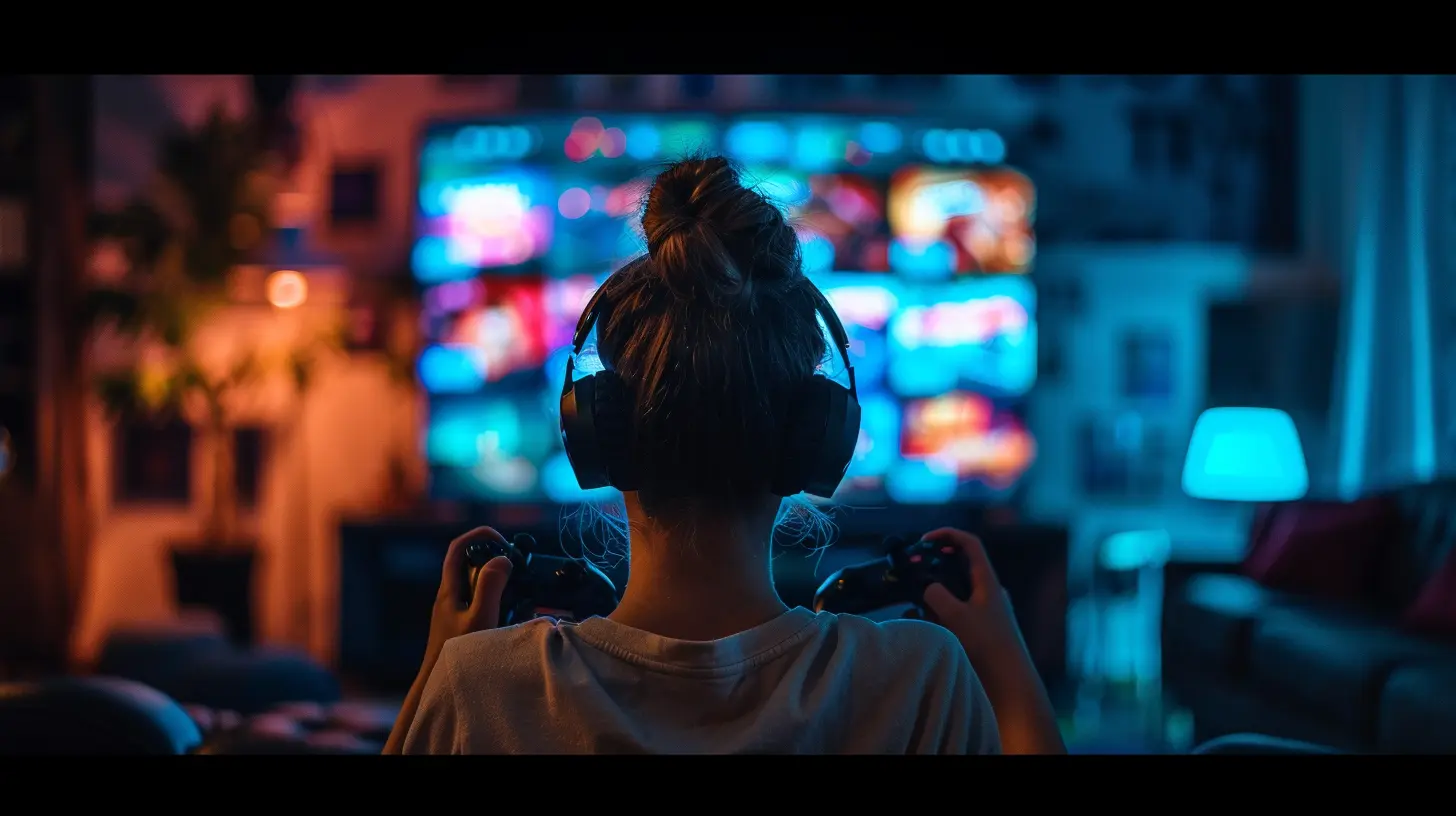
Game Aesthetics and Streamability
Looks matter. No, really—game aesthetics play a big role in whether a game gets picked.Some games just look better on stream. Whether it’s jaw-dropping graphics like in Horizon Forbidden West or unique visuals like the pastel chaos of Slime Rancher, visuals can help a game stand out during a scroll through Twitch or YouTube thumbnails.
And then there’s streamability—how well a game plays during a livestream. Fast-paced games with lots of action or hilarious multiplayer titles are usually favored because they keep the energy up and the viewers engaged.
Personal Preferences Still Matter
Despite all the strategy, many influencers still have their own go-to genres or gaming styles. Whether it's cozy simulators, competitive shooters, or open-world RPGs, influencers tend to gravitate toward what they personally enjoy.Why? Because viewers can tell when a creator is genuinely having fun. And that vibe is contagious. It brings more engagement, more laughs, and honestly, a more enjoyable experience for everyone.
So while audience and analytics are important, sometimes it’s just about what tickles the influencer’s fancy.
Sponsorships and Paid Collaborations
Let’s not beat around the bush—money talks.Game developers and publishers often partner with influencers to promote new releases. Whether it’s an early access stream or a sponsored video, these deals can definitely influence what games are played.
And honestly, there’s nothing wrong with that. It’s part of the industry now. The key is transparency—most responsible influencers will disclose the sponsorship so viewers know what’s up.
Sponsored content doesn’t mean the game’s bad either. It often means the devs believe in their product enough to invest in marketing through creators.
Platform-Specific Trends
What works on Twitch might not fly on YouTube. And TikTok? That’s a whole different beast.Different platforms have different audiences and formats, so influencers tailor their game choices accordingly. For example:
- Twitch: Real-time interaction makes multiplayer games or variety streaming more appealing.
- YouTube: Allows for deep-dive content like walkthroughs, lore analysis, and mod showcases.
- TikTok: Short, punchy clips thrive—meaning funny, glitchy, or visually stunning moments are best.
Smart influencers think carefully about what performs well where.
Community Feedback and Polls
Interactivity is the name of the game. And influencers who treat their community like co-pilots tend to build stronger connections.Running polls on Twitter, YouTube, or even during a stream is a common way to let fans have a say. It also builds hype. People get invested when they feel like they had a hand in the decision.
Some even allow themed weeks—like “Horror Game Week” or “Retro Rewind”—where followers suggest titles within a genre.
Collaborative Influence
Gaming is better with friends, right? That’s why collabs often drive game choices.Influencers frequently partner with other creators, and the game they choose often needs to be multiplayer-friendly. Think Phasmophobia, Minecraft, Valorant, or even chaotic couch co-ops like Overcooked.
These collabs aren’t just fun—they expand reach, merging fan bases and doubling viewership. It’s a win-win and usually makes for hilarious content.
The Experimentation Phase
Not every choice is guided by stats or sponsorships. Influencers sometimes get bored. Shocking, right?To keep things fresh, they venture into unknown territory. This might be an obscure indie title, a random retro game, or even a farming sim that looks kind of silly but ends up being super addictive.
This trial-and-error process can lead to hidden gems and give their content a unique flair. Plus, it keeps their audience guessing in a good way.
Analytics Behind the Scenes
Here’s where it gets a bit nerdy—but stay with me.Many influencers use analytics tools to track what’s working: viewer retention, peak times, click-through rates, and engagement stats. They look at past videos or streams and ask, “What got the most love?”
If a certain genre or game performed really well, chances are they’ll return to it. It’s kind of like reading the room—except the room is made of spreadsheets and graphs.
Balancing Hype and Longevity
Some games go viral overnight. Others build a loyal fanbase over months or years. Influencers often have to choose between short-term hype and long-term series.For example, hopping on a new release might pull in a ton of viewers quickly. But games with depth, like The Legend of Zelda: Breath of the Wild or Skyrim, offer content that keeps giving.
Smart creators mix the two—riding the waves of hot releases while also developing steady series that fans return to over and over.
Niche vs. Mainstream Choices
There’s an interesting tug-of-war here.Going mainstream often means higher views because the game’s already got buzz. But diving into a niche can help an influencer stand out—you know, that “hidden treasure” factor.
Some carve out entire identities around less-known games, building tight-knit yet passionate communities. It’s riskier, but it can pay off big time.
Final Thoughts
So, how do influencers pick the games they play? It’s a mix of science, strategy, and straight-up gut instinct. They balance what their audiences want, what the trends say, and what genuinely excites them.Some decisions are calculated, others are spontaneous. And while the game itself matters, how it's played—and the vibe the influencer brings—is often what keeps fans coming back.
The next time you see an influencer dive into a new title, remember: there's probably a lot more going on behind that choice than meets the eye.
all images in this post were generated using AI tools
Category:
Game InfluencersAuthor:

Tina Fisher