How Games Are Engaging Fans Outside the Screen
2 June 2026
Alright, fellow gamers, let's talk about something that's been piling up XP faster than a speedrunner in a glitchless run—how games are engaging us outside of actual gameplay. Yep, we’re diving into that juicy space where your favorite digital worlds cross into reality, blur the lines, and somehow manage to sneak into your everyday life like a sneaky NPC with a side quest.
Whether it’s cool merch, live-action escape rooms, or cosplay that’s way too detailed to be healthy (but we love it anyway), the gaming industry isn’t just living in your console anymore. It’s setting up base in your living room, your Instagram feed, your closet, and hey, even your dinner plate (yes, really).
So buckle up, fam. We’re going on a pixel-powered ride through the many ways video games are reaching into our world—and capturing our attention even when we’re not pressing any buttons.
The Rise of Real-Life Lore: When Games Go IRL
Video games aren't just about sitting on the couch anymore. Developers are pulling plotlines and characters off the screen and into our reality in the nerdiest (and most glorious) ways possible.Take the Halo training camps, Assassin’s Creed parkour classes, and even Resident Evil-themed escape rooms. Yeah, real people are jumping across rooftops and dodging zombies like it’s just another Tuesday. These experiences let fans live the game for real, and it’s like Disneyland for your inner gamer. You’re not just watching the action—you’re sweating through it.
LARPing, But Make It Fashion
Live Action Role-Playing (LARPing) isn't new, but the way it’s blending into mainstream gaming culture is. Ever joined a massive “The Witcher” potion-making workshop at a renaissance fair? You’d be surprised how normalized it is now to dress like a cursed bard and carry a fake sword in public.Gaming companies are smart—they’re feeding this hunger for immersion. By adding IRL game events, fans get to go “in-character” and flex those storytelling muscles. Bonus: it’s a great way to meet folks who won’t judge your D&D dice collection.
Merch Madness: When Your Closet Becomes a Digital Wardrobe
Let’s be real—if you’ve ever argued that your Zelda hoodie is fashion, you're not alone. Video game merch has leveled up from basic logo tees to full-on runway vibes. We’re talking collaboration collections with brands like Nike, Louis Vuitton (yes, really), and Uniqlo.Gamers don’t just want to play; they want to be part of their favorite worlds. Wearing a shirt with Kratos’ face? That’s a power move. Sporting a Pikachu-themed high-top? Iconic. Wearing it to a date? Bold. But hey, if it works, it works.
And the merch isn't just stuck to fashion. We’ve got gaming-themed home décor, furniture, and even kitchenware. There’s a Skyrim cookbook, my friends. You can now make Sweet Rolls at home. If that ain’t next-level fandom, I don’t know what is.
Social Media Shenanigans: Games Going Viral
Remember when Among Us memes took over the entire internet? Or when Elden Ring players shared their thousandth attempt at beating Margit with nothing but a frying pan? Social media is where gaming fandom breeds chaos—and laughter.Game developers have clocked in on this and are now creating content meant to trend. They’re releasing teaser trailers like they’re Marvel movie drops. They’re encouraging fan-made art, memes, and TikToks like it’s a full-blown creative movement.
Let’s Not Forget Streamers
Twitch and YouTube streamers are the new rockstars. They're part-gamer, part-entertainer, part-therapist (depending on the day). And fans? They’re completely hooked. Watching someone else rage-quit or beat a boss with one HP left is weirdly therapeutic. You’re not playing, but you’re feeling it.It's no coincidence that when a streamer starts playing a lesser-known game, it suddenly blows up. Studios know this. They're slipping early-access codes into streamers' DMs faster than you can say "sponsored content."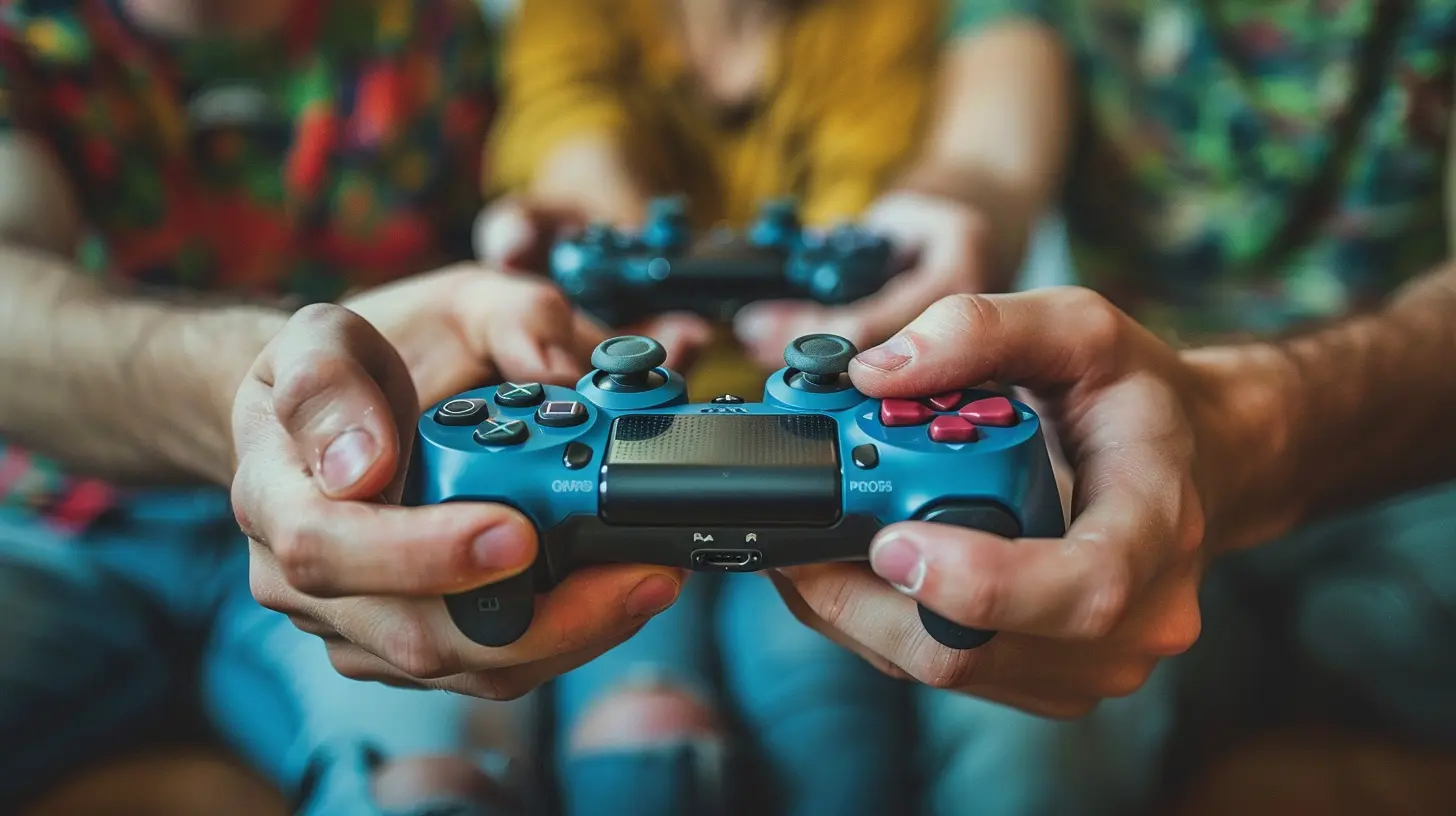
Gaming Events: The Real-Life Boss Battles
If you’ve never been to a gaming convention like PAX, E3, or Gamescom, you’re missing out on an energy that’s somewhere between a music festival and a nerdy utopia.You get to meet voice actors you didn’t even realize you were lowkey obsessed with. You can try upcoming games before your friends and actually understand what being “on the inside” means for once. There's cosplay everywhere, people yelling about release dates, and good ol’ sweaty excitement about virtual worlds.
These events give fans a sense of community that no online lobby can match. And developers? They get direct feedback (and sometimes memes) about their games. It’s chaotic, it’s colorful, and it’s a massive lovefest for interactive storytelling.
Cosplay: The Closest Thing to Being in the Game
Let’s take a moment to appreciate the dedication of cosplayers. These folks spend months, sometimes years, crafting armor, wigs, and weapons with more detail than a game’s graphics engine. And for what? For the pure joy of strutting into a convention and having someone yell, “OMG it’s Aloy!” across the room.Cosplay isn’t just a hobby—it’s an art form. It’s storytelling through threads, glue guns, and late-night anxiety. And it's one of the most authentic ways fans express their connection to a game.
Bonus XP: Cosplay Competitions
Some of these cosplay events are more intense than Olympic gymnastics. We’re talking full-blown performances, dramatic lighting, and judges who know every frame of the game’s cutscenes. The winners? They get trophies. The rest? Eternal respect from the fandom.Collaborations That Break the Fourth Wall
Okay, here’s where things get wild—when games partner with non-game brands. I’m talking about Fortnite concerts with Ariana Grande and Travis Scott. I’m talking Pokémon being printed on Oreo cookies, and Minecraft partnering with UNESCO to teach kids about world heritage sites. Wait, what?These collaborations are like a weird, beautiful fever dream. They not only make headlines but also invite non-gamers into the mix. It’s how your grandma ends up asking you what “Call of Duty” is because she saw it in a Doritos ad.
Game marketing has officially evolved. It’s less “buy our game” and more “we’re part of your culture now, deal with it.”
Fitness, Food, and Fandom
Hold onto your Joy-Cons—gaming is now entering the worlds of fitness and food.Remember when Ring Fit Adventure made working out actually fun? Or when Just Dance had you sweating harder than any treadmill ever could? Games are sneakily making us healthier. Who knew?
And food? Oh boy. Final Fantasy XV had meals so drool-worthy that fans begged for recipes. And what happened? Boom—square plates, Instagram-worthy layouts, and fans hosting themed dinner nights. Pair that with Monster Hunter stews and Genshin Impact dumplings, and suddenly your kitchen is a side-quest hub.
Fan Fiction and Game-Based Storytelling
There’s a whole other universe happening in forums, fan pages, and Reddit threads—where the stories never end.We're talking novel-length fan fiction with plot twists better than some actual DLCs. Mass Effect, The Last of Us, and Undertale fans have built entire multiverses in their heads. Some of it’s hilarious, some of it’s spicy, and some of it’s so emotionally devastating it should come with a content warning.
These stories keep the game alive long past the credits. They turn passive fans into active creators. And in a world where everyone’s fighting over content, that’s a big W.
NFTs, Virtual Real Estate, and the Metaverse (Oh My!)
Alright, cue boss music. We're stepping into the big brain, futuristic side of fan engagement.Some games are now selling NFTs and ownable in-game items that can cross over into other virtual worlds. We’re talking land you can buy in digital simulations like The Sandbox, and customizable avatars that can travel between games.
It’s a whole digital lifestyle now. And while it still confuses half the population (and let’s be honest, some of it’s a little sus), the idea of owning a piece of your favorite game? That’s pretty rad.
So, What Does It All Mean?
It means gaming is no longer confined to your screen. It’s in your clothes, your fridge, your workout, your social life, and your imagination. Games are becoming lifestyle brands, global communities, and cultural phenomena.The beauty of it? You don’t need to be a pro gamer to enjoy it. Whether you casually play Candy Crush or live-stream speedruns of Dark Souls, chances are—games are sneaking into your life in some pretty unexpected ways.
And honestly? We’re here for it.
Final Thoughts: The Real Game Is How We Play Beyond the Controller
As much as we love a good boss fight or a quiet moment fishing in Stardew Valley, there’s real magic in how these games bring people together outside of playtime.So next time you see a dad rocking a Minecraft Creeper tie at a wedding, or someone throwing a Mario Kart-themed birthday bash for their dog, remember—it’s all part of the game. And we're all players in it, whether we’re holding a controller or just vibing in the fandom.
Now, if you’ll excuse me, I’ve got a Triforce-themed cookie in the oven and a cosplay idea that might just bankrupt me.
Game on, friends. Game on.
all images in this post were generated using AI tools
Category:
Game TrendsAuthor:

Tina Fisher
Discussion
rate this article
1 comments
Alyssa Hardy
From cosplay to fan art, it's amazing how games spark creativity beyond the screen. Who knew battling dragons could inspire epic costumes and wild artwork? Let's celebrate the fandom that keeps the fun alive!
June 6, 2026 at 3:32 PM
Tina Fisher
Absolutely! The creativity sparked by games is incredible. It's fascinating to see how these worlds inspire fans to express themselves through cosplay and art. Let's keep celebrating this vibrant community!