How Games Are Becoming a Platform for Art and Expression
28 May 2026
Once upon a time, video games were mainly about blasting aliens, collecting coins, or escaping ghosts in a pixelated maze. But fast-forward to today, and you'd be amazed by how much things have changed. Games have grown up. They've evolved, like Pokémon — from simple entertainment to powerful forms of art and creative expression.
So, what turned games from button-mashing time-killers into emotional, thought-provoking, and even philosophical experiences? Buckle up because we're taking a fun dive into how games are redefining what it means to be an art form.
The Evolution: From Pong to Picasso
Let’s start at the beginning. Remember Pong? That classic two-paddle tennis game from the '70s? Fun, sure—but artistic? Not exactly.Now compare that to titles like Journey, Gris, or Ori and the Blind Forest. These games are not just visually stunning—they’re emotionally moving, reflect deep themes, and often leave you with thoughts long after the screen goes dark. Games today can feel like digital paintings, interactive novels, or even musical symphonies.
So how exactly did we get from Pong to Picasso? It all comes down to storytelling, artistic design, and freedom of expression.
Games as Interactive Storytelling
Let’s be real—good stories stick with us. Whether it's a gripping novel or a binge-worthy Netflix show, storytelling is a powerful tool. Video games have taken it up a notch by letting YOU, the player, control the narrative.1. You’re Not Just Watching—You’re Living It
Unlike movies or books, games allow you to be the main character. You're not just reading about a hero's journey; you're making the decisions, facing the challenges, and feeling the consequences. That’s powerful.Take The Last of Us, for example. It’s not just a zombie survival game—it’s a raw, emotional exploration of love, loss, and human connection. The storytelling is so good, it rivals (and arguably surpasses) many Hollywood films.
2. Choices Matter
Games like Detroit: Become Human or Life is Strange put serious weight on your decisions. Your choices mold the ending, the relationships, and the emotional impact. It’s like writing a script while acting in it – all at once!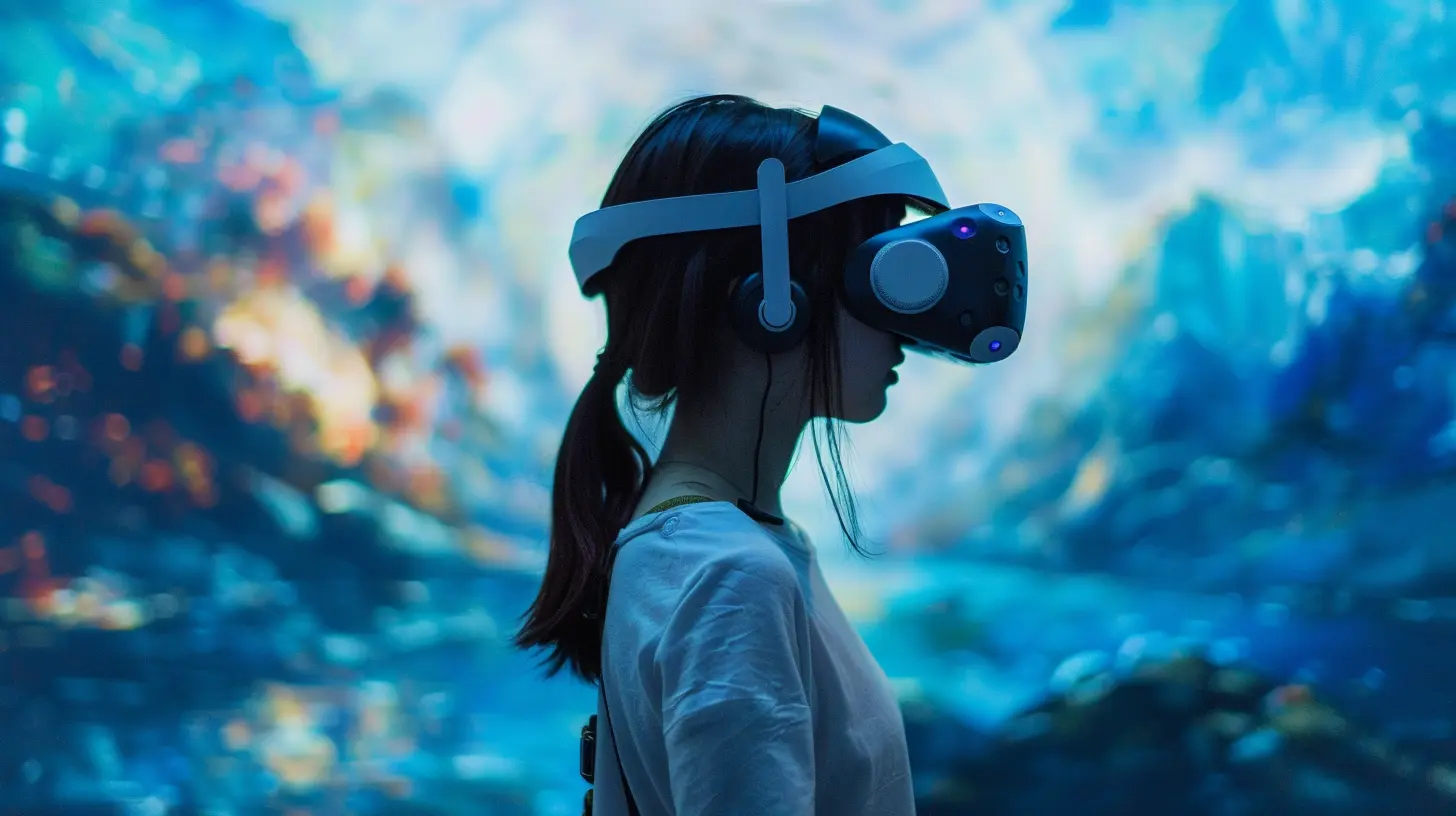
Visual Design: Gaming’s Answer to a Gallery Wall
Have you ever stopped mid-game, not because you died or paused… but just to admire the view? That’s when you know you're playing a work of art.1. Artistic Styles That Speak
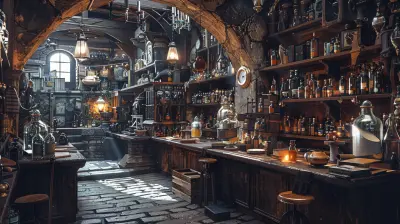
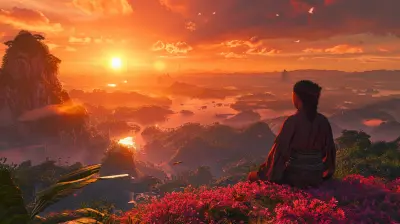
Games like Gris are literal moving paintings. With watercolor visuals and smooth transitions, it tells a story without a single line of dialogue. Every frame is worthy of hanging in an art museum.And then there’s Okami, which blends Japanese ink-wash painting (sumi-e) with interactive gameplay! It's like stepping inside a brush stroke.
2. Visual Metaphors FTW
Good art isn't just pretty—it says something. Many modern games use visual design to reflect deeper themes: depression (Celeste), grief (Spiritfarer), or even climate change (Endling: Extinction is Forever). The visuals don’t just set the mood—they narrate right alongside you.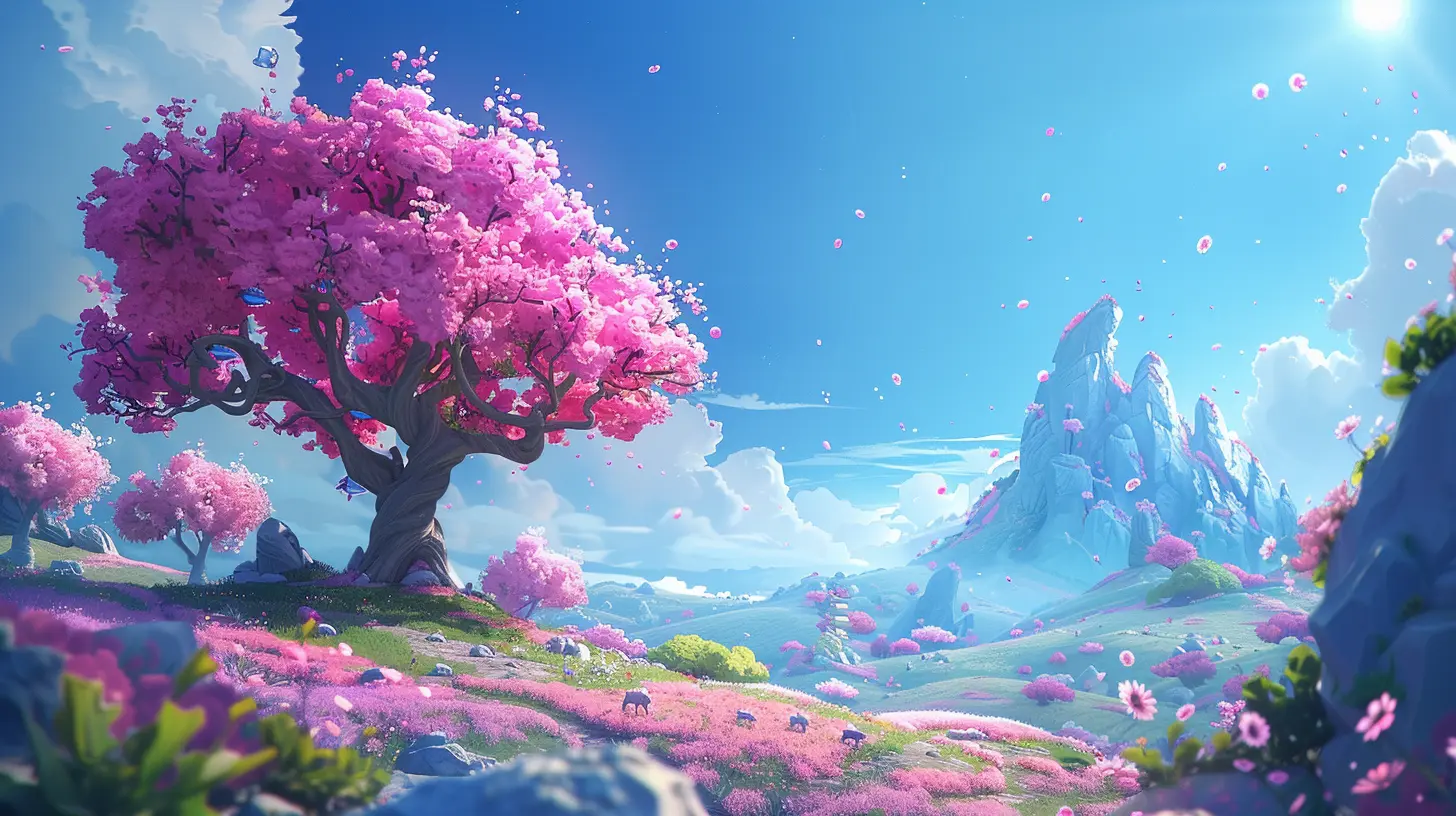
Music & Sound: Games That Tug at the Heartstrings
Let’s not forget—art isn’t only what we see. It’s what we hear and feel. Game composers are out here crafting emotional rollercoasters through sound. Seriously, don’t sleep on game soundtracks.1. Emotional Scores
Have you ever teared up just from music in a game? (Guilty.) Games like Journey and Hollow Knight use music in such an intimate way that it almost feels like the soundtrack is reacting to your emotions—not just your movements.2. Musical Storytelling
In rhythm games or music-based puzzle games like Sayonara Wild Hearts or Tetris Effect, the entire experience is driven by sound. The line between game and music video? Blurred beyond recognition—in the best way.Games Give Everyone a Canvas
Here’s the cool part: games aren’t just artistic themselves—they give us, the players and creators, the tools to express ourselves too.1. Player Expression
Ever spent hours designing your character in The Sims or Animal Crossing? Or obsessed over building the perfect Minecraft castle? Yeppp, that’s art, my friend.In these sandbox-style games, creativity is king. You paint, build, decorate, and personalize pretty much everything. It's like being given a box of LEGOs and infinite colors.
2. User-Generated Content
Games like Dreams on PlayStation allow users to create their own games, music videos, interactive stories—the works. You’re not just playing a game. You’re creating digital art that others can experience. How cool is that?Addressing Real-World Issues Through Gameplay
Games have become a new platform for discussing real-world problems—sometimes even before mainstream media catches up. They give players a way to feel the issues—not just hear about them.1. Mental Health
Take Hellblade: Senua’s Sacrifice. It dives deep into psychosis, blending gameplay with hallucinations, voices, and distorted visuals to put players into the shoes of someone with a serious mental health condition. It's haunting—and eye-opening.Or Celeste, whose story mirrors the internal battles of depression and anxiety. Climbing that mountain doesn’t just test your reflexes—it challenges your inner demons too.
2. Politics, War, Society
Games like Papers, Please use simple mechanics to explore complex moral dilemmas in a dystopian government. Or look at This War of Mine, which flips the script—you’re not a soldier in a war zone, you’re a civilian trying to survive.These experiences are more than games. They’re interactive empathy.
Indie Games: The Unsung Heroes of Artistic Expression
Triple-A titles are great, but indie games? They’re the real rebels of the industry. They don’t have huge budgets, but what they do have is heart, creativity, and guts.These smaller studios often take bigger narrative risks, explore weirder visuals, and tackle topics that mainstream games won’t touch.
Examples We Love:
- Journey: A wordless exploration of life and death.- Undertale: A pixelated RPG that flips the genre on its head.
- Braid: Think "Mario meets time-traveling philosophy."
Indie developers are like street artists—less polished maybe, but full of soul and ready to challenge the status quo.
The Future of Games as Art: What’s Next?
We’re already seeing virtual reality (VR) and augmented reality (AR) push the limits even further. Imagine walking through a Van Gogh painting, except it’s alive and reacting to you. That’s the level we’re zooming toward.Game experiences are getting more immersive, more personalized, and more emotionally resonant than ever. It’s no longer just about high scores—it’s about high impact.
So whether you're saving worlds in space or arranging flowers in a Japanese garden sim, you’re experiencing art in motion.
Why This Matters (To Gamers and Non-Gamers Alike)
Some people still scoff at the idea of games as art. But here’s the deal: any medium that can make people laugh, cry, reflect, and grow is art. Games are no exception.And let’s not forget—they do it all while keeping you in control, letting you be the artist, the actor, and the audience all at once.
Final Thoughts: A Controller in One Hand, a Paintbrush in the Other
So the next time someone says “games are just for kids,” send them a copy of Journey. Or let them spend 10 minutes in the shoes of Ellie from The Last of Us. Watch their face change.Games are art. Games are story. Games are personal. And most of all—games are a bold, vibrant canvas for human imagination.
So go ahead, dust off that controller. You’re not just playing—you’re creating, expressing, and living a work of art.
all images in this post were generated using AI tools
Category:
Game TrendsAuthor:

Tina Fisher
Discussion
rate this article
1 comments
Zevon Clarke
Games truly inspire creativity and offer unique expressions.
May 31, 2026 at 3:32 AM
Tina Fisher
I completely agree. Games provide an incredible space for artists to explore and share their creativity in ways that traditional mediums often can't.