How Cloud Gaming Is Changing the Way We Play
23 May 2026
Remember the days when you'd wait hours to download a game or even worse—buy physical discs from the store? Well, those days are slowly becoming ancient history. Thanks to cloud gaming, the way we play video games is being flipped on its head. It’s not just another tech buzzword; it’s a shift in how, when, and where we engage with games.
In this deep dive, we’re breaking down what cloud gaming is, how it's transforming the gaming landscape, the pros and cons, and what the future might look like. Buckle up, because we’re going to the cloud.
What Is Cloud Gaming?
Alright, let’s start with the basics. Cloud gaming, sometimes called game streaming, is like Netflix for video games. But instead of downloading gigabytes of data or installing stuff on your console or PC, you’re streaming the game directly from a data center.Imagine playing a graphically intense AAA game on your old laptop or even your smartphone. Sounds crazy, right? But that’s exactly what cloud gaming allows. The heavy lifting—processing, rendering, and updating—is done in powerful servers somewhere else. All you're doing is sending inputs and receiving video and audio in real time.
How Does It Work?
Here’s a super simplified breakdown:1. You press a button (jump, shoot, whatever).
2. That signal goes to the cloud server.
3. The server processes it and sends back the result almost instantly.
4. You see the action play out on your screen.
It’s kind of like your controller is talking directly to a supercomputer.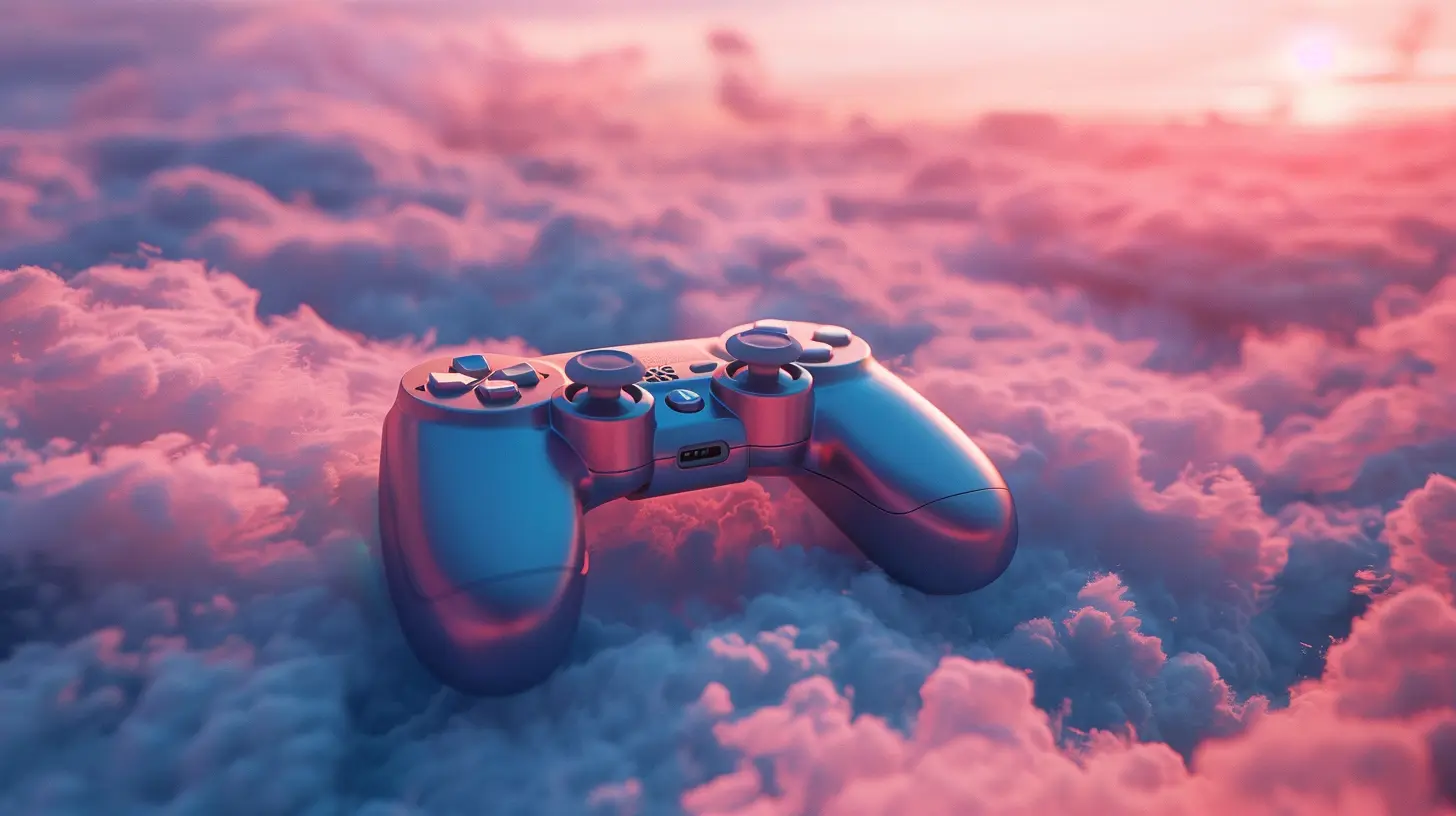
The Game-Changing Benefits
So what’s the big deal, really? Why is cloud gaming such a revolution in the gaming space?1. No More Hardware Hassles
Forget about spending $700 on the latest graphics card or upgrading your console every few years. With cloud gaming, your device just needs to be smart enough to stream video and handle internet input. Your phone, a ten-year-old laptop, or even a smart TV can become your new gaming rig.2. Play Anywhere, Anytime
You could be lying in bed, on a lunch break at work, or even stuck at an airport—and still have access to your favorite games. As long as you have a solid internet connection, the cloud has your back.3. Instant Access to Huge Libraries
Cloud services like Xbox Cloud Gaming, Nvidia GeForce NOW, and PlayStation Now offer vast libraries without needing to download a thing. It's like having a massive arcade in your pocket.4. Say Goodbye to Updates and Installs
You know the pain: buying a new game, sitting down to play, and then waiting for a 47 GB update. Ugh! Cloud gaming eliminates this. The server version is always updated, so you're good to go in seconds.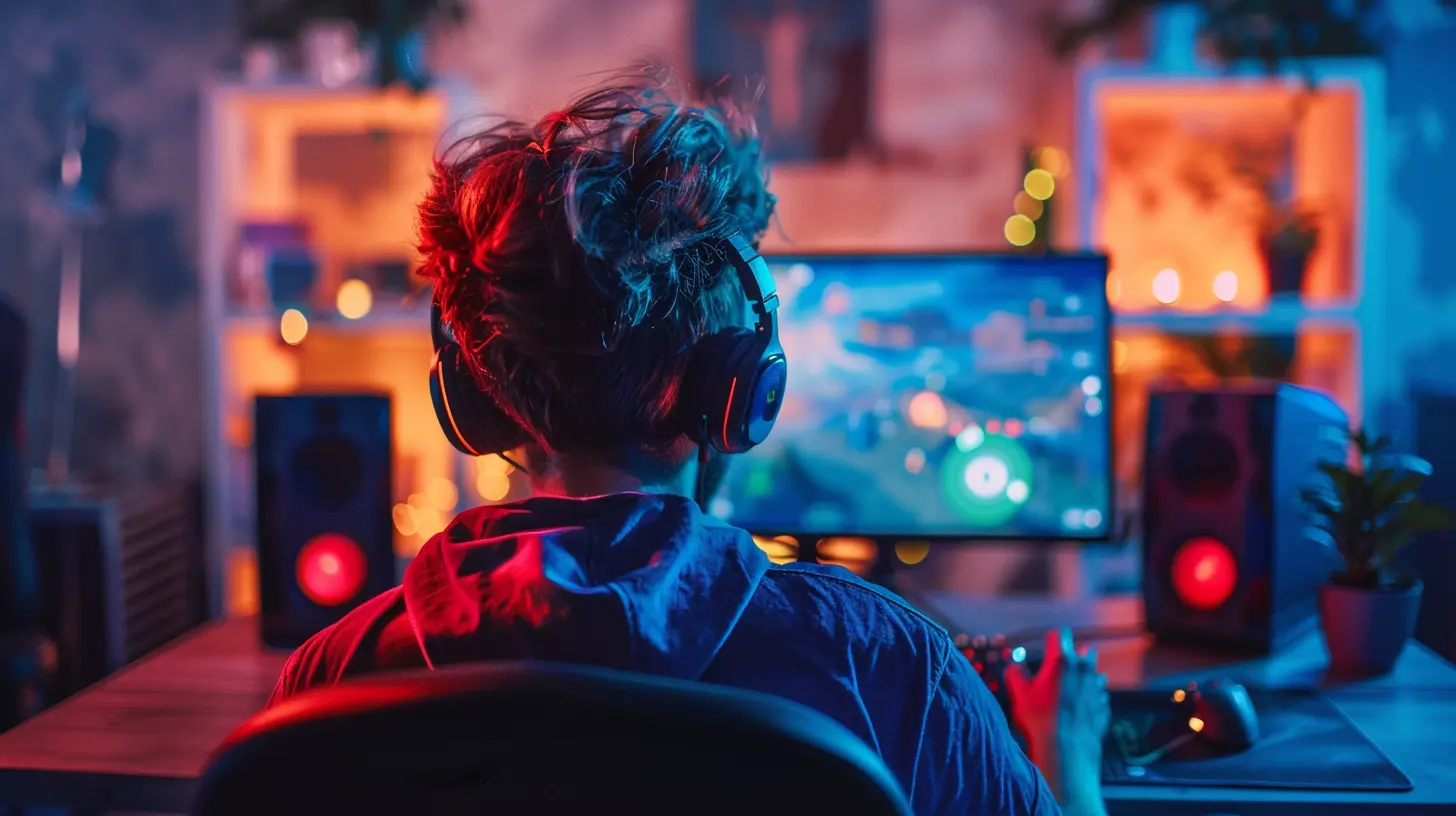
The Challenges (Because There Are Always Some)
Alright, let’s not paint a fantasy land just yet. Cloud gaming isn’t perfect. There are some roadblocks it still needs to overcome.1. Internet Dependency
This one’s the biggie. You need a strong, stable internet connection. If your Wi-Fi hiccups during a boss fight, you're toast. Lag, latency, and jitter can turn your dream game session into a tech nightmare.2. Data Usage
Streaming games eats data for breakfast, lunch, and dinner. Just an hour of HD cloud gaming can use around 10-15 GB. If you're on a capped plan, well...good luck.3. Limited Game Availability
Not every game is available on every platform. Licensing issues, exclusives, and regional limitations can still block your access.4. Ownership Concerns
In cloud gaming, you don’t “own” the game in a traditional sense. If a service pulls a title or goes down, you could lose access. That can be a pretty sour pill to swallow for collectors and die-hard fans.
The Major Players in the Cloud Gaming Arena
Cloud gaming isn’t a wild west anymore. Major players are investing big bucks, and each brings their own flavor to the buffet.Microsoft Xbox Cloud Gaming (xCloud)
With Game Pass Ultimate, Microsoft might just be leading the charge. Its integration across Xbox consoles, PCs, and mobile devices makes it super accessible. Plus, you can use your existing Xbox profile and continue progress seamlessly.Nvidia GeForce NOW
If you already own games through Steam, Epic Games Store, or Ubisoft Connect, GeForce NOW lets you stream them without buying again. It’s like bringing your PC gaming library to any device you want.PlayStation Plus Cloud Streaming (formerly PlayStation Now)
Sony’s been in the game for a while, and although not as flashy, their service lets you play hundreds of PS2, PS3, and PS4 titles on-demand. A solid choice for PlayStation loyalists.Amazon Luna
Yes, Amazon’s in the game too. Luna is still developing, but with its unique channel-based subscription model, it could become a major contender, especially for casual players.Google Stadia (RIP)
Let’s pour one out for Stadia. Great technology but perhaps poor execution and support. It’s a cautionary tale on how the best tech doesn’t always win.How Developers Are Adapting
Game developers are also getting in on the action. Remember how games used to be heavily optimized for specific consoles or PC specs? Now, devs are designing with the cloud in mind. That means games can be more scalable and accessible, and updates can roll out faster.In fact, we're starting to see cloud-exclusive features—like massive multiplayer environments that wouldn’t be possible on traditional hardware. It's like giving creativity a new playground.
The Impact on Gamers Like You and Me
Cloud gaming isn’t just a fancy tech update; it’s changing how we think about gaming altogether.Gaming Becomes More Inclusive
Don't have a $2000 gaming PC? No problem. Cloud gaming breaks down the financial barriers. It’s making high-end gaming accessible to more people globally—especially in regions where console and PC gaming weren’t viable options before.Couch Gaming Reimagined
Suddenly, game night isn’t limited to who has the best console. Friends can grab any device and join in. Multiplayer gaming is becoming more seamless and less dependent on hardware ownership.Time-Saving Tech
You work, you commute, you take care of responsibilities. You don’t have time to mess with endless downloads or updates. Cloud gaming lets you hop in, play, and hop out—just like watching an episode on Netflix.The Future of Cloud Gaming: What's Next?
Here’s where things get really exciting—because cloud gaming is just getting started.5G and Edge Computing
With faster and more stable internet (we’re looking at you, 5G), the lag and latency issues that cloud gaming struggles with could become a thing of the past. Edge computing—which stores data closer to users—can speed things up even more.Integration with AR/VR
Imagine mixing cloud gaming with ultra-lightweight AR/VR headsets. No cables, no bulky processing units—just immersive gaming on the go.AI-Powered Gaming Worlds
The cloud allows for more complex AI behaviors, as developers aren’t restricted by local machine limits anymore. NPCs may soon be as intelligent and responsive as real players.Should You Jump on the Cloud Gaming Bandwagon?
Let’s be real—it depends. If you have a reliable internet connection and a somewhat flexible mindset about game ownership, it's a no-brainer. Cloud gaming offers freedom, affordability, and convenience that traditional gaming setups can’t touch.But if you're a hard-core gamer with twitch reflexes and need every millisecond of latency shaved off, you might still prefer local hardware—for now, at least.
Final Thoughts
Cloud gaming isn’t just a passing trend; it’s a paradigm shift. It’s changing how we access, interact with, and think about video games. From casual mobile gamers to hardcore PC enthusiasts, the cloud is touching every corner of the gaming world.It’s like opening a portal to the future of gaming. And guess what? It's already here.
So, next time someone tells you gaming is just for people with high-end rigs, just smile and say, “Nah, I’ve got everything I need in the cloud.
all images in this post were generated using AI tools
Category:
Game TrendsAuthor:

Tina Fisher
Discussion
rate this article
2 comments
Laila Snow
Cloud gaming feels like magic. Suddenly, I can jump into my favorite games without worrying about hardware upgrades. It's so freeing to play anywhere, anytime. Can't wait to see where this tech takes us next!
July 7, 2026 at 3:41 PM
Tina Fisher
I completely agree! The convenience of cloud gaming really opens up new possibilities for gamers. Exciting times ahead for sure!
Arden McKinstry
Cloud gaming's here to shake things up. Get ready to level up your play!
May 25, 2026 at 4:02 PM
Tina Fisher
Absolutely! Cloud gaming is transforming the experience and opening up new possibilities for players everywhere. Exciting times ahead!