Exploring the Future of VR Gaming Experiences
4 April 2026
Virtual reality (VR) gaming isn't just a buzzword anymore—it's already kicking down the doors of what we thought gaming could be. Whether you're slicing through neon blocks in Beat Saber, sneaking through creepy hallways in Resident Evil Village VR, or sculpting your dream world in VRChat, one thing’s for sure: we’re on the brink of a gaming revolution.
But what lies ahead? What’s around the virtual corner when it comes to VR? Let’s strap in and dive deep into the future of VR gaming experiences. It’s going to be one wild, pixel-packed ride.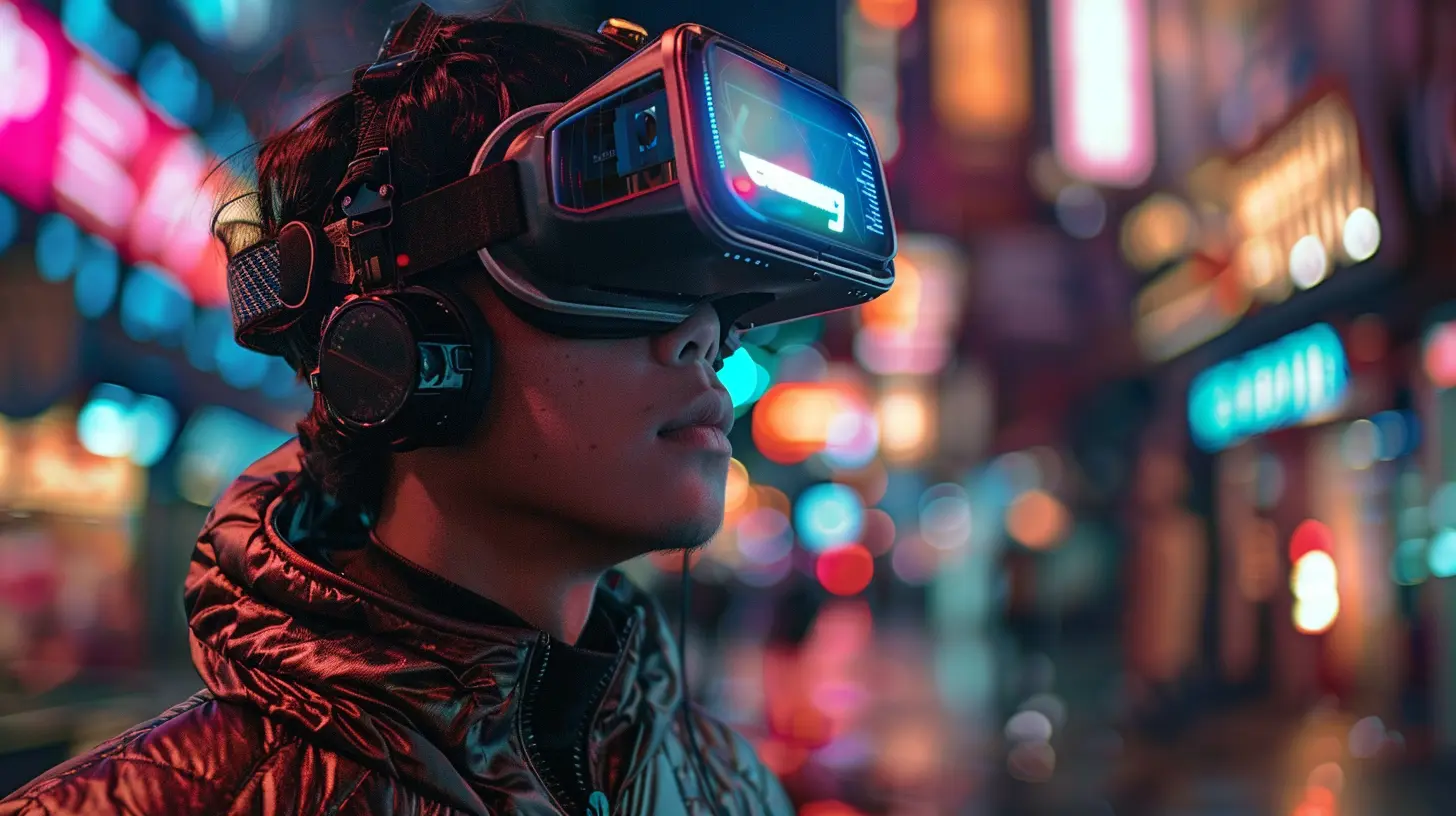
The VR Revolution: Where Are We Now?
Before we start guessing what’s next, let’s talk about where we stand.Right now, VR gaming is in its teenage years—full of energy, bursting with potential, but still figuring out who it wants to be. We've got some slick headsets (like the Meta Quest 3, PlayStation VR2, and Valve Index), a growing library of games, and motion controls that mostly don’t make us punch our TVs… anymore.
Yet there are still bumps. High costs, motion sickness, clunky cables (yes, we’re looking at you, tethered VR), and a general lack of AAA VR games have kept some gamers at arm’s length.
But change is coming. Fast.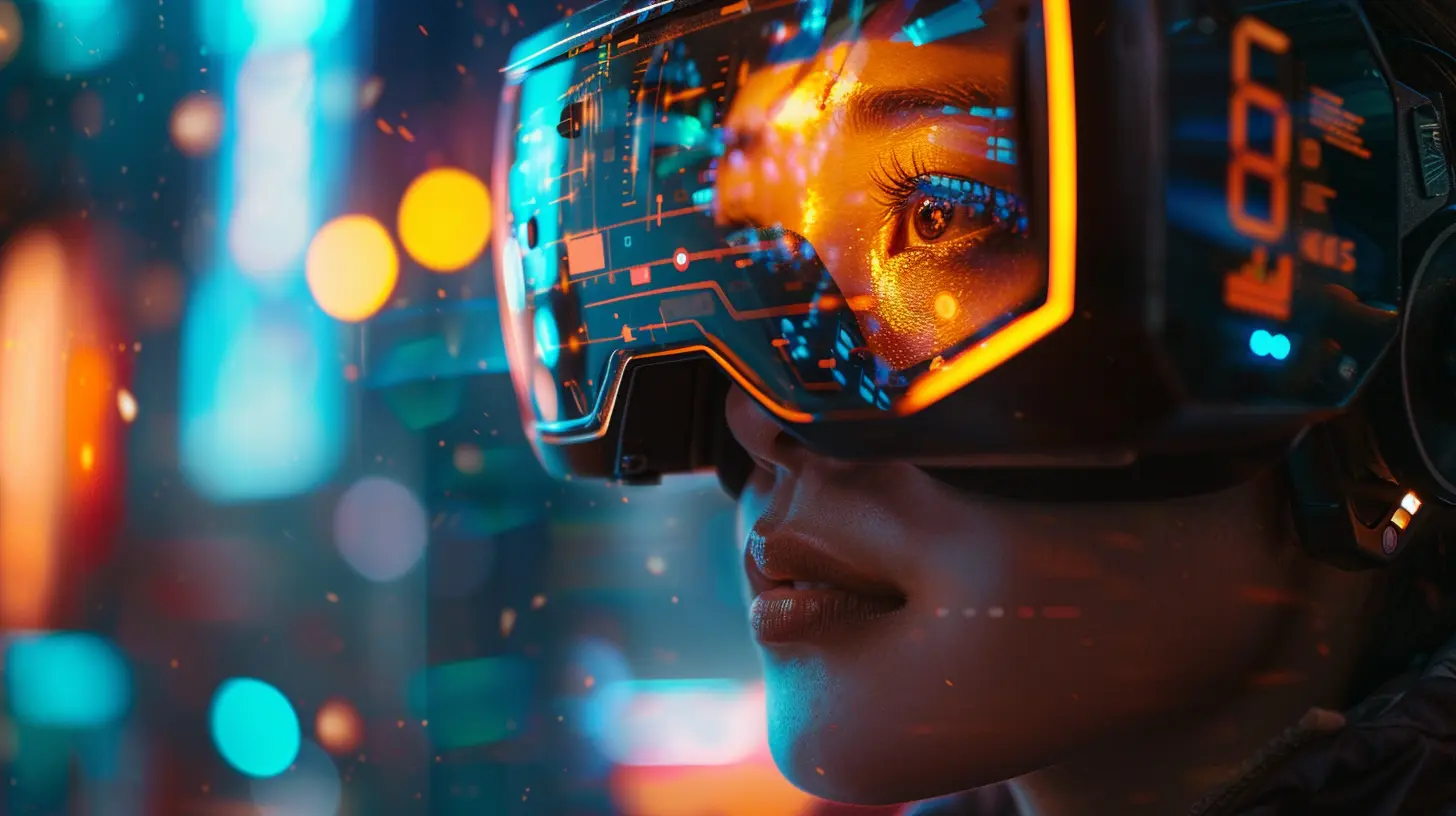
Breaking the Barrier Between Reality and Virtual Worlds
One of the most exciting trends in VR is how the line between our world and the virtual one is getting thinner by the day. If you've tried mixed reality (MR) on devices like the Meta Quest Pro, you’ve seen a glimpse of what that could look like.Imagine this: you're in your room, but your wall turns into a dungeon gate. You walk through it (actually walking!), and now you're battling orcs in your living room. You can see real furniture, but the game blends it into the environment—your couch becomes a treasure chest, your coffee table turns into an altar.
Spooky? Maybe. Jaw-droppingly cool? Absolutely.
As sensors and AI tracking improve, expect to see VR games that integrate even more with your physical surroundings, making everything feel stunningly real.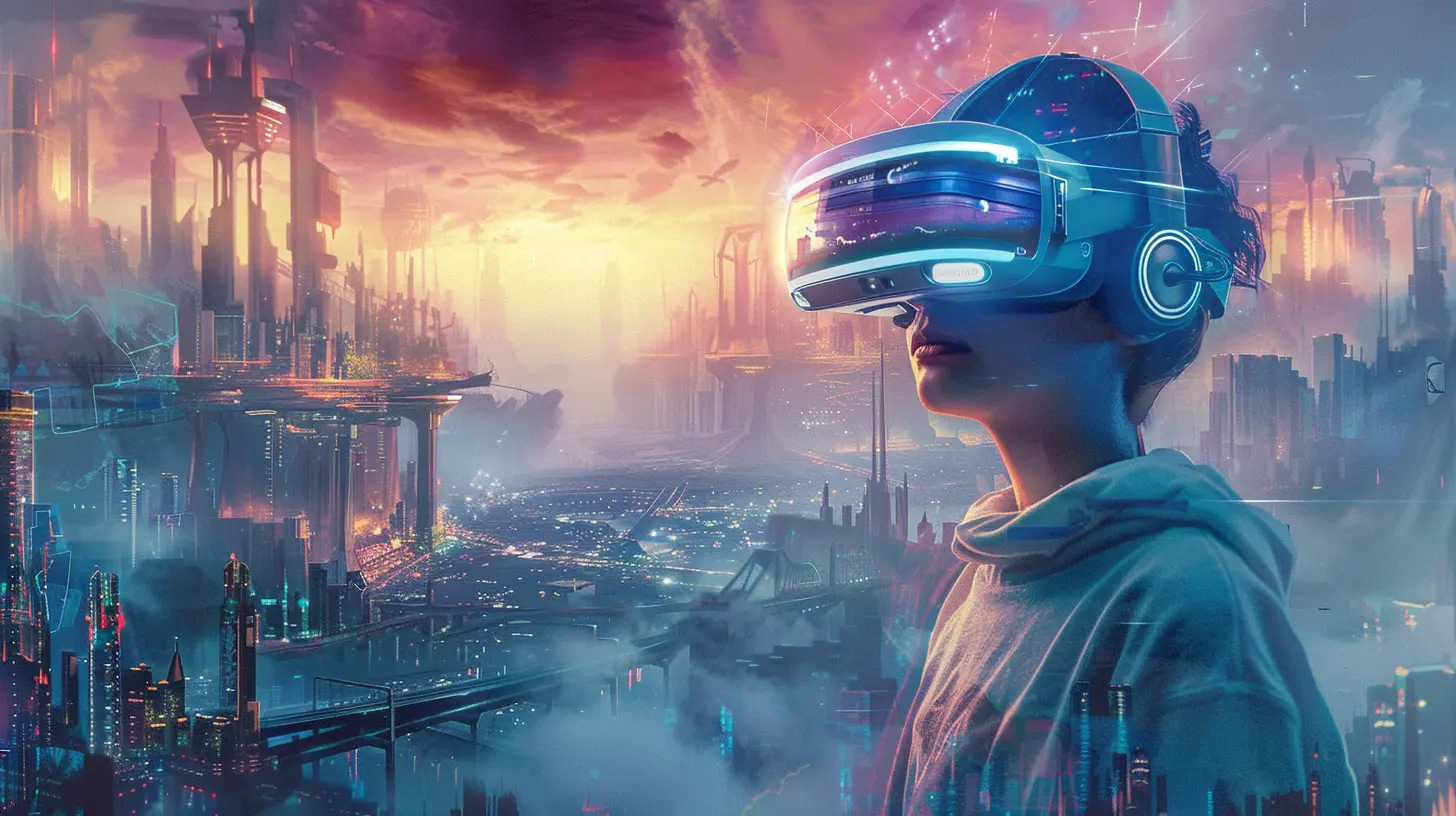
Hyper-Realistic Graphics: Say Goodbye to Pixelated Realities
Let’s be honest—many VR games today don’t look as good as their flat-screen counterparts. That’s mostly because VR rendering is heavy on hardware. You’re essentially rendering two lifelike views (one for each eye) in real-time, and that takes a toll.But things are changing. With the rise of technologies like foveated rendering (where only what you’re directly looking at is rendered in full detail), and stronger GPUs, the quality gap is shrinking.
Soon, you won’t just play inside a game—you’ll feel like you’re actually there. Think skin textures, subtle lighting effects, realistic eye movement on NPCs, and shadows that dance as naturally as in real life.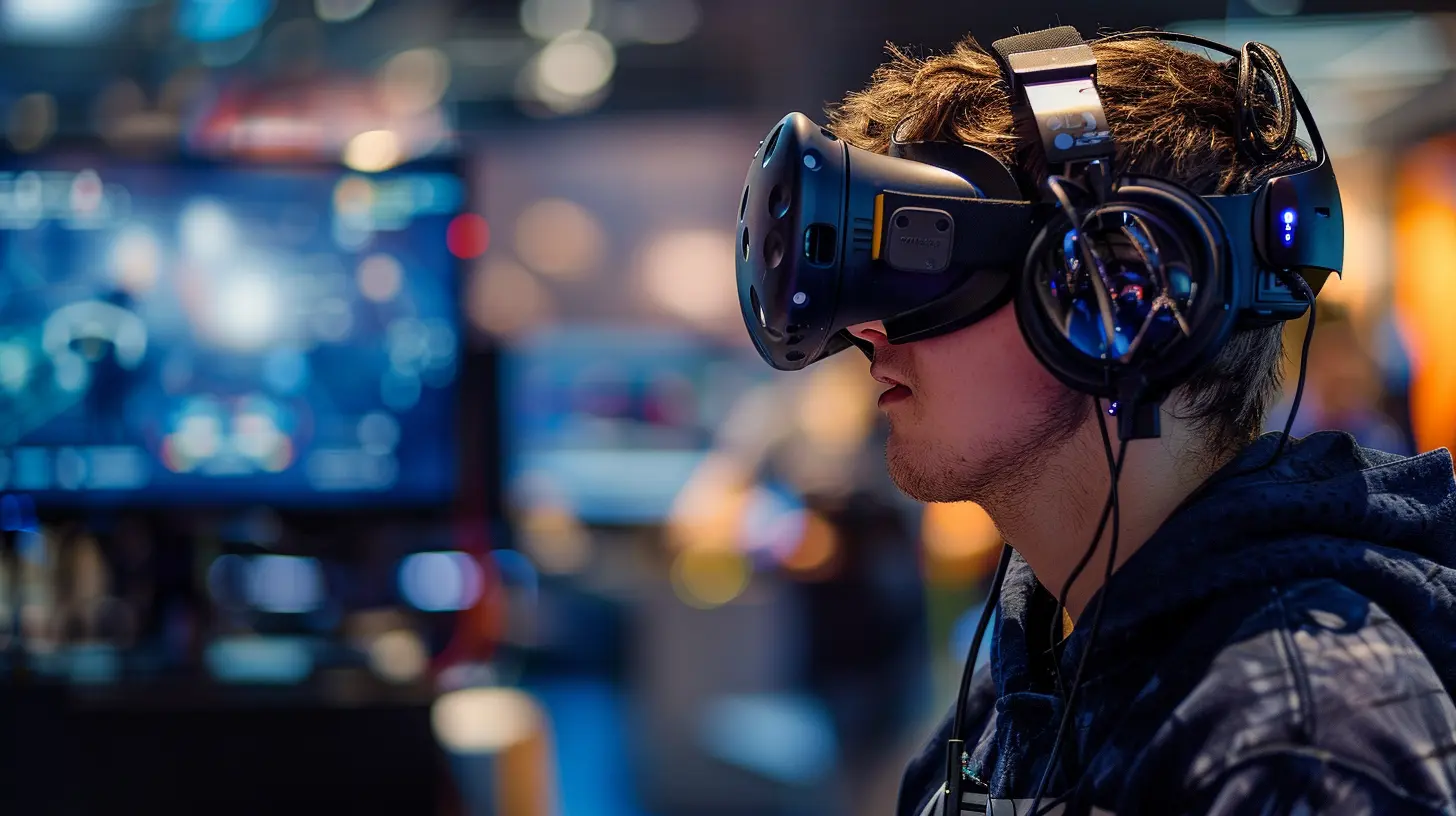
Haptics & Physical Feedback: Feel the Game
Right now, the most you might “feel” during a VR game is a bit of vibration in your controller. But in the future? We’re talking full-body feedback.Haptic suits, gloves, and even VR shoes are in the works. These gadgets will let you experience every punch, raindrop, and ray of sunshine inside the game.
Imagine playing a sword fighting game where you actually feel the clash of steel in your arms. Or a snowboarding sim where you sense the wind rush against your body and the vibration of the board cutting through ice.
It goes beyond gimmick—it’s about immersion. The more you can physically feel the game, the more real it becomes.
The Rise of Social VR: Gaming Gets Personal
Remember the early days of online gaming chat rooms filled with chaotic text and anonymous usernames?Now, envision a VR version of that—except instead of text, you're sitting in a digital tavern with your friends from across the world, chatting face-to-face in your custom avatars.
This is the magic of social VR, and it's going to redefine multiplayer gaming forever.
With real-time facial tracking, voice modulation, and spatial audio, playing with others in VR feels like you’re sharing the same space. The distance disappears. It’s not just co-op gaming—it’s social connection on a whole new level.
We’re entering a future where your virtual identity might become just as important as your real one. Ready Player One, anyone?
AI and Procedural Worlds: The Never-Ending Game
Let’s throw some AI magic into the mix.AI isn’t just writing dialogue or controlling enemy behavior anymore. It’s starting to create entire worlds—on the fly. In the future of VR gaming, we’ll see procedurally generated environments so rich and reactive, they feel handcrafted.
Why’s that cool? Because no two adventures will be the same.
And with AI-driven NPCs that remember your choices and respond in unique ways, we’ll be stepping into games that feel alive. Not just scripted narratives, but real, interactive stories that change based on how you play.
Breaking the Tether: The Wireless Future
Let’s talk wires.They’re annoying, let’s be real. They trip us up, limit movement, and yank at our heads at the worst possible moment.
The good news? The future is gloriously wireless.
Advancements in Wi-Fi 6E and future networking tech will allow for wireless VR experiences without lag or dropped frames. We’re already seeing PC VR streamed wirelessly to standalone headsets, but it’s just the beginning.
Eventually, we’ll be able to play high-end, PC-quality VR games anywhere in the house—or anywhere in the world—with minimal latency and maximum freedom.
Fitness and VR: Leveling Up Health While You Play
Gaming + exercise = win-win, right?Fitness-focused VR games like Supernatural, FitXR, and Thrill of the Fight have proven that you can break a real sweat while gaming. And with the growing interest in health tech, future VR could become the ultimate fitness tool.
Think biometric sensors tracking your heart rate, oxygen levels, posture—even your stress level—while adjusting the game difficulty in real-time to push you just enough.
Gyms of the future might look more like arcades. Imagine stepping into a fitness pod, putting on a VR headset, and running across alien planets or climbing Mount Everest while torching calories. Why run on a treadmill when you can run from a T-Rex?
Accessibility: Gaming for Everyone
One of the most beautiful aspects of VR’s future? Its potential to be inclusive.Developers are starting to understand that accessibility isn’t optional—it’s essential.
We’re seeing more games with seated modes, customizable controls, and visual/audio accommodations. But this is just the start.
In the next wave, expect features like real-time sign language avatars, eye-tracking control for those unable to use traditional inputs, and AI assistants that help guide players through games without reducing challenge or fun.
Everyone deserves a front-row seat in the VR revolution—and the future is looking more inclusive than ever.
The Metaverse & VR Gaming: Hype or Reality?
Ah yes, the big buzzword: the Metaverse. Is it just a marketing ploy, or a glimpse into our digital future?Honestly? Both.
Right now, the Metaverse is still taking baby steps. But if platforms like Horizon Worlds, Rec Room, and VRChat are any indicator, persistent shared universes are already a thing.
In the future, your VR games might not just be isolated experiences. Instead, your actions, your achievements—even your virtual home—could carry across multiple games and platforms.
Play a space shooter, earn a cool helmet. Walk into a fantasy RPG wearing it. Own a digital home full of trophies from every world you’ve conquered.
It’s the gaming equivalent of living in the Marvel Cinematic Universe, but you’re the hero.
Potential Challenges Ahead
Let’s not put on rose-colored lenses here. The future of VR gaming, while exciting, isn’t without its hurdles.- Cost: High-end VR gear isn’t cheap. Will we see more affordable, high-performance options?
- Content: Developers need to commit to quality VR titles, not just gimmicky ports or mini-experiences.
- Health & Safety: As VR gets more immersive, ethical concerns around addiction, disconnection, and physical injury will rise.
- Privacy: With eye-tracking and biometric data in the mix, how will our privacy be protected?
These are big questions. But the gaming community is used to leveling up—and the challenges are part of the journey.
Final Thoughts: Gear Up, Gamer—The Future’s Bright
The future of VR gaming isn't just about better graphics or fancier gear—it’s about fundamentally changing how we experience digital worlds.It’s storytelling that surrounds you, characters who see you, and adventures that feel as real as breathing. With every year, the gap between ‘game’ and ‘reality’ shrinks.
So whether you’re a casual gamer, a hardcore completionist, or someone who just wants to play fetch with a digital dog in zero gravity, buckle up.
The future of VR gaming is coming, and it’s going to blow your headset off.
all images in this post were generated using AI tools
Category:
Vr TechnologyAuthor:

Tina Fisher
Discussion
rate this article
2 comments
Zyana Weber
VR gaming's evolution promises immersive experiences, redefining player engagement.
April 14, 2026 at 4:18 PM
Tina Fisher
Thank you! The evolution of VR gaming indeed paves the way for deeper immersion and engagement, transforming how players connect with virtual worlds.
Xena McTavish
Exciting times ahead for VR gaming! Can't wait to see how these experiences evolve and engage us!
April 7, 2026 at 3:38 AM
Tina Fisher
Absolutely! The potential for innovation in VR gaming is limitless. Exciting journey ahead!