Crafting Ingredients and Their Hidden Stories
7 February 2026
In the vast, pixelated landscapes of video games, there's something oddly magical about crafting. From stitching leather armor in RPGs to brewing potions in survival games or piecing together gadgets in futuristic titles—crafting is more than just a feature; it's an experience. But have you ever stopped mid-craft and thought about where these ingredients actually come from?
Sure, most of us are laser-focused on the gear or potion we're about to whip up, but what about the story behind the Iron Ore you just mined? Or that rare herb you found in a misty forest? That’s right—every crafting ingredient, no matter how common or rare, has its own hidden narrative. And today, we’re going to dive headfirst into those stories.
Grab your pickaxe and let’s dig in!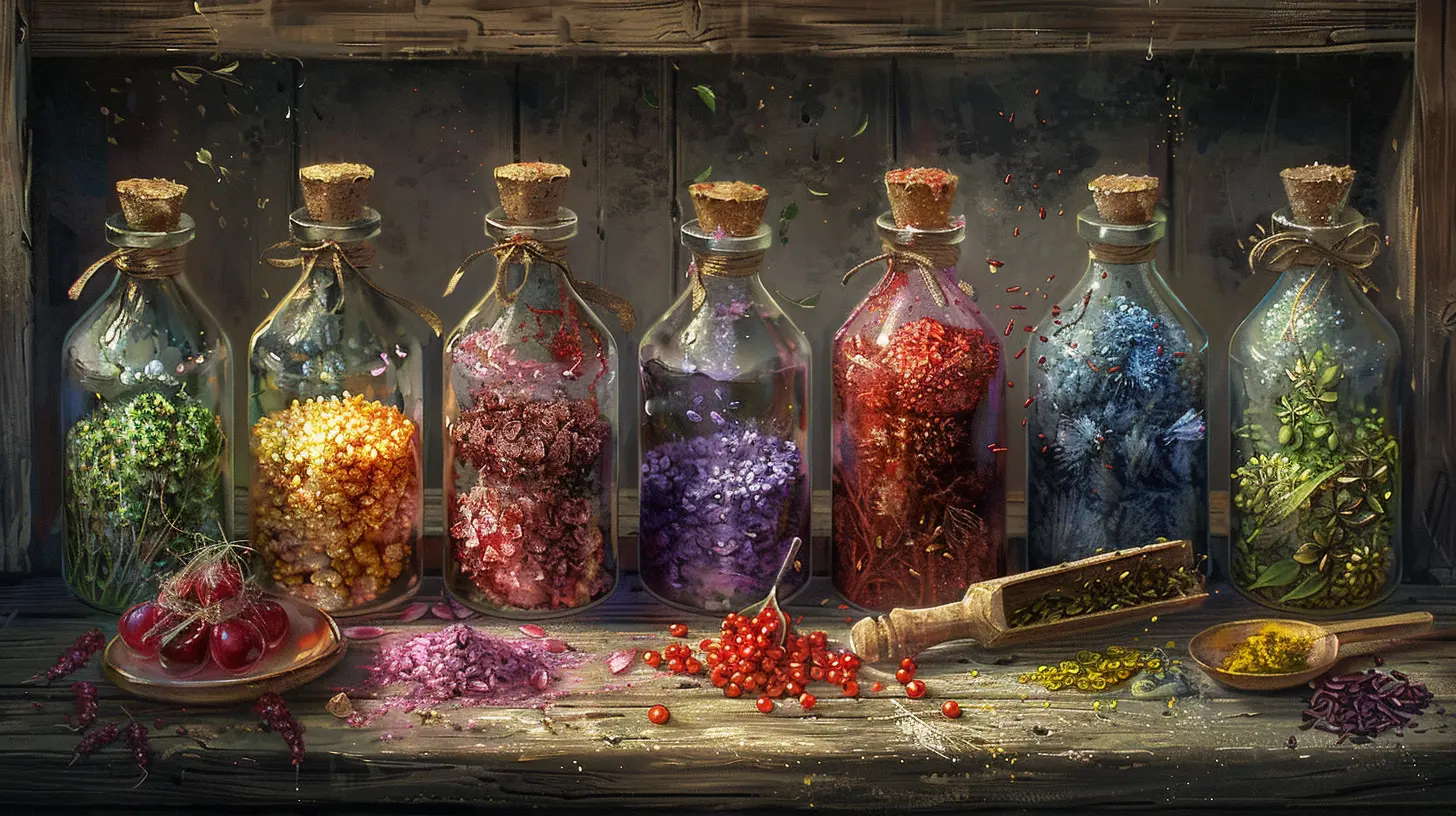
The Spark Behind Crafting
Crafting systems in video games are like cooking recipes in real life. You've got a bunch of raw items, and with the right combination, you make something that feels powerful, useful—or sometimes weirdly unnecessary (looking at you, decorative feather hat). But crafting is deeper than just mechanics. It's world-building, it's lore, and it's a way to connect players to the very soul of the game.Ever notice how games like Skyrim or The Witcher don't just make you gather materials—they make you feel them? You’re not just picking up wolf pelts; you're surviving harsh environments, tracking beasts, and getting your hands dirty. That Iron Ingot in your inventory? It has a backstory. It's not just "Item #1452"—it’s a chunk of the world, forged through lore, hardships, and smart game design.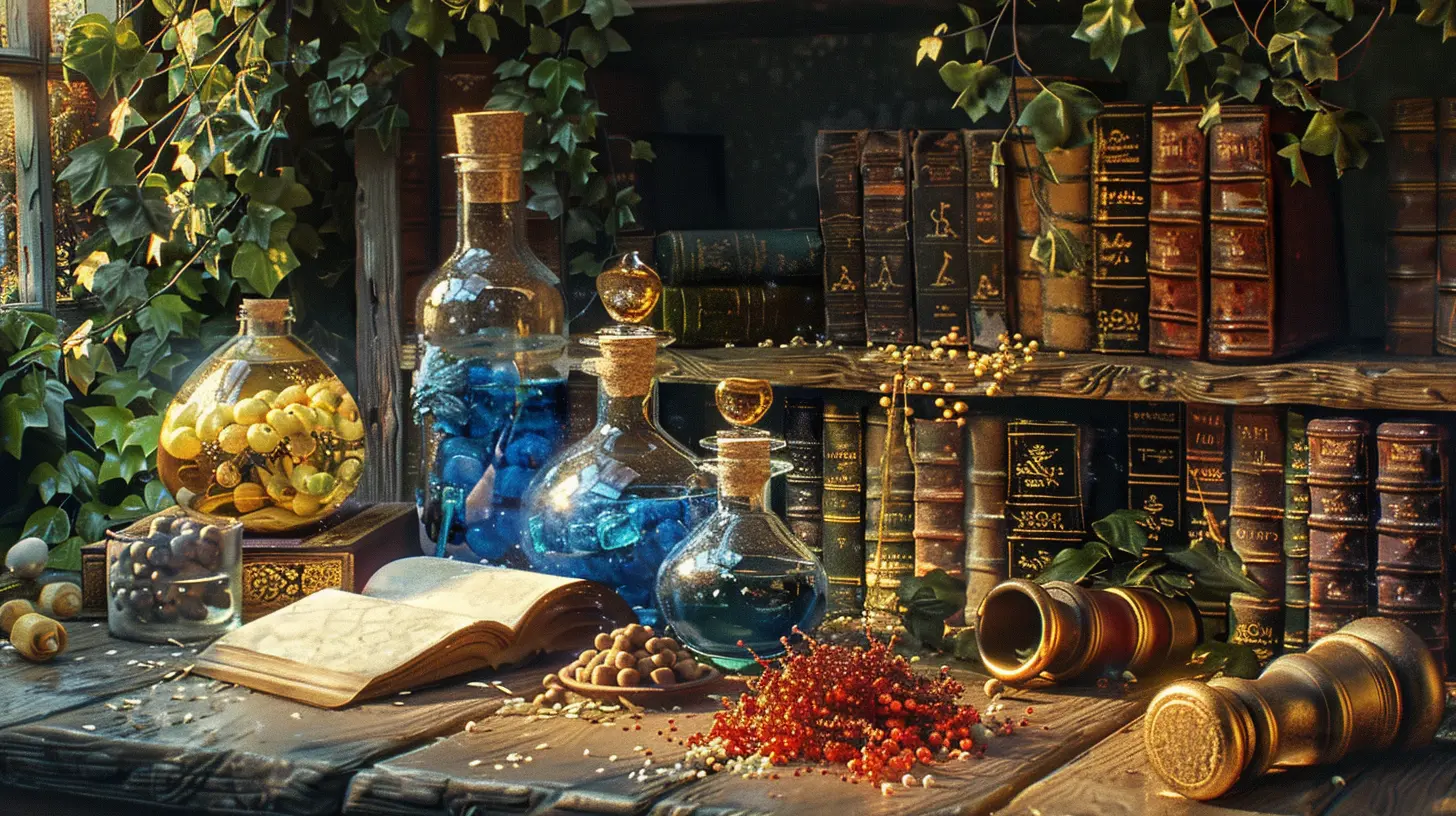
Trees, Herbs, and Leaves: The Whispers of Nature
Common Yet Crucial Crafting Staples
You know the drill—start a new RPG, get a quest, and next thing you know, you're picking flowers like you're planning a digital wedding. Herbs and plants like "Nightshade," "Gleamroot," or even plain old “Mint” seem simple, but they’re the backbone of potions, poisons, and poisons-disguised-as-potions.These ingredients typically grow near rivers, in shadowy forests, or up dangerous cliffs. Why? Because game devs want you to feel that effort. Climbing that cliff to get a Moonroot isn’t just a challenge—it tells a story. Maybe that plant only blooms under moonlight because it was cursed by an ancient wizard. Maybe it only grows where an emotional event happened centuries ago.
Every collection run becomes a folklore trip when you look at it that way.
Potions and Elixirs: More Than Just Buffs
That health potion you just guzzled in the middle of a boss fight? It probably took multiple herbs, a water bottle, and maybe even a mystical crystal to make. In a way, it's like comfort food made by the game world. It’s crafted care, ready to save your butt.There’s often a reason why certain herbs are medicinal or poisonous in games—devs and writers tie them back to the geography, the wildlife, and the history of the game world.
So next time you loot a flower, pause for a sec and think: “What’s the story here?”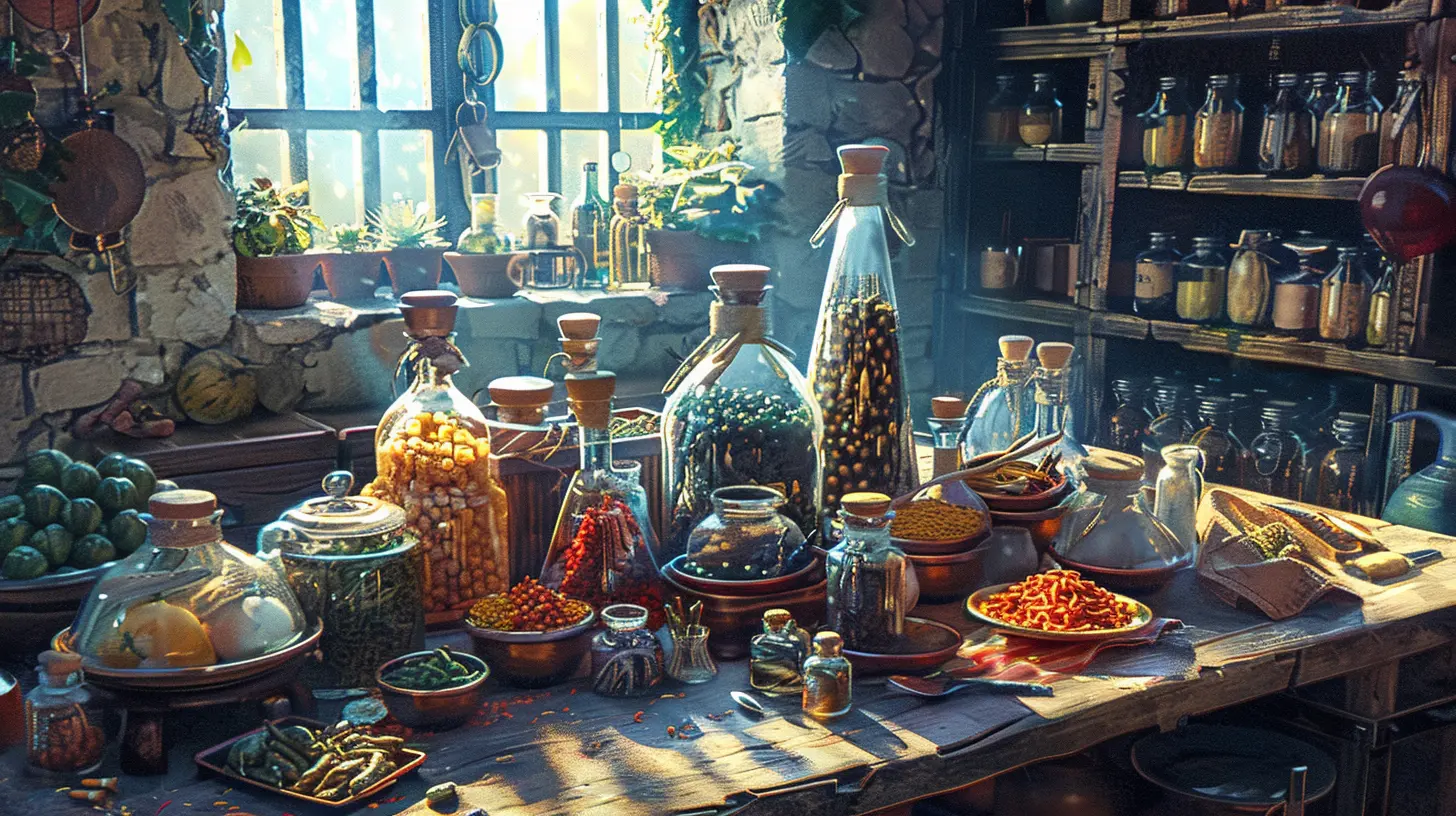
Ores, Gems, and Metal Scraps: The Earth’s Memory
Digging Up More Than Just Materials
Mining in games usually feels like a grind, right? Tap, tap, collect, repeat. But some titles add layers (literally and metaphorically) to mining. Take Minecraft or Terraria—the deeper you dig, the rarer and more powerful the resources. It’s almost poetic. The more you're willing to descend into darkness, the more the game reveals.But there’s more. Some ores only form in certain regions for lore-based reasons. Maybe that enchanted ore is only available in areas affected by magical fallout. Maybe it's a remnant of fallen meteors or ancient civilizations. Gems and ores often feel like time capsules—reminders that the land isn’t just there; it’s lived through stuff.
Weapon Crafting: Channeling the Ancients
Crafting weapons with these ingredients adds another layer. You’re not just swinging a sword—you’re wielding a piece of a mountain. That’s raw, earthy storytelling. When your sword is made from “Starsteel,” and you know it fell during the “Great Cosmic Firestorm,” suddenly, your blade isn’t just sharp—it’s legendary.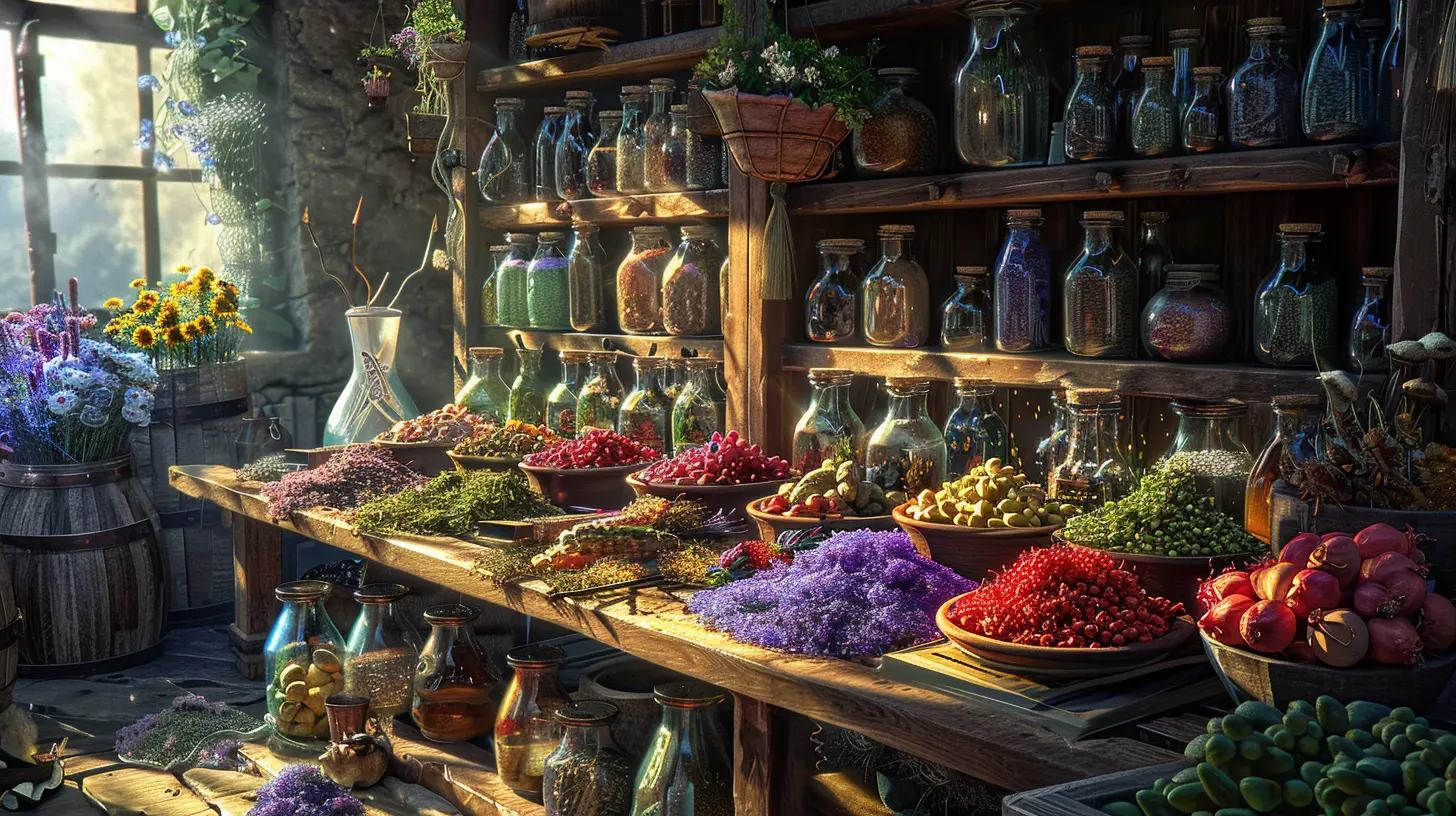
Monsters, Mobs, and Magical Beasts: Ingredients With Bite
Not Just Loot – It’s Legacy
Ever had to take down a massive beast just to get one measly feather or eyeball for a quest? Yep, we all have. But those items have weight—literal and metaphorical. That feather from the Phoenix you defeated? It's not just for a cloak. It symbolizes survival, triumph, and maybe even rebirth depending on the lore.Monster parts—fangs, claws, scales—aren’t just random drops. They often have deeply embedded stories. In Monster Hunter, crafting a new weapon or armor after defeating a creature doesn’t just give stat boosts—it shows progress. You survived something intense, and now you wear it like a badge of honor.
Ethical Dilemmas in Crafting
Some games even tug on your moral compass. Do you really want to harvest materials from a peaceful creature just because the item has high stats? Games like Horizon Zero Dawn or The Legend of Zelda: Breath of the Wild make you consider what you're taking and why. It’s subtle, but impactful.Crafting With History: Lore-Infused Ingredients
Relics and Ancient Tech
In many futuristic or post-apocalyptic games, crafting involves salvaging remnants from a forgotten past. Stuff like “Old World Circuit Boards” or “Mystic Fragments” aren’t just rare—they’re relics of lost civilizations. When you use them, you’re literally piecing together history.This adds a haunting beauty to crafting. You're building the future out of the past, and there’s something powerful about that.
Ritualistic Materials
Some ingredients have sacred or mystical roots. They’ve been used in rituals, sacrifices, or major historical events in the game world. Using them for crafting ties your character into that legacy.Games like Dark Souls or Elden Ring thrive on this. Items like “Divine Ember” or “Dragon Bone Dust” are drenched in story. The item description alone can send you down a wiki rabbit-hole for hours.
Hidden Stats, Hidden Stories
It’s Not Always About What You See
Ever notice how some ingredients seem “meh” on the surface but turn out to be game-changers when used in the right combo? That’s the beauty of hidden mechanics. Developers often love sneaking in bonuses tied to lore, geography, or even the time of day an ingredient was harvested.Something as simple as “Midnight Moss” might offer stealth bonuses because it thrives in the moon’s shadow, hiding from predators. It’s flavor text with flavor.
Easter Eggs in Ingredients
Some items come with cryptic names or vague descriptions—just enough to make you wonder. Maybe it’s referencing another game, a dev's inside joke, or real-world mythology. Gaming communities thrive on uncovering these hidden layers, and crafting ingredients are often the key.Crafting Communities: Players Creating Their Own Stories
Mods and Fan Content
In open-ended games like Skyrim, Minecraft, or Valheim, crafting goes beyond the devs. The community steps in, adding their own ingredients, recipes, and lore. It's collaborative storytelling at its finest.Mods that add ingredients like “Voidroot” or “Soul Iron” give players new ways to engage with the game’s universe. And because the origins are fan-created, there’s often a lot of heart behind them.
Roleplaying Through Ingredients
Roleplayers especially love crafting-based narratives. You’re not just an adventurer—you’re a blacksmith’s apprentice using her late father's blueprints and rare materials passed down for generations. Crafting becomes character development.It’s not just ‘making stuff’. It’s making meaning.
Final Thoughts: Crafting as a Reflection of the World
At the end of the day, crafting isn’t just about what you make—it’s about where it comes from. Ingredients carry tales of ancient lands, fallen empires, magical forces, and personal victories. They represent effort, environment, and emotional depth.So next time you gather, mix, smith, or synthesize, take a moment to appreciate that tiny item in your inventory. It might just have a bigger story than the main questline.
Crafting isn’t just a mechanic. It’s a memory.
all images in this post were generated using AI tools
Category:
Item CraftingAuthor:

Tina Fisher
Discussion
rate this article
2 comments
Abigail Graham
This article beautifully uncovers the intricate narratives behind crafting ingredients in games. By exploring their origins and significance, it adds depth to gameplay, enhancing player immersion. The connection between materials and lore not only enriches the crafting experience but also encourages a more thoughtful approach to resource management.
February 9, 2026 at 5:30 AM
Tina Fisher
Thank you for your insightful comment! I'm glad you appreciate the depth and connection between crafting ingredients and their narratives. It truly enhances the gaming experience!
Tenley McFarlane
Every ingredient tells a tale; let the crafting journey ignite your imagination!
February 8, 2026 at 4:04 PM
Tina Fisher
Thank you! I'm glad you enjoyed the article. Every ingredient truly has a unique story that adds depth to the crafting experience!