Why Survival Games Are Seeing a Massive Comeback
5 May 2026
Let’s be real—there’s something oddly satisfying about punching a tree with your bare hands to build a house out of twigs. Whether it’s fending off zombies with a frying pan or trying to cook a suspicious-looking mushroom while fending off hypothermia, survival games have a unique charm. And guess what? They’re totally storming back into the gaming world like a grizzly bear who just woke up from hibernation... and is very hungry.
So, what's fueling this massive comeback of survival games? Strap in, grab your virtual axe, and let’s dig into why everyone suddenly wants to live in the woods again—digitally, of course.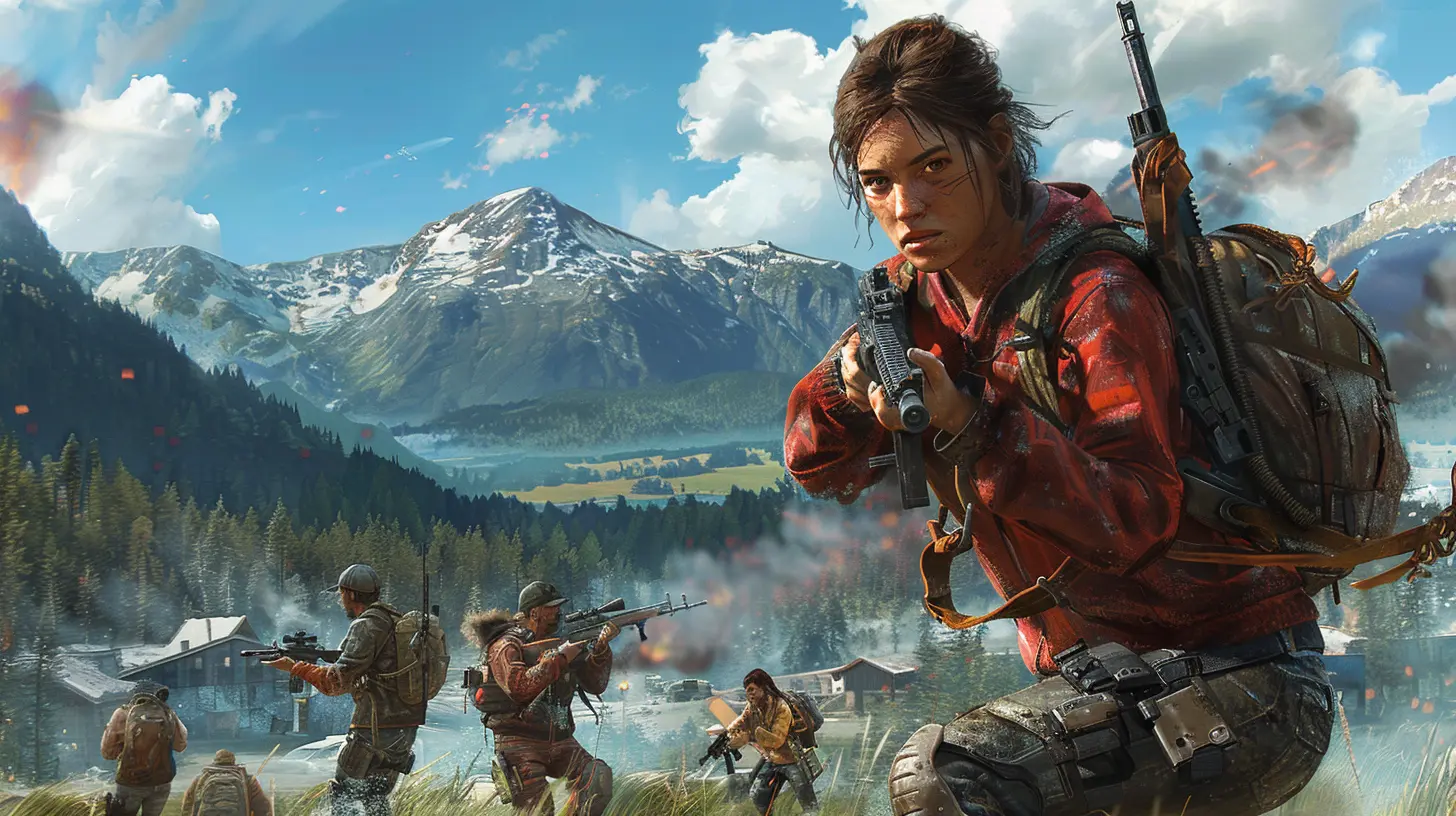
The Simple Joy of Suffering (Virtually, Of Course)
Okay, hear me out. Survival games are basically the gaming version of adulting: tough, unpredictable, and full of questionable cooking decisions. But that’s kinda the point. There's something weirdly enjoyable about struggling to stay alive in a pixelated world where you can die from eating the wrong berry.You start with nothing—nada, zip—and you have to craft, build, and survive. That raw struggle gives players a bizarre but satisfying sense of progression. One minute you’re freezing to death in a cave, and the next, you’re rocking a full set of armor made from the bones of your enemies. Ain’t that poetic?
Whether it's chopping down your hundredth tree in Valheim or trying to build a potato-based ecosystem in The Long Dark, the grind feels worth it.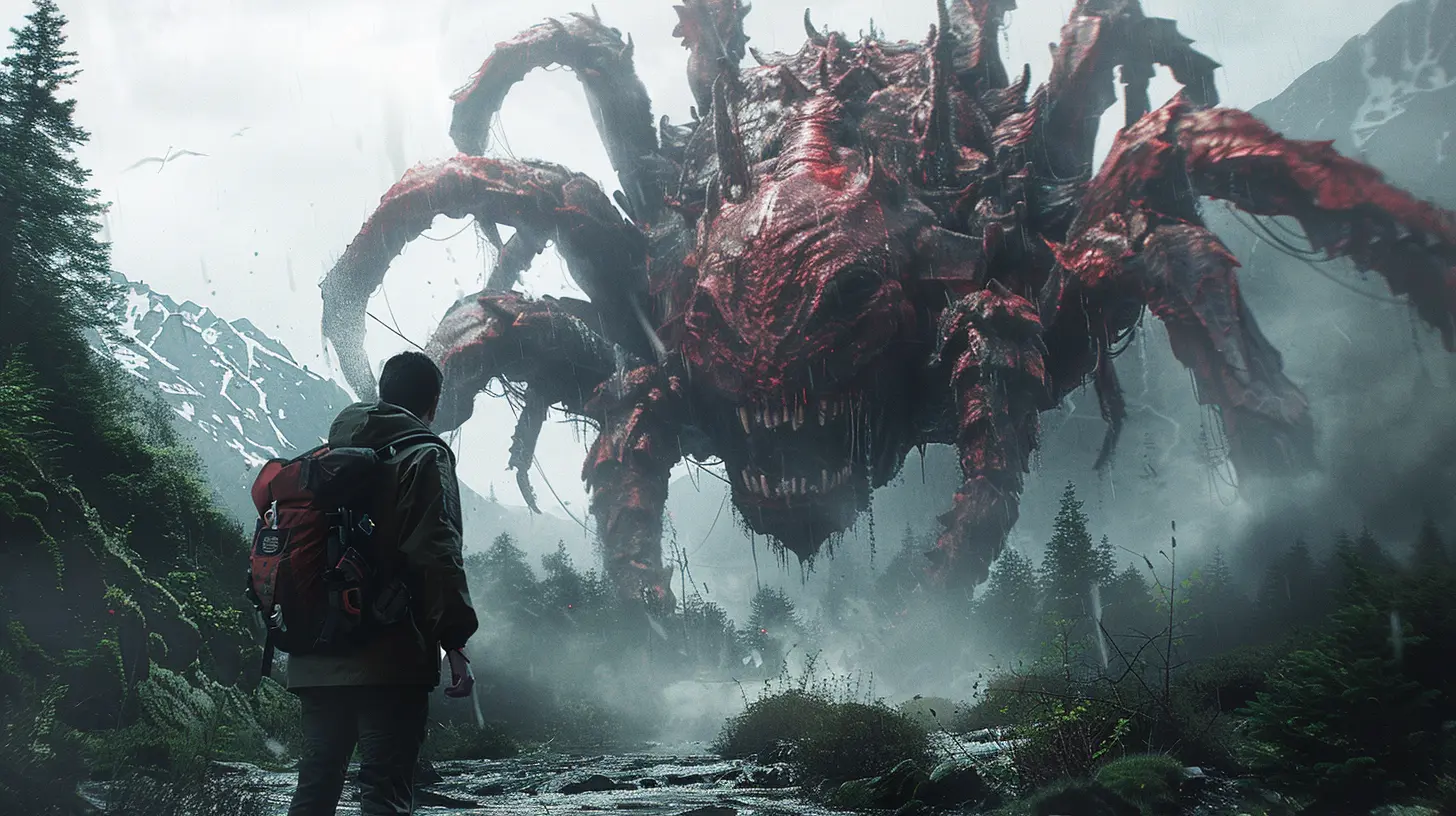
Nostalgia Hits Harder Than a Zombie Horde
Let’s take a walk down memory lane.Remember the early days of Minecraft and DayZ? Those were the glory days. You, your friends, a janky server, and that one guy who always thought it was funny to steal everyone’s loot. Ah, sweet digital anarchy.
Survival games gave us stories. Not the kind written in quest logs, but the kinds that start with “Remember when we accidentally set the base on fire trying to cook chicken?”
As survival games make a comeback, they're scratching that nostalgic itch for long-time gamers while also pulling in younger players who never experienced the chaos of those early days. It’s like when your favorite band from high school comes back on tour—except with more bears and fewer guitars.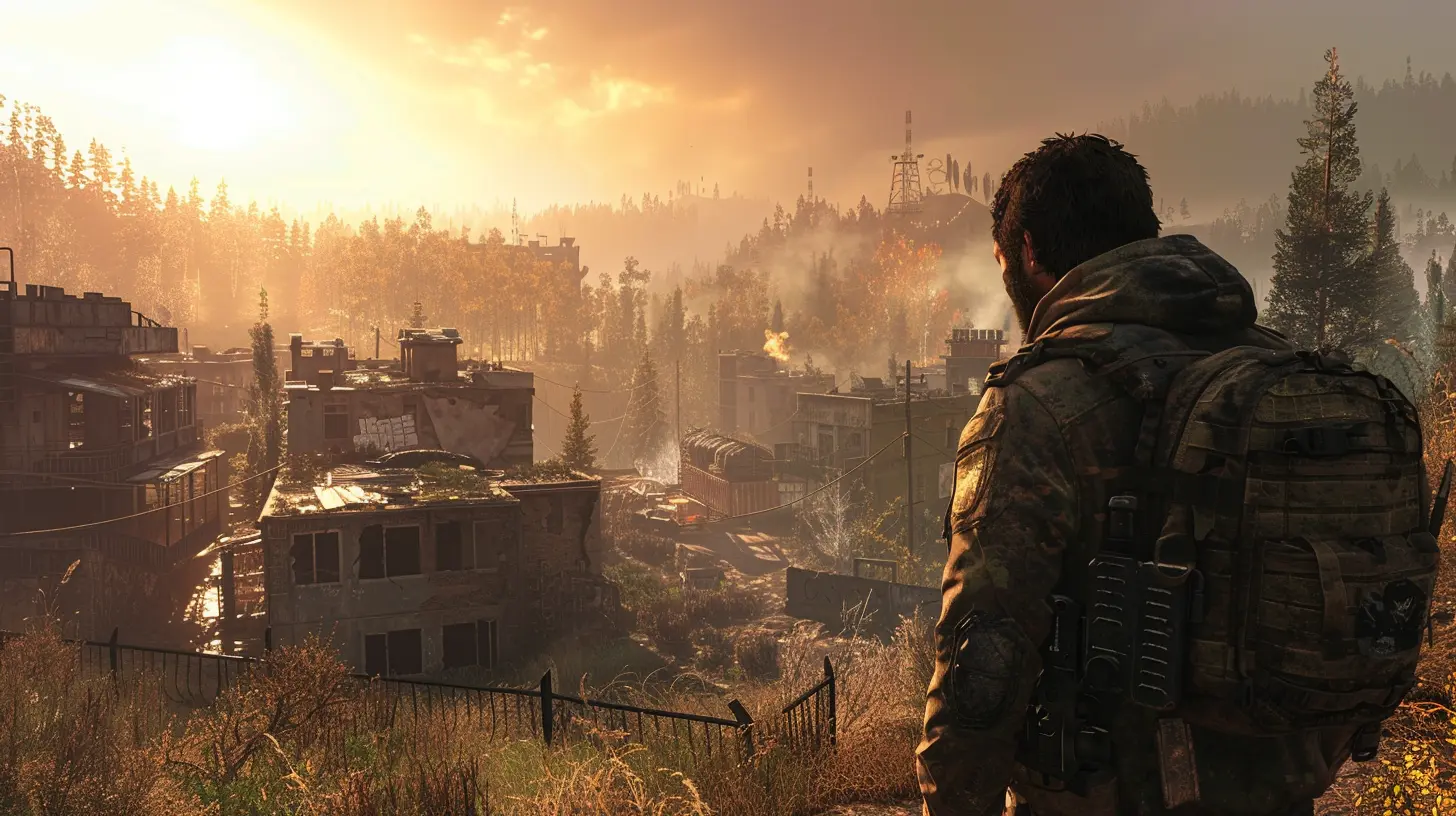
Open Worlds and Limitless Freedom (aka: “Where the Heck Am I Going?”)
Modern survival games have evolved massively. We’re no longer stuck on tiny maps with three trees and a rock. Now, we’ve got massive open worlds, dynamic weather systems, realistic crafting mechanics, and enough map space to get lost for hours… repeatedly.Instead of holding your hand, survival games kick you into the deep end and whisper, “Good luck, sucker.”
That feeling of freedom—mixed with a healthy dose of “I have no idea what I’m doing”—is incredibly appealing. It’s like the gaming equivalent of quitting your job and moving into a cabin in the woods (but without the crippling mortgage and isolation).
Games like Green Hell, Sons of the Forest, and Rust thrive on this. You never know what’s around the corner, and that keeps you coming back for more punishment.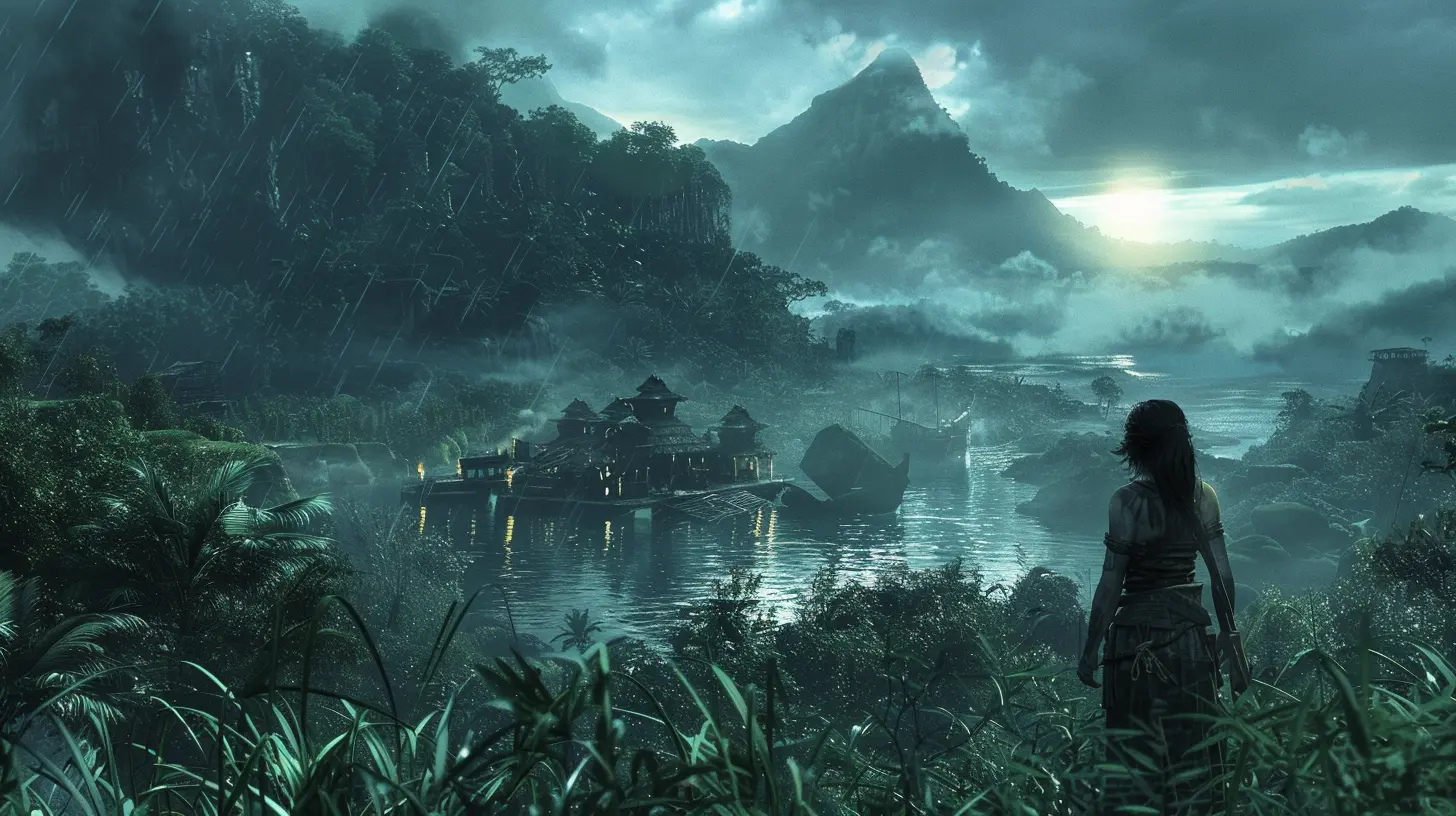
Multiplayer Mayhem: Friendship Meets Fire
Survival games aren’t just about staying alive anymore. They’re about who you’re trying to stay alive with. Multiplayer survival games are pure, chaotic fun—emphasis on “chaotic.”One minute you're building a cozy cabin with your buddy, the next minute you're screaming because he aggro'd a mutant moose ten feet from your base. Thanks a lot, Jeff.
Whether it's cooperative gameplay or full-on PvP madness, the social aspect is a huge part of why these games are back in the spotlight. Friends make the suffering funnier, and enemies make it... spicy. Plus, there’s no better bonding experience than trying to survive a cannibal attack during a thunderstorm.
Streamers and YouTubers: The Ultimate Digital Hype Man
Let’s be honest, if a survival game gets the stamp of approval from a major streamer, it's basically gaining superpowers. Platforms like Twitch and YouTube have super-charged the survival genre.Why? Because these games are storytelling goldmines. When you combine unpredictable gameplay with a streamer who’s half-decent at improvising, you get content that’s hilarious, intense, and sometimes just plain weird. Hello, The Forest scream compilations.
Viewers watch their favorite content creator struggle, scream, survive, and sometimes eat a questionable mushroom—then they want to play and suffer too! It’s the ultimate domino effect.
Modding and Community Content for Infinite Replayability
One of the low-key best things about many survival games? The modding communities are bonkers—in the best way.Take Minecraft for instance. The survival aspect has been modded into everything from full-on apocalyptic overhauls to Jurassic Park simulators. ARK: Survival Evolved mods have given us everything from Pokémon to dragons. Yes, Pokémon. In survival mode. Why? Because we can.
Mods breathe fresh life into games long after launch and give players endless new goals. The community becomes part of the development, shaping the experience with creativity and occasional chaos. It’s like adding hot sauce to a meal—sometimes unnecessary, always exciting.
The Real World is (Still) a Mess
Here’s the brutal truth: the real world is messy, unpredictable, and sometimes just plain exhausting. Survival games tap into something primal and oddly therapeutic.When you’re sick of traffic, bills, or the slow realization that your cereal has gone stale, jumping into a game where your biggest concern is crafting a spear feels like a break. It lets you disconnect and focus on basic needs: eat, sleep, don’t get eaten.
Survival games give you a weird sense of control in a chaotic world. It’s not about escaping reality entirely—it’s about simplifying things. You might be losing in real life, but at least in the game, you just built a potato farm. That’s a win.
Indie Devs Are Killing It (Figuratively and Literally)
The rise of indie developers has been HUGE for survival games. Why? Because indie devs are wild. In the best way.They're not afraid to take risks, try weird mechanics, or make games where you survive by drinking your own pee (we’re looking at you, The Long Dark). They’re adding fresh ideas, unique art styles, and offbeat humor that give survival games a facelift.
While AAA studios are busy squeezing the 19th sequel out of a franchise, indie devs are out here creating forest demons and letting raccoons steal your gear at night. It's wild, it's fun, and it's exactly what the genre needed.
Survival, But Make It Pretty
Graphics don't make the game, but man… they sure help.Modern survival games are visually stunning. Whether it’s the Northern Lights in The Long Dark, the misty forests of Valheim, or the tropical horror of Green Hell, the environments are breathtaking. And terrifying. Often at the same time.
These worlds feel alive—and being stuck in them makes the challenge feel even more real. You’re not just surviving; you’re surviving in 4K ultra-HD with dynamic lighting and rain that somehow always ruins your campfire at the worst possible moment. Love that.
Real Talk: They’re Just Fun
Let’s cut through the noise. Survival games are just plain fun. They hit that sweet spot between challenge and chaos, strategy and spontaneity.They let you live out weird fantasies like:
- Surviving on an island like a low-budget Bear Grylls
- Building a treehouse fortress in the middle of monster-infested woods
- Cooking 47 pieces of raw meat at once because “what if I get hungry later?”
And at the end of the day, that’s what games are about.
Fun. Challenge. And maybe a little screaming.
Final Thoughts: From Bare Bones to Big-Time
Survival games are back—not because of one magic reason, but because of a perfect storm of nostalgia, community, innovation, and just straight-up good game design. They’ve evolved from clunky, grindy stress-fests into immersive, often beautiful worlds full of adventure and ridiculous player-made stories.Whether you’re in it for the solo “I am one with the forest” vibe or the chaotic multiplayer drama where Gary “accidentally” blows up the base, there’s something for everyone.
So if you haven’t jumped into a survival game lately, now's a pretty awesome time to start. Just remember: don’t eat the glowing mushrooms. Seriously. Don’t.
all images in this post were generated using AI tools
Category:
Game TrendsAuthor:

Tina Fisher
Discussion
rate this article
2 comments
Runeveil McElveen
Survival games offer thrilling challenges!
June 10, 2026 at 3:58 PM
Tina Fisher
Absolutely! The adrenaline rush and strategic depth keep players coming back for more.
Damien McGuffin
Survival games are thriving again because they offer real challenge and immersion. Players crave the thrill of resource management and the satisfaction of overcoming tough obstacles. It's all about that intense gameplay experience.
May 11, 2026 at 2:58 AM
Tina Fisher
You're spot on. The challenge and immersion in survival games really draw players in. It's satisfying to conquer tough challenges and manage resources effectively. That gameplay experience keeps them coming back for more.