Why Sandbox Games Continue to Capture Imagination
27 June 2026
Ever found yourself wandering aimlessly through a game, not because you're lost, but because you're totally immersed in the world? Maybe you're building a fortress in Minecraft, tinkering with city roads in Cities: Skylines, or just watching chaos unfold in Grand Theft Auto V. There's something magical—almost hypnotic—about sandbox games, right?
So, why do sandbox games continue to capture our imagination? What makes them so endearing, addictive, and downright fun? Let’s unpack this together and dive into the open-world of endless possibilities.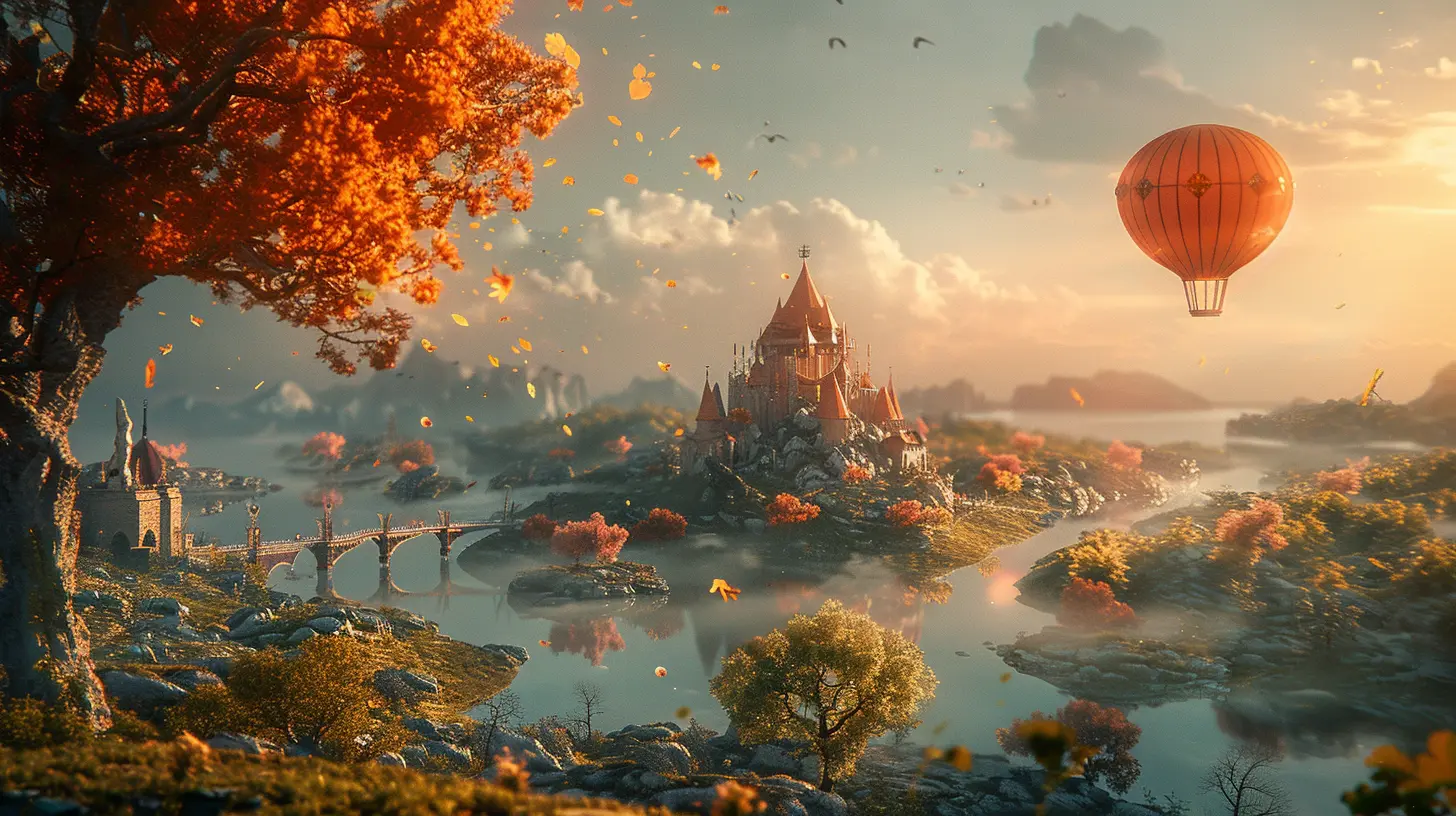
What Exactly Are Sandbox Games Anyway?
Before we go down the pixelated rabbit hole, let's clear something up: what is a sandbox game?In simple terms, a sandbox game gives you the freedom to do stuff your way. There’s usually no fixed path, no "right" way to play. It's like handing a kid a box of LEGO bricks—some might build a castle, others a spaceship, and a few might just step on them (ouch!).
These games serve up tools, environments, and mechanics that let you make your own fun. You're not just playing in the world—you’re shaping it.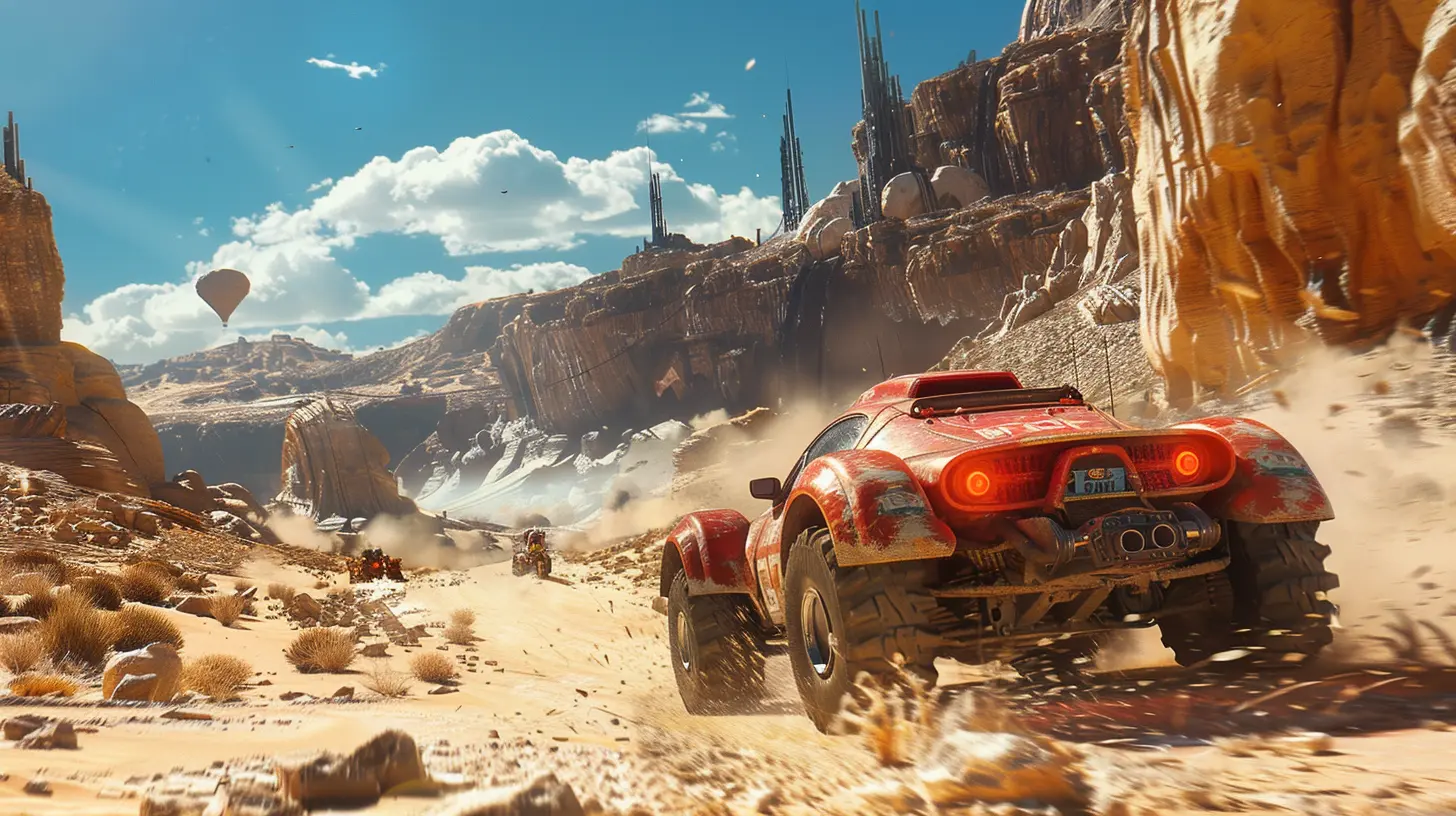
A Blank Canvas for Creativity
Think of sandbox games as digital playgrounds. They beg for creativity. Hate linear storylines? No problem. Want to demolish a village just to rebuild it grander and better? Go for it.Minecraft: The Archetype of Freedom
Let’s talk Minecraft—probably the poster child for sandbox gaming. You’re dropped into the world with absolutely nothing. No fancy cutscenes, no instruction manual. Just blocks... a lot of them. And what do people do? Build replicas of Hogwarts, giant rollercoasters, or even working calculators!This freedom to create, destroy, modify, or explore at your own pace is kind of therapeutic. It taps into something deeply human: the desire to create and shape the world around us.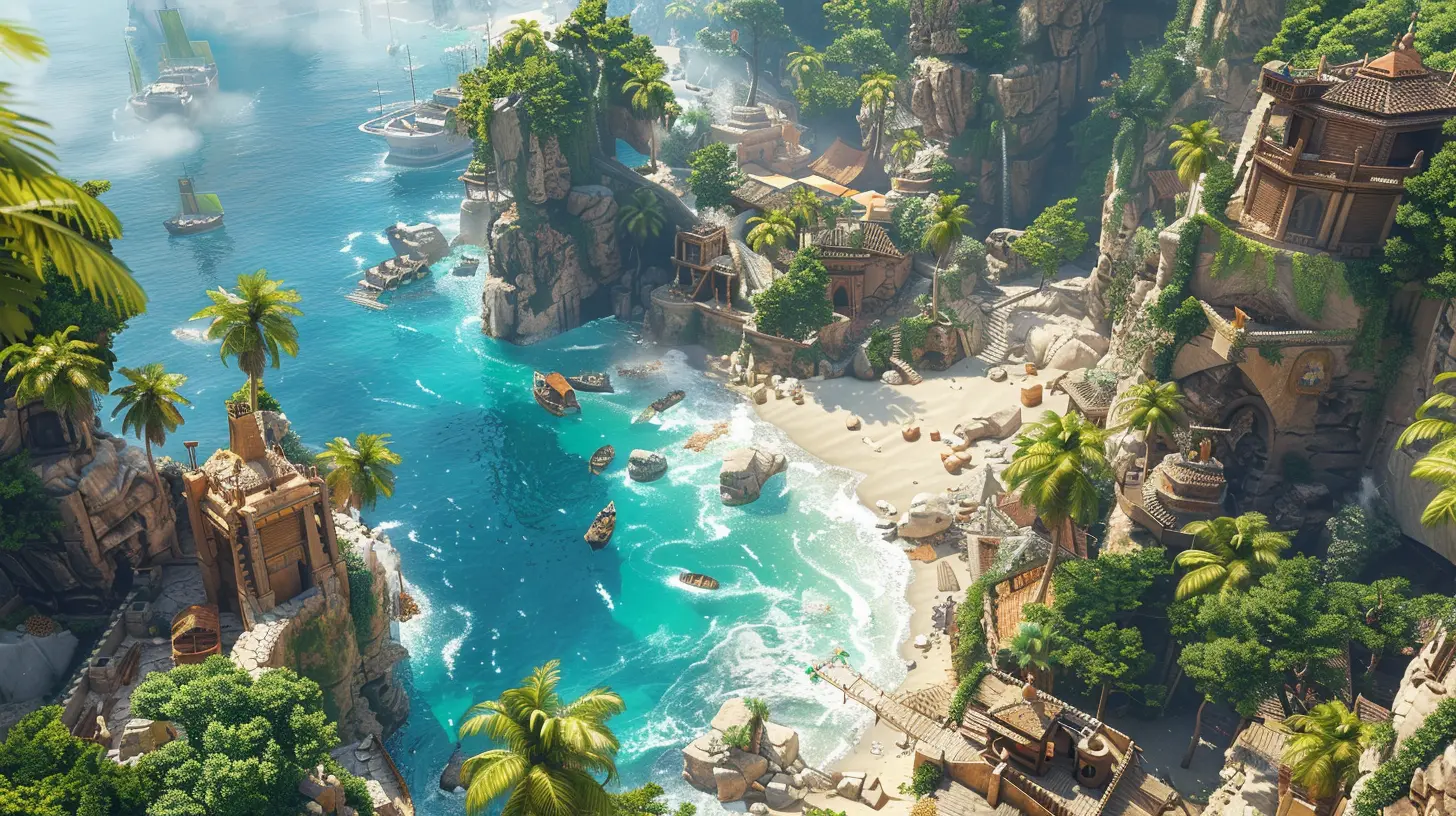
No Two Stories Are the Same
One of the coolest things about sandbox games? Everyone’s experience is different. You and your best friend could both play Red Dead Redemption 2, but while one’s a law-abiding cowboy, the other might be holding up trains for sport.Emergent Gameplay: Where Stories Write Themselves
Sandbox design breeds what’s called “emergent gameplay.” That's just a fancy way of saying players create their own narratives. Nobody sits you down and says, “Here’s how the story goes.” Instead, it evolves as you play.Remember that time your Sims family got locked in a pool because you removed the ladder? Yeah, not in the official script—but hilarious, memorable, and uniquely yours.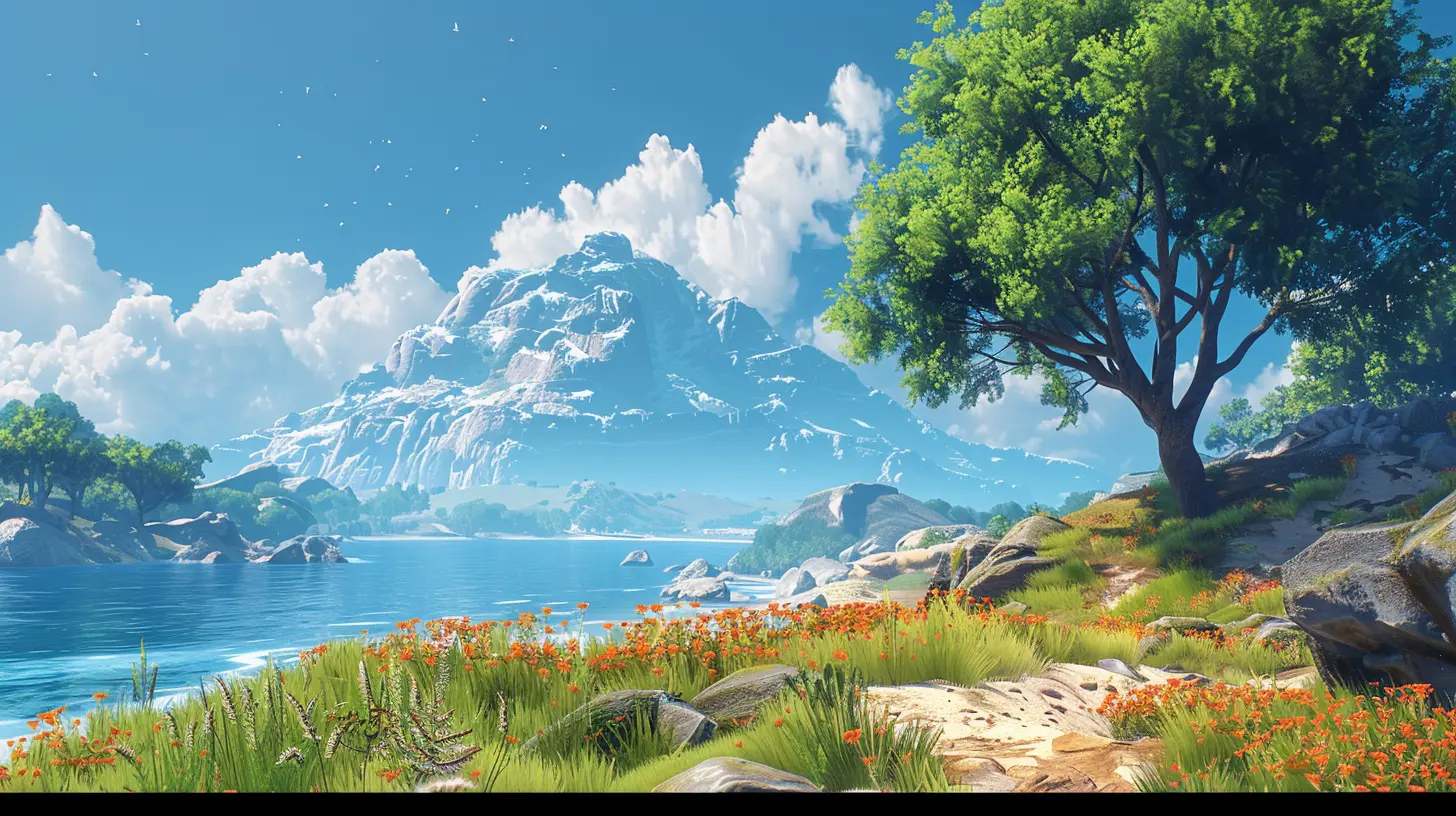
The Power Trip of Choice and Control
Let’s be honest—life can feel a little out of control at times. Bills, traffic, responsibilities—you rarely get to call the shots. But in sandbox games? You’re the boss.Whether it’s god-mode in SimCity or surviving your way in Rust, these games give us power, autonomy, and control—all wrapped in a fun, low-risk package.
It's Not Just Play—It's Ownership
People spend weeks (even months) crafting their dream islands in Animal Crossing or fine-tuning their Arc bases. And why not? When you invest time, you invest heart. That sense of ownership is intoxicating. It's your world, and every inch of it reflects a part of you.Endless Replay Value
If you're anything like me, you’ve dropped cash on games that were fun for, what, a weekend? Then there are sandbox games—ones you keep coming back to like comfort food.Why? Because the game doesn’t “end.” Sure, there might be quests or objectives, but the core idea is this: it’s done when you say it’s done.
Mods and Community Content: The Game That Keeps on Giving
Another reason sandbox games have legs? The modding community.Just look at games like Skyrim or Garry’s Mod—decades later, and they're still fresh. Thanks to thousands of mods and community-generated content, what starts as a single game becomes an ever-expanding universe.
Feel like turning Skyrim into a Game of Thrones RPG? There's a mod for that. Want your cows in Stardew Valley to be Pokémon? Also a mod. It's bananas—in the best way possible.
We’re Wired for Exploration
Humans are curious by nature. Give us a map, and we want to see what’s beyond it. Give us a game world, and we’ll search every corner.Open-World and Open-Minded
Sandbox games throw away the railroad tracks and let you chart your journey. Whether you’re scaling a mountain in Breath of the Wild or sailing the high seas in Sea of Thieves, these games itch a primal urge: the need to explore.Exploration isn't just about movement, either. It’s about testing what’s possible. “Can I jump off this cliff and survive?” “What happens if I stack 100 barrels and light them on fire?”
Sometimes it’s not just about where you go—but what you learn about the world (and yourself) along the way.
Social Play (Even When You're Alone)
Some sandbox games shine solo, but others thrive in multiplayer. Either way, they offer a sense of community—even if you're on your own.Shared Worlds, Shared Stories
Games like Valheim, Rust, or GTA Online are the digital equivalent of campfires. You gather, build, explore, and sometimes wreak havoc—together.Even single-player games in this genre have massive online communities. You’ll find Reddit threads discussing base layouts, YouTube channels showcasing epic builds, and Discord servers trading tips and tricks.
Sandbox games connect people, plain and simple. They give you shared experiences, even when your paths diverge.
Personal Progress Over Predefined Goals
Most games say, “Here’s a mission. Go complete it.” Sandbox games flip the script: “Here’s a world. Go figure it out.”That kind of freedom fosters real growth—not just in-game, but in how you think and approach problems.
Let Failure Be Your Guide
In a sandbox game, failure doesn’t mean retrying a level. It means experimenting differently. Your spaceship exploded in Kerbal Space Program? Adjust the engine placement. Your zoo animals escaped in Planet Zoo? Maybe lock the gate next time.This trial-and-error approach keeps things interesting. It encourages curiosity, grit, and even resourcefulness. Not bad for what’s technically “just a game,” huh?
The Future of Sandbox Games: What’s Next?
If the last decade is any indicator, sandbox games aren’t just a phase—they’re evolving, expanding, and redefining what interactive entertainment looks like.AI and Procedural Generation
Procedural generation is already a huge deal. Think No Man’s Sky’s infinite planets or Minecraft’s ever-changing landscapes. With AI entering the mix, imagine even more dynamic, personalized worlds.The day might come when your game world knows your play style, adapts, and creates stories tailored just for you. Talk about next-level immersion.
Cross-Platform Experiences
The lines between console, PC, and mobile are blurring. One day, you might build a base on your PC, tweak it on your phone, and show it off via VR. Sandbox games are uniquely suited for this kind of fluid, cross-platform magic.Why We Keep Coming Back
Sandbox games satisfy something deep inside us: the need to create, control, explore, and express. They don’t just offer gameplay—they offer freedom.They’re not just digital escapes—they’re full-blown adventures where you're the director, the actor, and the audience.
So, will sandbox games ever go out of style? Highly unlikely. As long as we crave stories that are ours alone, as long as we dream of worlds not yet built, sandbox games will always have a hold on our hearts—and our imagination.
Final Thoughts
Whether you're a first-time builder or a seasoned survivalist, sandbox games offer a rich, ever-changing playground. They turn players into storytellers, architects, and adventurers. And in a world where control is fleeting and creativity often boxed in, sandbox games kick open the door and say, “Go wild.”So next time you load up your favorite sandbox game, take a moment to appreciate not just the game mechanics, but the pure, unfiltered freedom it offers. Because that, my friend, is where the magic really lies.
all images in this post were generated using AI tools
Category:
Game TrendsAuthor:

Tina Fisher
Discussion
rate this article
1 comments
Bennett Lopez
Sandbox games truly shine by offering players the freedom to create and explore at their own pace. This openness not only nurtures creativity but also fosters a unique sense of achievement and discovery. It's inspiring to see how these games continue to evolve and captivate our imaginations... keep exploring!
July 4, 2026 at 2:47 PM
Tina Fisher
Absolutely! The freedom to create and explore really sets sandbox games apart. It's incredible how they spark creativity and provide a personal sense of achievement. Keep exploring too!