Why Indie Developers Are Embracing VR Platforms
10 May 2026
The indie game development scene has always been a hub of creativity, passion, and innovation. It's where bold ideas come to life without the constraints of big studio politics or boardroom expectations. Lately, there's been a noticeable shift—indie devs are diving headfirst into virtual reality (VR). But why? What is it about VR that’s plucking at the heartstrings of the indie gaming spirit?
Let’s take a closer look at this fascinating trend and unpack why indie developers are embracing VR platforms with open arms—and VR goggles.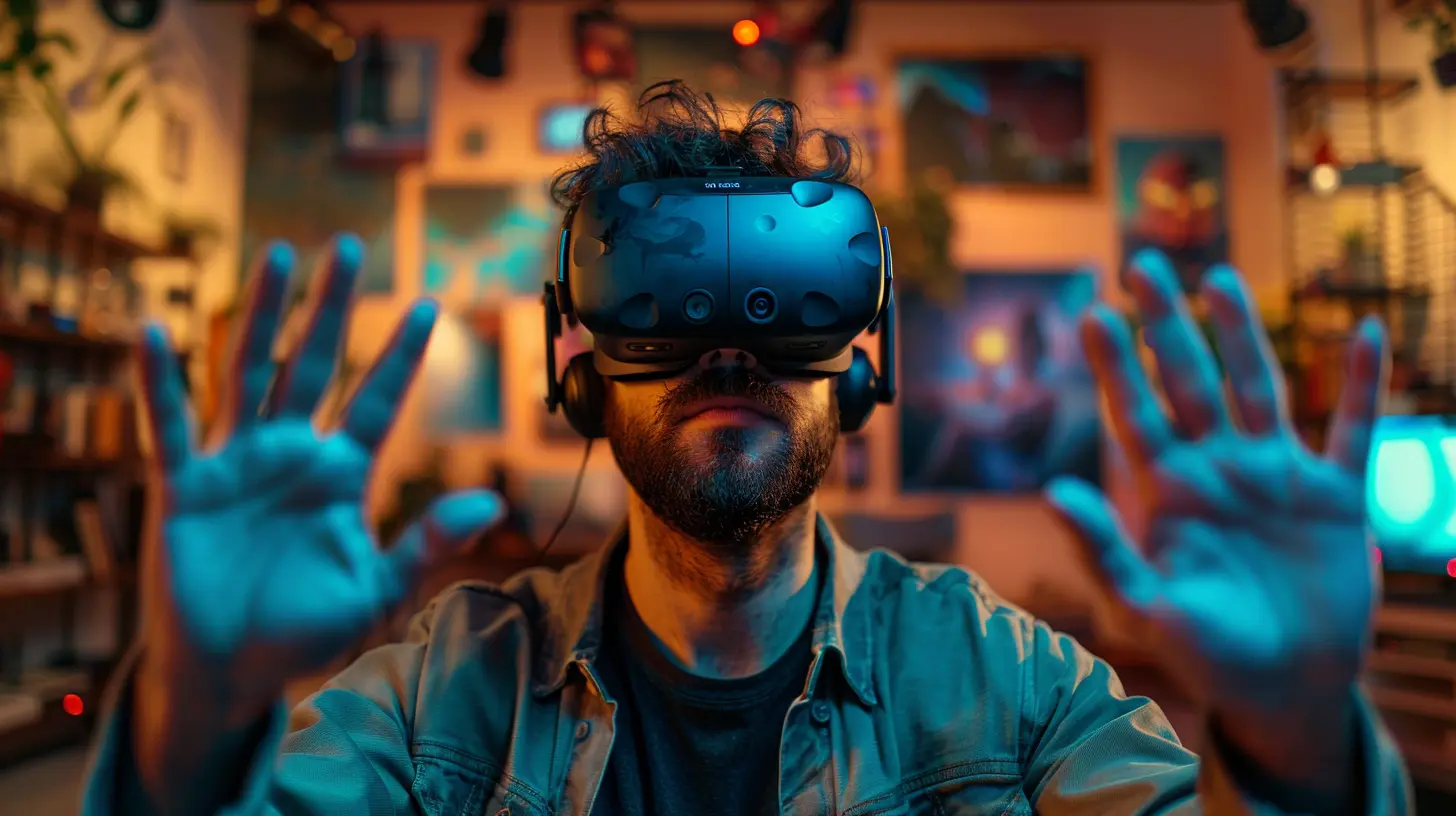
The Magic of Virtual Reality
Imagine stepping into a game world so immersive that it feels like you’re actually there. Not just watching it on a screen, but turning your head to see shifting landscapes, reaching out to interact with objects, and physically ducking enemy attacks. That's the magic of VR.VR gaming isn’t just a new way to play—it’s a whole new dimension of creativity. And that’s exactly what indie developers are hungry for.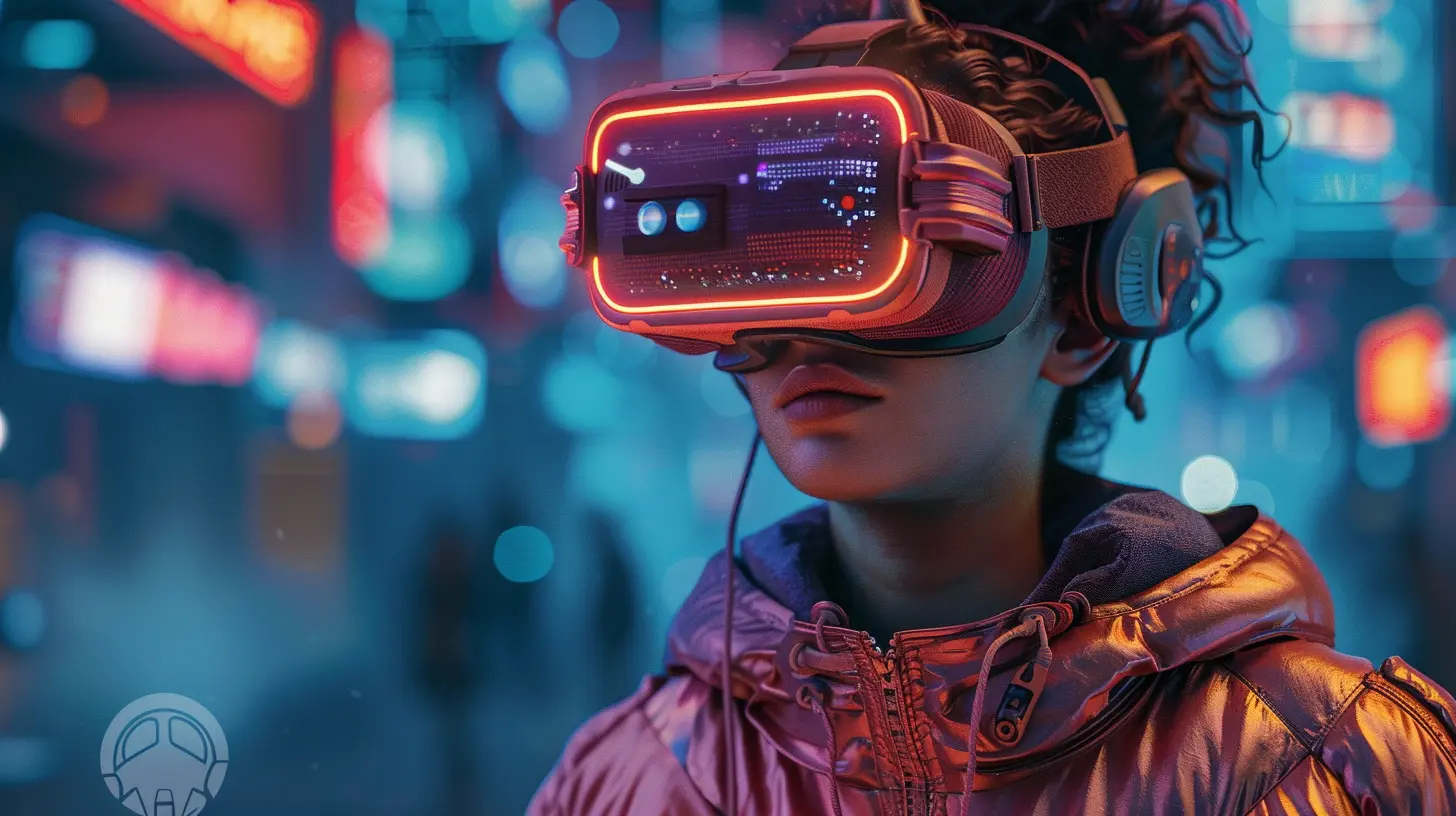
Indie Developers Thrive on Innovation
Here’s the thing about indie devs: they love to push the boundaries. Unlike massive studios burdened by investors and legacy franchises, indie teams have the freedom to experiment. VR is like a fresh canvas, just waiting for those wild, out-of-the-box ideas.Want to create a game where you whisper spells into a microphone to summon monsters? Or maybe a cozy VR tea party simulator where you adjust your tea’s sweetness by motioning how much sugar you want? Indie devs don’t just dream about these things—they actually build them.
VR is the ultimate playground for innovation, and indie developers are the first ones running onto the field.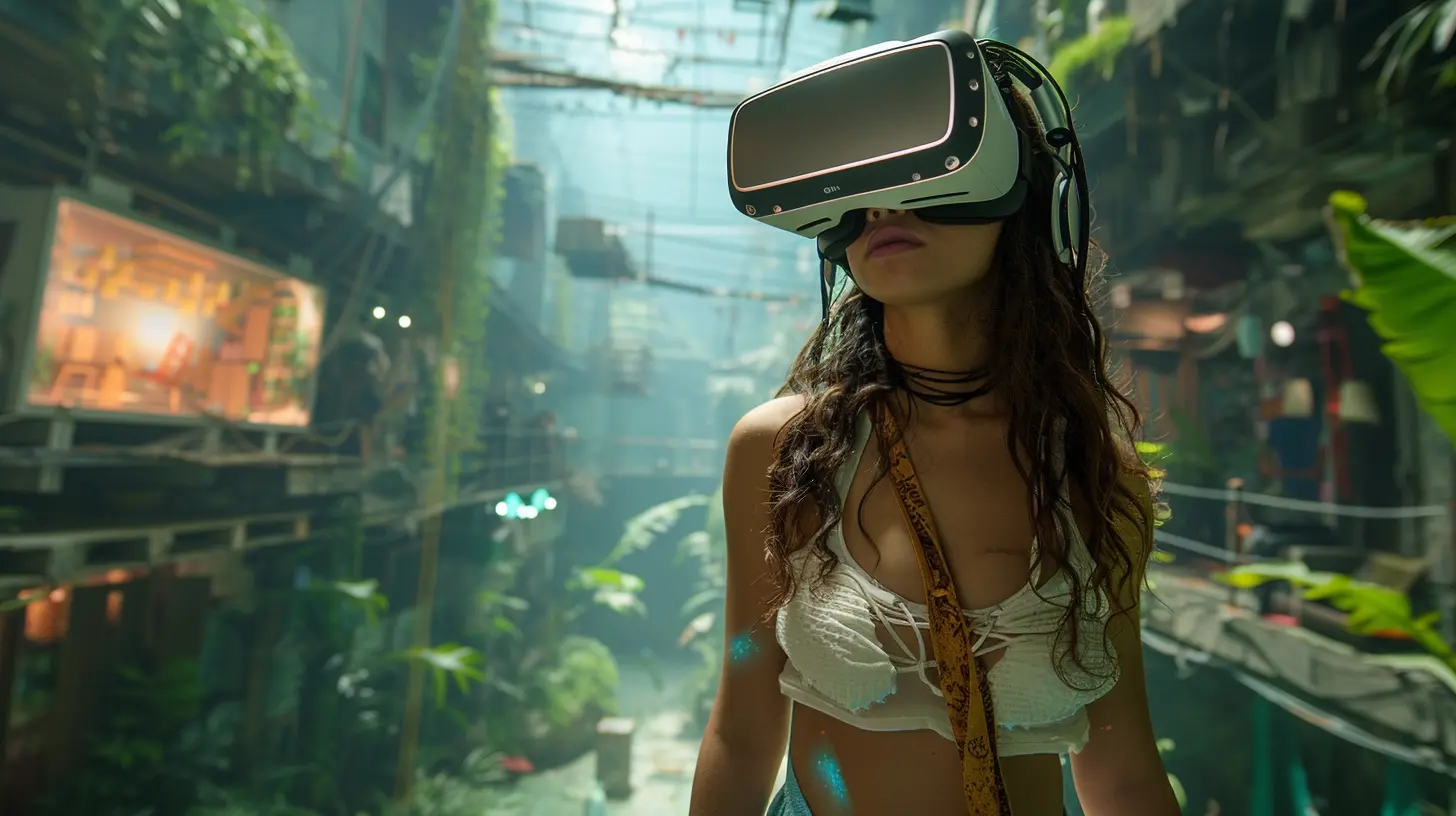
Lower Barriers to Entry Than You’d Think
Not long ago, developing a VR game felt a bit like trying to build a spaceship in your garage—complicated, expensive, and kind of crazy. But that’s changed. Thanks to more accessible development kits like Unity and Unreal Engine, and VR hardware becoming more affordable (we’re looking at you, Meta Quest), the playing field is more level than ever.Indie developers can now prototype and test VR experiences without needing to break the bank or have a PhD in physics. The tools are there, the resources are plentiful, and the doors to VR are wide open.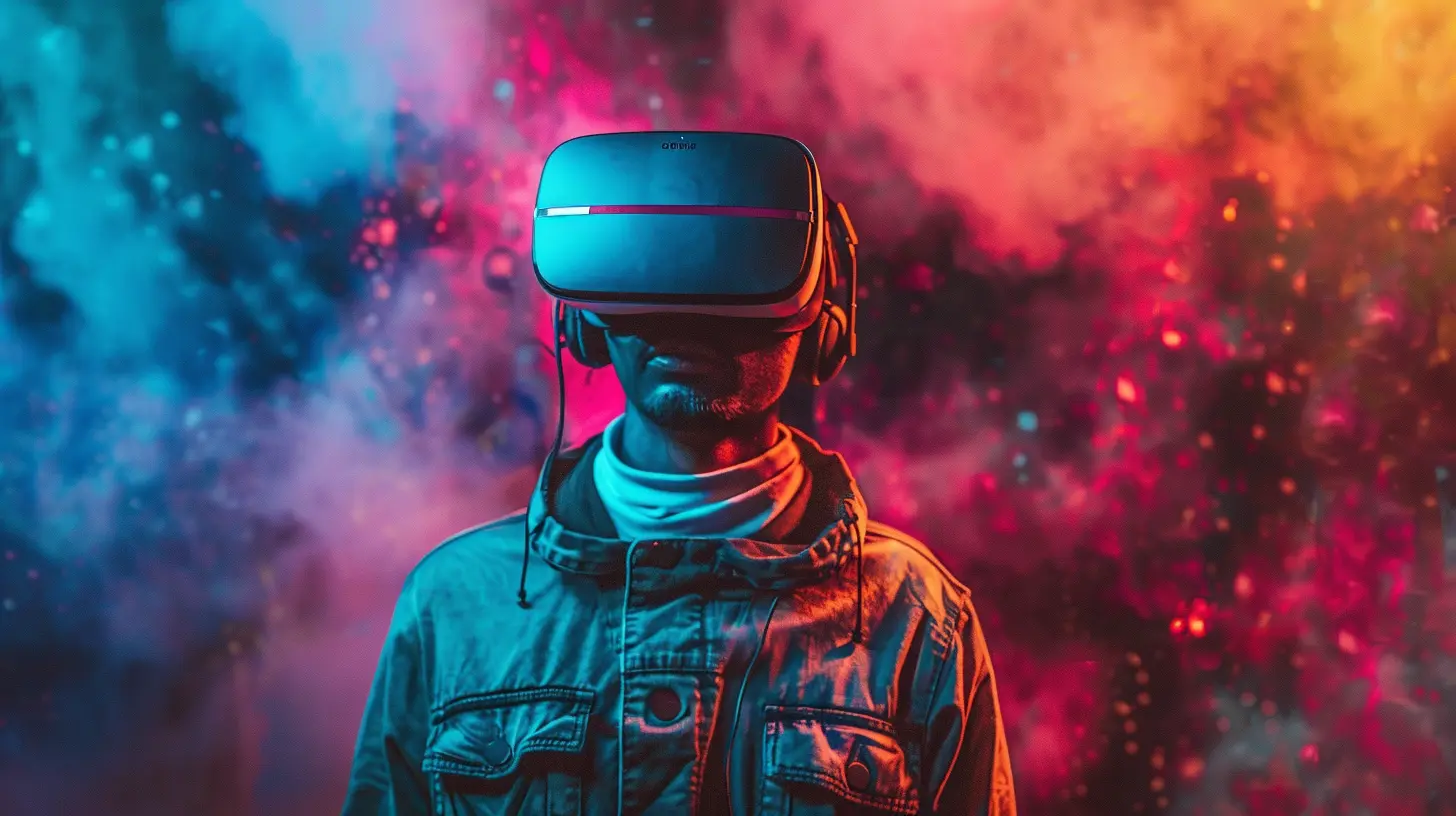
Crowdfunding and Community Support
VR games often stand out on crowdfunding platforms. Why? Because they're new, they're exciting, and they promise a totally different gaming adventure. Backers love fresh concepts, and VR is still in that magical “new frontier” phase.Platforms like Kickstarter and Patreon help indie devs tap into enthusiastic VR communities eager to support the next big thing. It’s not just about raising money—it’s about building a tribe that believes in your vision.
Less Competition, More Visibility
Let’s be honest—getting your indie game noticed in the traditional PC or mobile market is like trying to shout in a crowded stadium. There’s a flood of games released every week, and it's tough to stand out.But in the VR space? It's still relatively niche. That means less competition and a better chance for your game to catch the spotlight. Indie games that might go unnoticed on Steam’s front page can become flagship titles in the VR store.
For developers who put their heart and soul into a project, that visibility can make all the difference.
Immersive Storytelling: A Writer’s Dream
If you’re an indie dev with a passion for storytelling, VR is your best friend. It offers a whole new narrative toolkit. You’re no longer telling a story to the player—you’re telling a story around them.Want your player to feel lost in a haunted forest? In VR, they’ll literally shiver as shadows move around them. Want them to feel the heartbreak of a character’s goodbye? Let them stand right there in the room as it happens.
The emotional impact of VR storytelling is off the charts. It can create empathy, connection, even goosebumps—and isn’t that the dream of every game writer?
Social VR: Communities Building Experiences Together
One unexpected side of VR is its potential for connection. Multiplayer VR experiences, especially in indie games, are fostering tight-knit communities that play, build, and grow together.Take a look at games like "Rec Room" or "VRChat", where friends meet from across the globe not just to play, but to hang out. Indie games in this space can be more than games—they can be social hubs.
For indie devs, that’s huge. You’re not just making a product; you’re creating a space where people feel seen, heard, and connected.
Big Studios Are Watching—and Taking Notes
Here’s something super encouraging: big studios have started paying attention to what indie devs are doing in VR. Why? Because indie developers are taking risks, being bold, and showing what’s truly possible with this tech.From clever gameplay mechanics to jaw-dropping world-building, indie games are often where the real action happens. And the industry is noticing. That means partnerships, publishing deals, and maybe even acquisitions—opportunities for small teams to hit the big time.
Freedom to Build Dream Worlds
Let’s not gloss over the biggest reason indie devs are loving VR: They get to build their dream worlds.No executive notes. No corporate box-checking. Just the joy of designing experiences they genuinely care about. Whether it’s a meditative walk through ancient ruins, a neon-lit robot dance party, or a surreal journey through a dreamscape—VR gives indie devs the tools to bring their most imaginative ideas to life.
And gamers? We get to go along for the ride.
VR Isn’t Just the Future—It’s the Now
Some people still think of VR as a “maybe someday” kind of thing. But indie devs? They know it’s already here. The headsets are selling, the user base is growing, and the demand for fresh VR content is skyrocketing.Waiting around for things to “mature” isn't really the indie style. They prefer to dive in, make stuff, break stuff, and figure it out as they go. That fearless spirit? It’s what’s driving VR forward faster than anyone expected.
Tools and Tech Are Friendlier Than Ever
A few years back, trying to animate a VR character or design spatial audio was a nightmare. Now? There are drag-and-drop tools, open-source libraries, and YouTube tutorials galore.Platforms like Unity have VR toolkits that simplify development, while hardware manufacturers provide detailed SDKs (Software Development Kits) to help developers get started. The learning curve is getting smaller, and the support is getting bigger.
If you’ve got the will, the tools are there to help you make magic happen.
Monetization Is Looking Up
Let’s talk money. Yes, passion fuels indie devs—but keeping the lights on is pretty important too. Thankfully, VR games tend to command higher price points than your average mobile title. VR players are often willing to pay more for a unique, immersive experience.Subscription models, in-game purchases, and even enterprise applications (think VR training simulators) give indie devs multiple avenues to succeed financially.
And with platforms like Oculus Store and SteamVR continuing to grow, there's a solid path to profitability.
The Indie Heartbeat: Passion That Powers an Industry
At the end of the day, indie developers choose VR because it speaks to who they are. Dreamers. Builders. Storytellers. Rebels.VR isn’t just a platform—it’s a movement. A movement driven by the same indie heartbeat that brought us iconic titles like Undertale, Hollow Knight, and Celeste. It’s the next big frontier, and the indie community is leading the charge with creativity, courage, and a whole lot of heart.
So next time you strap on your headset and step into a brand-new virtual world, take a moment to appreciate the minds behind it. Chances are, it wasn’t a giant studio—it was a small, scrappy team who believed in the impossible.
And that? That’s the real magic of indie VR.
Final Thoughts
The future of VR isn't just in high-tech labs or multi-million-dollar studios. It’s in small apartments, co-working spaces, and kitchen tables where passionate indie devs are coding at 2 AM. They're bringing unique visions to life, piece by piece, pixel by pixel.Indie developers are embracing VR because it offers them what they crave most: freedom, creativity, and the chance to make something entirely original. And as they continue to shape the landscape of immersive gaming, one thing’s for sure—we’re all better off for it.
all images in this post were generated using AI tools
Category:
Vr TechnologyAuthor:

Tina Fisher
Discussion
rate this article
2 comments
Remington Banks
Great insights on indie developers and VR! It's exciting to see how creativity flourishes in this space.
June 19, 2026 at 3:20 AM
Tina Fisher
Thanks for the kind words! The creativity in the indie scene really brings fresh ideas to VR. Exciting times ahead!
Natalia Pope
Indie developers are drawn to VR due to its potential for innovation and unique storytelling. With lower barriers to entry and a growing audience, these creators can experiment freely. This shift not only enhances the VR landscape but also allows for diverse narratives that mainstream titles often overlook.
May 23, 2026 at 2:46 PM
Tina Fisher
You're spot on. Indie developers really do bring fresh ideas to VR, pushing creative boundaries that larger studios might miss. This diversity is essential for the medium's growth.