Why Game Studios Are Releasing Fewer Games With Bigger Impact
9 May 2026
If you’ve been gaming for a while, you might’ve noticed something peculiar in recent years—game studios aren’t churning out titles like they used to. Back in the day, there were fresh releases everywhere you turned. Now? Not so much. But don’t mistake that quietness for inactivity. In reality, something fascinating is unfolding in the industry. Studios are releasing fewer games… and yet, each one hits harder, lingers longer, and shakes up the gaming landscape in bigger ways.
So, what’s going on? Why are game studios intentionally slowing down the pace? Let's dig deep into the reasons behind this deliberate shift—and spoiler alert—it’s not a bad thing.
The Quality Over Quantity Revolution
Let’s face it: the gaming world used to be a bit of a rat race. Developers were under constant pressure to pump out sequels, spin-offs, and shovel-ware just to stay relevant. But as the industry matured, players started demanding more. More polish, more story, more depth.Bigger Expectations Call for Bigger Games
Today’s gamers aren’t just looking for a way to kill time. They want immersive experiences—worlds that feel alive, stories that rival blockbuster films, and gameplay that sticks with them long after the credits roll. To meet those expectations, game studios have had to shift gears.Massive worlds like those in The Witcher 3, Red Dead Redemption 2, or Elden Ring don’t happen overnight. These aren’t weekend projects. We’re talking years of development, hundreds of employees, and millions (sometimes billions) of dollars in investment.
The Rise of AAA and "Prestige" Releases
You’ve probably heard the term “AAA game” thrown around. These are the big dogs—a handful of games each year that dominate headlines and break sales records.But it's more than just budget. AAA now often means cinematic narratives, orchestra-backed soundtracks, motion-captured performances, ray-tracing graphics, and AI-powered enemies. It’s the gaming equivalent of a luxury vehicle—polished, premium, and pricey to produce.
Prestige Over Proliferation
Studios aren’t aiming for volume anymore. They’re chasing prestige. When a studio like Naughty Dog or Rockstar releases a game, it's an event. These games are crafted to leave a legacy, not just fill a quarterly report.It’s no longer about being the studio that made a game. It’s about being the studio that made the game of the year.
Crunch Culture And The Pushback
We can’t talk about game development without mentioning crunch—a word that makes any developer or gamer wince.For years, studios pushed their teams to the brink to meet tight deadlines. That meant long hours, endless coffee, and a lot of burnout. But as the industry grew up, people started calling it out.
Developers Are (Finally) Saying No
More studios are realizing they can’t keep burning out their top talent. They’re starting to value sustainability over speed, giving teams more time to breathe and create. The result? Fewer, but far better games.When you play a polished masterpiece now, you’re not just seeing code and graphics. You’re witnessing the result of a healthier work environment (hopefully) and a development cycle that wasn’t rushed.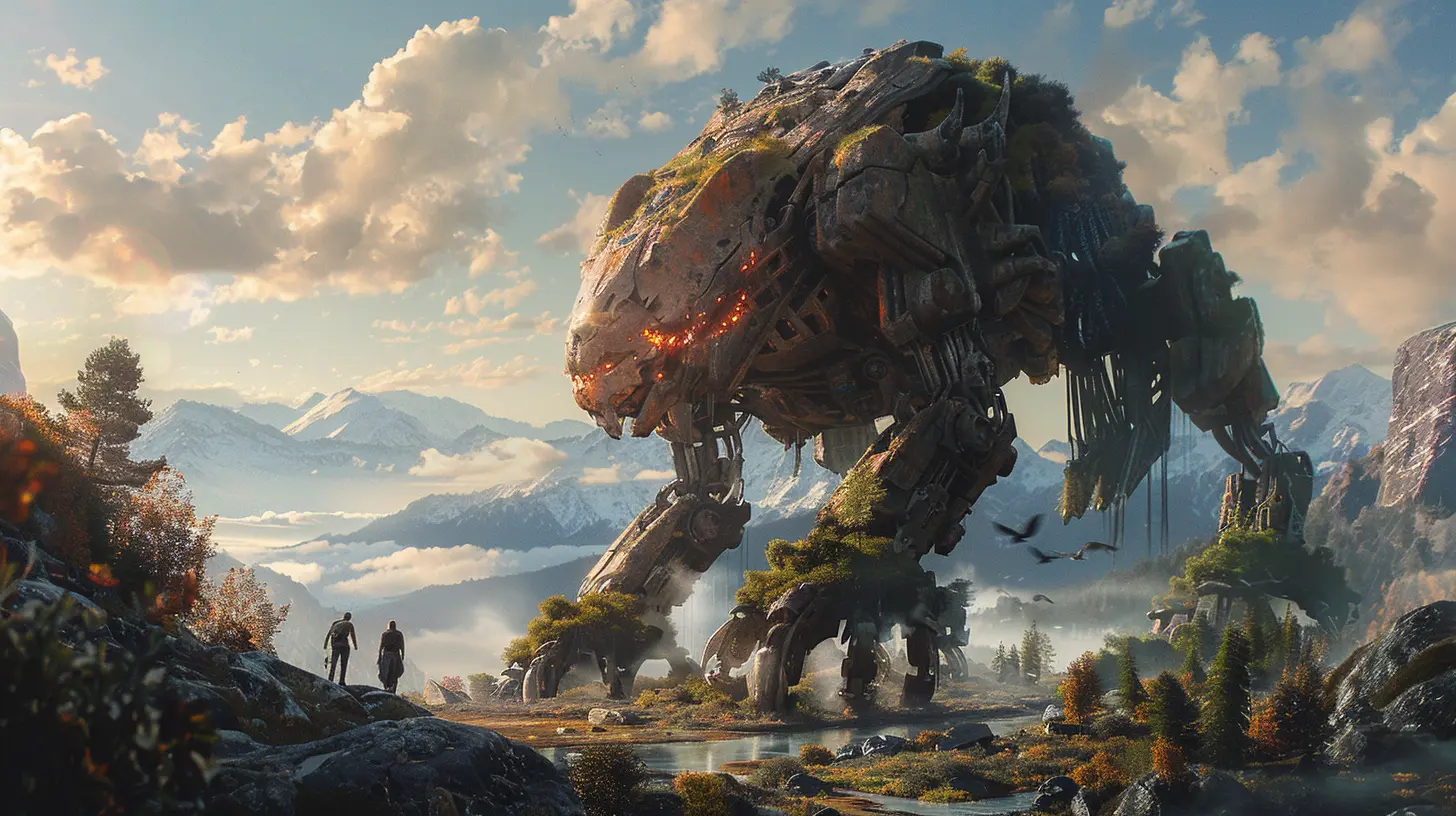
The Economics of Going Big
Let’s get real—game development is expensive. We’re not talking pizza-money here. Some games cost more than Hollywood blockbusters. Take Cyberpunk 2077, for example. It had a budget estimated at over $300 million. That’s Marvel-level money.The High-Stakes Game of Budgets
When that much cash is on the line, studios simply can’t afford to gamble on mediocre or rushed releases. It’s go big or go home.Sure, there’s risk. But there’s also massive reward. Just look at GTA V—not only is it one of the best-selling games ever, but it’s still earning Rockstar millions years after launch. That’s the kind of impact studios are aiming for—a cultural juggernaut, not a flash in the pan.
Games-as-a-Service: One Game, Endless Content
Another key reason for fewer releases is the rise of service-based games. Think about titles like Fortnite, Destiny 2, or Apex Legends. These aren't games you finish and forget. They're living, breathing platforms that evolve over time.Why Release New Games When One Can Last a Decade?
Instead of creating two or three similar games over several years, studios are pouring their energy into one evolving ecosystem. With regular updates, seasonal content, and live events, these games stay relevant—sometimes for years.It’s efficient, it keeps players engaged, and it reduces the need to constantly reinvent the wheel.
The Role of Technology and Complexity
Games today are way more complex than the pixel-jumping side-scrollers of the ‘90s. The tools, the coding, the engines—it’s all more powerful, and yes, more demanding.Gamers Want Realism, Not Repetition
Today’s tech allows for realistic water physics, dynamic weather, intelligent AI, and near-photorealistic graphics. But there’s a tradeoff—it takes a ton of time and expertise to get everything just right.Game studios are investing in this tech because players demand it. But that means slower development cycles. You can't crank out that level of realism every year and expect it to be top-tier.
Marketing Strategy: Making It Count
Here’s another angle to consider—when you release fewer games, each one gets the superstar treatment. And that’s exactly what studios want.Building Hype, One Trailer at a Time
Marketing budgets often rival development budgets. Studios invest heavily in trailers, teasers, influencer collabs, and cinematic showcases—not to mention the painstaking release schedules that build anticipation.If you only release one game every 3-5 years, you better believe it’s going to be a major event. That kind of hype just isn’t possible when cranking out annual releases.
IP Protection and Franchise Longevity
Think about your favorite game franchise. Would you rather have a new release every year that’s “meh” or a game every few years that blows your mind?Less Is More (When It Comes to Legacy)
By spacing out releases, studios protect their intellectual property from fatigue. Giving players time to miss a game makes the next entry feel special.Look at Zelda or God of War. These games don’t drop every year, and that’s partially why they're so beloved. They're not just games—they're events.
Player Engagement Has Changed
Gamers are evolving. We no longer just consume content—we dive deep into it. Strategies, lore theories, speedruns, mods… this rabbit hole runs deep.One Game, A Thousand Experiences
Rather than playing ten average games, gamers are spending hundreds of hours in one incredible world. Studios know this. It makes more sense to build a world players want to live in than to keep releasing games they’ll forget in a week.Indie Studios Fill In The Gaps
Now, while the big boys take their time, indie developers are having a field day. They’re agile, experimental, and pumping out some seriously innovative stuff.A Balanced Diet of Games
So while AAA studios move slower, the indie scene ensures players aren’t starving for content. It’s like the perfect balance—the cinematic masterpieces and the quirky hidden gems can coexist.Wrapping It All Up
So, why are game studios releasing fewer games with bigger impact? Because they’re playing the long game. They’re choosing depth over speed, quality over quantity, and legacy over virality.And as gamers? We're the ones who win. We get richer worlds, deeper stories, more unforgettable moments, and lifetimes of memories from single titles. Sure, the wait can be frustrating. But when that next masterpiece finally drops, all the time and effort becomes worth it.
Sometimes, less really is more.
all images in this post were generated using AI tools
Category:
Game TrendsAuthor:

Tina Fisher
Discussion
rate this article
2 comments
Shiloh Martin
It's fascinating to see how studios are betting on fewer, but more impactful releases. I wonder if this shift will change player expectations or how we experience gaming as a whole.
June 18, 2026 at 3:01 AM
Tina Fisher
Absolutely. This shift could reshape player expectations and drive us to focus more on quality over quantity. It might elevate the overall gaming experience.
Juliet Montgomery
Game studios are making fewer games because they are focused on quality over quantity. Big titles demand time and resources, and that's where the real impact lies. It's a risk worth taking.
May 9, 2026 at 4:38 AM
Tina Fisher
That's a valid point. Focusing on quality can lead to more memorable experiences, even if it means fewer releases. Quality often resonates more with players in the long run.