What Makes a VR Game Truly Replayable
12 August 2026
So, you just blew through another VR game in one weekend. You slayed zombies, solved puzzles, and maybe even rage-smacked a virtual wall or two. But now? You're standing there (well, maybe sitting — no judgment) in your headset with nothing but existential dread and motion controllers. The question pops up like a lag spike: “Was that it?”
We’ve all been there.
Some VR games are like microwave pizza — fun, fast, but not exactly gourmet. Play them once, and you’re good. But then there are those rare VR gems that you keep coming back to like a favorite hoodie or your go-to comfort YouTuber. Why? What is it that makes a VR game not just playable... but replayable?
Let’s dig deep (but not too deep — we’re not trying to find ancient mysteries here) into what makes a VR game truly replayable.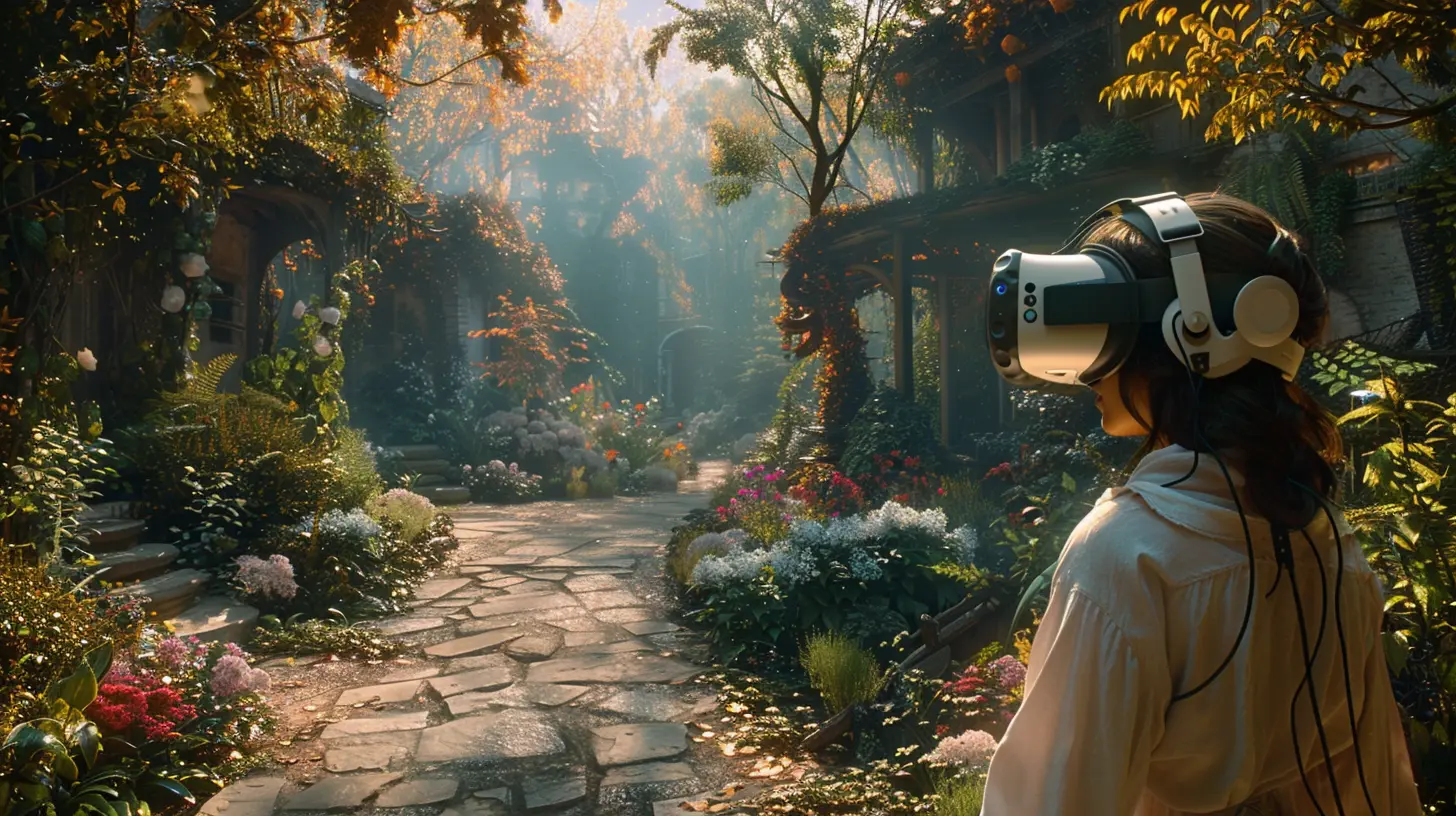
☝️ Interactivity That Feels Like Magic
Alright, think about the first time you picked up a mug in Half-Life: Alyx and just... held it. Maybe you chucked it across the room for no reason. Maybe you tried to drink out of it. Doesn’t matter. The point is, you did it just because you could.That’s the magic of VR — feeling like you’re actually inside the game. But here’s the kicker: not every VR game nails this. Some slap you into a 360 video and call it a day. Replayable VR games, on the other hand, give you interactive environments that feel real and responsive.
You want to poke stuff, toss objects, trigger chain reactions just by goofing around. Even something as simple as drawing on a whiteboard in-game or playing with a dog-shaped NPC makes you come back for more.
✅ Replayability Tip:
Games like Boneworks and Blade & Sorcery let you experiment and mess around in endless ways. It’s like giving a raccoon a box of LEGOs — chaos, creativity, and hours of fun.
? Gameplay That Doesn’t Get Stale
Imagine eating the same cereal every day. Even if it's the holy grail of breakfast (shout-out to Cinnamon Toast Crunch), you’re eventually going to want something... different.Replayable VR games mix things up. That could mean multiple game modes, randomly generated levels, or enemies that don’t just run at you like headless chickens every time.
You want variety. You want each playthrough to surprise you a little — maybe slap you with a plot twist, or throw you into a new environment that has you ducking and diving like you’re in The Matrix.
✅ Replayability Tip:
Look for procedural generation, adaptive AI, or even just a sandbox mode. Games like The Walking Dead: Saints & Sinners give you choices that actually matter, which means your second playthrough can feel way different from your first.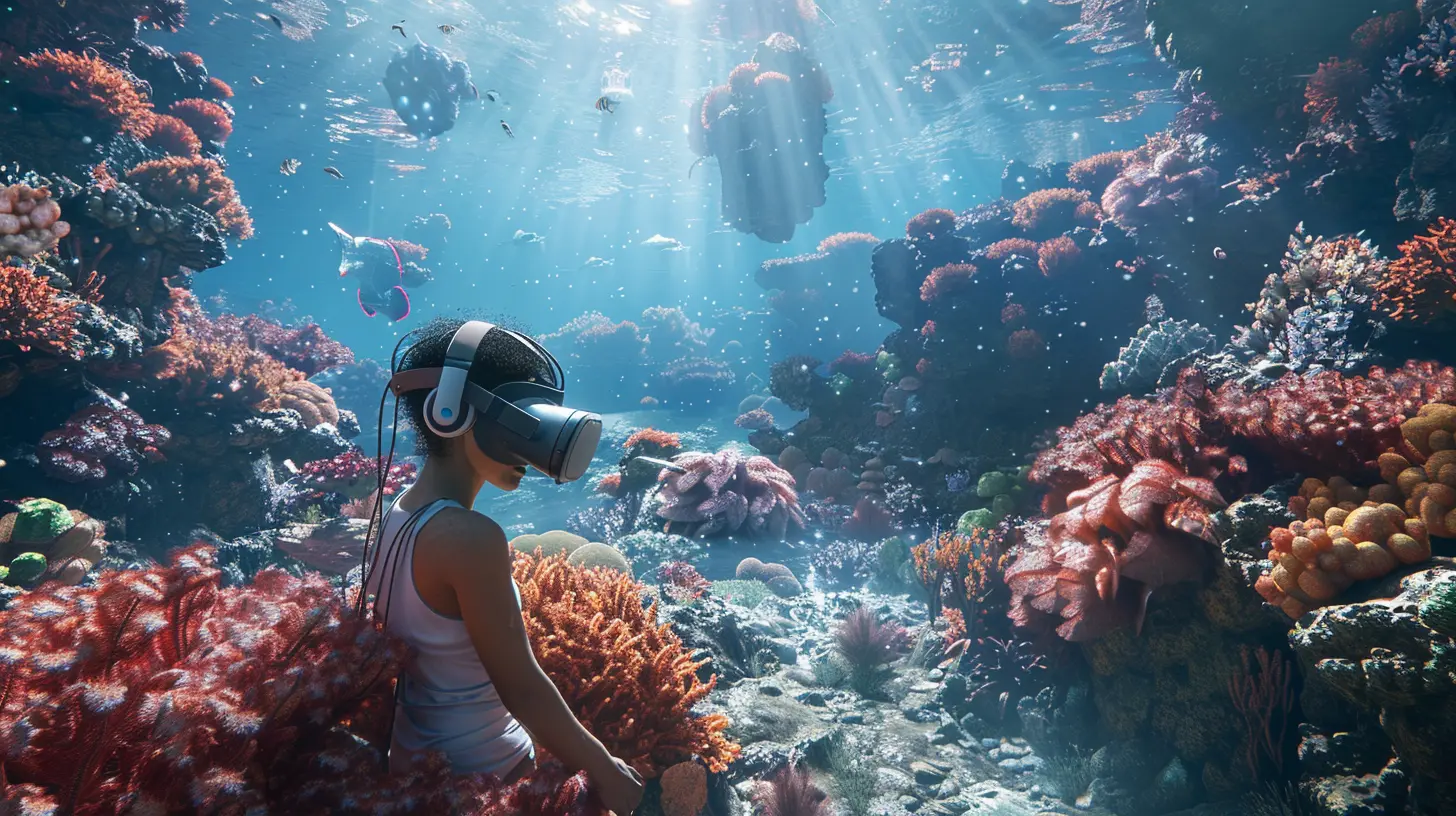
? The “One More Try” Syndrome
Ever find yourself standing in your living room at 2 a.m., sweating buckets, whispering, “Just one more try”?Yeah, that.
That’s the secret sauce of replayability. Whether it’s trying to beat your own high score, finish that level without screaming, or finally mastering the weird hand-flap-jump in Gorilla Tag, the best VR games make you obsessed with getting better.
It’s like scratching a mental itch. Even when you fail, you’re not mad — you just want to go again. That’s when you know you’re hooked.
✅ Replayability Tip:
Games that reward skill, have leaderboards, or provide unlockables based on performance keep you coming back. (Pistol Whip, anyone?)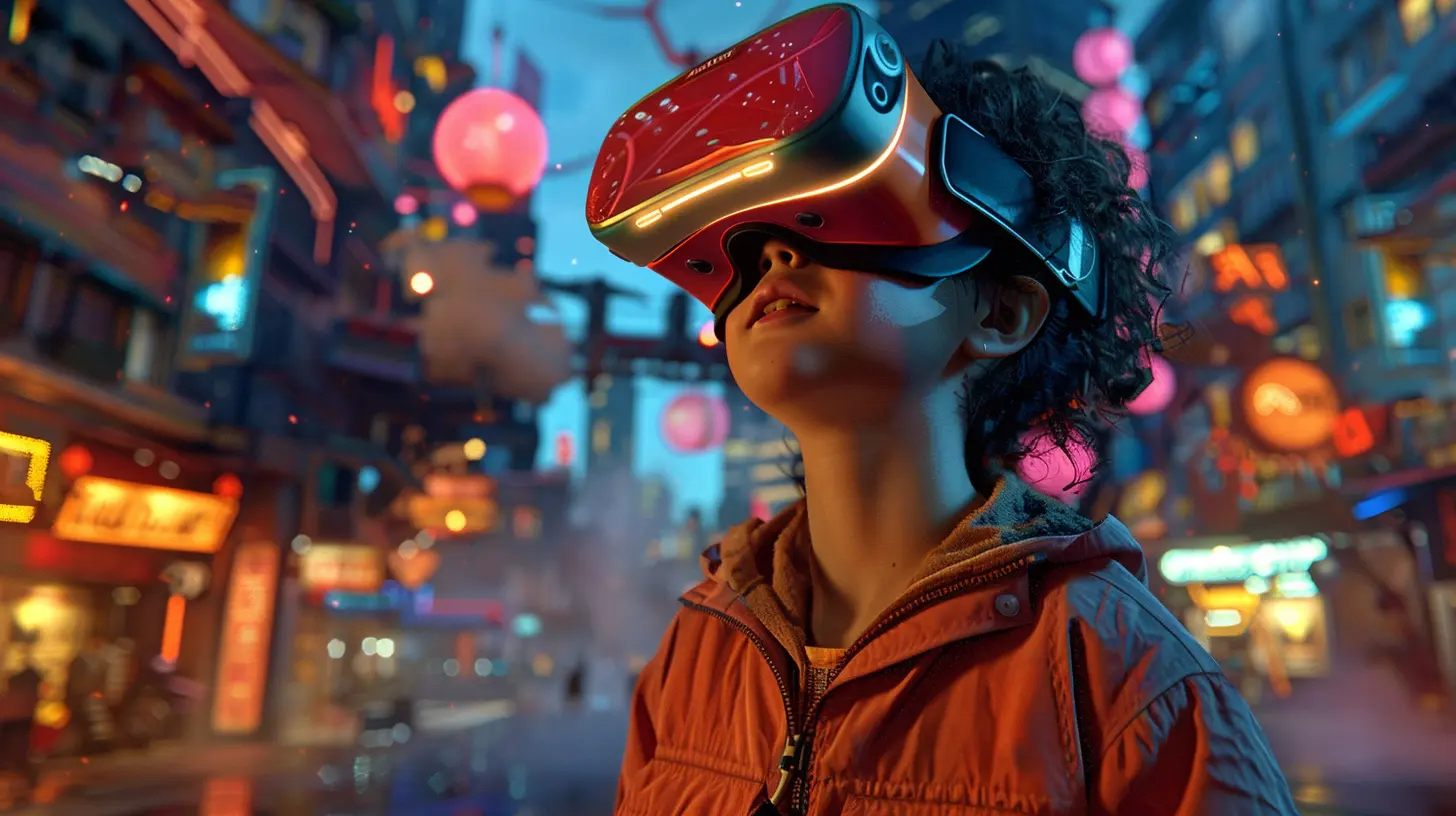
? Mods and Community Content (aka The VR Lifeline)
Let me tell you a secret: modders are wizards. Full stop. They take an already cool game and inject it with new life — like Frankenstein’s monster, but with lightsabers and anime skins.Games like Beat Saber and Blade & Sorcery survive (and thrive) on community mods. One week you're slicing blocks to Billie Eilish, the next you're dismembering enemies with a cursed frying pan. The creativity is endless.
VR games that embrace modding or have strong communities turn into playgrounds you can keep revisiting forever. They're never really “finished.” There's always something new to try.
✅ Replayability Tip:
Before buying a VR game, see if it supports mods or has a strong player community. If the subreddit is popping and the devs are chill, you’ve found yourself a digital gold mine.? Freedom of Playstyle (You Do You)
Okay, very important: No one likes being micromanaged, especially by a game.Replayable VR games won’t box you into one playstyle. They’ll give you freedom. Wanna be stealthy? Fine. Wanna dual-wield frying pans and storm the gates like a maniac? Absolutely. VR shines brightest when it lets you problem-solve your way.
Games like Contractors VR, Skyrim VR (with mods, obviously), or even Population: ONE give you the space to play your way. That freedom makes every run feel fresh.
✅ Replayability Tip:
Look for games with multiple weapons, tactics, or story paths. Basically, if it lets you be chaotic neutral on a Tuesday and a pacifist monk on Friday, you’re set.? Multiplayer Madness
Let’s be real — VR is better with friends. Or enemies. Or soon-to-be frenemies in a brutal battle royale.Multiplayer makes everything unpredictable, because humans are chaotic creatures. One moment you're teaming up to defeat a boss, the next you're screaming because Steve accidentally summoned a demon by pushing the wrong lever.
Games like VRChat, Rec Room, and Pavlov VR offer endless opportunities for shenanigans — and that's the magic. They’re not games in the traditional sense. They're platforms for shared experiences, weird roleplay, and endless hilarity.
Let’s not overlook the power of social VR. A game where you’re just hanging with your friends in a virtual pub throwing darts and talking nonsense? Yeah, that’s peak replayability.
✅ Replayability Tip:
Multiplayer games or games with co-op options greatly extend lifespan. Bonus points if they have mini-games, regular updates, or seasonal events.? Exploration With Actual Reward
Anyone remember wandering Skyrim for hours just to find... a cabbage? (No hate to cabbage, though. It’s crunchy.)A great VR game makes exploration worth it. Maybe it’s secret areas, hidden loot, easter eggs, or solving environmental mysteries. Exploration should feel like you're unwrapping a surprise gift every time.
And in VR? That experience is dialed up to 11. You're not just looking around — you’re physically moving, peeking behind doors, climbing ledges, and freaking out when something jumps at you.
✅ Replayability Tip:
Look for open worlds, hidden collectibles, buildable elements (like crafting), or sandbox-style exploration. Visual storytelling also helps — reward the players who snoop!? Developer Support & Updates
Nothing kills replayability faster than a dead game. You know it, I know it, the VR gods know it.Continual developer support tells you a game’s still being nurtured. New maps? Absolutely. Bug fixes? Of course. Halloween event where every enemy is a giant pumpkin with knives? Yes, please.
Games like No Man’s Sky VR have shown insane growth thanks to motivated devs. A once “meh” game is now a full-blown cosmic playground thanks to regular updates.
✅ Replayability Tip:
Check the update logs. If the devs are pushing content regularly and talking with the community, that game’s probably got legs.? The Fun, The Funny, The Absurd
Let’s get serious about fun. And by serious, I mean not serious at all.Some VR games are just dumb fun in the best way — like Job Simulator making you throw donuts at your boss or Surgeon Simulator VR turning surgery into a comedy of errors.
These games are replayable because they don’t take themselves too seriously. They let you blow off steam, goof around, and create your own fun. No two sessions are the same when you bring the chaos.
✅ Replayability Tip:
When in doubt, embrace the games that make you belly-laugh. If it has slapstick physics, absurd scenarios, or “what just happened!?” moments — it's golden.? So, What’s the Secret Recipe?
If we had to cook up the ultimate Replayable VR Game Pie (yes, that’s a thing now), here’s what it would need:- A sprinkle of randomness (procedural stuff, different outcomes)
- A scoop of interactivity (touch, grab, break, toss — do it all)
- Dashes of humor and absurdity
- A whole lot of freedom (choose your own chaotic path)
- Toppings: Community mods, multiplayer, dev updates
Mix it all together, serve it hot with a side of “one more try,” and bam — you’ve got a VR game that keeps calling you back long after the credits roll.
Final Thoughts: Keep It Weird, Keep It Wild
Replayable VR games don’t rely on length — they thrive on depth. Sure, a 60-hour campaign is nice, but if I can throw a banana at an alien’s head and get a new reaction every time, I’m sold.The best VR games don’t just let you play. They invite you to come back, mess things up, try new stuff, and create your own stories. That’s real replayability, my friend.
So, next time you're scrolling through the VR store wondering what to hop into next, ask yourself: “Will I still be laughing, sweating, or raging in this world after the third (or thirtieth) run?” If the answer’s yes — strap in (literally) and get ready for the long haul.
all images in this post were generated using AI tools
Category:
Vr TechnologyAuthor:

Tina Fisher