The Role of Haptic Feedback in Enhancing VR Gameplay
28 July 2026
Virtual reality has come a long way from just being a novelty at tech conventions. These days, it’s a fully-fledged gaming platform that’s breaking boundaries in immersion. But what really bridges the gap between the digital space and our physical world? One word: haptics.
If you’ve ever flinched because something in a VR game hit your virtual hand, or felt your weapon recoil when you fired it, you’ve already had a taste of what haptic feedback can do. So let’s peel back the headset and dive into the fascinating role of haptic feedback in enhancing VR gameplay.

What Is Haptic Feedback Anyway?
Alright, before diving deeper, let's get one thing straight: what the heck is haptic feedback?Haptic feedback is any form of communication involving touch. It’s like tech’s way of giving us a virtual pat on the back—or a punch in the gut, depending on the situation.
In gaming, haptic feedback usually comes in the form of vibrations or force signals. Think of the rumble you feel when your controller shakes during an explosion or impact—that’s haptics in action. In VR, it takes that up a notch… or ten.
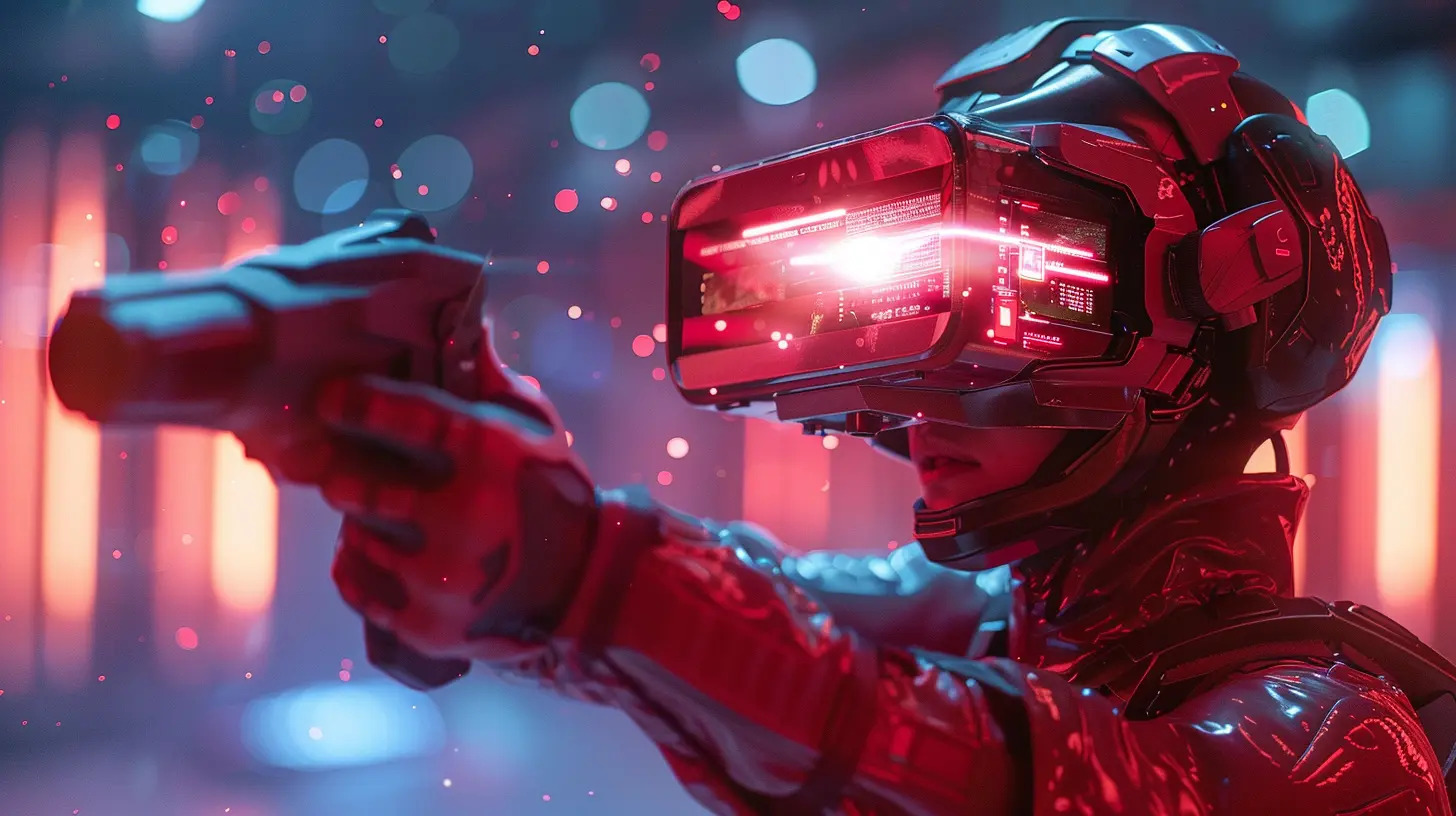
Why Touch Matters in VR
Let’s be honest—VR is already pretty wild. You put on a headset, and boom, you're in another world. But without touch? It’s still mostly a visual and audio experience.Imagine trying to catch a ball in VR. You see it coming. You hear it whoosh. But then—nothing. No thud in your hand. Wouldn’t that feel… weird?
That’s where haptic feedback swoops in to save the day. It fills that missing piece in the sensory puzzle.
Making the Virtual Feel Real
Think about this: in a horror game, your controller suddenly gives a low, creepy rumble as something sneaks up behind you. Goosebumps, right?Now imagine wearing haptic gloves. You reach out to grab a textured wall or the rough bark of a tree—and you actually feel those textures. That’s not just next-level immersion; that’s a whole new level of reality.
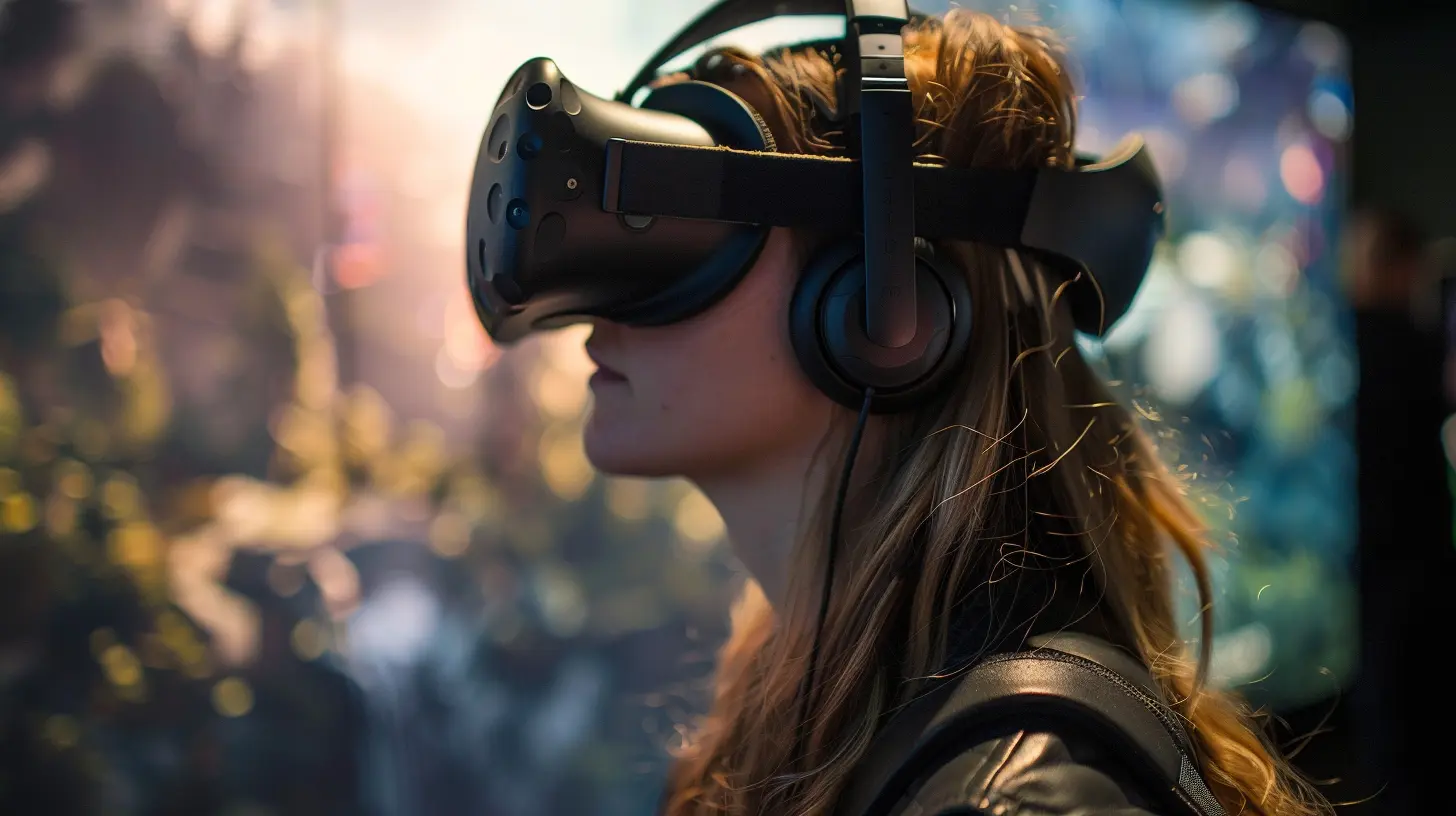
Different Types of Haptic Devices in VR
Haptics isn’t a one-size-fits-all kind of deal. Let’s break it down:1. Haptic Gloves
Ever wanted to feel like Iron Man? Haptic gloves are getting us pretty close. These gloves can simulate the sensation of touching, holding, or interacting with objects. You can feel the tension of a bowstring or the resistance when pushing a button. It’s surprisingly convincing.2. VR Controllers With Haptics
Most headsets come with controllers that include basic haptic feedback. They can simulate firing guns, swinging swords, or even the tiny tap of connecting puzzle pieces. While not as advanced as gloves, they’re a great middle-ground solution.3. Haptic Suits
Yes, full-body haptic suits exist, and they’re as sci-fi as it sounds. These suits create vibrations or sensations across your body. Got shot in a game? You’ll feel the impact. Took damage from an explosion? Your chest might rumble. It’s equal parts awesome and unnerving.4. Treadmills and Exoskeletons
For serious VR fans, there are even treadmills or motorized platforms that work with haptics. Imagine walking, running, or crouching and feeling every step translated into the virtual world. The level of realism? Off. The. Charts.
The Psychology of Immersion
Here’s a fun fact: our brains are suckers for multisensory input. The more senses being stimulated simultaneously, the more “believable” an experience becomes.Haptic feedback hits that sweet spot where immersion becomes total. It tricks your brain into accepting the virtual world as real—at least for a little while. When you see, hear, and feel something, your brain stops questioning whether it’s fake.
Emotional Impact
Think about the emotional punch haptics packs. In a VR story game, a gentle vibration during a touching scene can make you tear up. During a brutal boss fight, intense feedback can spike your adrenaline.It doesn’t just make the game more fun—it makes it more emotional, more intense, and way more memorable.
Popular VR Games That Nail Haptics
Let’s look at a few games that are setting the bar for haptic feedback:1. Half-Life: Alyx
This game is the gold standard for VR right now. The way the haptics translate reloading, firing, and even rummaging through drawers? It’s top-tier stuff.2. Beat Saber
Simple concept, but brilliant execution. You feel every slice of the lightsaber through that rhythmic, satisfying pulse in the controllers. It’s music and motion in perfect harmony.3. The Walking Dead: Saints & Sinners
Yeah, it’s as intense as it sounds. The haptics when you're pushing zombies away or swinging melee weapons is both terrifying and incredible. It’s survival horror, but you FEEL the survival part.4. Iron Man VR
Ever wanted to be Tony Stark? This game puts you in the suit—literally. With haptic feedback simulating the flight thrusters and impacts, it’s about as close as you can get without actually being a billionaire genius.
Challenges in Haptic Feedback
Okay, so haptics is amazing, but it's not all sunshine and rainbows. There are still some big challenges:Cost
High-quality haptics gear isn’t cheap. Full-body suits or even advanced gloves can cost hundreds (or thousands) of dollars. Not everyone can afford that just to feel a pixelated fish slap them.Realism Limitations
We’re not quite at “Ready Player One” levels yet. Simulating complex sensations—like temperature, pressure, or pain—is still in progress and often falls short.Development Constraints
Game developers need to code haptic responses into their games, which means more time, more testing, and more expenses. Not all games take full advantage of haptics, and that’s a shame.The Future of Haptics in VR
Here’s the exciting part. Haptics is evolving fast. Like, warp-speed fast.We’re seeing research into materials that can change texture or shape on demand—imagine gloves that can mimic softness or hardness in real-time. Crazy, right?
Here’s what the future might look like:
- Ultra-light haptics: Devices that are almost weightless yet powerful.
- AI-enhanced tactile response: Where machine learning predicts and enhances your haptic experience based on your behavior.
- Thermal feedback: Being able to feel hot or cold environments in VR.
- Smell integration: Yep, “smell-o-vision” but way cooler—and probably more immersive for horror games (or cooking sims?).
Why Should Gamers Care?
If you love gaming, you know that immersion is king. Haptics makes moments more intense, more engaging, and more real. It gives you that extra layer of connection that you didn’t even know you needed until you try it.And as haptics becomes more common, it won’t just be a gimmick—it’ll be a must-have, just like high refresh rates or surround sound.
Final Thoughts
The role of haptic feedback in enhancing VR gameplay isn't just about feeling a few random vibrations. It’s about creating a deeper, more believable world where your body and mind both say, “Yeah, this is real.”We’re only scratching the surface of what’s possible. And if this is the start, imagine where we’ll be in five or ten years. Whether you’re a casual player or a die-hard VR warrior, haptics is going to transform your digital adventures in ways you never expected.
So next time your controller buzzes or your gloves push back slightly, just remember—you’re not just playing a game. You’re living it.
all images in this post were generated using AI tools
Category:
Vr TechnologyAuthor:

Tina Fisher