The Rise of VR Arcades and What It Means for Gaming
8 July 2026
Remember when going to the arcade meant feeding quarters into a machine just to beat your buddy’s high score in Street Fighter? Those were the days. Fast forward to now, and arcades are pulling a full-on comeback—but this time, they're stepping into the future. Yup, we're talking about VR arcades. And no, this isn't some sci-fi fever dream. It’s real, it’s booming, and it’s re-shaping the gaming landscape like never before.
So, what’s the deal with VR arcades? Why are they suddenly popping up in shopping malls, city centers, and entertainment complexes? And most importantly—what does this mean for gamers like you and me? Let’s dive deep into this exciting virtual world and break it all down.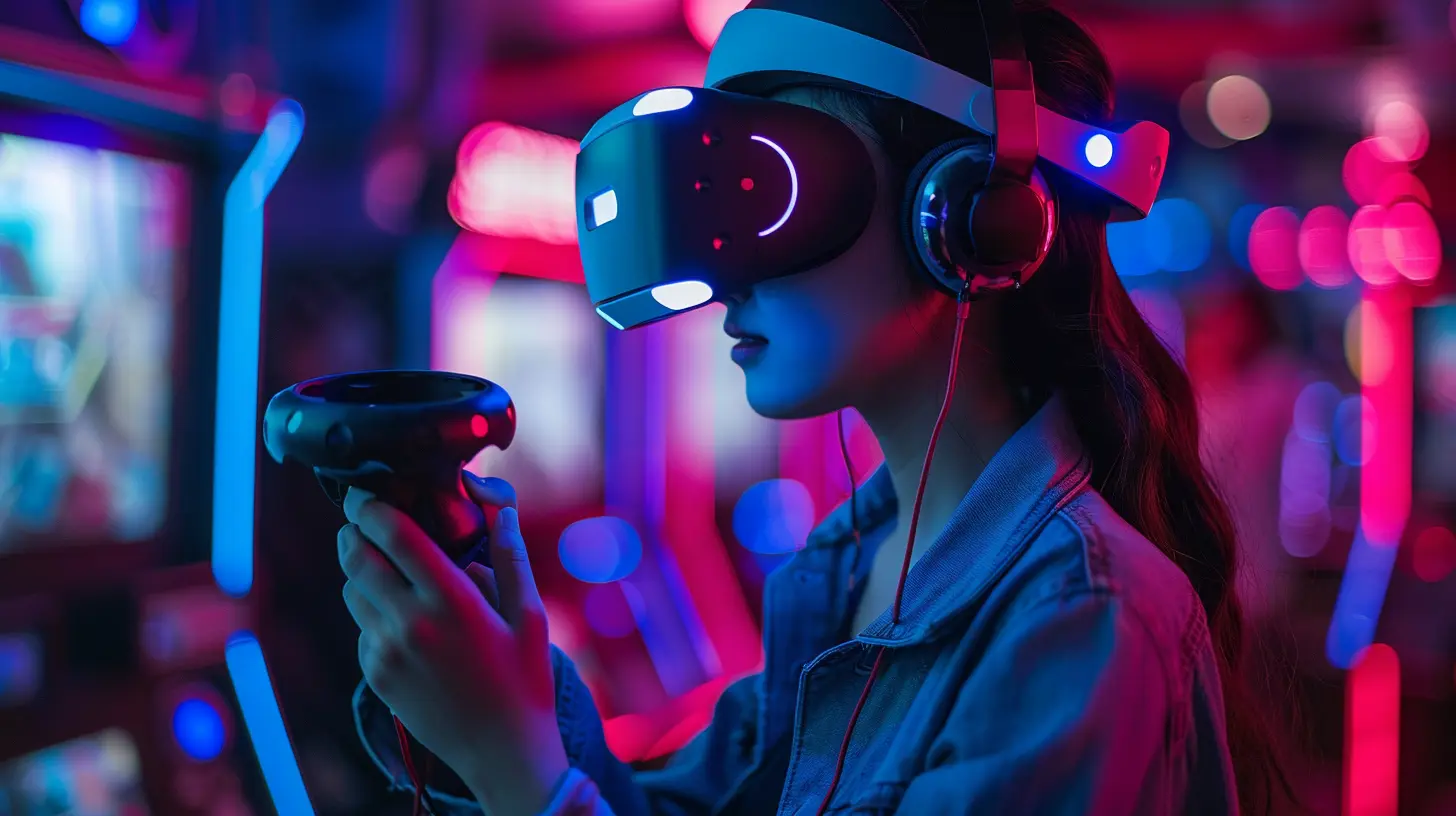
What Exactly Is a VR Arcade?
Alright, before we get ahead of ourselves, let’s start with the basics.A VR arcade is just like the old-school arcades we remember—but instead of pinball or Dance Dance Revolution, you step into a headset and enter a completely immersive virtual universe. You’re not just playing the game—you’re inside it. Whether you’re zombie-slaying, lightsaber-swinging, or escaping from alien dungeons, VR arcades give you a chance to live out the wildest gaming fantasies in a way that's just not possible on your sofa.
Some setups are solo, others are full-scale multiplayer experiences where you and your friends can team up or battle it out within the same space. Sounds like something out of Ready Player One, huh?
Why VR Arcades Are Gaining Momentum
So, what’s fuelling this new wave of gaming experiences? A few key reasons:1. High Cost of Home VR Setups
Let’s be real: owning a complete VR setup at home isn’t cheap. Between the headset, high-powered PC, sensors, and space requirements, it’s a big investment. Plus, not everyone has a spare room to turn into their own personal holodeck.VR arcades remove that barrier. You get all the bells and whistles without spending thousands or rearranging your furniture.
2. Social Gaming Is Back
Over the last decade, gaming’s become more digital and a little less social. Sure, we’ve got online multiplayer, but it’s not the same as sharing a physical space with friends, high-fiving after a win, or laughing when someone falls (safely) trying to shoot lasers.VR arcades revive that sense of community. They're becoming the new hangout spots—kind of like when bowling alleys or pool halls were the Friday night go-to.
3. Immersive Experiences Sell
Simply put, VR is mind-blowing. When done right, it’s not just a game—it’s an experience. Whether it's saving the world or walking on Mars, these experiences are so enthralling, they almost feel like magic. And who doesn’t want a bit of magic in their life?
Types of VR Arcade Games People Are Loving
You might be wondering, what can you actually play at one of these places? A lot, actually.- First-Person Shooters: Like stepping into Call of Duty, only now you're ducking behind real cover.
- Escape Rooms: Solve puzzles in a haunted mansion or spaceship with your friends, all in pitch-perfect 3D.
- Rhythm-Based Games: Think Beat Saber, but on steroids, and maybe with fog machines and party lights.
- Sports Simulations: Ever wanted to box like a champ or feel what it's like to race a Formula-1 car? Now you can, safely.
- Adventure Quests: Become a wizard, fight dragons, solve mysteries. Basically, live your RPG dreams.
The variety is wild, and new experiences are being released all the time.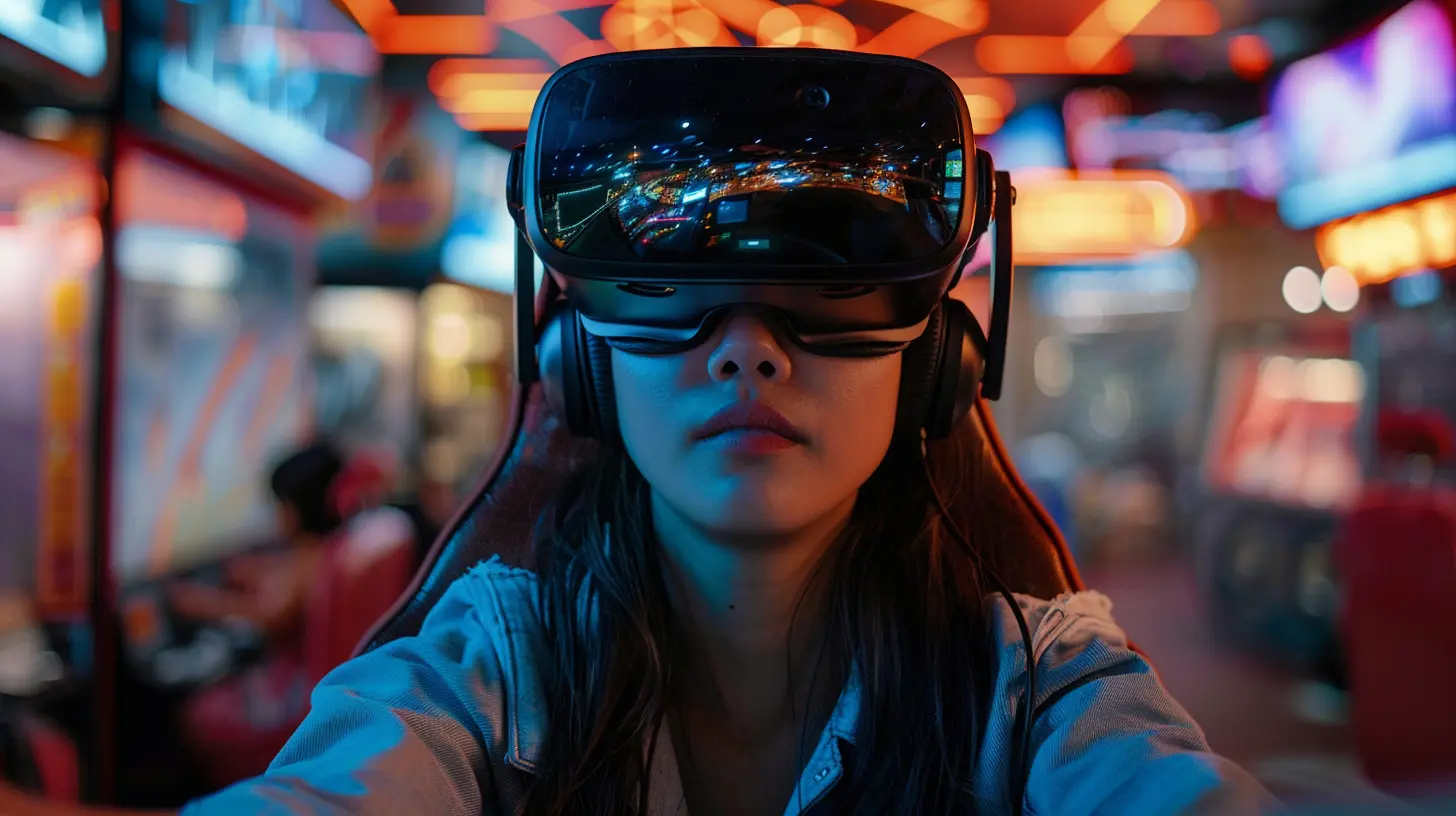
How VR Arcades Are Changing the Gaming Industry
Here’s where it gets interesting. VR arcades aren’t just changing where we play—they're changing how we play and who is playing.1. Opening Gaming to Everyone
Not all gamers have a console or the latest PC at home. VR arcades break down that wall. Whether you’re a hardcore gamer, a casual dabbler, or someone who’s never touched a controller before, these places welcome all.Plus, they’re a hit with all age groups—kids celebrate birthdays there, teenagers hang out after school, adults go after work for fun stress relief.
2. Creating Jobs and Boosting Local Economies
Every new VR arcade is a small economic ecosystem. You need tech staff, support crew, game designers, marketers, and more. This is creating job opportunities while giving neighborhoods a cool new attraction that gets people out and about.3. Blending Gaming With Physical Movement
Let’s face it—traditional gaming can sometimes be a little... sedentary. VR arcades are changing that. You’re moving, dodging, crouching, swinging—basically getting a workout while having a blast. It's like tricking your brain into exercising because it thinks you're saving the planet.Challenges VR Arcades Are Facing
It’s not all fun and games (literally). VR arcades have a few hurdles to jump.1. Keeping Up With Tech
VR tech evolves fast. What’s cutting-edge today might be outdated in six months. Maintaining state-of-the-art gear and software is expensive and time-consuming.2. Health and Safety
With all that movement in smaller spaces, there's a risk of motion sickness or accidents. Operators need to train staff properly and design safe play zones.3. COVID-19 and Hygiene Concerns
Let’s not forget—we're still living in a world where sharing headgear kind of freaks people out. Hygiene protocols need to be rock-solid to keep visitors feeling safe and coming back.The Future of VR Arcades
So, what’s next for these futuristic playgrounds?1. Integration With AR and Mixed Reality
We’re already seeing hybrid experiences that blur the line between Virtual and Augmented Reality. It's only a matter of time before you’re able to mix both in a single visit.Imagine battling dragons in VR where parts of the dragon seem to burst into the real room you’re standing in. Mind. Blown.
2. Esports Expansion
Esports isn’t just for mouse-and-keyboard anymore. VR-based competitive leagues are starting to emerge. VR arcades could become hubs for local tournaments, giving rise to a new breed of VR athletes.3. More Custom-Built Spaces
In the future, we might see entire buildings purpose-built for VR—with multi-room adventures, interactive physical elements, and even haptic suits that let you “feel” the game. Think escape room meets theme park, but all in digital realms.Why Gamers Should Care
Alright, you might be thinking, “This all sounds cool, but I already have a great setup at home. Why should I care?”Well, because VR arcades offer something home setups can’t: shared immersion. It’s about connecting with other people in live, physical spaces—to laugh together, scream together, and celebrate victories together. They're not here to replace home gaming—they’re here to enhance it.
Plus, as the industry grows, it’s opening new doors for developers. If you're a content creator, game dev, or streamer, the VR arcade boom means more platforms, more opportunities, and more ways to get your work seen.
How to Prepare for Your First VR Arcade Visit
Curious to try it out? Here are a few tips to make your first experience awesome:- Book in advance – These places get busy, especially on weekends.
- Wear comfy clothes – You’ll be moving a lot. Treat it like a workout.
- Go with friends – The more, the merrier.
- Don’t stress about skill – Most VR games are super intuitive.
- Have fun! – It’s unlike anything you’ve done before.
Wrapping It Up
The rise of VR arcades isn’t just a fad—it’s part of a much bigger, cultural shift in how we interact with games and each other. As technology gets more immersive, the lines between reality and game worlds are going to blur even more.These arcades are opening up new realms of possibility, not just for gamers but for developers, businesses, and communities. Whether you're a lifelong gamer or just VR-curious, stepping into a VR arcade is like taking a peek into the future—and trust me, it’s a future worth experiencing.
So, next time someone invites you to a VR arcade? Say yes. You’re not just playing a game—you’re stepping into a whole new universe.
all images in this post were generated using AI tools
Category:
Vr TechnologyAuthor:

Tina Fisher