The Rise of Virtual Game Influencers and Avatars
3 August 2026
If someone had told you a few years ago that digital characters with no heartbeat would start amassing millions of fans, brand deals, and even make more money than some real-life influencers — you’d probably think they were joking, right? But here we are, living in an age where virtual game influencers and avatars are more than just trendy — they’re legitimately changing the game. From Twitch streams to TikTok dances, from fashion collabs to AAA game appearances, these digital personas are shaping the future of entertainment and social media in a big way.
What Exactly Are Virtual Game Influencers and Avatars?
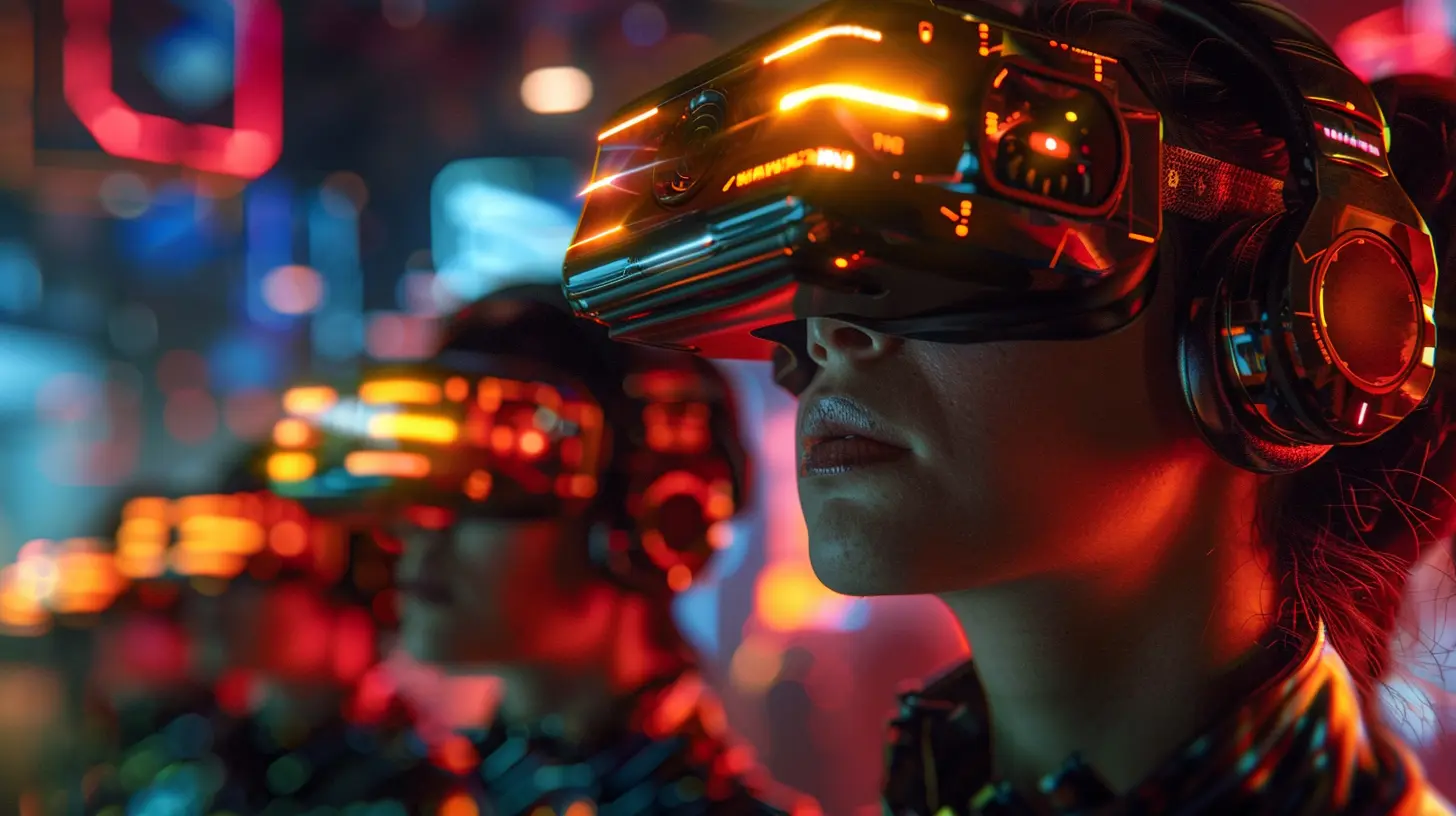
Let’s break it down: virtual influencers are computer-generated characters designed to look, act, and behave like real people. They have personalities, social media accounts, backstories, and even a sense of humor (although that depends on who’s coding them). Think of them as the digital cousins of V-Tubers, NPCs, or even your own video game avatar — now living in our social feeds.Some are 100% AI-driven, while others are controlled by humans behind the scenes. And then there's the mix of both, where AI handles the chit-chat and someone else controls the overall storyline. On the other hand, avatars in gaming serve as digital representations of players — but the line is getting blurred when these avatars start gaining fame on their own.
Remember Lil Miquela? She’s one of the OGs of virtual influencers. Not a gamer per se, but definitely opened the floodgate for what was possible in the virtual realm. Now imagine similar personas taking over the gaming world — that’s where things get really interesting.
Why Are They So Popular All of a Sudden?
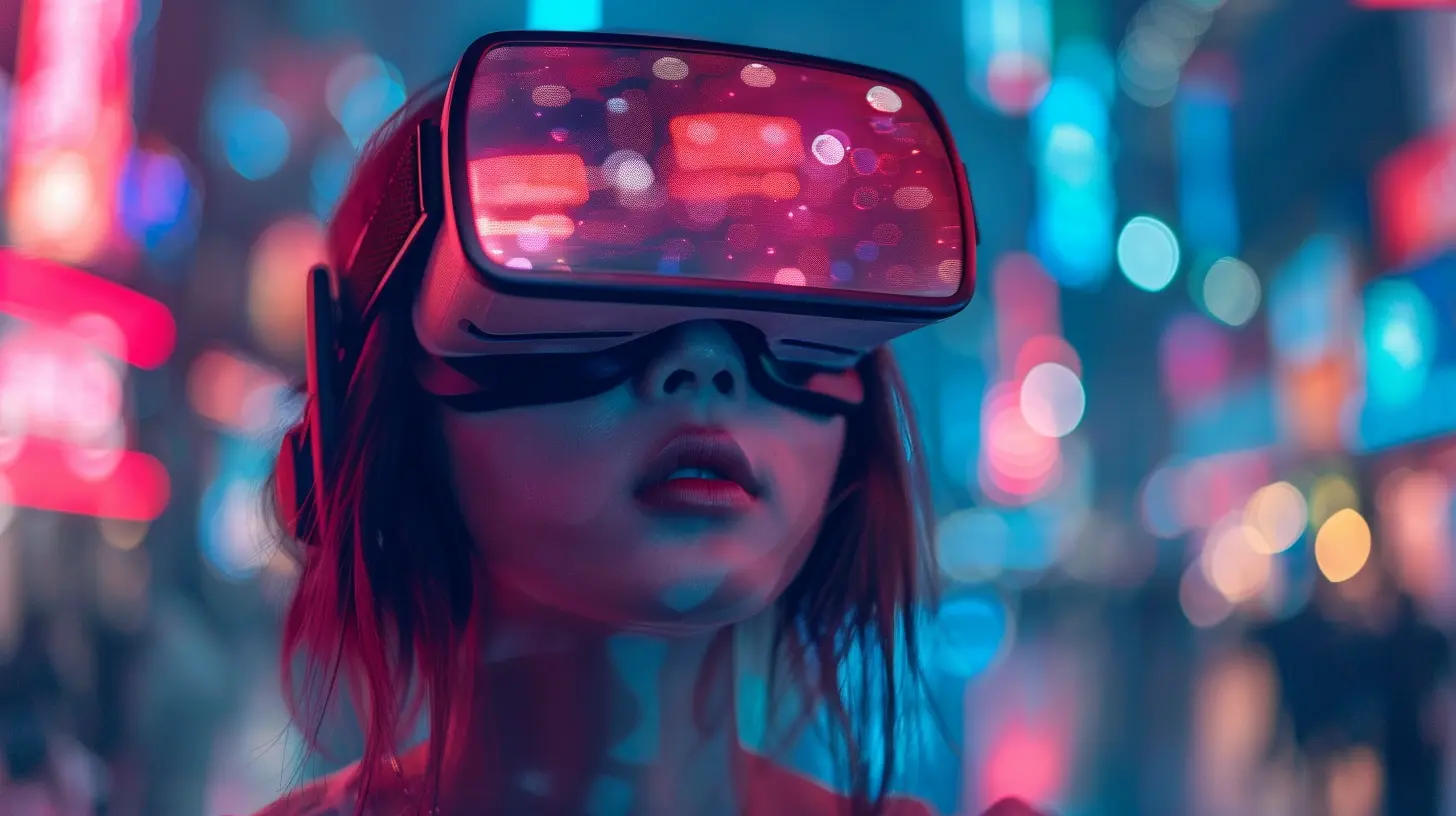
So what’s triggering this surge in popularity? There are a few solid reasons:1. They Never Get Tired or Cancelled
Let’s face it. Real-life influencers come with, well... real-life drama. Virtual influencers don’t sleep, don’t need bathroom breaks, and don’t get caught in scandals (unless their creators script one in for drama). Brands love that kind of control. It's like having a reliable employee who’ll never call in sick or post something controversial at 3 AM.2. The Line Between Gaming and Reality is Blurring
Thanks to VR, AR, and the metaverse buzz, the gap between the digital and physical world is shrinking faster than you can say "loading screen." People are spending more time in digital spaces, customizing avatars, and even attending live concerts inside games (remember Travis Scott’s event in Fortnite? Yeah, that was wild).3. Social Media Loves Novelty
Let’s be cool — the internet is a flashy place. Anything new, weird, or visually aesthetic grabs attention. A 3D model with snappy comebacks and sleek outfits? That’s internet gold. These avatars can meme, react, stream, and even flirt — just like real people.4. Generation Z and Alpha Get It
For younger generations raised on Minecraft, Roblox, and VRChat, the idea of hanging out with a digital avatar isn't bizarre — it’s normal. They don’t bat an eyelash when a virtual streamer like CodeMiko talks back to her viewers or when an AI plays FPS games better than they ever could.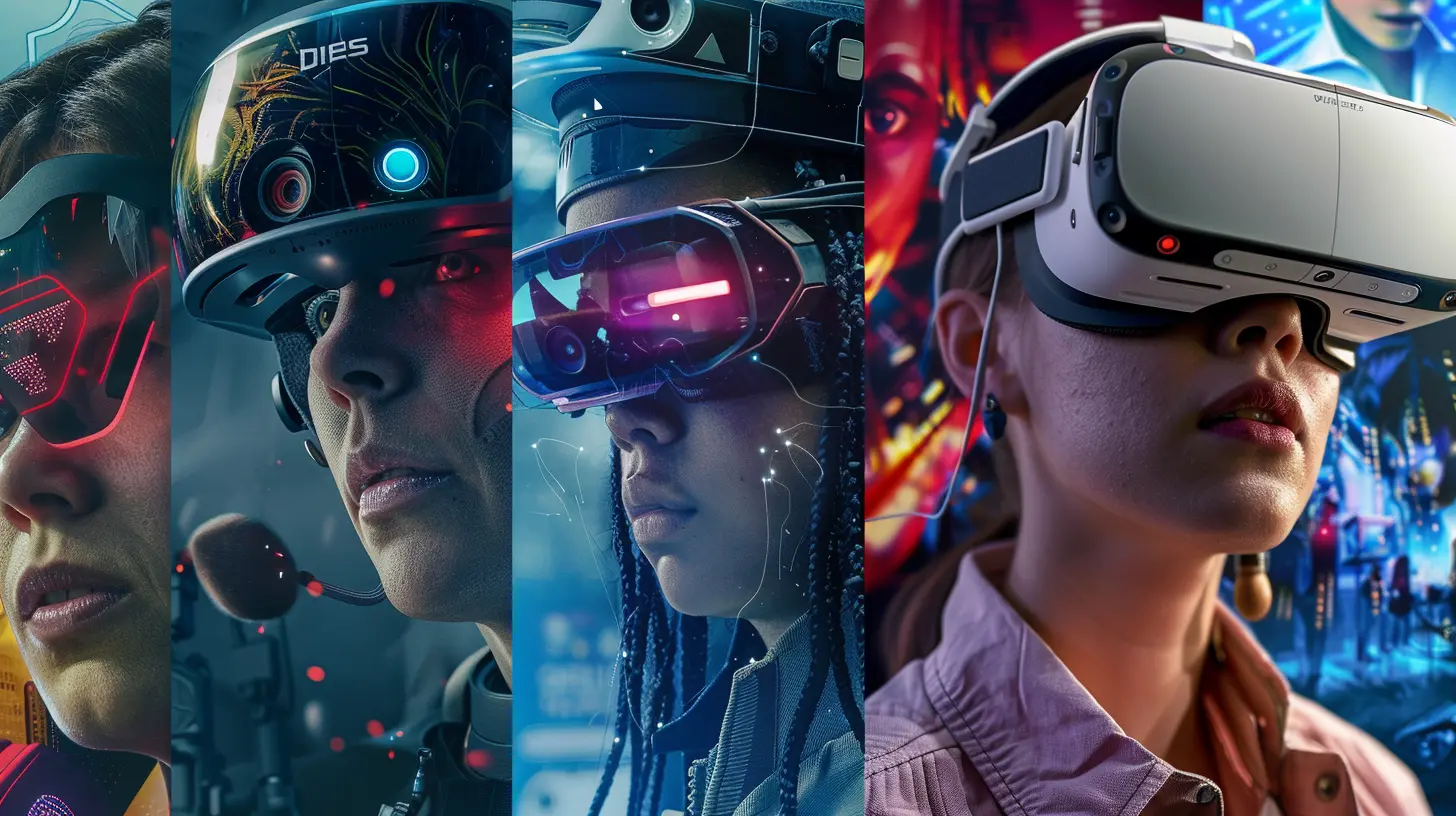
How Virtual Influencers Are Dominating the Gaming Space
The gaming industry has always been about avatars and characters. Mario, Lara Croft, Master Chief — they've long been the faces of franchises. But now, avatars are stepping out of video games and becoming full-blown personalities. How?1. Streaming and V-Tubers
This is probably the biggest area of growth. V-Tubers (short for Virtual YouTubers) use motion capture, facial tracking, and voice acting to bring their avatars to life during livestreams. And some are racking up millions of views.Take Kizuna AI, Project Melody, or Ironmouse — these creators have full-blown fanbases, merch lines, and live shows. Watching them play games is like watching a cartoon character you love — except it’s live, real-time, and interactive.
2. AI-Driven Game Guides or Hosts
Ever got stuck in a game and had to YouTube a walk-through? What if that guide was a charismatic, AI-generated avatar walking you through instead? Some brands are toying with this idea — mixing generative AI with game strategy to deliver fun, interactive help within the gaming universe itself.3. In-Game Influencer Collaborations
Games like Fortnite and PUBG are known for featuring skin collabs. But now developers are teaming up with virtual influencers for in-game events and campaigns. Imagine your favorite virtual influencer becoming a playable character or NPC with their own questline. That’s no longer fantasy — it’s happening.4. Cosplay, Fashion, and Real-World Crossover
Many virtual influencers do double-duty — they’re gamers, but also fashion icons. They promote streetwear, model in digital fashion weeks, and even release music. The crossover between gaming, music, and fashion is becoming seamless. These avatars don’t exist solely in one realm — they’re everywhere.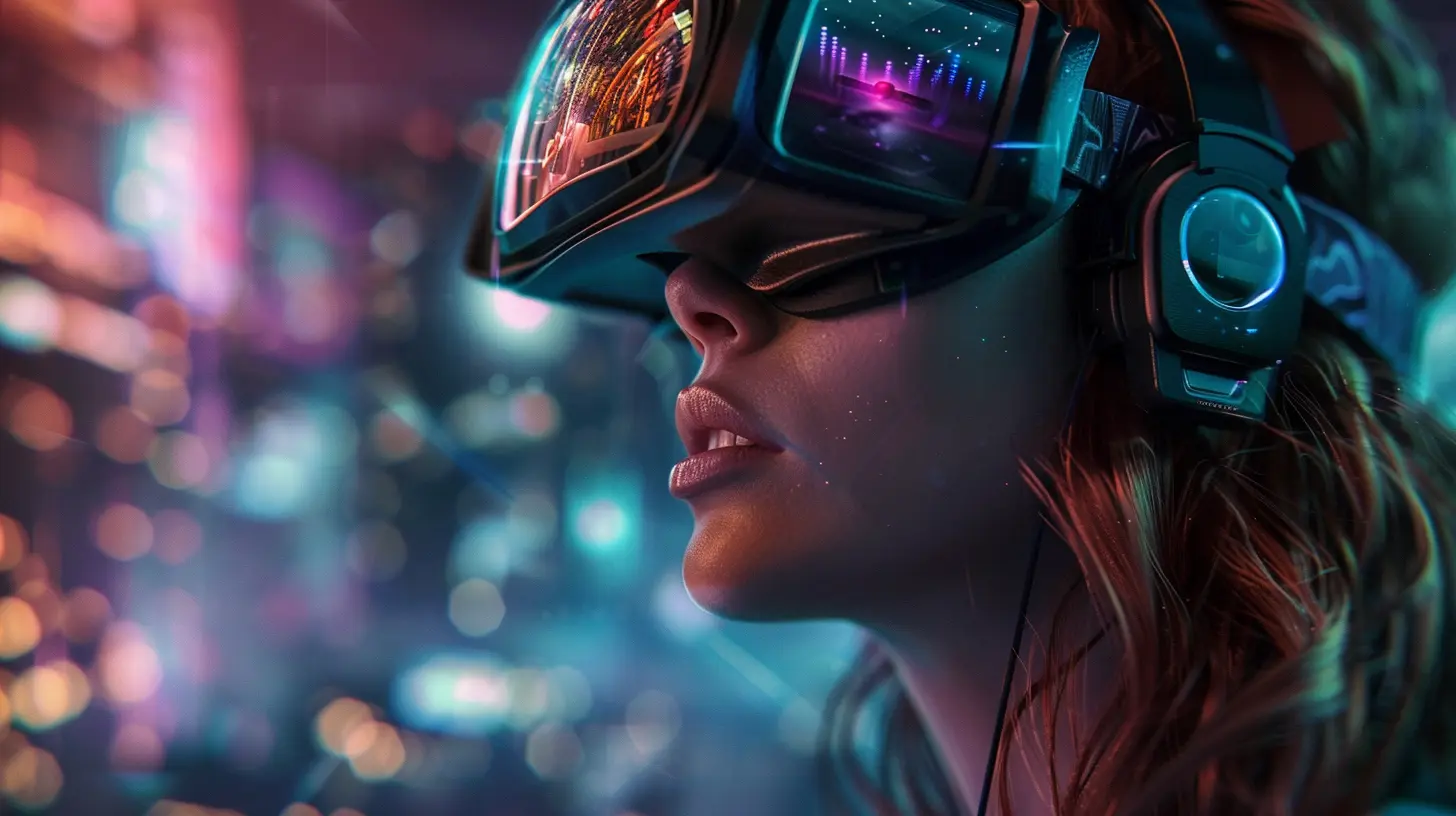
The Tech Behind the Magic
It's not just one single piece of tech making this all happen. It’s a mix of several cool technologies:- Motion Capture: Used to animate avatars based on real human movement — you move, they mimic.
- Facial Recognition and Tracking: Gives expressions to avatars that match the streamer’s real-time face.
- AI and NLP (Natural Language Processing): Makes AI chatbots and NPCs sound human.
- Deep Learning and CGI: For creating jaw-dropping, realistic visuals that make you double-check if they’re real.
- Augmented Reality (AR): Lets avatars appear on your screen as if they’re in your real room.
The result? A seamless experience where these virtual influencers feel almost real.
But Wait, Is It All Sunshine and Rainbows?
Hold up — before we crown virtual influencers as the saviors of entertainment, let’s hit the brakes a little. There are some legit concerns.1. Authenticity Issues
Because these influencers are scripted, some people feel a disconnect. Is their content genuine or just a polished brand message? That’s a big question — especially in a world where relatability often trumps perfection.2. Data Privacy and Manipulation
Since many virtual personas are AI-driven, there’s always that slimy concern about user data. Are they just avatars, or are they learning from us? Could they be used for subtle influence or even manipulation?3. Job Displacement
This one’s touchy. If brands start replacing human models or streamers with flawless digital avatars, where does that leave the real people who started it all?4. Over-Saturation
Let’s be real. When everyone’s a virtual influencer, and everyone has a digital avatar, it can start feeling a bit... fake. The magic lies in the novelty, and too much of it can be overwhelming, even dull.
The Future of Virtual Game Influencers
Okay, drama aside — the trend isn’t slowing down. In fact, it’s just hitting the gas pedal.Imagine gaming with personalized AI teammates that have personalities, jokes, and even moods. Imagine full-fledged game campaigns where the protagonist is a popular virtual influencer. Heck, imagine your own custom avatar becoming famous and getting invited to brand events.
That’s not science fiction — it's just a few software updates away.
We’re stepping into a future where we won’t just play games — we'll engage with entire digital ecosystems built around avatars and influencers. It’s going to be immersive, wild, and probably a little weird (but in the best way possible).
Should You Care?
If you’re a gamer, content creator, influencer, or just someone who likes staying ahead of the curve — then yes, you absolutely should care. Understanding how virtual influencers are reshaping content, gaming, and storytelling gives you a front-row seat to the future.Think about it — what if your next favorite streamer isn’t a real person, but a character with a backstory, a voice, and goals just like you?
We’re no longer just playing games. We’re starting to live them.
Final Thoughts
The rise of virtual game influencers and avatars isn’t just a phase — it's a digital evolution. We're witnessing storytelling 2.0, where creators build entire careers (sometimes even empires) around avatars that blur the lines between fantasy and reality. And honestly? It's kind of amazing.They’re quirky, creative, consistent, and maybe a little creepy at times — but one thing’s for sure: they’re here to stay.
If you’re not already following a couple of virtual creators, maybe it’s time to hit that follow button and see what all the fuss is about. Because in a world full of noise and screen fatigue, sometimes a pixel-perfect personality might just be the fresh perspective we all need.
all images in this post were generated using AI tools
Category:
Game InfluencersAuthor:

Tina Fisher