The Power of Storytelling in Virtual Reality
8 June 2026
If you’ve ever slipped on a VR headset and been transported into another universe, you already know—virtual reality is more than just cutting-edge tech and cool visuals. It's a storytelling rocket ship, launching us into places we’ve only dreamed of. But what exactly makes storytelling in VR so powerful? And why are game developers and filmmakers alike doubling down on immersive narratives?
Let’s break it down.
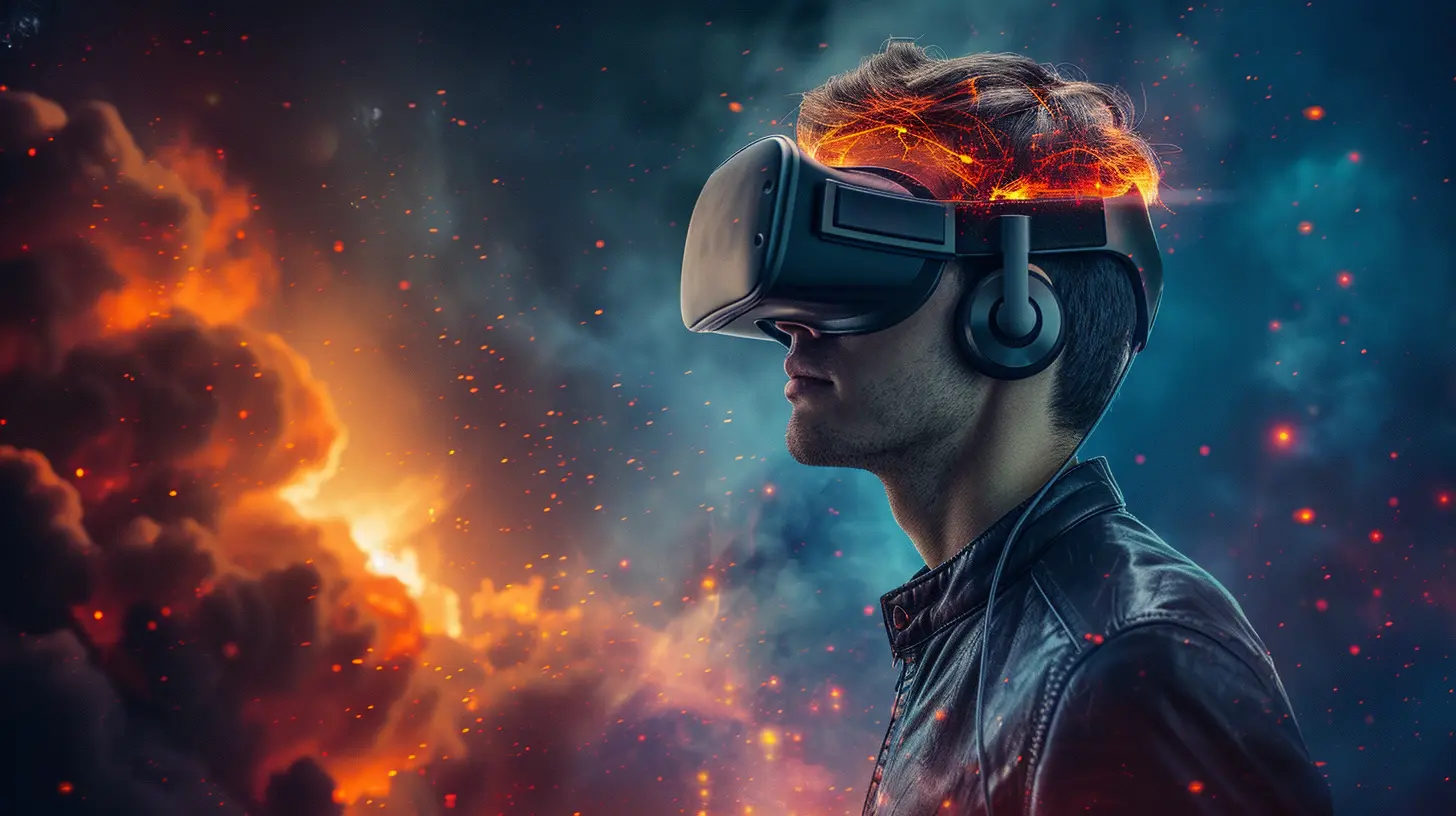
Virtual Reality: Not Just Flashy Visuals
First off, VR isn't only about showing you a world—it's about throwing you right into it. Traditional stories? You sit back, watch, or read. VR stories? You live them.Imagine reading about climbing Mount Everest. Now, imagine standing on that icy cliff, the wind howling in your ears, the snow stinging your face. Big difference, right?
That's the magic of storytelling in VR. It taps into more than just your eyes and ears—it grips your whole being.
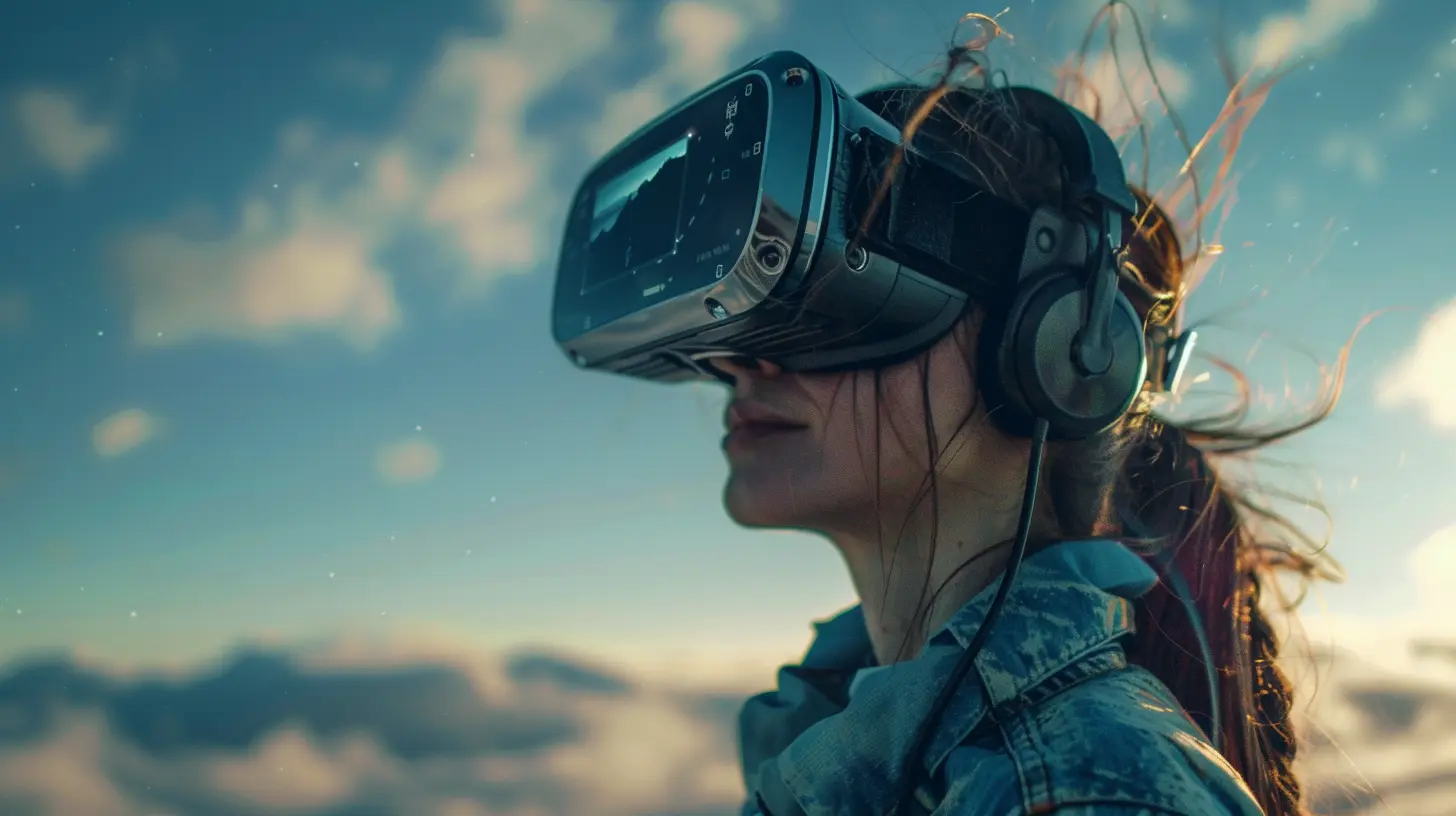
From Passive to Active: You’re In the Driver’s Seat
The beauty of VR storytelling is that it flips the script. No more passive consumption. You’re not watching someone else’s journey—you’re on your own. You control where you go, what you see, and sometimes, even how the story unfolds.Games like Half-Life: Alyx or The Walking Dead: Saints & Sinners aren’t just games. They’re narrative experiences that wrap you in a world where every shadow, sound, or sudden movement feels personal.
This control creates a stronger emotional bond. When you make the hard choices, when you survive the chaos—those moments stick. And storytelling becomes unforgettable.
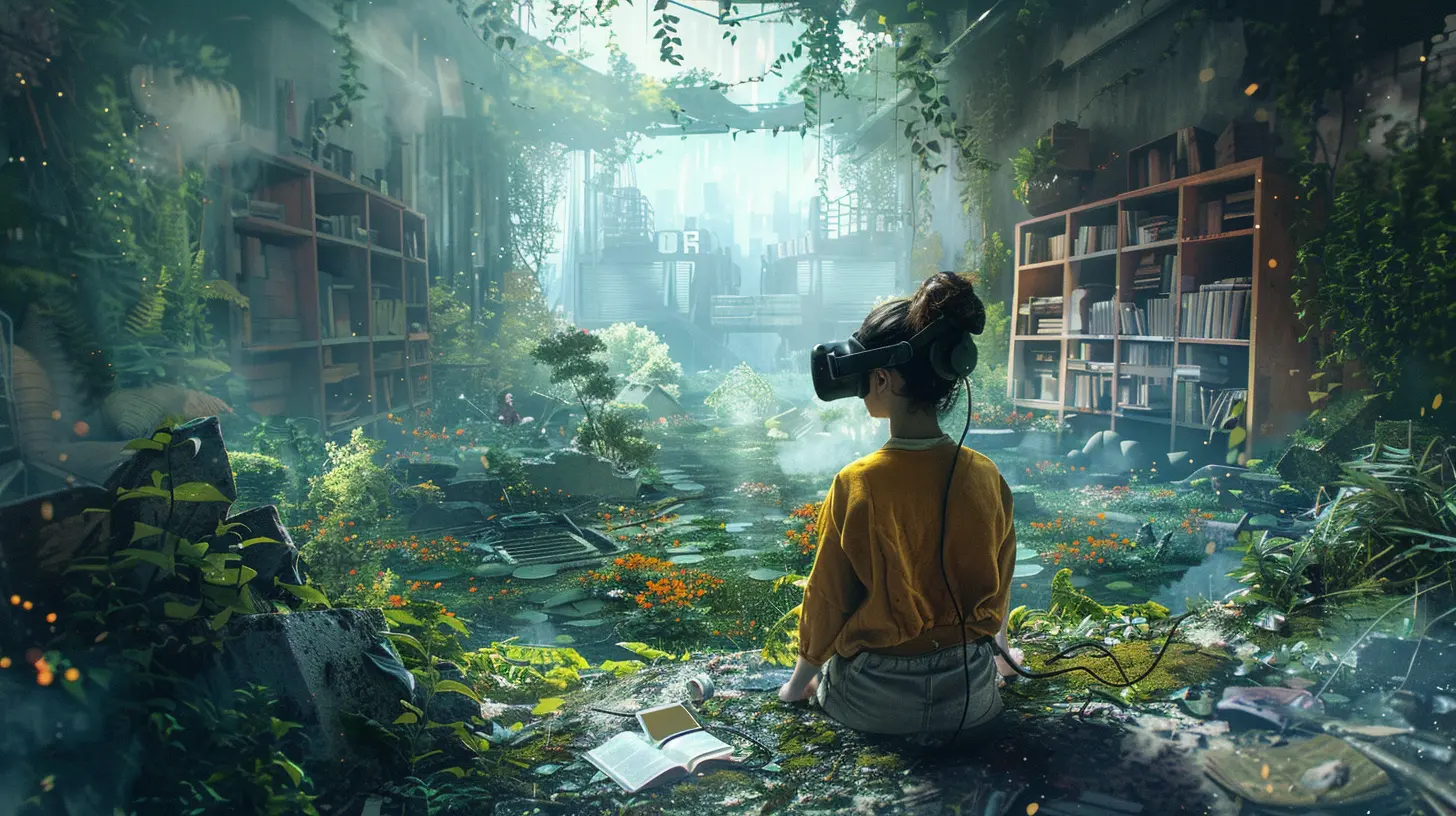
Emotional Impact: Stories That Hit Different
VR storytelling hits way harder emotionally. Why? Because it tricks your brain into feeling like it’s real. Yeah, your logical side knows it’s digital—but your instincts? They’re all in.When you're standing face-to-face with a crying character, pleading for help, or witnessing a post-apocalyptic world falling apart—you're not just observing. You're feeling it. Right in the gut.
That kind of emotional intensity is rare. And VR delivers it in spades.
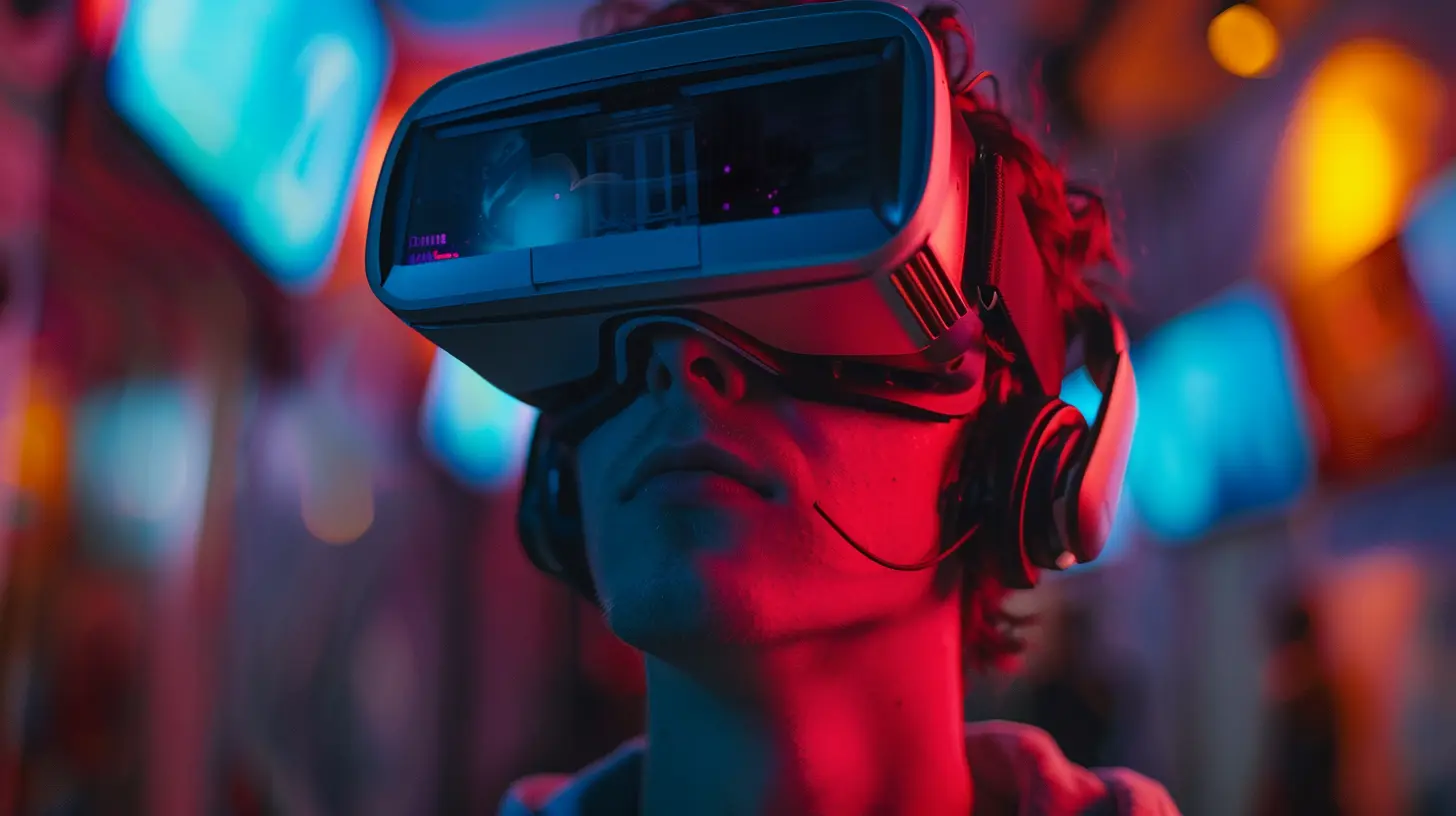
Presence: The Secret Sauce of VR Storytelling
What makes VR storytelling so darn effective? One word: presence.Presence is that deep sense of “being there.” It’s what makes your brain go, “Yeah, this is real. I’m part of this world.” And when that clicks, the story doesn't just play out—it happens to you.
In traditional media, there’s a wall between the story and the viewer. In VR, that wall vanishes. You’re not watching the action—you’re in it.
Branching Narratives: Your Choices, Your Story
Another killer aspect of VR storytelling? Freedom.You can walk around, touch things, interact, and even decide how the story unfolds. Think Detroit: Become Human—but in VR. Every choice you make shapes the storyline, creating a unique experience just for you.
This kind of interactivity doesn’t just make stories more fun—it makes them more personal. And let’s be honest, that’s what we crave: stories we feel connected to.
Gaming and Storytelling: A Match Made in VR Heaven
Let’s not forget—the gaming world jumped on storytelling in VR early on, and for good reason.Games have always been about immersion. From simple text adventures back in the day to today’s jaw-dropping open worlds, storytelling has always been front and center.
But VR takes that immersion to another level. You’re not just playing a character—you are the character.
Take Lone Echo, for example. This game isn’t just a space adventure—it’s a narrative-rich voyage where you interact with AI companions, solve mysteries, and feel like a real part of a sci-fi story. It’s storytelling gold.
Education, Empathy, and Storytelling in VR
Sure, VR storytelling is dominating the gaming scene—but its power reaches far beyond entertainment.In classrooms and museums, VR is being used to tell historical stories in breathtaking detail. Imagine walking through ancient Rome or witnessing the civil rights movement unfold around you—not in a textbook, but right there in front of your eyes.
Even empathy-building experiences are finding a home in VR. Projects like Clouds Over Sidra put you in the shoes of a Syrian refugee. And let’s be real—it’s hard to walk away unchanged after something that immersive.
Storytelling in VR is opening hearts and minds in ways we barely imagined just years ago.
The Challenges of VR Storytelling
Alright, it’s not all roses and rainbows. Storytelling in VR comes with some real obstacles.For starters, it’s hard to guide the player’s attention. In a movie, you frame a shot, and the viewer sees what you want. In VR? The player might be staring at a wall while the emotional climax is happening behind them.
Plus, pacing is tricky. When people can move around and explore, how do you keep the story tight and engaging?
And let’s not forget comfort. Motion sickness is real, and a jarring or poorly executed narrative can leave players feeling disoriented or even nauseous.
But here’s the thing—the industry is learning fast. Creators are adapting, experimenting, and pushing boundaries every day. And the results? Mind-blowing.
The Future of VR Storytelling
So, what’s around the corner?AI-driven characters that respond to you in real-time. Entire worlds that adapt to your personal choices. Multiplayer VR stories where you and your friends shape the plot together.
We’re talking about storytelling that’s alive, evolving, and tailored to you. Not just a story you watch—but one that knows you, reacts to you, and grows with you.
And with the rise of standalone headsets like the Meta Quest and the increasing power of PCVR systems, more people than ever are stepping into these stories. The future? Oh, it’s bright. And it’s immersive as heck.
The Power Lies in the Player
At the end of the day, the real power of storytelling in virtual reality doesn’t come from the tech—or even the writers. It comes from you.You’re the one who brings these stories to life. Your curiosity, your decisions, your emotions shape the narrative in ways that no book or film ever could.
And that? That’s what makes storytelling in VR so next-level.
Final Thoughts
Storytelling in virtual reality is changing the game—literally and figuratively. It’s not just evolving the way we consume stories; it’s transforming how we feel them.From emotional depth to interactive freedom, VR is turning stories into shared experiences that resonate on a whole new level. Whether you're a gamer, a developer, a filmmaker, or just a curious explorer, VR storytelling offers something unforgettable.
So, next time you put on that headset, remember—you’re not just stepping into a game or a scene. You’re stepping into a story—one that only you can tell.
all images in this post were generated using AI tools
Category:
Vr TechnologyAuthor:

Tina Fisher
Discussion
rate this article
1 comments
Oriel Riggs
Immersive narratives redefine gaming experiences.
June 10, 2026 at 3:08 AM
Tina Fisher
I completely agree. Immersive narratives truly transform how we engage with games, making every moment feel more meaningful.