The Merging of Game Genres Into New Experiences
12 June 2026
If you’ve been gaming for more than a hot minute, you’ve probably noticed something interesting happening lately: games are becoming harder and harder to categorize. Is that open-world shooter actually part RPG? Is that puzzle game secretly telling an emotional story worthy of a drama series?
Welcome to the age of genre-blending — where developers are stirring the pot, mashing genres together like a musical DJ laying down beats from opposite sides of the spectrum. The result? Wild, uncharted, and often incredible gaming experiences that feel fresh, deep, and hard to forget.
Let’s dive into this trend — where it came from, why it’s exploded, the games doing it best, and what it means for the future of gaming as we know it.
Gaming Genres: Once Clear-Cut, Now a Blur
Back in the day, it was easy. You played a platformer, a racer, a shooter, or maybe a good old-fashioned RPG. Each stayed neatly in its lane. Mario didn’t carry an inventory with skill trees. Final Fantasy didn’t involve twitch reactions or aim-down-sight mechanics. But that was then.Now? The lines have blurred — and intentionally so. What used to be risky has now become the secret sauce to success. Genre fusion is not just a trend; it's becoming the norm.
Why the shift? A few major reasons:
- Players crave novelty: We’ve played the same mechanics over and over. Mixing genres keeps things interesting.
- Tech has caught up: Today’s engines and hardware can handle more complexity and layering.
- Indie devs are fearless: With fewer rules to follow, they’re leading the charge in smashing genre boundaries.
What Happens When Genres Collide?
Think of game genres like ingredients in a kitchen. On their own, they’re familiar and satisfying — but combine them in fresh ways, and suddenly you’ve got a gourmet dish.Merging genres means designing gameplay where multiple mechanics, tones, or goals clash — and ideally, harmonize. Of course, not every attempt works. But when it does? Magic.
Let’s break down some of the most common — and compelling — genre mash-ups happening right now.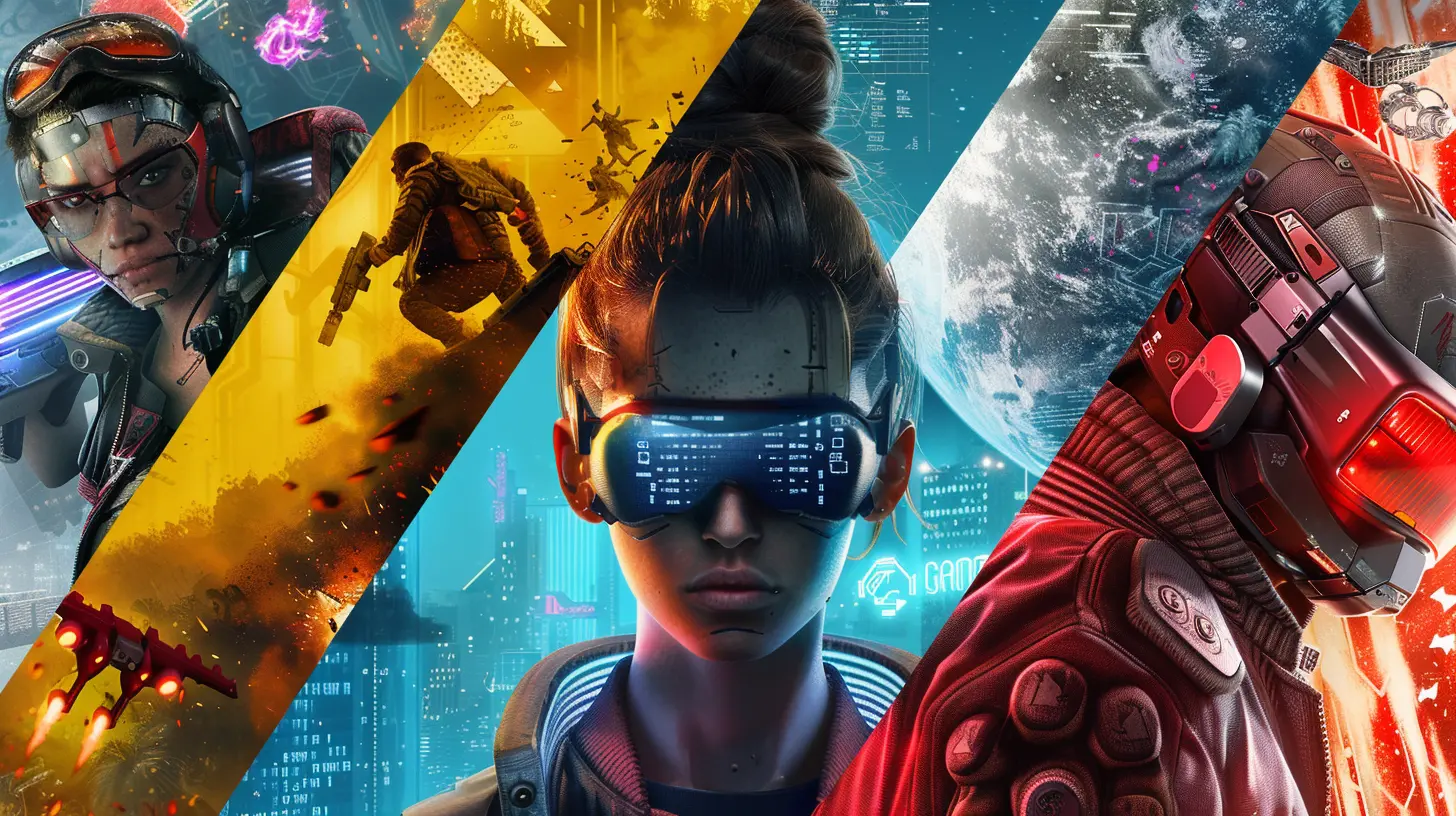
RPG + Shooter = Depth Meets Action
You can’t talk about genre blending without tipping your cap to legendary titles like Mass Effect or Borderlands. These games didn’t just throw guns into an RPG — they built fully-realized worlds where dialogue choices, skill points, and narrative arcs coexisted with real-time fire fights.The result? Games that feel like you’re both the hero of your own story and the lead in a high-octane action movie.
But the ripple effect is even bigger. The success of RPG-shooter hybrids led developers across the board to add progression systems into everything — even your average multiplayer FPS now has levels, gear mods, and skill trees. Call of Duty with XP bars and unlocks? That’s RPG-light in action.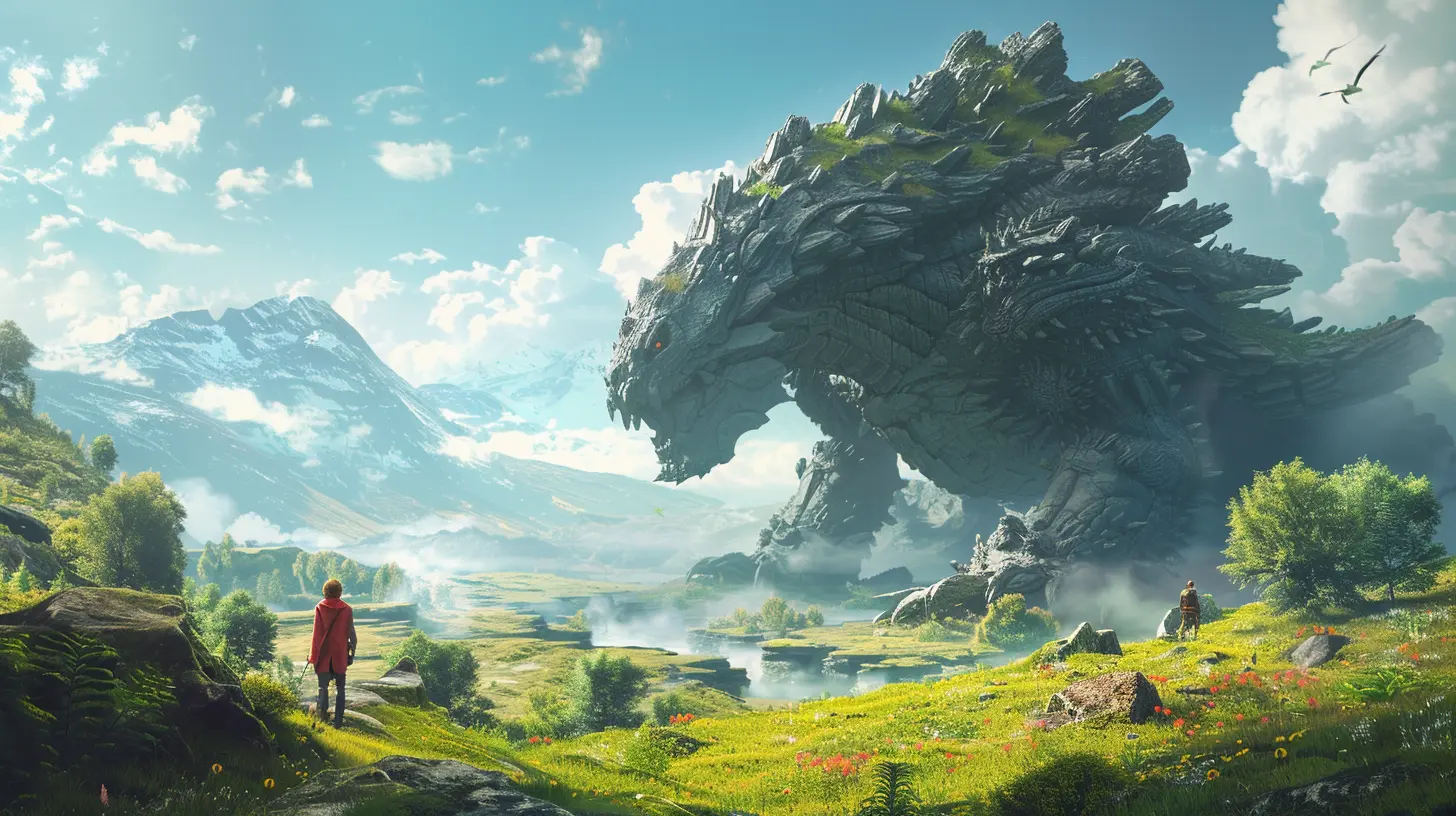
Puzzle + Narrative = Brain Meets Heart
On the other side of the spectrum, you’ve got the rise of thoughtful indie games that combine challenging puzzles with deep emotional storytelling. Think Portal, The Talos Principle, or The Witness.These games don’t just test your logic — they make you feel something. They ask big questions, tell stories about identity, humanity, or isolation, and do it all while you’re solving clever riddles. It’s not just play — it’s introspection.
Merging puzzles and narrative slows the pace, sure. But it makes for unforgettable experiences that linger long after you’ve turned off the screen.
Survival + Simulation = The Grind Gets Glamorous
Let’s talk about survival games — a genre that’s exploded in recent years, and it’s rarely just survival anymore.Valheim mixes Norse mythology, crafting, and exploration. Minecraft started as a survival sandbox and has grown into basically a genre of its own. Then there’s Don’t Starve, which throws in hand-drawn aesthetics, permadeath, and resource management into one chaotic stew.
What gives these games life is the addition of simulation elements — base-building, cooking, farming, and socializing with NPCs. These mechanics shift survival from stressful to strategic. It becomes less about not dying and more about thriving.
Horror + Multiplayer = Fear With Friends
Horror used to be a solo ordeal. You turned off the lights, booted up Silent Hill, and prepared to cry. Now? You scream with friends.Games like Phasmophobia, Dead by Daylight, or The Forest take traditional horror mechanics — tension, limited resources, jump scares — and throw in co-op or competitive multiplayer.
Why does it work so well? Because fear is contagious. Playing with others adds layers of unpredictability and absurdity. You’re not just afraid of the monster lurking in the dark — you’re afraid your buddy will panic and give away your position.
It’s like watching a scary movie in a theater versus alone. The experience shifts — and often becomes ten times more fun.
Platformer + Rhythm = Dance Through Danger
This one’s less common, but when done right? Chef’s kiss.Enter games like Crypt of the NecroDancer or Hi-Fi Rush. These titles weave traditional movement and attack mechanics with beat-based inputs. You don’t just play — you perform.
Timing your actions to a soundtrack turns the game into a playable song, giving you that same rush as nailing a drum solo. The fusion leans into the sensory joy of games — visuals, sound, and control all syncing together.
It’s a niche marriage of gameplay and music theory, but it shows how flexible genres can be when developers are bold enough to experiment.
Strategy + Action = Mind Meets Reflex
Imagine if Age of Empires and Devil May Cry had a baby. That’s the vibe of emerging strategy-action hybrids like Mount & Blade or Total War: Warhammer.You’re not just commanding units from far above — you're also diving into the fray, swinging swords, casting spells, getting your hands dirty.
The result is a more visceral connection to the game world. It’s not just about thinking five steps ahead — it’s about reacting in the moment. This hybrid gives players the best of both worlds: tactical depth and adrenaline-pumping combat.
Sandbox + Narrative = Your Story, But Epic
This is possibly one of the most ambitious fusions. Open-world sandbox games are known for giving players freedom. Narrative-driven games are all about authorial control. Mix them together, and you get games like Red Dead Redemption 2, The Witcher 3, or Cyberpunk 2077.These titles give you space to roam and roleplay — but also deliver tight, moving storylines when you're ready to engage. It’s like reading a novel where you choose when to turn the page — or sometimes, write your own.
They demand a lot from players (and devs), but when it clicks, it creates some of gaming’s most unforgettable moments.
The Challenges of Blending Genres
Let’s be real — not every hybrid works. Mixing genres is risky business. Balancing different systems is tough. Too many mechanics can overwhelm players or dilute the core experience.Some common pitfalls include:
- Identity crisis: A game that tries to do everything but ends up doing nothing well.
- UX complexity: Confusing menus, controls, or systems caused by stacking too much on top of each other.
- Tonal whiplash: Jumping between moods or gameplay types that clash rather than complement.
But when done right, it’s like watching someone ride a unicycle while juggling flaming swords. Impressive, thrilling — and impossible to look away from.
Why Players Love Hybrid Genres
So why are genre mash-ups so popular with players?Because they feel new. They challenge expectations. They keep us on our toes.
We live in a world where attention is hard to capture — and harder to keep. Blended games serve up surprise and curiosity in every play session. They’re layered, replayable, and often more inclusive. Like open-world games that let you battle, sneak, talk, or build your way through — however you want to play, there's a path for you.
Plus, they invite creative thinking. Want to solve a problem with combat, stealth, or dialogue? You choose. That kind of agency is empowering.
The Indie Influence: Where the Real Magic Happens
Indie developers are the true pioneers of genre fusion. Without massive budgets or shareholders breathing down their necks, they’re free to get weird, experiment, and take big swings.Games like Hades (roguelike + action RPG + visual novel) or Slay the Spire (deckbuilder + roguelike dungeon crawler) have carved out massive success by blending ideas that, on paper, shouldn’t work together.
It’s in the indie scene that the real creativity bubbles up — and often, the big studios follow their lead.
What Does This Mean for the Future of Gaming?
The future? It's genre-fluid.We’re moving away from rigid labels and into a space where games are judged by how they feel, not just how they’re categorized.
Expect to see more AI-driven personalization, adaptive gameplay, and player-authored narratives — all informed by genre blending. It's no longer about what a game is, but what it can become.
And honestly? That’s exciting. Gaming is evolving. And we, as players, get front-row seats.
Final Thoughts
The merging of game genres isn’t slowing down anytime soon. If anything, it’s accelerating. Developers are no longer boxed in by tradition — they’re out here remixing the rules, fusing mechanics, and crafting exhilarating new experiences that defy classification.So the next time you play a game and find yourself wondering, “Wait, what genre is this supposed to be?” — smile. That confusion? That’s the sound of innovation knocking.
Rewriting the rules might just be what gaming needs most right now.
all images in this post were generated using AI tools
Category:
Game TrendsAuthor:

Tina Fisher
Discussion
rate this article
1 comments
Faelith McGivern
The blending of game genres opens exciting possibilities, but it can also lead to confusion for players.
June 13, 2026 at 4:52 AM