The Influence of Eastern Game Design on Western Markets
19 December 2025
Ever had that moment when you're playing your favorite Western RPG and suddenly stumble upon a chunk of gameplay that screams, “This feels like it’s straight out of a Japanese game!”? Yeah, you're not imagining things. It’s real, and it’s been happening more and more over the past couple of decades. The West has been biting into the sushi roll of Eastern design philosophies, and honestly, it tastes pretty darn good.
So buckle up, grab your controller—or chopsticks if you’re feeling festive—and let’s dive into how Eastern game design is charming its way across Western markets like a lovable JRPG protagonist with a spiky haircut and a tragic backstory.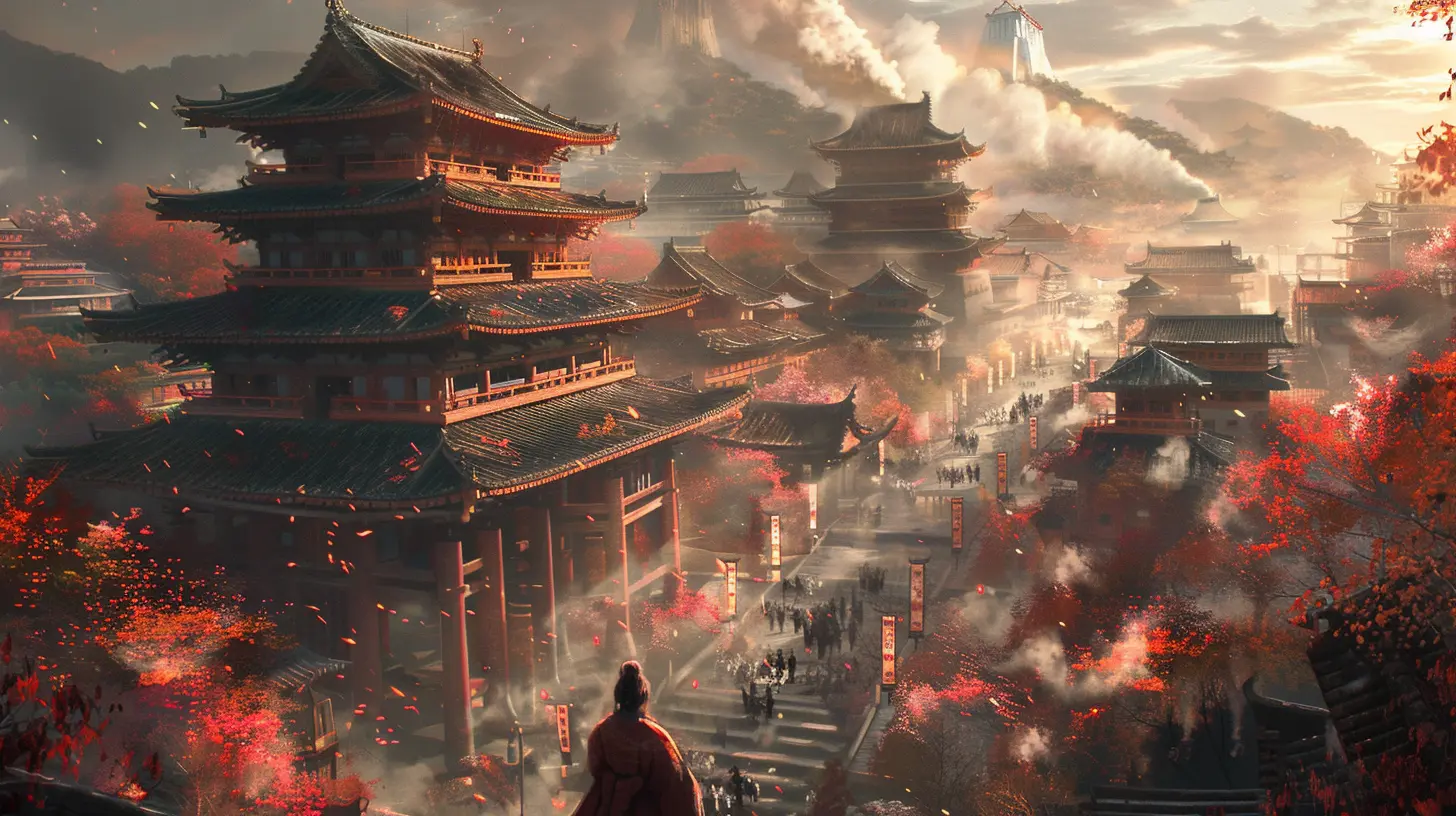
Table of Contents
- What Even Is "Eastern" Game Design Anyway?- The Big Cultural Divide (And Why That’s Important)
- The JRPG Invasion: Turn-Based Isn't Dead, It's Just Wearing New Shoes
- Grind Till You Drop: Why Repetition Became Addictive in the West
- The "Cute But Deadly" Phenomenon
- Storytelling with a Side of Existential Crisis
- UI/UX: From Chaos to Kawaii
- The Gacha Gamble: Mobile Gaming’s Secret Sauce
- Fusion Cuisine: When East Meets West in Game Dev
- The Reverse Uno: Western Games Influencing the East
- So... Who’s Winning This Game Design Game?
What Even Is "Eastern" Game Design Anyway?
First things first—what do we mean when we say “Eastern game design”? We’re mostly talking about video games developed in Asian countries like Japan, South Korea, and China. These regions have a unique approach to how games should look, feel, and (most critically) make you cry at the end.Eastern games often focus heavily on character-driven storytelling, turn-based combat systems, grind-heavy progression, and a strong emphasis on emotional investment. Compare that to Western design, which tends to prioritize player freedom, open-world exploration, and moral choices—like whether to save a kitten or vaporize it for XP.
It’s like comparing sushi to a cheeseburger. Both delicious. Just... different experiences, y’know?
The Big Cultural Divide (And Why That’s Important)
Culture plays a HUGE role in how games are designed and received. In the East, storytelling often explores themes like fate, duty, and sacrifice—with a punchline of "you were the hero all along, BUT AT WHAT COST??"Meanwhile, Western games lean more into choice and consequence. You’re the captain of your own ship, even if that ship's on fire and everyone aboard is shouting.
Now, when these two worlds collide—it’s like peanut butter met jelly for the first time. Suddenly, you’ve got amazing hybrids like Dark Souls (a deeply Eastern game design) gaining cult followings in the West, and Western devs taking detailed notes.
The JRPG Invasion: Turn-Based Isn't Dead, It's Just Wearing New Shoes
Remember the days when turn-based combat was labeled "too slow" for Western audiences? Turns out we just needed fancier animations and a melodramatic soundtrack. Boom—Final Fantasy VII Remake becomes a hit in the West. Coincidence? Nah.Western gamers are warming up (like a microwave burrito) to mechanics that used to be seen as outdated or niche. Games like Persona 5, Octopath Traveler, and Fire Emblem: Three Houses have shown that strategic, turn-based gameplay can be just as thrilling as head-shooting zombies at 60fps.
Grind Till You Drop: Why Repetition Became Addictive in the West
Want to know a dirty little secret? The grind works. And Eastern developers have been mastering it since the 1980s.Games like Monster Hunter and MapleStory conditioned players to farm the same boss a thousand times for +2 defense boots. While initially seen as “unfun” by Western standards, recent Western games like Destiny, Diablo IV, and Assassin’s Creed Valhalla have quietly tiptoed into grind-focused mechanics.
Why? Because grinding taps into our psychological love for progress, even if it’s fake progress. And when done right—boom—it’s like unlocking the happy chemicals in your brain with every sweet loot drop.
The "Cute But Deadly" Phenomenon
Let’s talk aesthetics. Eastern design LOVES mixing adorable with apocalyptic. Think chibi-style characters taking down 500-foot mechas while crying about lost friendships.This blend of “aww” and “OH NO” has made its way into Western markets too. Games like Overwatch, Valorant, and even Fortnite borrow from the cute-but-deadly formula that originated in the East. And it’s working like gangbusters.
Why? Because gamers don’t always want gritty, hyper-masculine characters. Sometimes, you just want to doom-slay demons with a pink-haired idol wearing bunny ears. Who are we to judge?
Storytelling with a Side of Existential Crisis
Eastern games go deep. Like, “have-you-hugged-your-mother-lately?” deep.Titles like Nier: Automata, Final Fantasy X, and Xenoblade Chronicles don’t just tell stories—they explore the meaning of life, identity, and the terrifying reality of memory loss via exploding robots.
Western devs have started to incorporate this kind of storytelling too. The Last of Us Part II? Emotional trauma with a side of Clickers. BioShock Infinite? Welcome to multiverse madness.
Basically, Eastern narratives taught Western devs that it’s okay to make players cry, question everything, and then watch the credits roll in stunned silence.
UI/UX: From Chaos to Kawaii
Ever opened a Japanese game menu and thought, “What the heck is going on here?” That’s deliberate. Eastern interfaces sometimes look like someone threw glitter and spreadsheets at a screen. But guess what? It’s part of the charm.Now, many Western games have adopted colorful, icon-heavy UI styles. Think Genshin Impact’s interface—which blends cognitive chaos with anime-flavored elegance—and you see that ripple effect in games like Honkai: Star Rail and even Western-developed mobile games.
To be fair, some Western devs still prefer the “minimalist” look. But the influence is seeping in, pixel by pixel.
The Gacha Gamble: Mobile Gaming’s Secret Sauce
Ah, gacha systems—the digital equivalent of a slot machine wrapped in a waifu. Eastern games like Fate/Grand Order and Genshin Impact have made billions. BILLIONS. Why? Because people love surprises, especially when they sparkle.Western devs initially scoffed at this model. “Randomized monetization? That’s unethical!” they cried, before quietly launching games filled with loot boxes and seasonal battle passes.
Nowadays, it’s common for Western mobile and even AAA games to have mechanics clearly inspired by gacha systems. From card packs in FIFA to skins in Apex Legends, the Eastern monetization strategy isn’t just influencing the West—it’s practically become the standard.
Fusion Cuisine: When East Meets West in Game Dev
Some of the best games today are joint ventures between Eastern and Western thinkers. Think of it like a food truck serving sushi burgers—unexpected, but oddly satisfying.Games like Sekiro (designed by FromSoftware but published with Activision’s help) and Ghost of Tsushima (a Western-made game paying homage to samurai culture) are perfect examples of this fusion at work.
Even indie titles are getting in on the action. Ever played a game that felt like Zelda met Skyrim in a neon cyberpunk world? You can thank the healthy cross-pollination of design cultures for that.
The Reverse Uno: Western Games Influencing the East
Let’s not forget, this is a two-way street. While the East is influencing Western markets, Western games have also made waves in Asia. Open-world design, player freedom, and cinematic storytelling have found fans all over the globe.Games like The Witcher, Red Dead Redemption 2, and Skyrim are beloved in the East too. Developers there are now creating games that lean more Western but keep their own flavor—like Lost Soul Aside and Black Myth: Wukong.
Basically, it’s one big game dev potluck, and everyone’s bringing something tasty.
So... Who’s Winning This Game Design Game?
Short answer? We are.Gamers are absolutely winning right now. We live in a golden age where cultural differences in game development don’t divide us—they enrich our experiences. Eastern devs are teaching the West how to be weirder, deeper, and more emotionally resonant. Meanwhile, Western devs are helping Eastern studios evolve their approach to pacing, polish, and player agency.
It’s not a competition anymore—it’s a co-op game. And we’re all in this party together.
Final Thoughts: Take A Bow, Otaku
So the next time you’re aiming a fireball at a cyber-dragon while also managing your team’s social schedule and shopping for loot boxes, just remember—you’re witnessing a beautiful blend of East and West. And it’s only getting better.Whether you love your games with a philosophical twist, a tactical grind, or a sprinkle of anime absurdity, there's something in this global game design buffet for everyone.
Now if you’ll excuse me, I need to go cry about the ending of yet another JRPG while trying to 100% a Western open-world game. Ah, balance.
all images in this post were generated using AI tools
Category:
Game TrendsAuthor:

Tina Fisher
Discussion
rate this article
2 comments
Dulce McLaury
Who knew game design could bridge cultures better than my sock collection? Wild!
December 22, 2025 at 3:57 PM
Tina Fisher
I'm glad you found the article insightful! Game design truly has a unique way of connecting cultures.
Emery McClure
This article insightfully highlights how Eastern game design principles enrich Western markets, fostering innovation and diverse gaming experiences for players worldwide.
December 21, 2025 at 4:02 AM
Tina Fisher
Thank you for your thoughts! I'm glad you found the insights valuable. Eastern design truly offers a unique lens that can inspire creativity in Western game development.