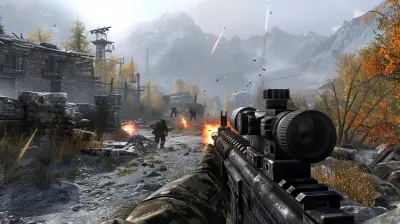
The Impact of Procedural Generation on Modern Gameplay
7 July 2026
Procedural generation: it's the buzzword that’s been reshaping how we play and experience video games. If you’ve ever wandered through an endless cave in Minecraft, encountered a completely new planet in No Man’s Sky, or tried to survive a different dungeon layout every time in Hades, then you’ve already been touched by the magic of procedural generation.
But what exactly is it? And how is it transforming modern gameplay from something static into something endlessly replayable and fresh?
Sit tight—this is going to be a wild ride through algorithms, randomness, and why procedural generation is redefining how games are built and played.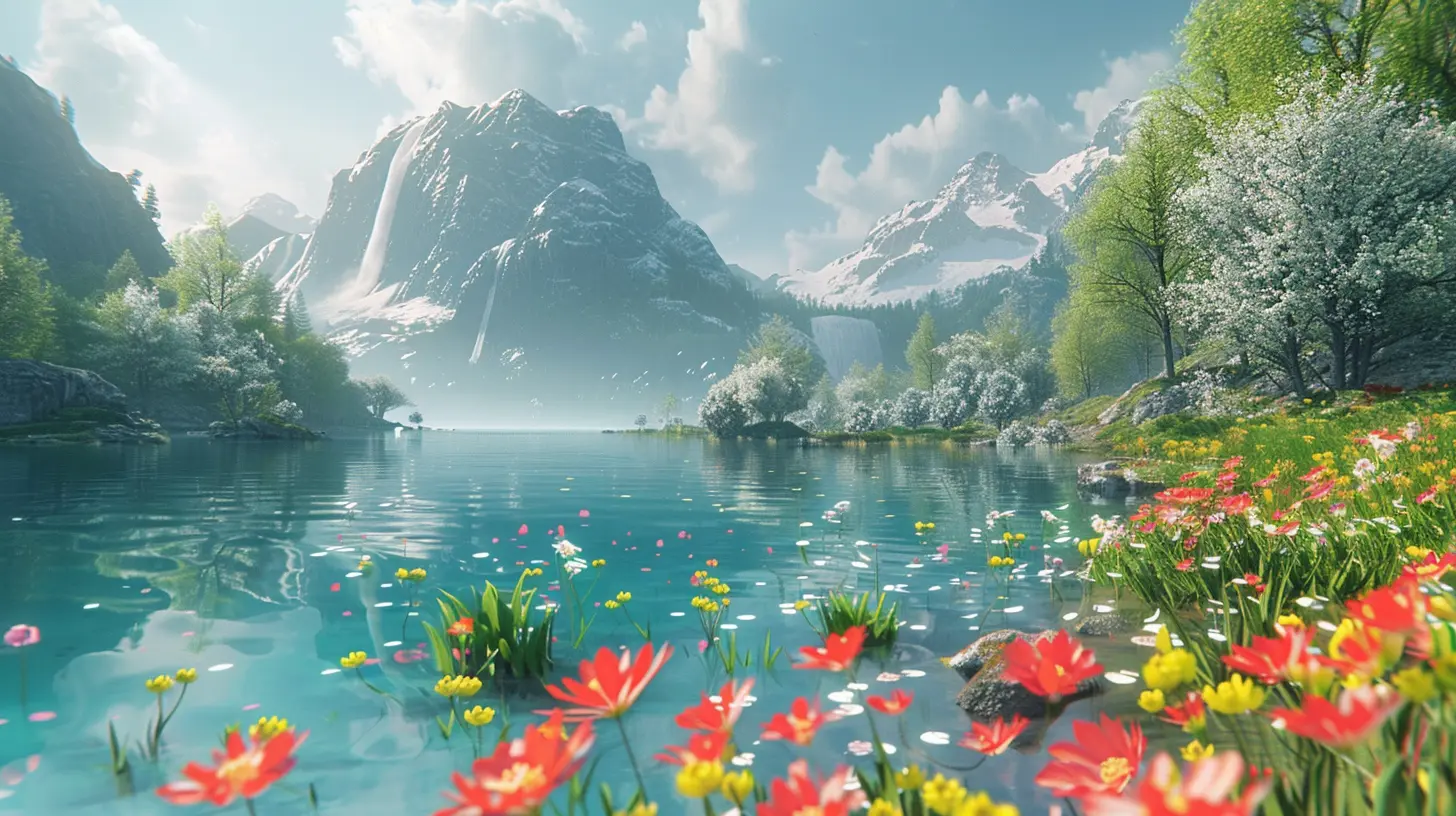
What Is Procedural Generation Anyway?
So before we go full geek, let’s break it down.Procedural generation (or "proc-gen" if you're in a hurry) is a method used by game developers to automatically create content using algorithms rather than manually designing everything. Instead of handcrafted levels or maps, procedural generation lets the game itself build parts of the world on the fly.
Think of it like giving a robot artist some basic rules and then letting it paint an endless number of unique, yet consistent, masterpieces.
This content can range from terrain, levels, dungeons, and maps to quests, characters, items, and even music. The more advanced the algorithm, the richer and more varied the experience.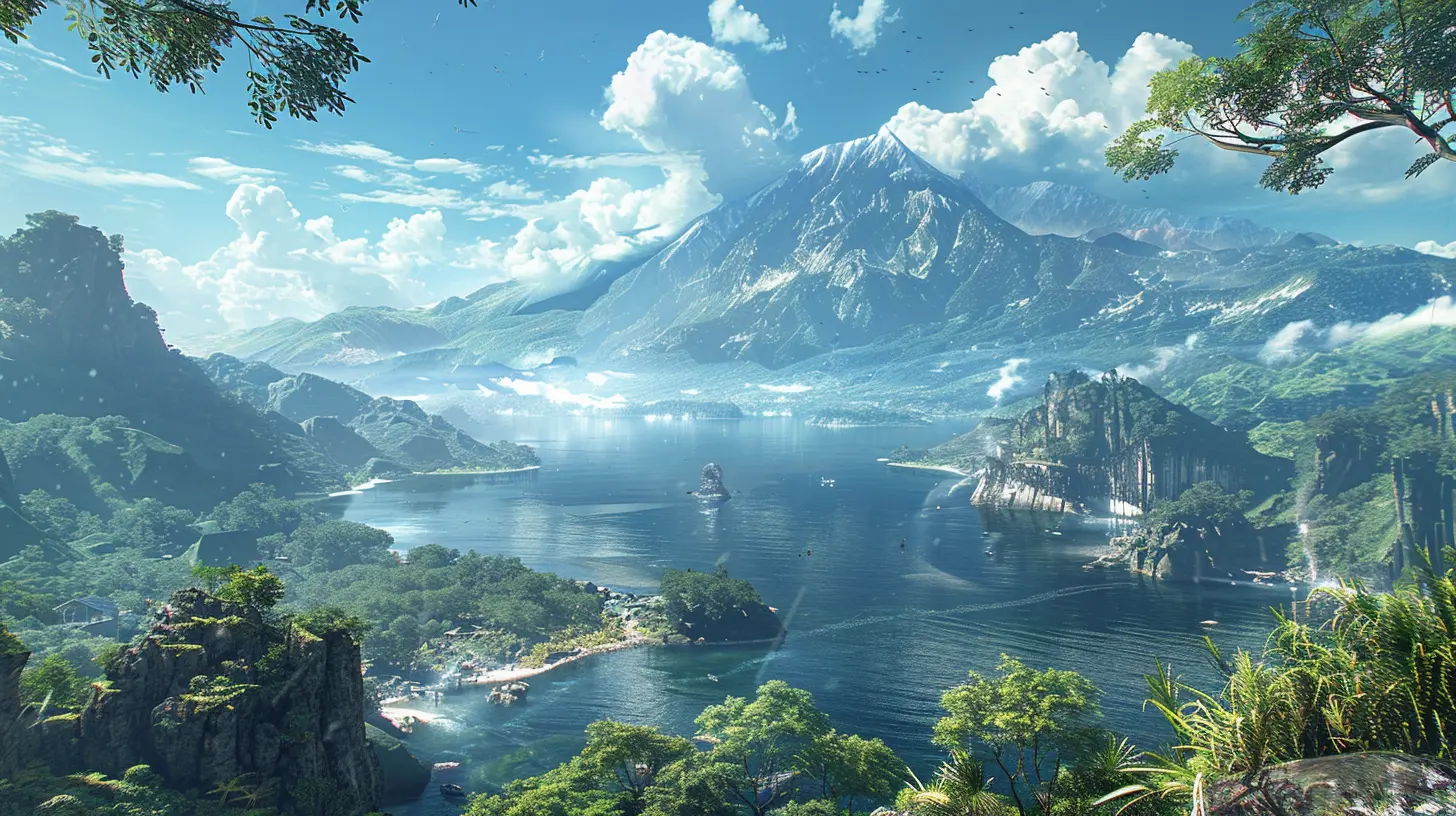
A Game-Changer (Literally)
Here’s the thing: the gaming world was getting a little... predictable. You’d finish a game, and that was it. You knew where every enemy was, what every level looked like, and how every puzzle was laid out.Enter procedural generation. Suddenly, games became dynamic, unpredictable, and bursting with replay value.
You don't just play a level—you experience a new story every time. That boulder trap? Might not be there next run. That secret treasure? Could be tucked behind a completely different wall.
It's like the Vegas of game mechanics—every roll of the dice gives you something new.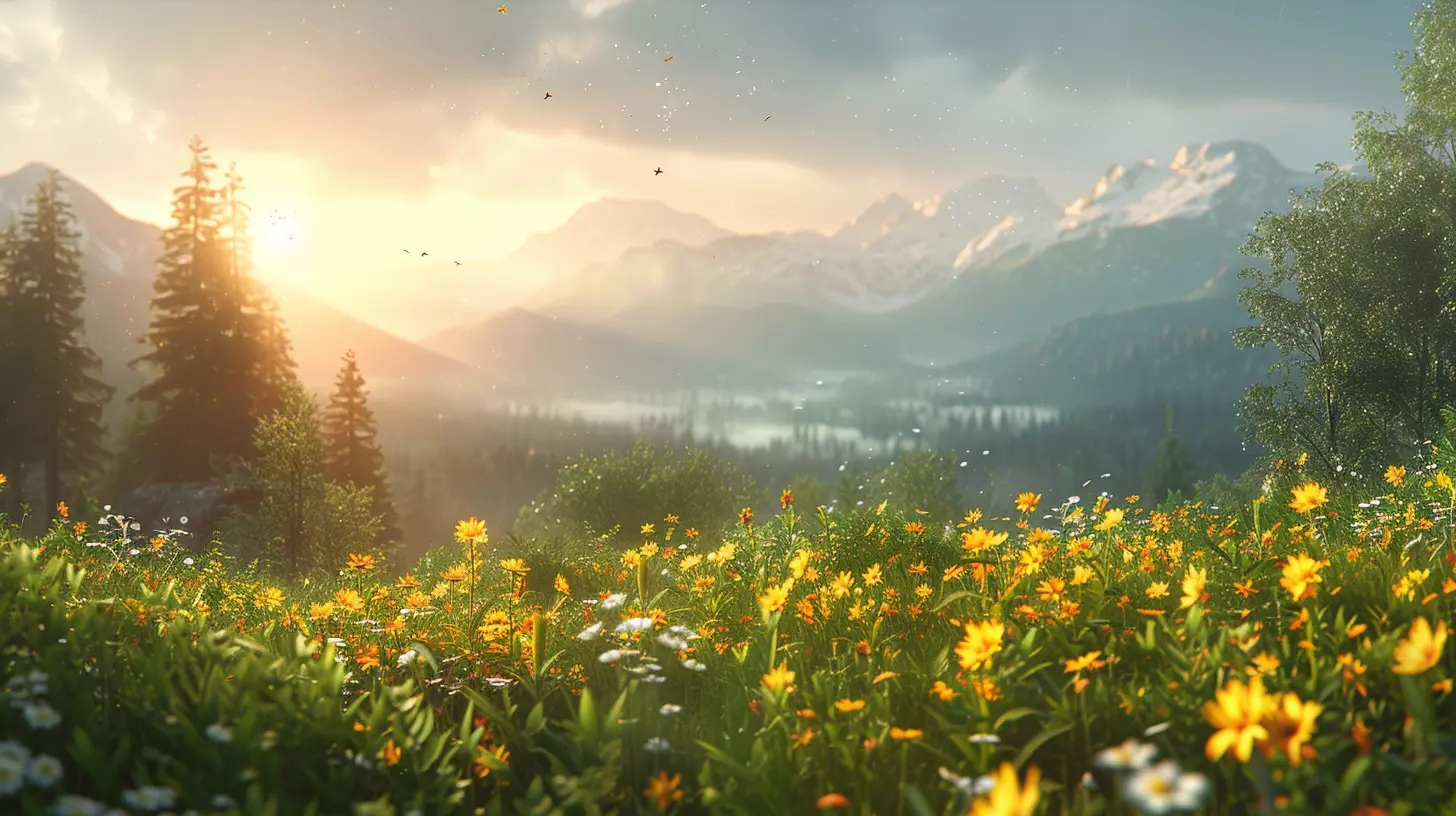
Why Gamers Love Procedural Generation
Let’s be real: we all crave novelty. Procedural generation delivers that in spades. Here’s why players (and let’s be honest, devs too) are going gaga for it:? Infinite Replayability
When every playthrough feels fresh, players keep coming back. That’s why games like The Binding of Isaac or Slay the Spire have cult followings. The layout changes. The loot is different. Your approach must adapt. That's addictive gameplay right there.? Emergent Gameplay
Proc-gen often leads to those “Whoa, did that just happen?” moments. Unexpected trap combinations, bizarre enemy placements, wild terrain shifts—none of it was scripted, but it feels meaningful because you had to react in real-time.? Bang for Your Buck
Let’s face it, games are getting expensive. If a developer can offer endless gameplay variations for the price of one game, that adds serious value. Players love knowing they’re getting more for their money.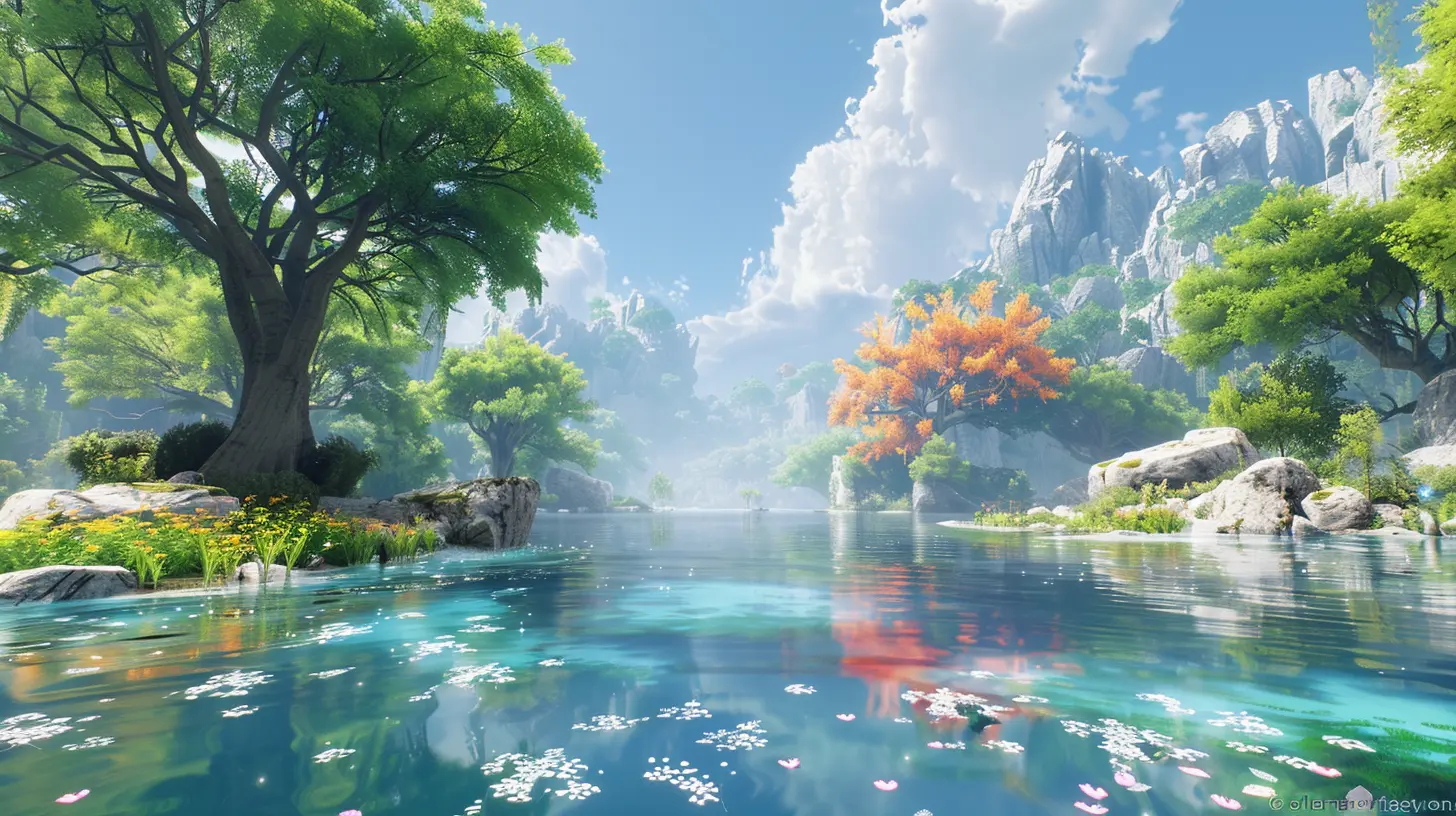
How Developers Are Using It
Procedural generation isn’t a free lunch. It has to be done right. But when it is? Magic.? No Man’s Sky: The Planet Generator
Probably one of the most ambitious uses of procedural generation ever. When No Man’s Sky launched, it promised 18 quintillion planets (yes, that's a real number). Every rock, tree, creature, and ecosystem was procedurally generated. It was like being handed the keys to a vast, unexplored universe.Sure, the launch had problems. But over time, the devs refined their procedural systems, and now players can genuinely get lost in worlds that no other human might ever see.
? Minecraft: The Classic Example
Minecraft is practically synonymous with procedural generation. Every world is unique. Mountains, caves, oceans, and villages are algorithmically assembled, meaning explorers always have something new to discover.And the cherry on top? Modders have even created their own generation rules, multiplying the game’s possibilities.
? Hades, Dead Cells & Roguelikes
Procedural generation has found a cozy home in roguelikes. Games like Hades or Dead Cells use it to offer players challenging, ever-changing stages with every death. Die? Try again—different map, different enemies, new surprises.This unpredictability creates challenge, tension, and massive replayability.
The Tech Behind the Curtain
Alright, let’s peek under the hood for a second.Procedural generation uses algorithms—often random number generators paired with some rules. But it’s not just throwing dice and hoping for the best. Good procedural generation balances randomness with design.
Developers use tools like:
- Perlin Noise for natural-looking terrain.
- L-systems for plant-like structures.
- Cellular automata for dungeon layouts.
- Loot tables with smart randomization to drop balanced gear.
The key here is controlled chaos. The system needs to feel random but still fair and fun. That’s a tough line to walk.
It’s Not All Rainbows and Roguelikes
For all its power, procedural generation isn’t always perfect. There are some definite drawbacks.? Repetition in Disguise
Sometimes, randomness leads to monotony. If the algorithm isn’t diverse enough, you get different layouts that feel… kinda the same. A hundred forests that all look identical? Boring.? Lack of Human Touch
There's a certain charm in handcrafted levels. Think of the tight design of a Dark Souls area or a Zelda temple. Procedural levels can sometimes lack that thoughtful pacing or storytelling.? More Work, Not Less
Ironically, building a good procedural system can take just as much (if not more) effort than designing levels manually. Developers have to account for edge cases, test weird combinations, and constantly tweak the rules.Balancing Randomness and Design
So how do developers strike a balance?The trick is blending procedural systems with curated elements. Procedural generation doesn’t have to mean chaos. It can be a tool in the toolbox.
For example:
- Hand-crafted landmarks placed in procedurally generated terrain.
- Story events that trigger based on player location or quest progress, not pure randomness.
- AI-assisted content curation to weed out boring or broken results.
Hybrid systems give the best of both worlds. You get the freshness of proc-gen with the polish of hand-designed content.
The Future of Procedural Generation
We're just scratching the surface. With newer tech like AI and machine learning seeping into game development, procedural generation is poised to level up.Imagine:
- NPCs with unique, generated backstories reacting to your playstyle.
- Quests that evolve dynamically based on your choices.
- Entire cities or civilizations generated with politics, culture, and history.
That’s not sci-fi—it’s where things are headed.
Projects like Dwarf Fortress (which simulates thousands of years of history for its worlds) are already pioneering this space. As computing power grows and algorithms improve, the scope of what's possible with procedural generation is only getting bigger and better.
Final Thoughts: Random Isn’t Lazy—It’s Revolutionary
Procedural generation isn’t just a gimmick. It’s one of the most innovative tools in modern game design. When used with intention, it turns static experiences into living, breathing worlds.Sure, it comes with challenges. And no, it can't replace the artistry of a finely tuned, hand-crafted level. But as part of the toolkit, it opens up gameplay possibilities we’ve only begun to explore.
The next time you wander into a dungeon that’s different every time—or stumble into a weird, alien landscape in your favorite space sim—remember: that’s procedural generation doing its thing.
And honestly? We’re totally here for it.
all images in this post were generated using AI tools
Category:
Game TrendsAuthor:

Tina Fisher
Discussion
rate this article
1 comments
Layla McKibben
Procedural generation breathes new life into gameplay and enhances player experiences.
July 7, 2026 at 3:41 PM
Tina Fisher
I completely agree. Procedural generation not only adds variety but keeps players engaged in ways traditional design can't. It's exciting to see how it shapes new experiences.