The Impact of AI on the Next Generation of VR Games
3 July 2026
Virtual Reality (VR) has already given us incredible ways to escape reality, but when you throw Artificial Intelligence (AI) into the mix, the possibilities shoot through the roof. It’s not just about flashy graphics or better headsets anymore. AI is quietly rewiring how VR games respond, adapt, and evolve—and the next generation of VR gaming is going to look and feel dramatically different because of it.
In this article, we're diving deep into how AI is shaping the future of VR games. Whether you're a gamer, developer, or just someone curious about where technology is headed, stick around. This is going to be a wild and exciting ride.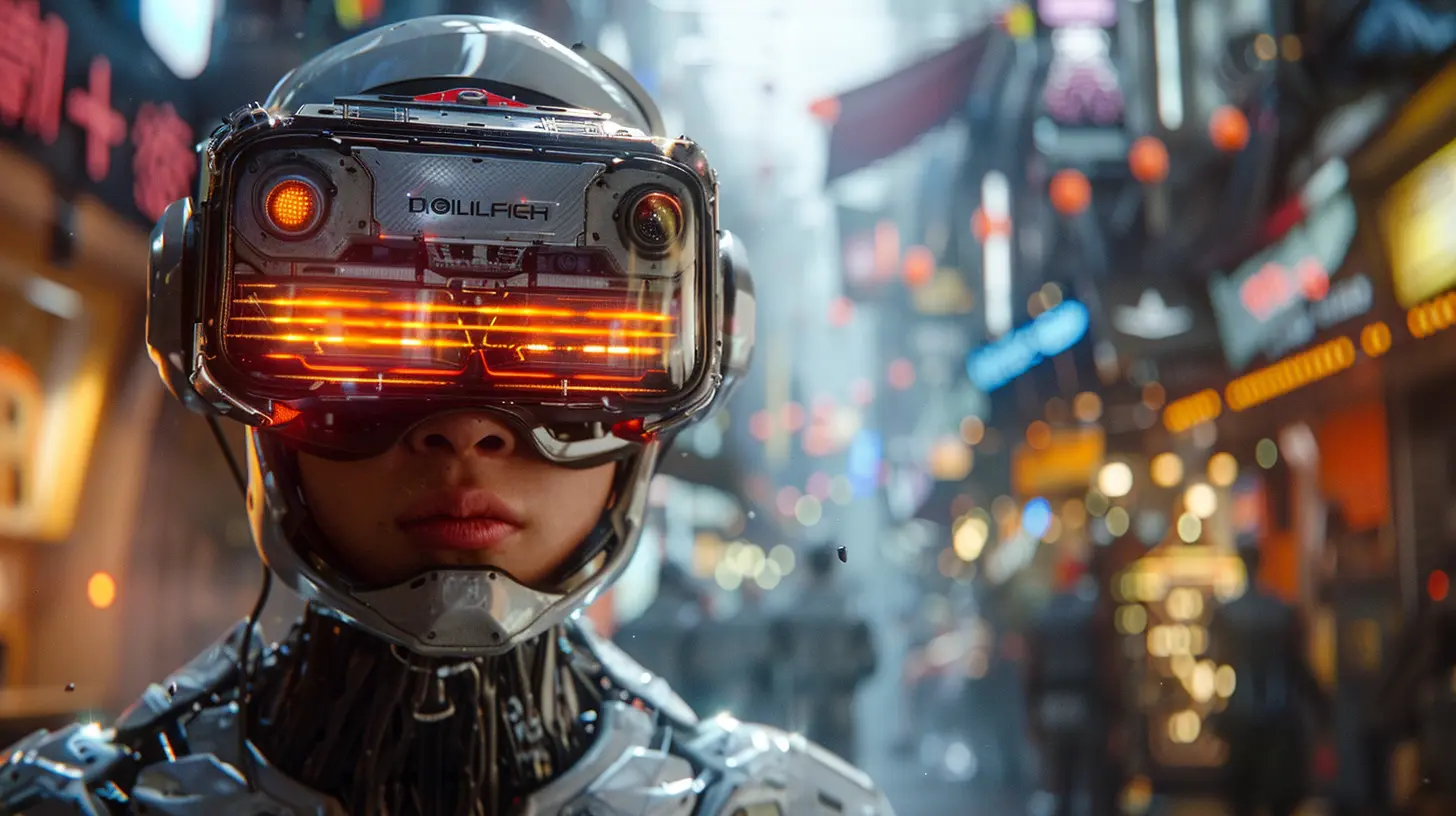
The Current State of VR Gaming
Before we get ahead of ourselves, let’s take a quick look at where we are. VR games right now are impressive, no doubt. Titles like Half-Life: Alyx and The Walking Dead: Saints & Sinners have pushed the envelope when it comes to immersion. You’ve got detailed environments, intuitive hand tracking, and even spatial audio. But at the core, a lot of these games still run on pre-programmed logic.Characters follow scripts. Enemies behave in predictable patterns. Scenarios feel familiar after a few playthroughs. That’s where AI steps in—to break the mold.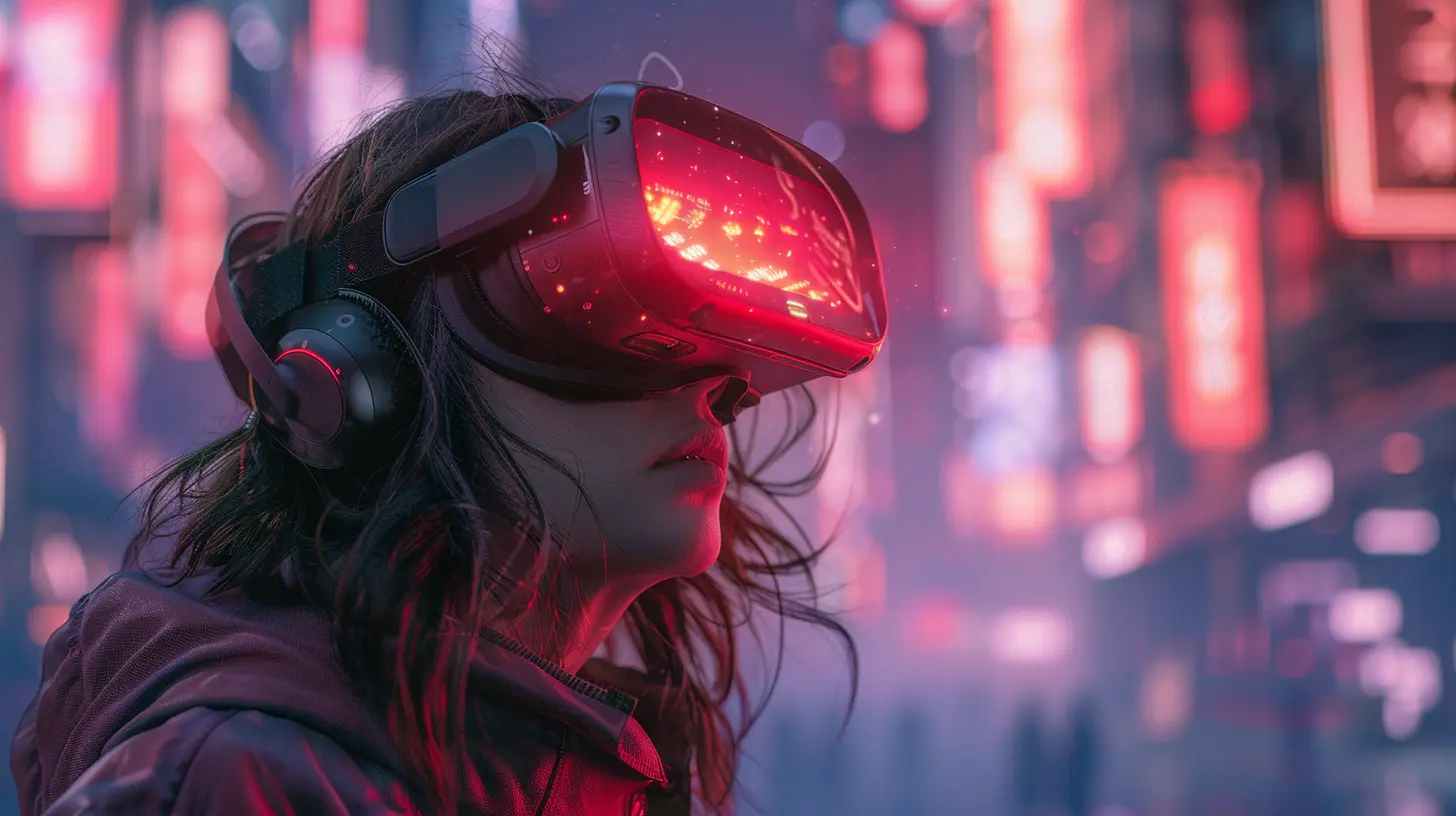
What Does AI Bring to the VR Table?
So, what exactly is AI’s role in VR games? Think of AI as the brain behind the scenes. In flat-screen games, AI has been scripting enemy behavior for years. But in VR, it needs to do more. It has to read your intentions, react in real time, and create experiences so dynamic that you forget you're playing a game.Here’s how AI is changing the rules:
1. Smarter NPCs (Non-Player Characters)
Let’s be honest—VR NPCs can be kind of dumb at times. Sure, they look cool, but they often don’t behave like real people. AI is now helping developers build NPCs that can learn, adapt, and even hold complex conversations. Instead of hearing the same canned lines over and over, you'll interact with characters who respond based on your actions, tone, and even facial expressions.Imagine arguing with a shopkeeper in a VR fantasy game, and they actually remember your past behavior. That’s now within reach thanks to machine learning and natural language processing (NLP).
2. Personalized Gameplay Experiences
One-size-fits-all just doesn’t cut it anymore. AI can analyze how you play—whether you're a stealth ninja or a run-and-gun type—and tweak the game accordingly. Want a chill exploration vibe? The AI could offer fewer enemies and more puzzles. Craving a challenge? It could crank up the difficulty without you even asking.This level of personalization makes every session unique, and it keeps players coming back. Think Netflix’s recommendation engine, but for your gaming style.
3. Real-Time Environmental Adaptation
AI can also change the game world on the fly. That creepy haunted house in your VR horror game? It might actually get creepier the more scared you seem. Using biometric feedback (like heart rate, eye tracking, or voice stress), the AI could adjust lighting, spawn more ghouls, or play eerie sounds at just the right moment.It's psychological storytelling, and it makes immersion go from 10 to 100 real fast.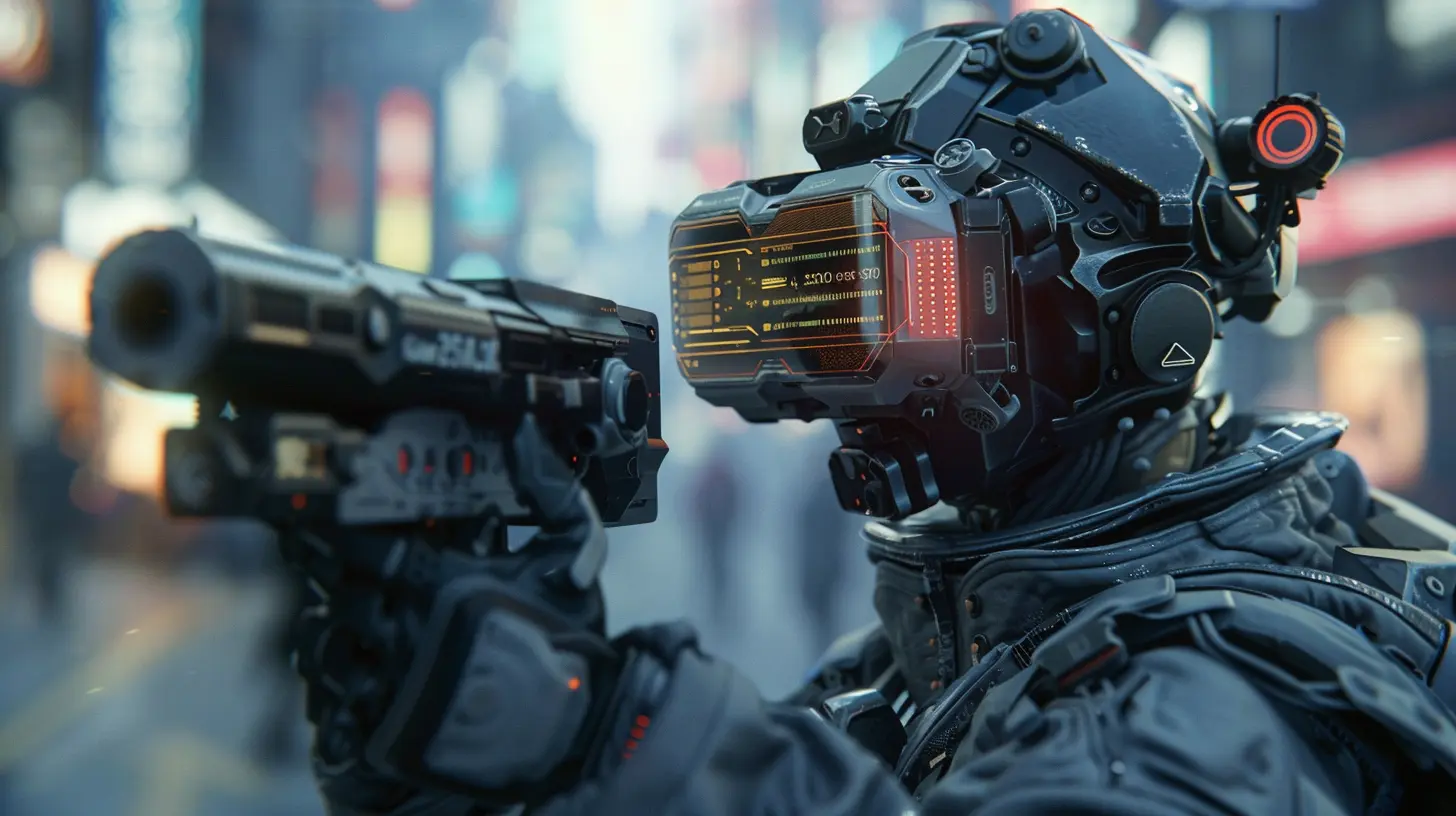
How AI Boosts Game Development
Now, let’s flip the script and talk about the devs. Building VR games is time-consuming and expensive. AI offers a serious helping hand by automating repetitive tasks and unlocking creative tools.1. Procedural Content Generation
Designing every single room, enemy, or side quest by hand? That’s exhausting. AI-powered procedural generation allows developers to create massive game worlds without drawing every detail. Think Diablo-style dungeons that never repeat—or cities that evolve over time depending on your in-game decisions.It also means quicker development cycles and more room for experimentation.
2. Voice and Dialogue Automation
We touched on this earlier, but AI-generated dialogue systems can cut down on VO (voice-over) costs and allow for nearly infinite responses in storytelling games. AI can combine pre-recorded voice samples or deep-learning models to craft natural-sounding conversations that adapt as the story unfolds.That means fewer silent cutscenes and awkward pauses—and more living, breathing storytelling.
3. AI as a Co-Creator
Some studios are even using AI as a creative partner. Tools like ChatGPT or Midjourney can help brainstorm characters, write side quests, or design concept art. It's like having an extra (unpaid) teammate who never sleeps. While the human touch is still essential, AI helps fill in the gaps and speed things up.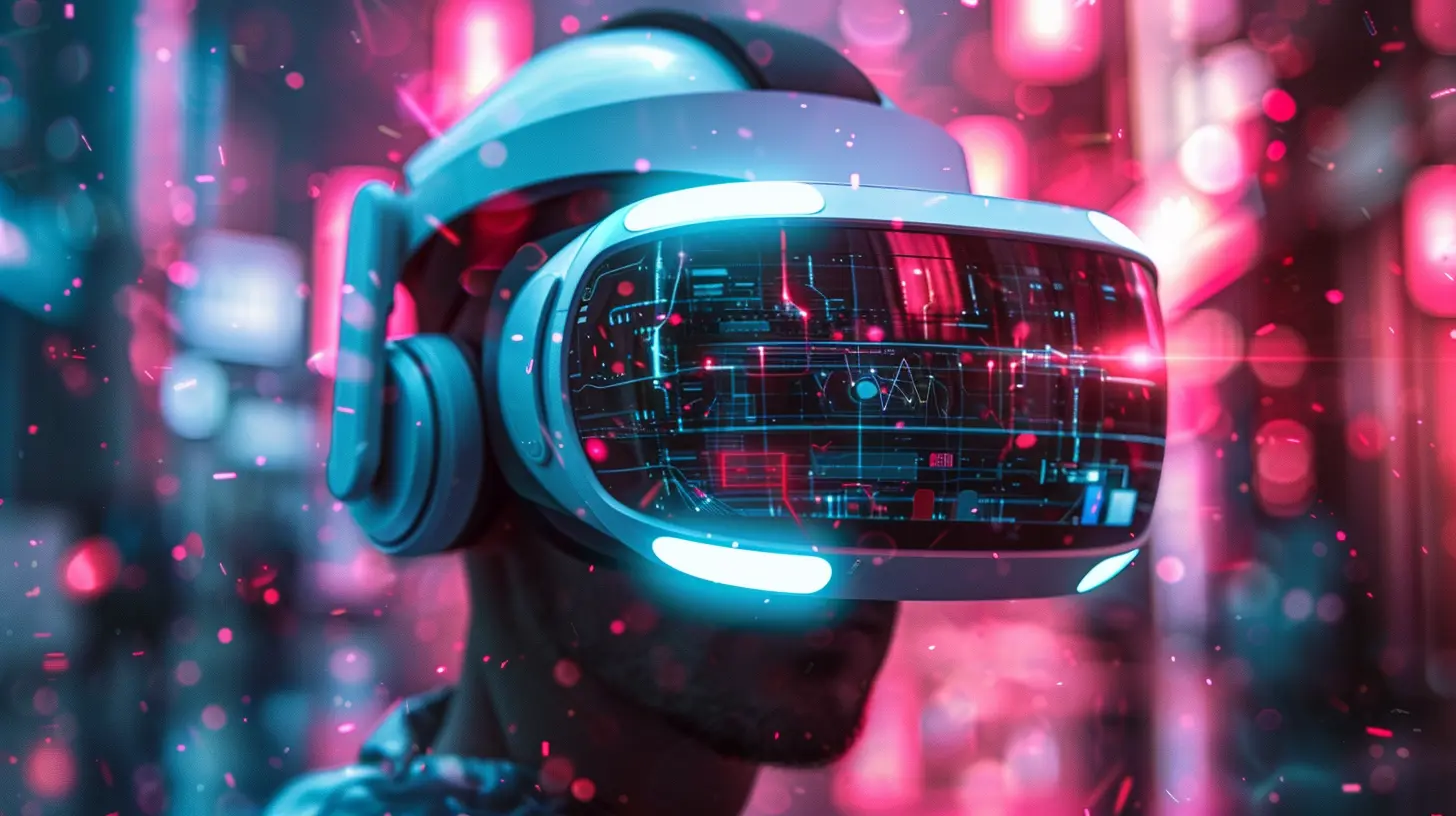
The Role of Machine Learning in VR Interactions
AI is cool, but machine learning (ML) is where the real magic happens in VR. ML algorithms learn from data—lots of it—and get smarter over time.Adaptive Game Mechanics
Imagine a VR sword-fighting game where the enemies actually learn your moves and counter them like real duelists. They start off clumsy but get tougher as you improve. This dynamic gameplay keeps you on your toes and stops boredom dead in its tracks.Realistic Player Avatars
With advanced ML, avatars can now mimic your facial expressions, gestures, and even posture in real time. No more dead-eyed mannequins standing in a circle. Instead, you get realistic representations that mimic your emotions, making social VR feel a whole lot more… well, social.AI-Powered Voice Recognition & Natural Interaction
We all want VR games where we can talk and be understood, right? AI-powered voice recognition makes that possible. Instead of navigating dialogue trees with a controller, you simply speak—and the game understands what you mean.Context Awareness
AI understands not just the words, but the intent behind them. Say you’re in a VR detective game and you shout, “Where were you last night?” The AI might not only register your question but deliver a response that takes into account your tone, prior interactions, and in-game clues.It’s like playing a game with actors who are improvising based on your story—pretty insane.
The Ethical Side of AI in VR Games
Alright, it’s not all sunshine and rainbows—there are challenges too. The more data AI has on you, the smarter it becomes. But that also means it's collecting sensitive info about your preferences, playstyle, and even biometric data.Privacy Concerns
Biometric feedback like heart rate, eye gaze, and voice tone is powerful—and deeply personal. How do we ensure this data isn’t misused? Gamers and developers alike need clear privacy policies and stricter regulations.Deepfakes and Voice Cloning
With AI-generated voices and avatars, the line between real and fake gets blurry. That’s both exciting and a little terrifying. Safeguards must be in place to prevent misuse and ensure ethical gaming environments.The Future: What's Next for AI in VR Gaming?
So where is all this headed? Strap in, because the future is looking crazy promising.Fully Sentient NPCs
We’re inching closer to NPCs that aren’t just reacting, but actually planning, calculating, and evolving over time. They could hold grudges, form alliances, or remember long-term narratives that develop with each session.It’s like Skyrim meets Westworld—and it’s closer than you think.
AI Dungeon Masters for VR RPGs
Tabletop fans, this one’s for you. AI-powered dungeon masters can now run full-blown RPG campaigns in virtual spaces. They build quests on the fly, adjust based on player input, and handle complex narratives like pros. It’s storytelling without limits.AI-Driven World Simulation
Ever wanted to live in a world that actually runs itself? Future VR games could feature entire societies governed by AI, where every single NPC has their own schedule, job, and relationships. You wouldn’t just play the game—you’d live in it.What It All Means for Gamers
If you're a gamer, brace yourself. The games we’ll be playing in the next 5–10 years will be fundamentally different. You’ll have adventures that adapt to you personally. Characters who remember your past decisions. Worlds that evolve around your very presence.AI is the secret sauce that’s transforming VR from a fun gimmick into something that resembles a parallel universe. And honestly? We’re just scratching the surface.
Final Thoughts
The fusion of AI and VR is more than a tech trend—it’s a revolution. From smarter NPCs and personalized gameplay to real-time world adaptation and AI dungeon masters, the next generation of VR games will feel alive in ways we never thought possible.We're moving from scripted stories to living universes. From pre-set rules to adaptive ecosystems. And AI is the engine driving this transformation.
If you thought VR was cool before, you ain’t seen nothing yet.
all images in this post were generated using AI tools
Category:
Vr TechnologyAuthor:

Tina Fisher
Discussion
rate this article
1 comments
Paige McMaster
This article offers great insights into how AI can enhance VR experiences. Exciting times are ahead for gamers as technology continues to evolve and amaze.
July 5, 2026 at 3:47 AM
Tina Fisher
Thanks for your feedback! I'm glad you found the insights valuable. Excited for what's coming too!