The Expansion of Games into the Education Space
6 August 2026
Have you ever thought that your favorite video games could actually help you learn something useful? Not just how to dodge zombies or build extravagant digital mansions, but actual real-world skills like math, history, communication, and problem-solving? Well, guess what—games are crashing the classroom, and they're bringing some serious game-changing energy with them (pun totally intended).
Let’s dive deep into how we've gone from Pac-Man in arcades to interactive learning in schools. This isn't just about slapping quizzes into games. It's a full-blown revolution in how we teach, learn, and think.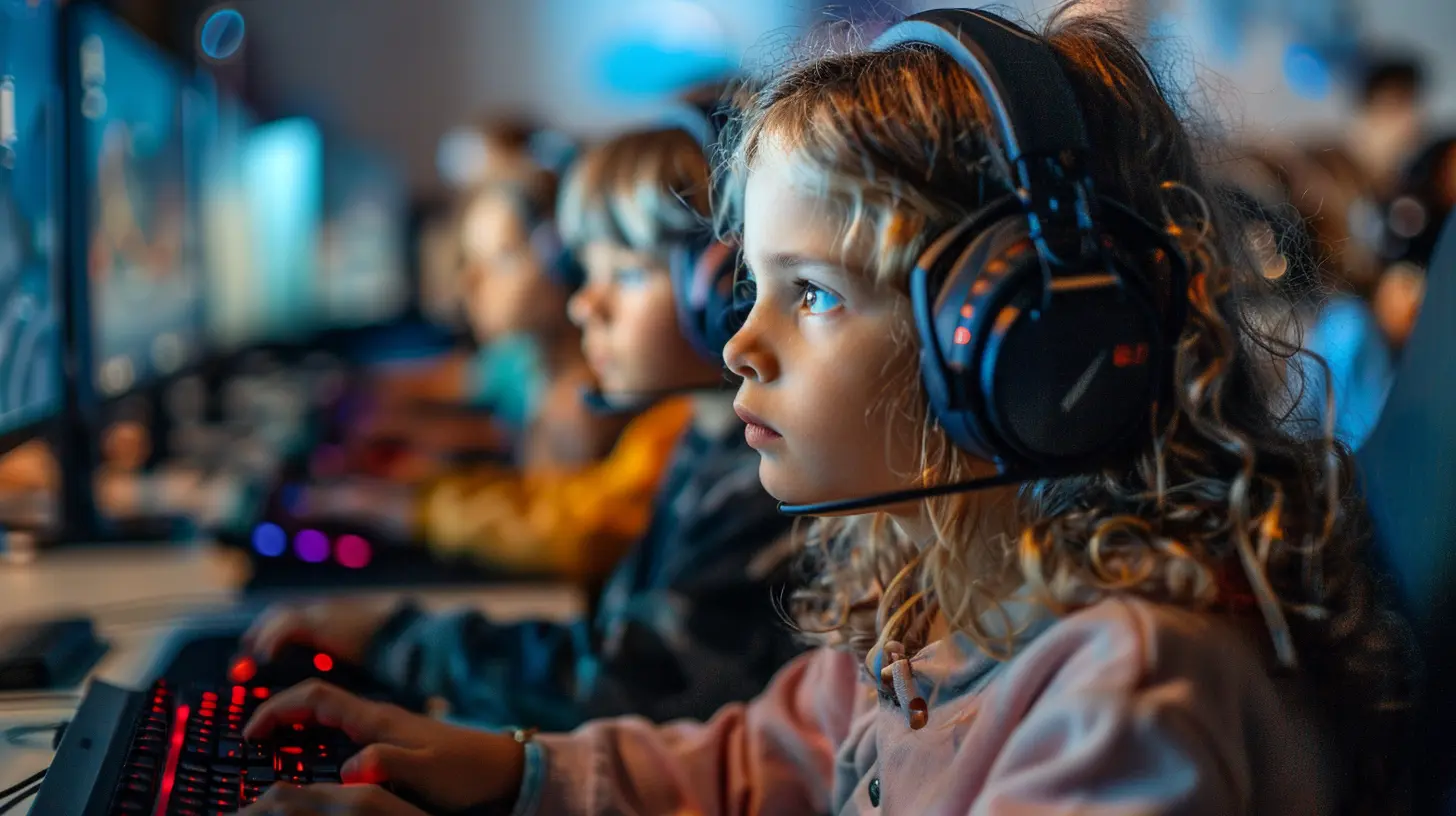
Why Games in Education? Isn't That Just Playing Around?
You might be wondering, “Are we seriously turning schools into arcades?” Not exactly—but we might be making them more fun, which is a win-win for everyone involved.Here’s why this shift is happening:
- Engagement: Let's be honest, staring at a textbook for hours isn’t exactly thrilling. But give students an interactive challenge? Suddenly, they’re all in.
- Motivation: Games reward progress, not perfection. That means learners feel encouraged, not punished.
- Safe Environment to Fail: In games, failure isn’t the end—it's part of the process. Try again, try differently, improve.
- Instant Feedback: No more waiting for graded papers. Players get feedback instantly, and that speeds up the learning curve big time.
- Problem-solving & Critical Thinking: Games make you think, not memorize.
So yeah, far from just “playing around,” games are actually doing some heavy lifting in modern education. And it’s only getting bigger.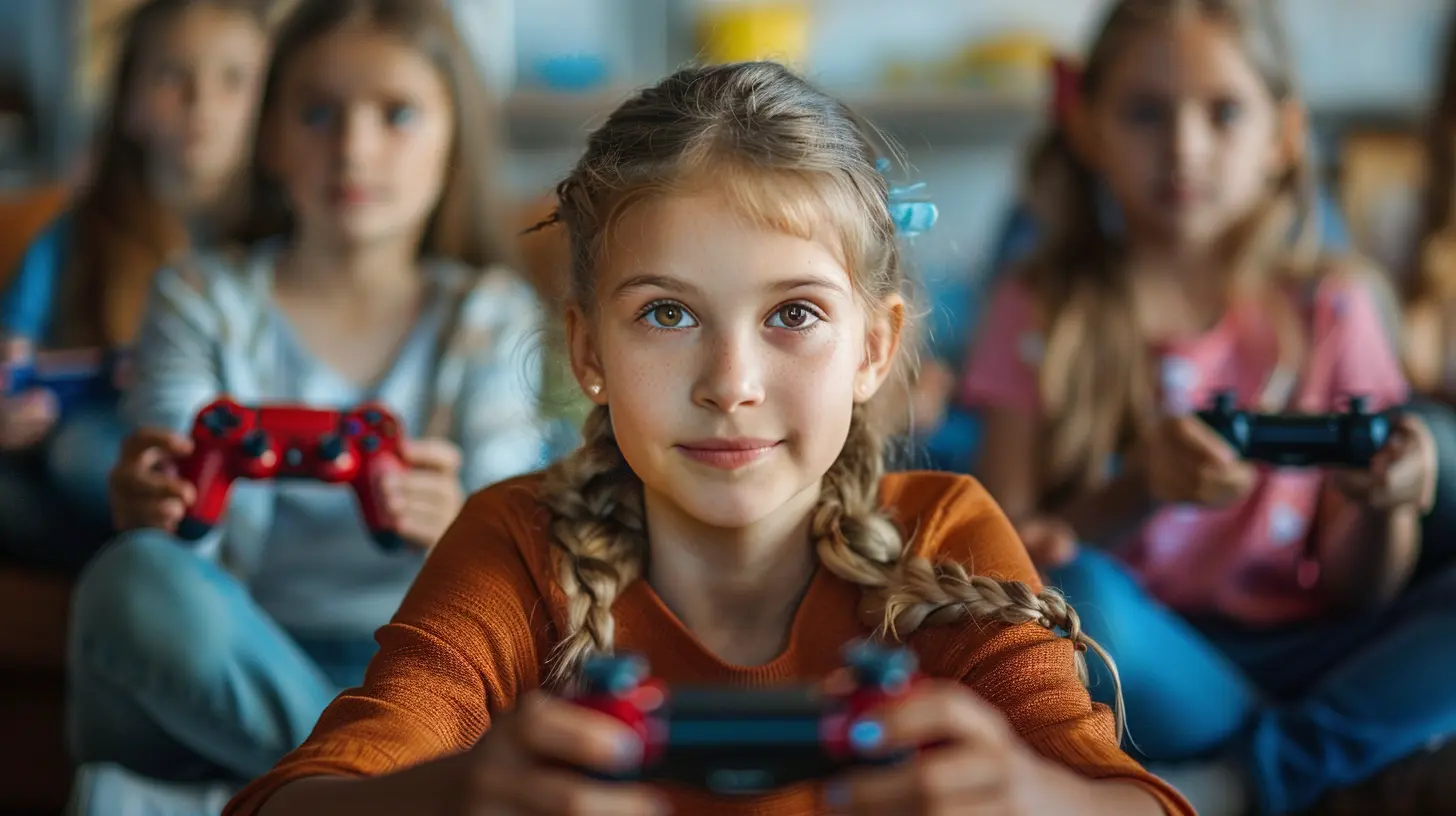
A Brief Stroll Through History: From Oregon Trail to VR Classrooms
Let's rewind a bit. Educational games aren’t exactly new. Remember The Oregon Trail? Released in the '70s, it was the OG edutainment experience. You were managing supplies, strategizing your journey, and accidentally dying of dysentery (every time).Fast forward to the 2000s and things bloomed with titles like Math Blaster, Zoombinis, and Carmen Sandiego, blending puzzles with learning in a colorful package. These games didn’t just teach; they entertained, and kids loved them.
But today? Today we're looking at virtual reality science labs, Minecraft building history lessons, and AI-backed learning simulators. It’s a whole different realm of possibilities.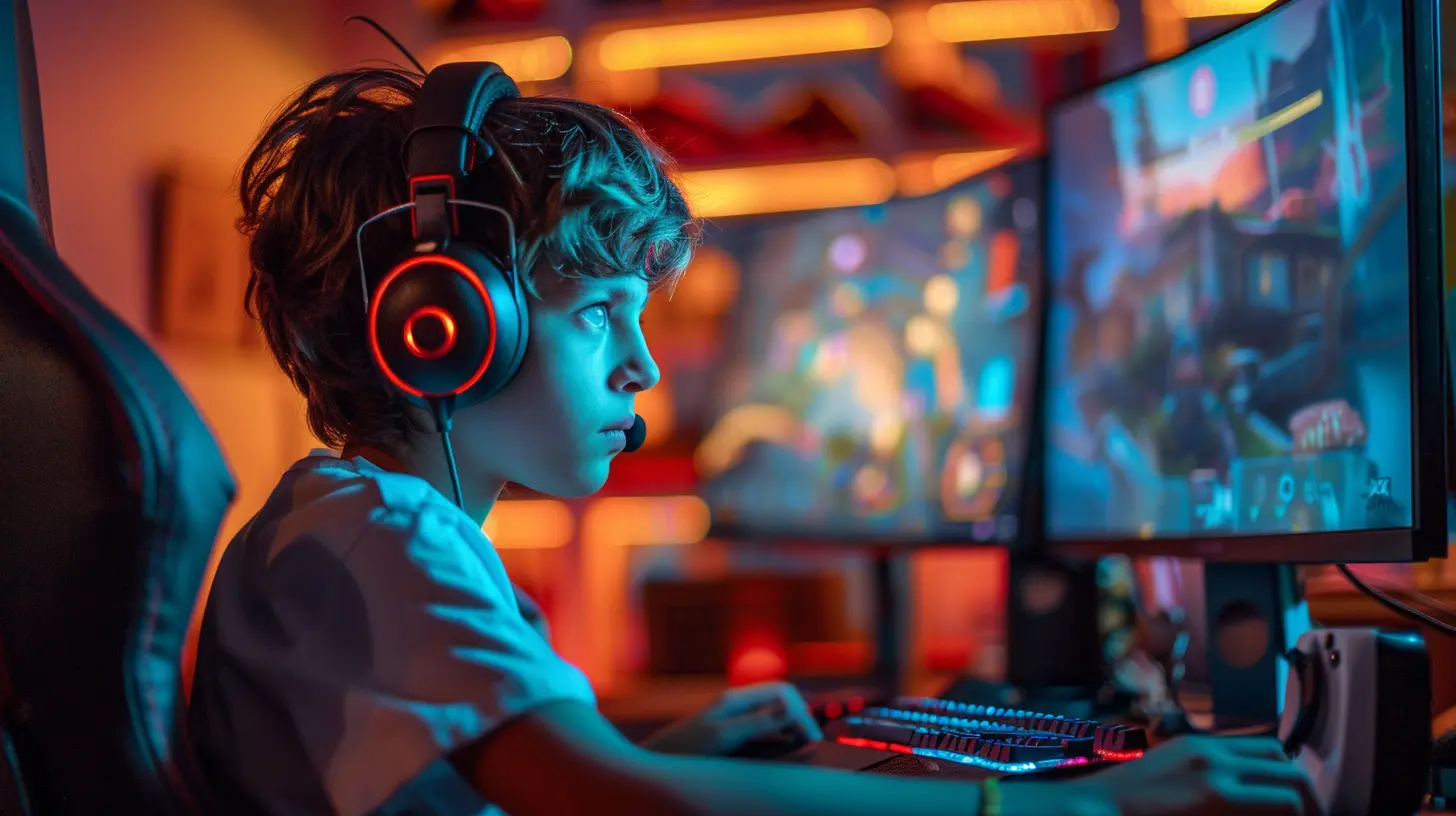
The Different Ways Games Are Used in Education Today
Let’s break down the main formats we’re seeing in classrooms (and homes) right now:1. Gamification of Traditional Learning
This isn’t about using video games but rather taking game mechanics—like points, levels, leaderboards—and injecting them into traditional assignments. Suddenly, solving math problems feels like unlocking new levels, and homework becomes a quest, not a chore.Apps like Kahoot!, Classcraft, and Quizizz are leading the charge here.
2. Serious Games for Skill Development
These are full-on games designed with one main purpose: to teach. Think CodeCombat for programming or DragonBox for math. They’re designed as games first but built to teach real, tangible skills.3. Commercial Games Used Creatively
This one’s super interesting. Schools are taking mainstream games like Minecraft, The Sims, even Assassin's Creed (yes, really) and adapting them for educational goals.- Minecraft: Education Edition lets students explore chemistry, historical landmarks, and even basic coding.
- Assassin’s Creed: Discovery Tour provides an accurate, gorgeously rendered walkthrough of historical eras like Ancient Greece and Egypt—with no violence.
4. Virtual Reality (VR) and Augmented Reality (AR)
VR is where things get wild. Imagine stepping inside a cell to learn biology or solving physics puzzles in an anti-gravity lab. This is where companies like zSpace, ClassVR, and Google Expeditions are making waves.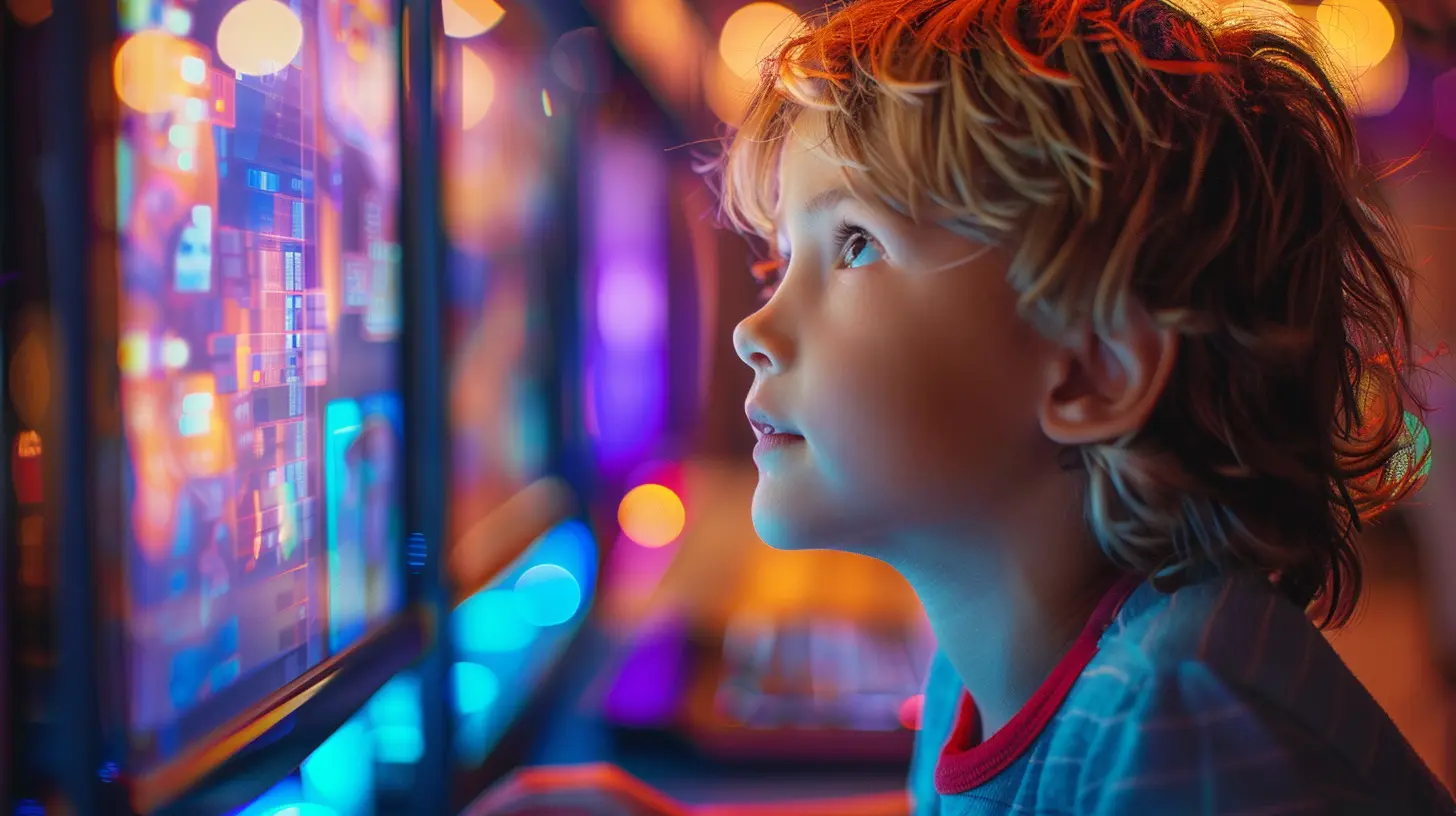
What Subjects Are Being Taught Through Games?
You might be surprised by how broad the scope is. Here are some real-world examples:- Mathematics: Games like Prodigy and DragonBox turn numbers into puzzles and adventures.
- History: Explore ancient civilizations with Civilization VI or walk the streets of Rome in VR.
- Science: Platforms like BrainPOP, Kerbal Space Program, and CellCraft break down super complex topics in a fun, digestible way.
- Language Learning: Apps like Duolingo totally gamify the language learning experience. XP points, streaks, and mini-games? Yes, please.
- Coding and Tech: Scratch, Tynker, and even Roblox Studio let students build, play, and learn the foundations of programming.
The Hidden Benefits: Beyond Textbooks
We often focus on academic results, but there’s an underrated side to game-based learning. Here’s what doesn’t always make the report card:- Collaboration and Communication: Multiplayer games and team-based challenges teach soft skills in a natural, intuitive way.
- Creativity and Imagination: Sandbox games like Minecraft or LittleBigPlanet turn learners into creators.
- Perseverance and Resilience: Failure in games is no big deal—it’s expected. That mindset translates beautifully into real-world problem-solving.
It’s not just about grades. It’s about growing minds.
Challenges and Criticisms: It's Not All Fun and Games
Of course, there are some concerns—and they’re worth addressing.Screen Time Overload
One biggie: more digital games mean more screen time. That’s a valid worry, especially for younger kids. Balance is key here.Accessibility and Equity
Not all schools or families have access to the tech needed for modern educational games. Internet access, devices, and even electricity can be barriers in some areas.Distraction Factor
Let’s be real—games can also be incredibly distracting. If not managed well, students might focus more on "winning" than actually learning.But here’s the thing: those aren’t deal-breakers. They’re challenges to be addressed, not reasons to give up on the potential.
The Role of Teachers in a Game-Based Classroom
Think teachers are just sitting back while games do all the work? Nope. Their role becomes even more crucial—and a lot more interesting.Teachers become guides, coaches, and sometimes even game masters. They set objectives, help interpret what's being learned through the game, and connect those lessons back to the curriculum.
When used well, educational games enhance—not replace—great teaching.
The Future of Games in Education Is Just Getting Started
We’re standing at the edge of something big. With advances in AI, VR, and adaptive learning, games are going to get even smarter—tailoring experiences to each learner's pace, skill level, and interest.Here’s what might be coming next:
- AI-powered virtual tutors that guide you through game levels based on your unique learning style.
- Multiplayer online classrooms where students “play” their way through collaborative assignments.
- Interactive simulations for careers like medicine, engineering, or even culinary arts.
And the best part? Students won’t just be passive players. They’ll be designing their own learning games. Talk about next level.
How Parents and Educators Can Get Involved
If you're a parent or teacher excited about this shift (or maybe just curious), here’s how you can jump in:1. Try the Games Yourself: Whether it's Minecraft: Education Edition or Duolingo, experiencing the platform firsthand builds trust and understanding.
2. Talk to Kids About Their Learning Games: Ask what they’re playing and what they’re learning. You might be surprised by the answers!
3. Support Balanced Play: Blend digital activities with physical, social, and offline experiences.
4. Advocate for Tech in Schools: Push for more access and training if your school isn’t on board yet.
5. Keep an Open Mind: Education is evolving. What worked 20 years ago isn’t always the best for today’s learners.
Wrapping It All Up
Let’s face it—games aren’t going anywhere. But what if they could do more than entertain? What if they could teach, inspire, and shape better learners?That’s exactly what’s happening as games push deeper into the education space. It’s not just a trend—it’s a transformation. And honestly? It’s about time learning got a level-up.
So next time you see a kid glued to a screen, maybe—just maybe—they’re not wasting time. Maybe… they’re getting smarter, one level at a time.
all images in this post were generated using AI tools
Category:
Game TrendsAuthor:

Tina Fisher