The Evolution of Item Crafting in Video Games
11 May 2026
Ask any gamer about their favorite in-game feature, and chances are, item crafting will pop up a lot more than you’d expect. Why? Because there’s something inherently satisfying about taking raw, sometimes useless stuff and turning it into something powerful or game-changing. It’s like turning digital lemons into pixelated lemonade. But crafting in games wasn’t always the deep, immersive process we know today. It has changed—massively.
Let’s take a trip through gaming history and watch how item crafting evolved from something basic and overlooked into a core mechanic that defines entire genres.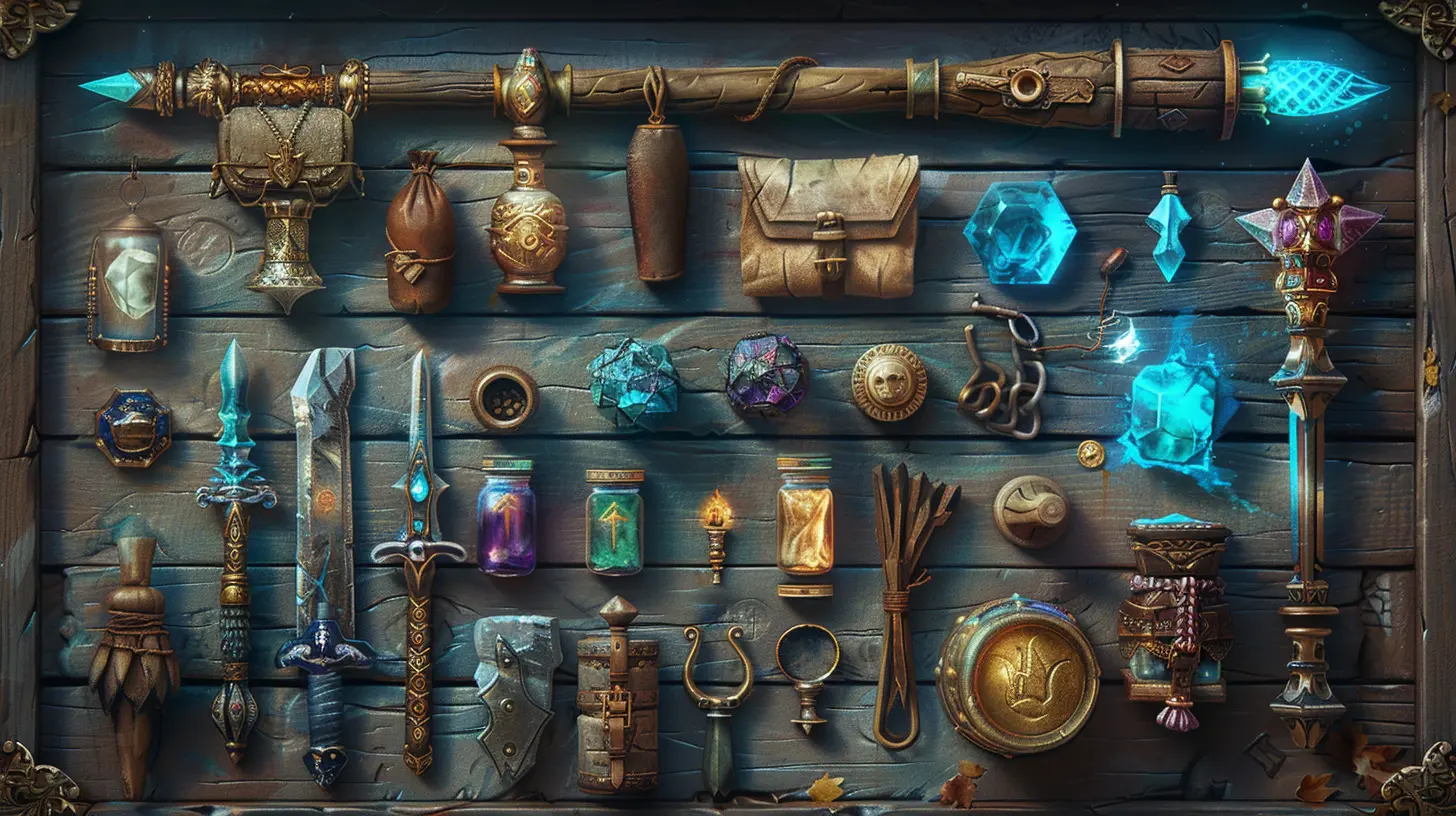
The Birth of Crafting: Simple Beginnings
Item crafting didn’t start out as a flashy system with dozens of menus and hundreds of recipes. Nope. In the early days of gaming, crafting was more like combining two things and hoping something cool happened.Think back to classic point-and-click adventure games in the late '80s and early '90s. You might combine a stick and a piece of gum to create... well, a makeshift fishing rod or a key-extraction tool. These games used "crafting" as more of a puzzle mechanic than anything else. It wasn’t about surviving or optimizing gear—it was about solving problems in quirky, sometimes hilarious ways.
Simple? Yes. Functional? Absolutely. But obviously, crafting had far more potential, and game devs knew that.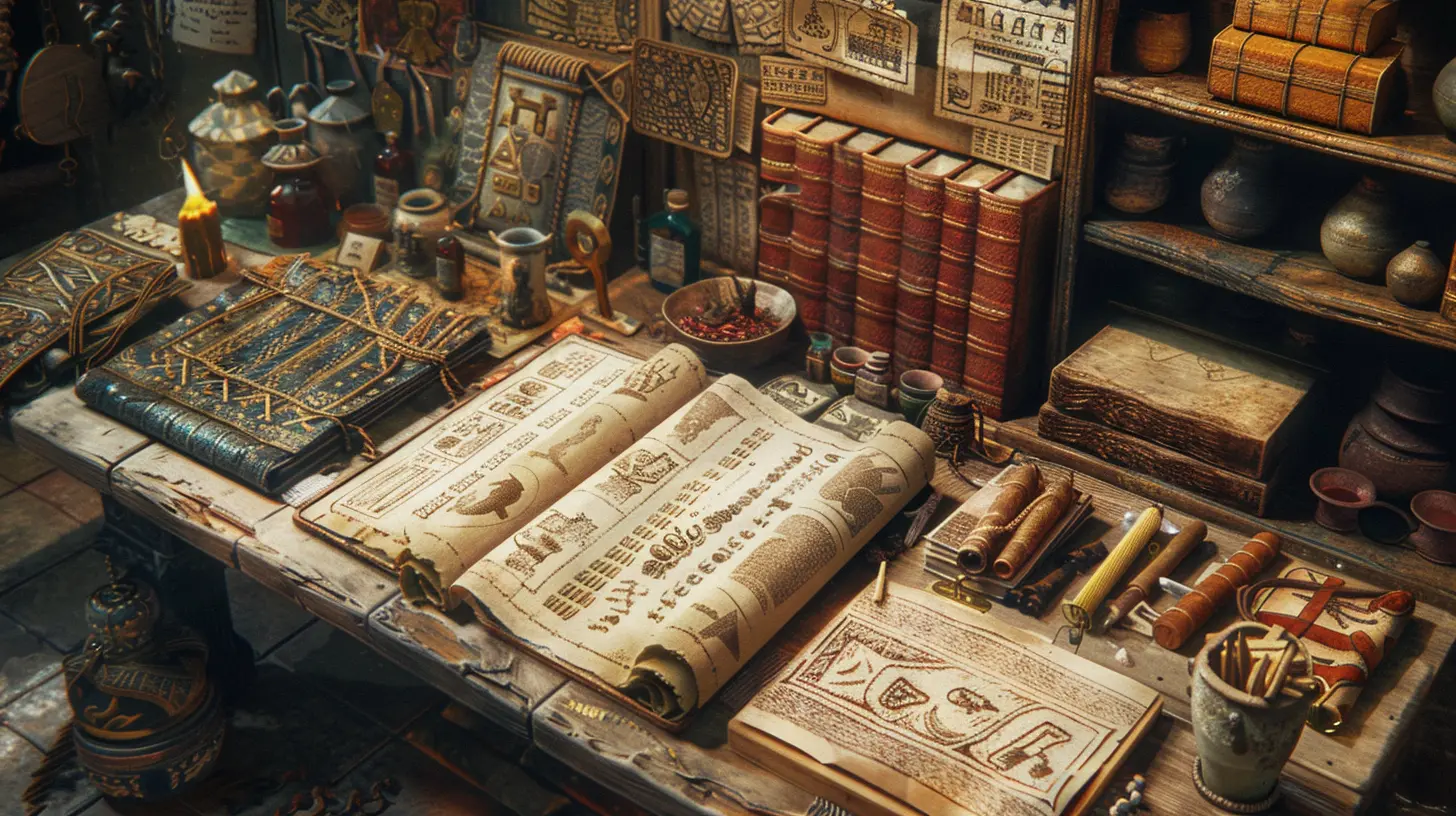
The RPG Influence: Turning Crafting into Progression
By the time the late '90s rolled around, games started expanding in ways we hadn’t imagined. Role-Playing Games (RPGs), in particular, began to play around with crafting as a form of progression.Take Final Fantasy IX, for example. It introduced synthesis shops where players could combine two old items into a better one—more power, more stats, more efficiency. Suddenly your rusty weapon wasn’t junk; it was part of the upgrade ladder.
Then came The Elder Scrolls III: Morrowind and later, Oblivion. These games didn’t throw recipes in your face. Instead, they rewarded experimentation, letting you mix herbs and ingredients to create potions. Success (or disaster) depended on your character’s alchemy skill. It felt personal—your stats, your choices, your outcomes.
Crafting was no longer a gimmick; it was strategy.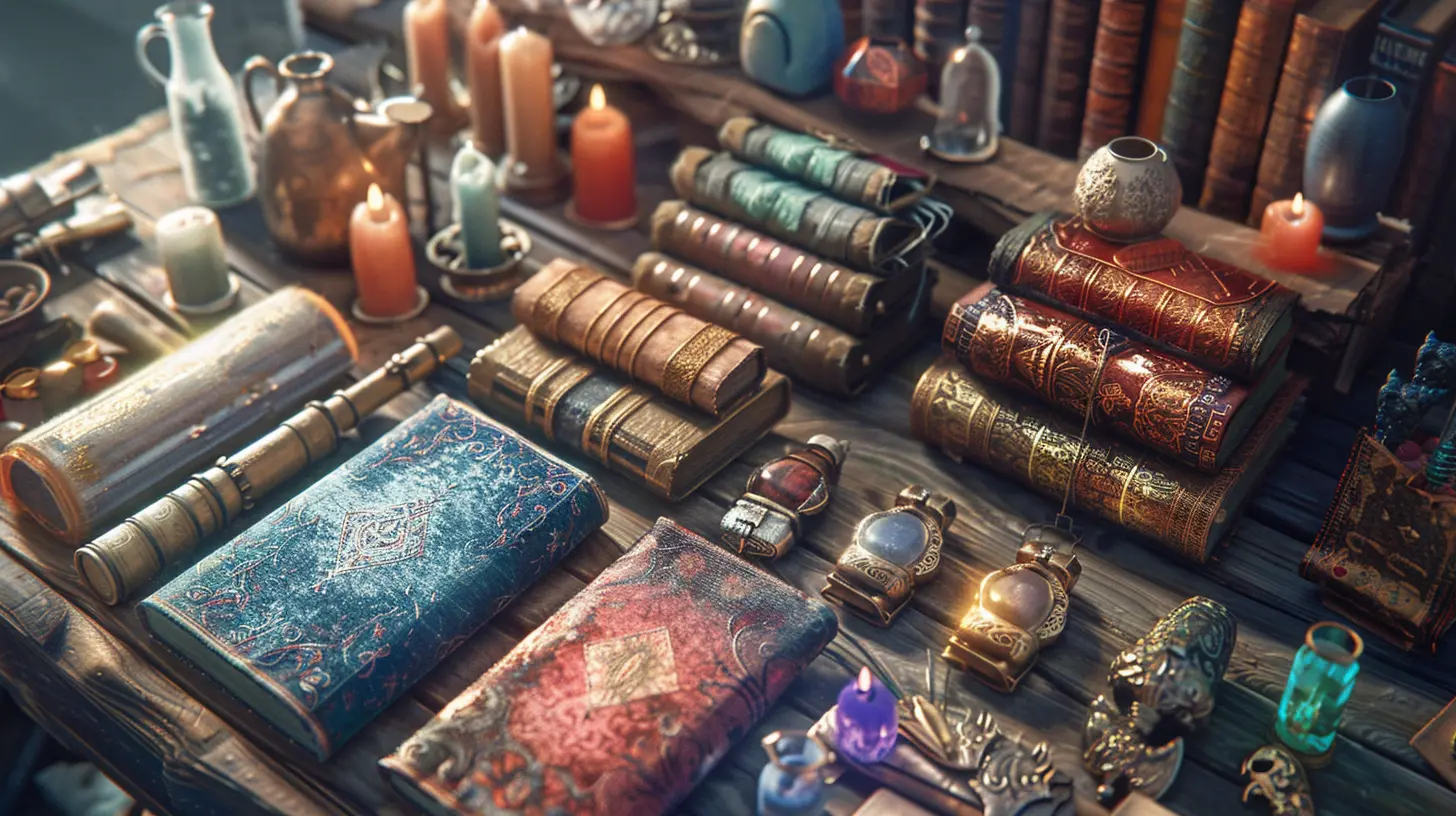
Survival Games Kick it Up a Notch
Then came the 2010s—the golden age of survival games, where crafting became the beating heart of gameplay. If you’ve played Minecraft, you know what I’m talking about.Minecraft didn’t just let players craft—it practically demanded it. You couldn’t survive your first night without building a shelter, which meant crafting tools, torches, and a workbench... from scratch. The simplicity of the crafting system (just nine squares!) belied the insane complexity it could achieve. From pickaxes to automated redstone contraptions, you were only limited by your creativity.
Around the same time, DayZ, Rust, and ARK: Survival Evolved took it one step further. In these worlds, crafting wasn’t just helpful—it was life or death. No bed? You’re waking up miles from your loot. No weapon? Say hello to the zombie gnawing on your leg.
In these titles, crafting was visceral. It felt real. You could almost feel the weight of that stone axe you just painstakingly crafted after scrambling for resources. That level of immersion? Unmatched.
Crafting Meets Complexity: Customization and Systems
As time went on, crafting systems didn’t just grow—they exploded. What started with combining A + B to make C evolved into full-blown systems that would make spreadsheet enthusiasts weep with joy (or horror).Games like The Witcher 3: Wild Hunt and Monster Hunter: World introduced blueprints, rarities, upgrade paths, and even resource farming strategies. It wasn’t enough to just gather materials—you had to gather the right materials, often from scary, oversized enemies who didn’t exactly want to be looted.
Monster Hunter especially leaned into the idea that crafting was a reward. Beat a dragon-like creature? You get scales. Use those scales to craft armor that makes you better at beating even bigger dragons. It was a perfect gameplay loop—overcome, craft, grow, repeat.
And let’s not forget Fallout 4 and its base-building system. Suddenly you weren’t just crafting for yourself—you were creating entire communities. Crafting moved beyond personal utility and became a tool for world-building.
MMOs and Crafting Economies
Now here’s where it gets wild—MMORPGs. In massive online worlds, item crafting became its own economy.Games like World of Warcraft and Final Fantasy XIV allowed players to specialize in professions. You weren’t just slaying monsters anymore; you could be a blacksmith, an herbalist, or a tailor. Crafting wasn't a side hustle—it was your job.
In some guilds, crafters were more respected than warriors. They held the keys to legendary gear, rare potions, and essential supplies. And because everything happened in real-time multiplayer, these items had real value—economically and socially.
It wasn’t long before games started incorporating player-driven markets, complete with supply, demand, inflation, and even undercutting tactics. Crafting wasn’t just fun—it was business.
Sandbox Freedom: Crafting Your Own Experience
One of the biggest shifts in crafting design was the move towards freedom. Developers stopped telling players exactly what to build and instead gave them tools to build anything.Cue games like Valheim, Terraria, and even No Man’s Sky. These games didn’t just offer hundreds of recipes—they let you shape the world. Want to craft a longhouse near a fjord? Go for it. Want to build a spaceship with a warp drive and a teleporter? Sure thing.
Here, crafting was a gateway to self-expression. It was less about surviving and more about thriving. The joy of creating something uniquely yours—be it a bonfire campsite or a sky-high fortress—was addicting.
Streamlining for the Masses
Let’s be real: not everyone wants to spend hours collecting 16 different mushrooms and reading a wiki to craft a health potion. Game devs realized this, and more recent titles started to streamline their crafting systems.Look at Horizon Zero Dawn or God of War (2018). Crafting here is sleek, fast, and mostly menu-driven. Find parts, craft upgrades, move on. It doesn’t get in the way of combat or exploration—it enhances it.
This isn’t a bad thing. Some players want deep crafting, others want convenience. The best games give people both. Want to auto-craft ammo from scavenged parts? Go for it. Want to deep-dive into resource management? That’s there too.
Crafting as a Narrative Tool
Here’s a twist you might not have seen coming: crafting as storytelling.In some modern games, what you choose to craft says something about who you are in the game world. In The Last of Us, crafting a Molotov with a rag and alcohol isn’t just strategic—it’s emotional. You're making desperate choices in a desperate world.
Same goes for This War of Mine. You’re not crafting for fun—you’re crafting to survive in a war-torn city. Every choice feels heavy. Do you use that last piece of wood for a heater or a bed? The game makes you feel the weight of crafting, not just the excitement.
The Future of Crafting: AI, Procedural Generation & VR
So what’s next? Where does crafting go from here?With advancements in AI and procedural generation, we’re already seeing hints of systems that adapt based on player behavior. Imagine a game that custom-builds recipes based on your playstyle. Prefer stealth? You might "randomly" discover crafting recipes for silenced weapons. Favor brute force? Expect blueprints for heavy armor and explosives.
And don’t even get us started on VR. Have you ever forged a sword by actually swinging a hammer in a virtual forge? If not, games like Blade & Sorcery and Boneworks are inching closer to that immersive, hands-on future where crafting doesn’t just happen in menus—it happens with your actual hands.
Why We Love Crafting, Then and Now
At the end of the day, crafting taps into something universal—the desire to create. Whether we’re making a sword, a spaceship, or a simple bowl of stew, crafting gives us a sense of control and satisfaction.It’s the same joy you felt as a kid building with LEGO bricks, now dialed up with explosions, dragons, and epic loot.
Crafting has evolved from simple convenience to powerful immersion, and there’s no sign it’s slowing down. As long as we have games, we’ll have crafting—and it’ll keep growing, shifting, and surprising us.
So next time you gather herbs or scrap metal in your favorite game, take a moment to appreciate how far we’ve come. From two-slot puzzles to entire economies, crafting isn't just a game mechanic anymore—it's a way of life.
all images in this post were generated using AI tools
Category:
Item CraftingAuthor:

Tina Fisher
Discussion
rate this article
2 comments
Tia Long
Crafting brings joy to gaming!
June 20, 2026 at 3:12 AM
Tina Fisher
Absolutely! Crafting adds a personal touch and enhances the gaming experience. It's all about creativity and ownership.
Cassian Harmon
Ah, item crafting... where once we combined sticks and stones, and now we're over here mixing dragon scales with magic beans. Next up, we'll be crafting our own lunch breaks!
May 11, 2026 at 5:06 PM
Tina Fisher
Haha, right? It's wild to see how far we've come. From basic materials to epic combos, crafting really reflects the creativity in gaming. Who knows what's next?