The Evolution of Influence in the Gaming World
3 December 2025
Gaming has come a long way, hasn't it? From the pixelated screens of the '80s to immersive virtual metaverses today, there’s been a massive shift in not just how we play, but who we listen to while we play. And that, folks, is what we’re diving into today—how influence in the gaming world has evolved over time.
Because let’s face it, what used to be a niche corner of the entertainment industry has now exploded into a global powerhouse. And influence? It’s no longer just about who programmed the game. It’s about creators, streamers, communities, and even... memes.
Back in the Day: When Developers Ruled All
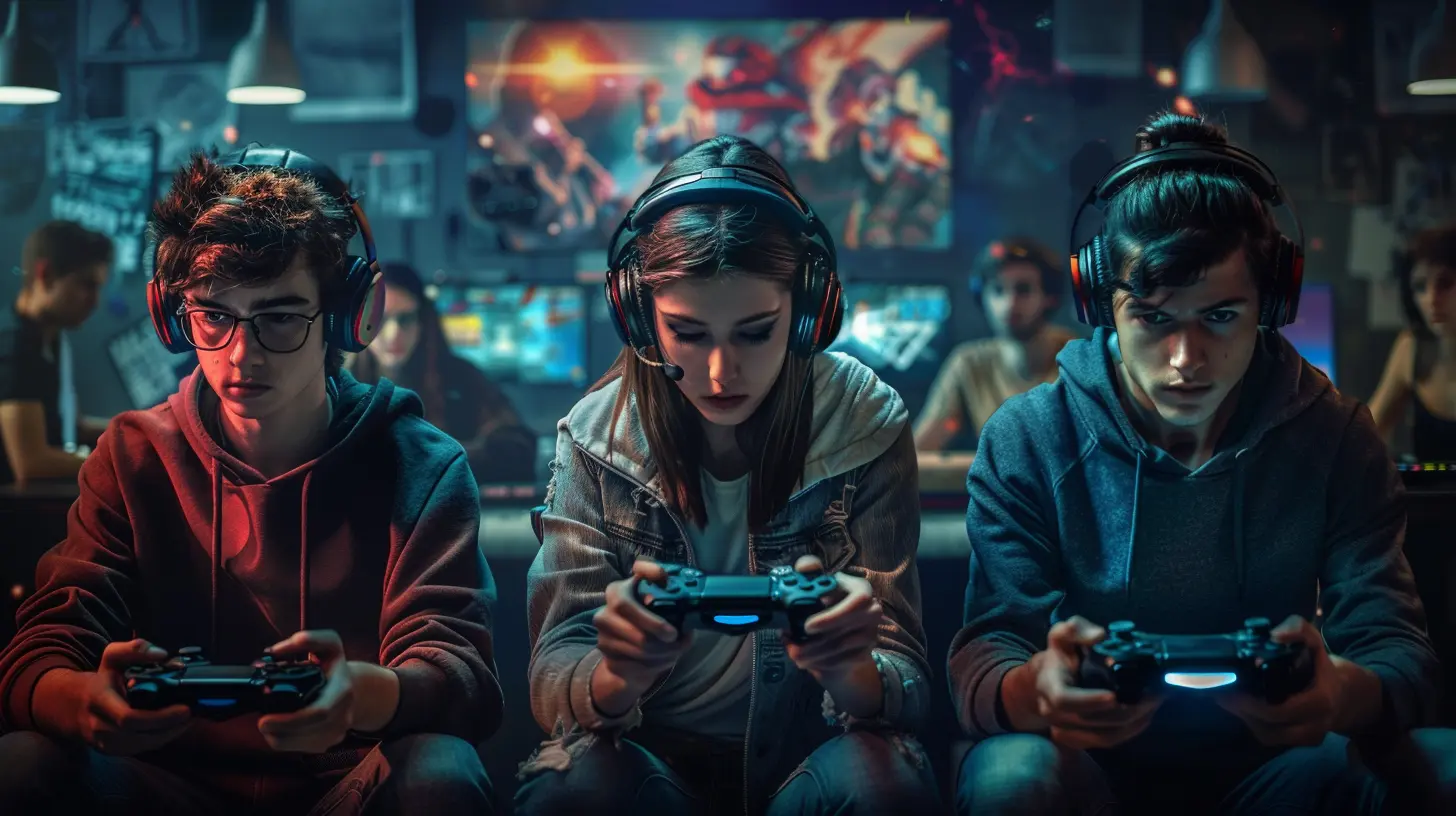
Let’s rewind a few decades.In the early days of gaming—think Atari, NES, and arcade classics—developers were the unsung heroes. They were the mysterious wizards behind the curtains, crafting experiences out of lines of code. Players had no idea who made the games. There were no live Twitch streams or social media shout-outs. Influence was top-down: developers made it, and gamers played it. Simple as that.
Back then, if a game was good, word of mouth helped it spread—but that was about it. The community had little say, and influence was basically limited to reviewers in magazines like Electronic Gaming Monthly or Nintendo Power. Remember those cheat code pages? Gold.
But things were about to change.
The Rise of the Internet and the Birth of Online Communities
Enter the ‘90s—and the internet.Suddenly, gamers weren’t just players; they were participants. Forums began popping up where people could talk shop, swap cheats, and debate whether Final Fantasy VII had the best storyline of all time (spoiler: it did). Websites like GameFAQs allowed gamers to post walkthroughs and guides. That’s major influence, right there.
The shift? Power began to decentralize. Influence wasn't just held by developers anymore; it was trickling into the hands of the community.
Remember when modding your copy of The Sims or Skyrim was the ultimate flex? Those mods weren’t made by devs—they were made by fans. And some of them were better than the original content (no shade to the devs). The community was growing its voice, and people were definitely listening.

YouTube Changed Everything
Fast forward to 2005. YouTube launches. And the game (no pun intended) changes.Now, anyone with a controller and a camera could share their gameplay—and people actually watched. “Let’s Plays” started rolling in. At first, they were just casual walkthroughs with commentary. But then? They became storytelling masterpieces on their own.
Creators like PewDiePie, Markiplier, and Jacksepticeye didn’t just play games—they connected with people. They laughed, screamed, and cried right along with their audiences. And suddenly, millions of people were waiting to see what game they'd play next.
It was no longer just about the game. It was about who was playing it.
Streaming: Real-Time Influence in Action
Then came Twitch.If YouTube gave rise to edited content, Twitch brought raw, unfiltered gaming into our lives. Streamers didn’t just post after the fact—they went live. Real-time interaction. Real-time influence. Viewers could chat, react, donate, and shape the content as it happened.
And the most powerful twist? Games started being made or broken based on these streams.
You’ve probably heard of Among Us, right? That game launched in 2018 and barely made a ripple—until streamers picked it up in 2020 during the pandemic. Overnight, it exploded. Twitch was the fuel that reignited a forgotten game and turned it into a cultural phenomenon.
Streamers became key influencers—driving sales, changing trends, and even impacting how games were developed. This was influence like never before.
Enter the Era of Esports
Let’s not forget the rise of esports—because this is another massive piece of the puzzle.Competitive gaming went from basements to sold-out stadiums. Pros like Faker (League of Legends legend) and Ninja (Fortnite icon) became household names.
Esports teams, sponsors, and tournaments brought structure and legitimacy to gaming. And with them came a new wave of influencers: analysts, casters, coaches, and, of course, the players themselves.
Esports also showed younger gamers—and even their skeptical parents—that gaming wasn't just a "waste of time." It could be a viable career, a source of fame, and yeah... serious income.
Social Media Supercharged Influence
Twitter, TikTok, Instagram—you know the drill.Before, you had to watch a full stream or long-form video to get a take on a game. Now? A clip on TikTok can set the tone. A tweet can spark debate. A meme can launch a game into viral fame.
Take Elden Ring, for example. Its mystique and difficulty got amplified through hilarious and relatable Twitter threads, TikToks of epic fails, and Reddit discussions breaking down lore deeper than a Tolkien novel.
Social media turned influence into a game itself—fast, unpredictable, and viral.
Game Developers Are Listening Now—More Than Ever
Here’s the twist: the circle has come full circle.At the beginning, developers held all the influence. Then creators and communities took over. But now? There's a feedback loop.
Many developers are tuned into social media, Reddit threads, and Twitch streams. They watch for feedback, ride waves of popularity, and even adjust development based on community engagement. Games like No Man’s Sky bounced back from negative reviews thanks to community-driven updates. Fortnite literally shifts its story based on player trends.
Influence has become collaborative. It's a dance between creators, communities, and developers working in sync.
The Metaverse and What’s Next
We're standing at the edge of the next big transition: the gaming metaverse.With platforms like Roblox, Minecraft, and soon, Meta's Horizon Worlds, players aren’t just gaming—they’re building entire worlds. Influence is about creation now. Kids are making games inside games. Avatars are becoming brands. NFTs (though controversial) are adding new layers to ownership and identity.
Influencers aren’t just people anymore—they’re characters, personas, and sometimes AI-driven avatars. Wild, right?
And the community? It’s more connected than ever. Whether you're a AAA dev, an indie creator, or just someone with a cool idea on Roblox—you’ve got a shot at influence.
So... Who Has the Power Now?
Everyone.That’s the beauty of it. Influence in the gaming world isn’t owned by one group anymore. It’s shared—fluid, dynamic, always evolving. Creators influence games. Developers influence creators. Gamers influence each other. And social media ties it all together like one big energy drink-fueled spider web.
And guess what? That means you can be part of it.
Whether you're streaming, modding, tweeting, or just sharing a goofy clip on Reddit—you're shaping the future of gaming. You’re part of the evolution.
And that? That’s pretty freaking awesome.
Final Thoughts: The Influence Is Mutual
What makes gaming influence so unique is its reciprocity. It’s not about power over—it’s about power with. It's mutual. It’s connected. It’s constantly shifting.From silent devs in the ‘80s to streamers who pull millions of concurrent viewers today, the evolution of influence in the gaming world reflects something deeper: our human need to connect, play, and belong.
So next time you boot up a game, pause and think—who influenced you to play it? And who might you influence next?
Because in this ever-evolving world, everyone’s a player—and everyone can be a game-changer.
all images in this post were generated using AI tools
Category:
Game InfluencersAuthor:

Tina Fisher
Discussion
rate this article
2 comments
Stella McNulty
The gaming industry's influence has significantly evolved, shaping culture and trends.
December 14, 2025 at 3:51 PM
Tina Fisher
Absolutely! The gaming industry's impact on culture and trends is profound, driving social change and innovation like never before.
Bryson Wright
This article brilliantly captures the dynamic changes in gaming influence! It's fascinating to see how creativity and community impact game development. Exciting times lie ahead as we continue to shape this evolving landscape together!
December 8, 2025 at 3:29 AM
Tina Fisher
Thank you for your insightful comment! I'm glad you enjoyed the article and appreciate the emphasis on creativity and community in shaping the future of gaming. Exciting times indeed!